Sundew Species and Cultivation Techniques | Bringing Out the Beauty of Mucilage
This article explains the characteristics of major sundew species and cultivation techniques (light, humidity, soil) for making mucilage shine beautifully.
Key Takeaways
This article explains the characteristics of major sundew species and cultivation techniques (light, humidity, soil) for making mucilage shine beautifully.
Related Species
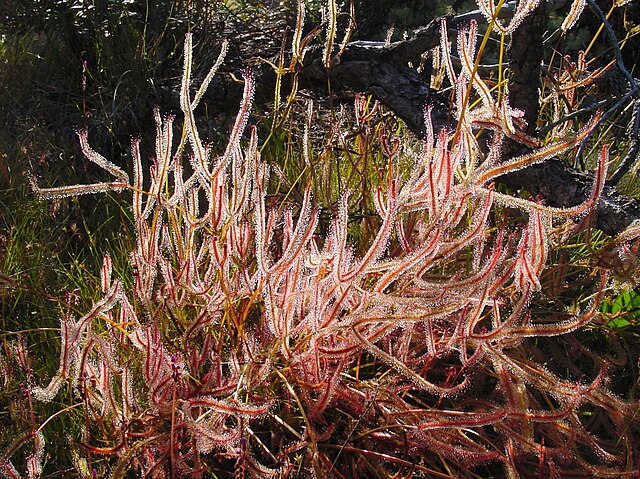
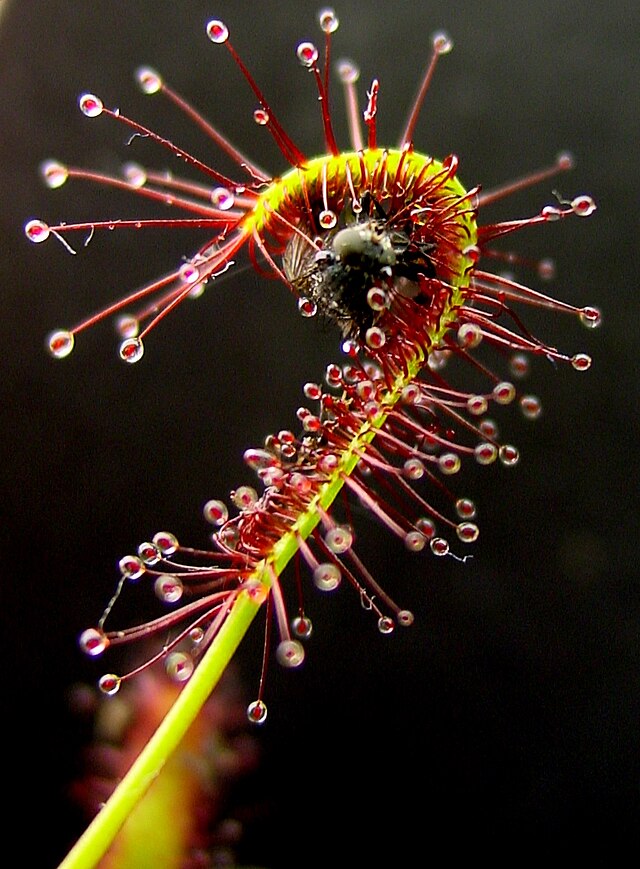
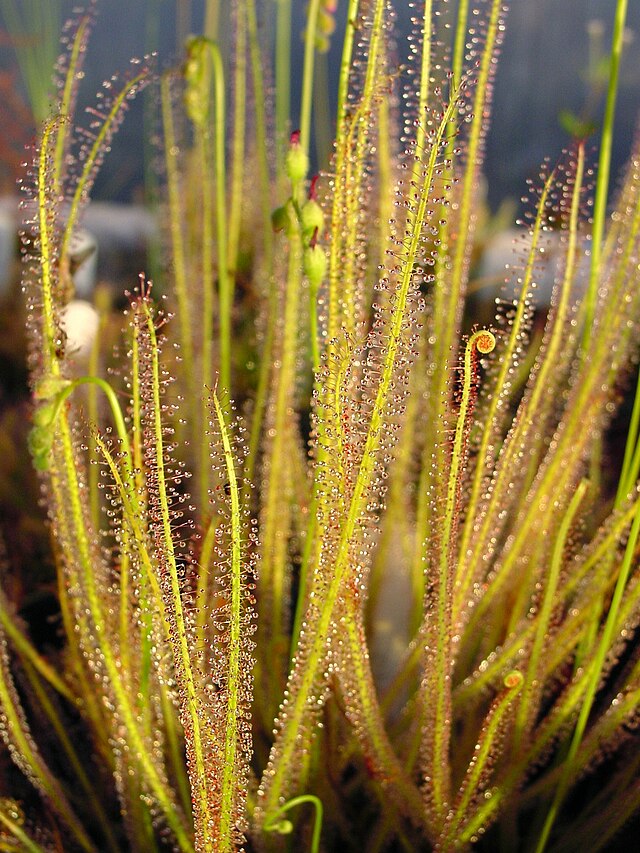
Sundew (Drosera) is a carnivorous plant whose mucilage shining across the leaf surface is beautiful like jewels. Over 200 species exist worldwide, varying greatly in size and shape. Here we introduce popular species and cultivation techniques to bring out the beauty of the mucilage to its fullest.
Sundew's Insect-Capturing Mechanism
The surface of sundew leaves is densely covered with hair-like projections called "glandular hairs." These hairs secrete a transparent, sticky liquid (mucilage) from their tips, and when insects touch this mucilage, they become immobilized. The mucilage contains digestive enzymes, allowing the plant to slowly digest captured insects and absorb nutrients.
Popular Species and Their Characteristics
Temperate Species (Can Be Cultivated Outdoors in Japan's Climate)
Drosera rotundifolia (Common Sundew) This is a wild species that occurs naturally in Japan. It unfolds round leaves in a rosette pattern, with beautifully reddish glandular hairs and mucilage. It has high cold tolerance and forms winter buds to enter dormancy in winter. It grows without problems in outdoor tray watering cultivation.
Drosera filiformis (Thread-Leaved Sundew) This North American native species is characterized by thin, thread-like leaves. The sight of mucilage covering the entire leaf surface is exceptionally beautiful, and it sways fantastically in the wind. It has cold tolerance and can overwinter outdoors.
Tropical Species (Indoor Management Recommended)
Drosera capensis (Cape Sundew) Native to South Africa, this is the most recommended species for beginners. It bears abundant mucilage on slender leaves, creating a magnificent reddish appearance. It is hardy, grows quickly, and can be easily propagated from seed. Indoor management is necessary in winter, but it can overwinter at around 10°C.
Drosera adelae This Australian native is a small-sized species. Mucilage glistens on its spear-like leaves. It is hardy, increases easily, and is also recommended for beginners. Indoor management is necessary in winter.
Drosera binata (Forked Sundew) It is characterized by a unique form in which leaves split into two or multiple branches. It grows into a large size with presence. Although native to Australia, it has relatively good cold tolerance and can overwinter outdoors in warm regions.
Drosera pulchella This dwarf species from Western Australia is prized for its jewel-like small rosettes. It has a unique reproductive form in which it propagates via tubers (bulbils). Cultivation difficulty is somewhat high.
Cultivation Techniques for Bringing Out Beautiful Mucilage
These are the key points for producing abundant mucilage, the greatest appeal of sundews.
Sufficient Light Direct sunlight is the most important factor. Insufficient light reduces mucilage secretion and stunts the glandular hairs. Ensure 4-6 hours of direct sunlight daily. Morning light is particularly effective.
Maintaining High Humidity Mucilage secretion is most active in environments with 60% or higher humidity. In addition to tray watering, misting the surroundings increases humidity and boosts mucilage production. However, do not spray water directly on leaves as it will wash away the mucilage; instead, mist around the plant.
Appropriate Temperature For temperate species, 15-25°C and for tropical species, 20-30°C are the optimal temperature ranges for mucilage secretion. When temperature is in the appropriate range, large mucilage droplets that glow like morning dew form.
Avoid Wind Strong wind dries out the mucilage. For outdoor cultivation, choose a location with weak wind exposure, or install a wind shield around the plant.
Do Not Apply Fertilizer Sundews obtain nutrition from insects, so regular fertilizer is unnecessary. In fact, fertilizer can damage roots. In environments where the plant catches few or no insects, it is sufficient to place a small amount of dried insect powder on the leaves about once a week.
Tray Watering Management and Soil
Soil Basic soil is a 1:1 mixture of peat moss and perlite. Sphagnum moss alone also produces good growth. Adding Kanuma soil is also effective.
Tray Water Level Keep 1-2 cm of water constantly in the saucer. In areas where tap water has low TDS, it can be used as is, but rainwater or RO water is ideal.
Propagation Methods
Seed D. capensis is especially easy to grow from seed. After flowering, collect black seeds and sow them on moistened peat moss where they will germinate.
Leaf Propagation Cut leaves at the base and place them on moistened sphagnum moss; small new rosettes will regenerate in several weeks. This method has particularly high success rates with D. capensis and D. adelae.
Representative Sundew Species and Their Characteristics
| Species | Origin | Size | Cultivation Difficulty | Characteristics |
|---|---|---|---|---|
| D. capensis | South Africa | Medium | Low | Easiest to grow. Ideal for beginners |
| D. spatulata | Asia–Oceania | Small | Low | Compact and charming |
| D. rotundifolia | Northern Hemisphere temperate | Small | Medium | Occurs naturally in Japan. Dormancy required |
| D. binata | Australia | Large | Medium | Unique leaves that split into two branches |
| D. regia | South Africa | Large | High | King of sundews. Large leaves |
Tips for Sundew Cultivation
What to Do When Mucilage Is Not Produced There are three main causes of mucilage not being produced.
- Insufficient light: Sundews will not secrete mucilage without sufficient light. Provide at least 4-6 hours of direct sunlight daily or strong LED light
- Low humidity: Low humidity causes mucilage to dry out. Maintain humidity above 50%
- Water quality issues: Continued use of mineral-rich tap water damages roots and affects mucilage secretion. Use of rainwater or distilled water is recommended
Sundews are easy to propagate by leaf cuttings or seed, so attempting propagation is one of the enjoyments of cultivation.
Common Mistakes and Solutions
Mistake 1: Assuming Lack of Mucilage Is Due to Low Humidity Most often, the cause of insufficient mucilage is inadequate light. Strengthen the light before increasing humidity. When sufficient light is provided, mucilage will be produced even in relatively dry conditions.
Mistake 2: Removing Caught Insects Removing insects with tweezers to improve appearance damages the glandular hairs. If left alone, they will decompose and be absorbed through the leaves, so it is best not to touch them.
Mistake 3: Growing Dormant Species with the Same Year-Round Care Temperate species such as D. rotundifolia enter dormancy in winter. Continuing to provide the same light and water in winter exhausts the plant. Confirm whether each species is temperate or tropical before deciding on management practices.
Find Sundews on GrowerDirect
On GrowerDirect, you can purchase healthy sundews full of mucilage directly from specialist growers. You can also consult about species selection and cultivation environment, so even first-timers can enjoy the beauty of sundews with confidence.