Complete Guide to Sundew (Drosera) Cultivation | How to Bring Out the Beauty of Its Sticky Secretions
Explains varieties such as D. adelae and D. capensis, water-tray management, light requirements, and differences between temperate and tropical species.
Key Takeaways
Explains varieties such as D. adelae and D. capensis, water-tray management, light requirements, and differences between temperate and tropical species.
Related Species
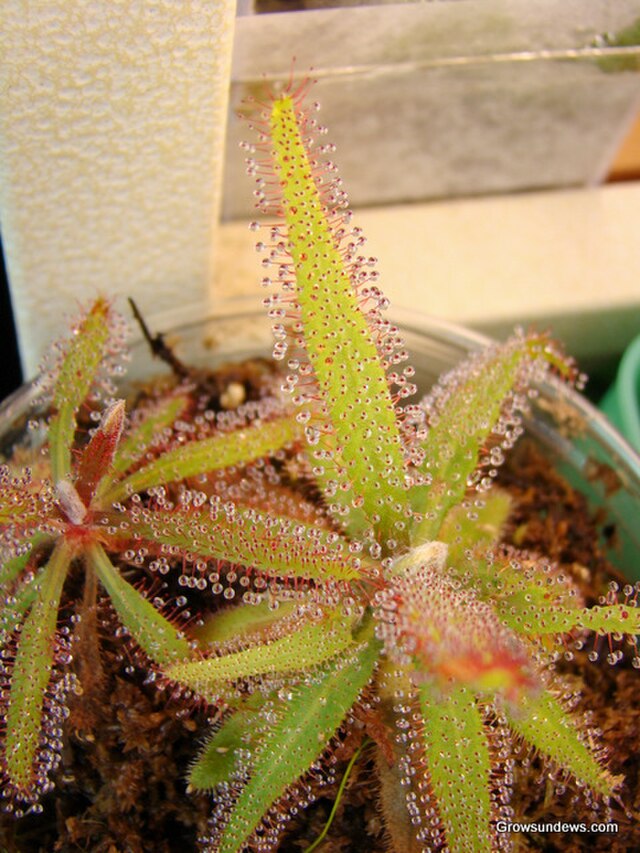
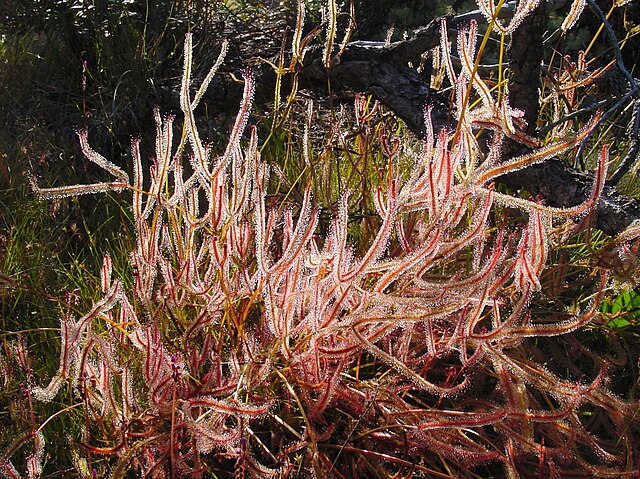
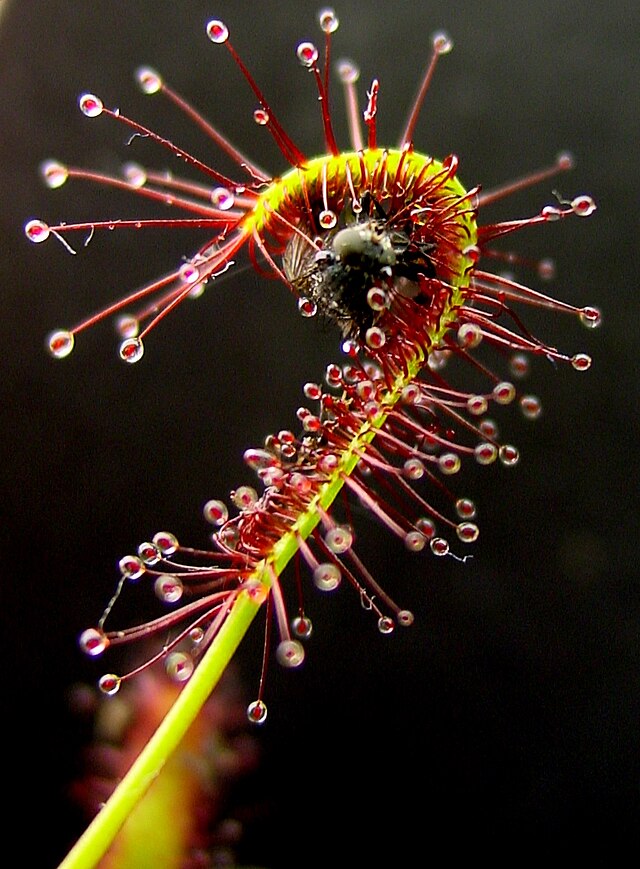
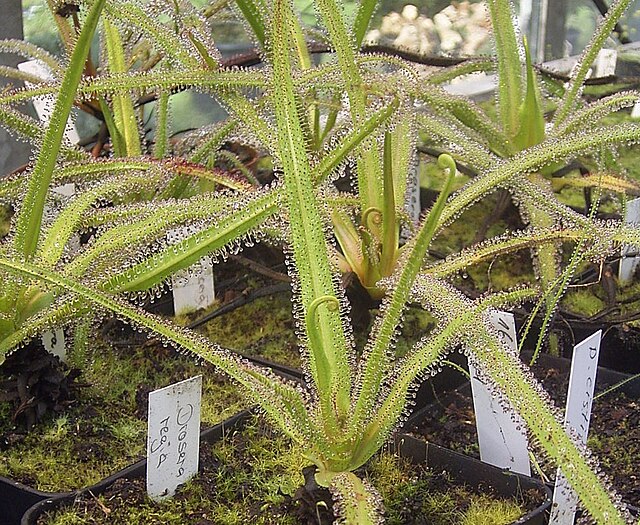
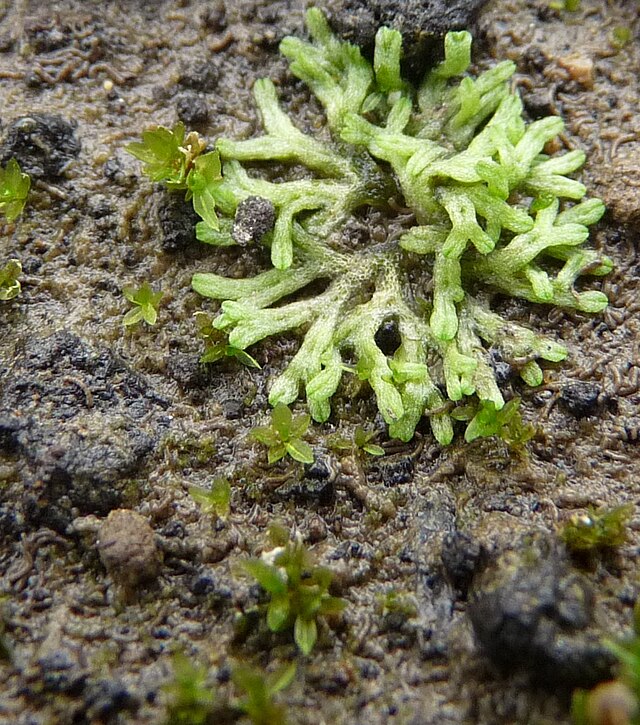
Sundew (genus Drosera, Drosera species) is a carnivorous plant that secretes sticky liquid from the tips of fine hairs on the leaf surface to capture insects. The beauty of the sticky liquid, which gleams like morning dew, is unmatched among carnivorous plants, and as the English name "Sundew" (meaning the sun's dew) indicates, it sparkles like a jewel when exposed to light. More than 200 species are distributed worldwide, ranging from easy-to-grow varieties to challenging species for advanced cultivators.
Popular Varieties and Characteristics
Sundew is an exceptionally diverse genus, but we will introduce the most popular and easy-to-grow varieties.
- Drosera capensis (D. capensis): Native to South Africa. The quintessential beginner's carnivorous plant. Robust and fast-growing; when flowering, it may shed vast quantities of seeds, sometimes producing seedlings in surrounding pots. Available in green-leaf and red-leaf forms (alba, red-leaf)
- Drosera adelae (D. adelae): Native to Queensland, Australia. Characterized by slender, elongated leaves; produces numerous offshoots from roots and grows in clusters. Hardy enough to thrive in semi-shade and well-suited to indoor cultivation
- Drosera binata (D. binata): Native to Australia and New Zealand. Features distinctive bifurcating (forked) leaves with interesting form. A large, impressive species and a hardy temperate type that tolerates cold
- Drosera spatulata (D. spatulata): A familiar species native to Japan. Small, spreading in a rosette form with delicate pink flowers. Hardy but tiny—a magnifying glass enhances the viewing experience
- Drosera aliciae (D. aliciae): Native to South Africa. Popular for its neat, rosette form and attractive habit. As hardy and easy to grow as D. capensis
- Drosera regia (D. regia): The "king of sundews," native to South Africa. A large species with leaves exceeding 30 cm in length and commanding presence. Somewhat challenging to cultivate; suited to advanced growers
Beginners cannot go wrong starting with D. capensis or D. adelae. Both are forgiving and offer the full enjoyment of carnivorous plant cultivation. As your interest grows to smaller species, be sure to read Pygmy Drosera Care and Gemmae Propagation, which multiply by gemmae in autumn.
Differences Between Temperate and Tropical Species
To successfully grow sundew, understanding whether your plant is a temperate or tropical species is essential.
- Characteristics of temperate species: Enter dormancy in winter. Some species form winter buds (hibernacula) and shed their leaves. D. binata and D. rotundifolia (common sundew) native to Japan are typical examples. Require exposure to cold temperatures in winter
- Characteristics of tropical species: Grow year-round without dormancy. Require temperatures above 15°C even in winter. D. capensis, D. adelae, and D. aliciae are typical examples. In Japan, heating may be necessary during winter months
- Subtropical species: Some occupy an intermediate position between temperate and tropical species. They undergo light dormancy but cannot tolerate freezing; verification for each variety is necessary
- Management differences: Temperate species can often be managed outdoors and left to the natural Japanese seasons. Tropical species require moving indoors during winter
- Pygmy Drosera: A group of tiny species endemic to Australia. "Summer-dormant" type that rests in summer, making it challenging to survive Japan's hot, humid summers. Possesses a unique ecology of multiplying by gemmae in autumn
If you are unsure of the variety name, check with your supplier or determine it from leaf morphology and native habitat information. Keeping temperate species indoors in warm conditions will cause them to weaken; conversely, leaving tropical species outdoors in winter will cause them to freeze.
Fundamentals of Water-Tray Management and Light
The two pillars of sundew cultivation are "water" and "light."
- Water-tray management: The recommended method for nearly all Drosera species. Maintain 1–3 cm of water constantly in a saucer. Keep the growing medium consistently moist
- Water type: Rainwater is optimal. Tap water is usable in most regions, but in areas with hard water high in minerals, consider using filtered or RO water (see Carnivorous Plant Water Management Guide for detailed guidance on water selection)
- Growing medium: A mix of peat moss and perlite (6:4 to 7:3 ratio) is standard. Live sphagnum moss is also suitable. Avoid standard potting mix
- Light: Adequate light is essential for sticky secretion production. Insufficient light will inhibit secretion and reduce feeding ability. Provide at least half a day of direct sun outdoors, or use LED grow lights indoors
- Direct sun and variety compatibility: D. capensis and D. binata prefer full direct sun. D. adelae prefers dappled shade and may develop sunburn under intense light. Adjust light according to each variety's preferences
- Indoor lighting: Plant-specific LED grow lights enable successful indoor cultivation. Aim for 12–14 hours of light per day
Abundant sticky secretion is a sign of plant health. If secretion diminishes, first suspect insufficient light, then check the roots.
Tips for Making the Sticky Secretions Shine Beautifully
Here are techniques for maintaining and enhancing the beauty of sundew's greatest attraction—its sticky secretions.
- Abundant light: Light is the primary factor in sticky secretion production. More light increases both the quantity and brilliance of the secretions
- Humidity management: Sticky secretions evaporate in dry conditions. Especially in indoor cultivation, maintain humidity above 60% around the plant. Use a humidifier or cover with a transparent container
- Wind exposure: Strong wind accelerates desiccation of the secretions. Even in outdoor cultivation, avoid locations with constant strong winds
- Temperature: Maintain each variety within its ideal temperature range. Secretion diminishes at both excessively high and low temperatures
- Fertilizer: Fertilizer is generally unnecessary, but some growers report increased secretion from foliar applications of very dilute liquid fertilizer (at least 1/10 standard strength). Use caution, as overfertilizing risks root damage
- Prey capture: Catching and absorbing nutrients from insects boosts overall plant vigor. Insects naturally visit outdoor specimens, but in indoor cultivation, you may offer dried small prey (such as freeze-dried bloodworms)
- Viewing timing: Observe in morning light for the most beautiful glow; backlighting reveals a jewel-like sparkle
Maximizing the beauty of the sticky secretions is synonymous with maximizing the plant's health.
Propagation Methods
Sundew can be multiplied through various methods, and ease of propagation is itself part of its appeal.
- Seed propagation: Most species produce abundant seed through self-pollination. Sow seed on moist peat moss and maintain water-tray conditions; germination occurs within weeks. No soil coverage necessary
- Leaf propagation: Cut healthy leaves and place on moist sphagnum moss; small plantlets emerge from the leaf base within weeks. High success rate with D. capensis and D. adelae
- Root propagation: D. adelae and D. binata naturally produce plantlets from roots. During repotting, cut roots into several-centimeter segments and insert into sphagnum moss to generate new plants
- Division: Mature plants can be divided during repotting. Ensure each division has adequate roots
- Gemmae: Pygmy Drosera form gemmae in autumn. Place these on moist growing medium, and each develops into a new plant
D. capensis is particularly prolific; seeds shed after flowering readily germinate in surrounding pots. Excess plants make welcome gifts for trading with fellow carnivorous plant enthusiasts. Detailed procedures are compiled in Drosera Propagation Methods.
Sourcing Healthy Plants from Growers
With so many Drosera species and variable cultivation conditions across varieties, obtaining plants with accurate identification and detailed growing information is the quickest path to success. On GrowerDirect, you can purchase directly from growers who specialize in Drosera cultivation and receive detailed advice on variety-specific characteristics and optimal management. Healthy plants carefully nurtured by growers arrive in beautiful condition, thick with sticky secretions. Experience the shimmering world of sundew for yourself.