Growing Pygmy Sundews and Gemma Propagation | Cultivating Miniature Sundews with Asexual Buds
Detailed guide to the characteristics of Pygmy Sundews native to Australia and propagation methods using asexual buds (gemmae). Covers timing for collection, sowing, and summer dormancy management.
Key Takeaways
Detailed guide to the characteristics of Pygmy Sundews native to Australia and propagation methods using asexual buds (gemmae). Covers timing for collection, sowing, and summer dormancy management.
Related Species
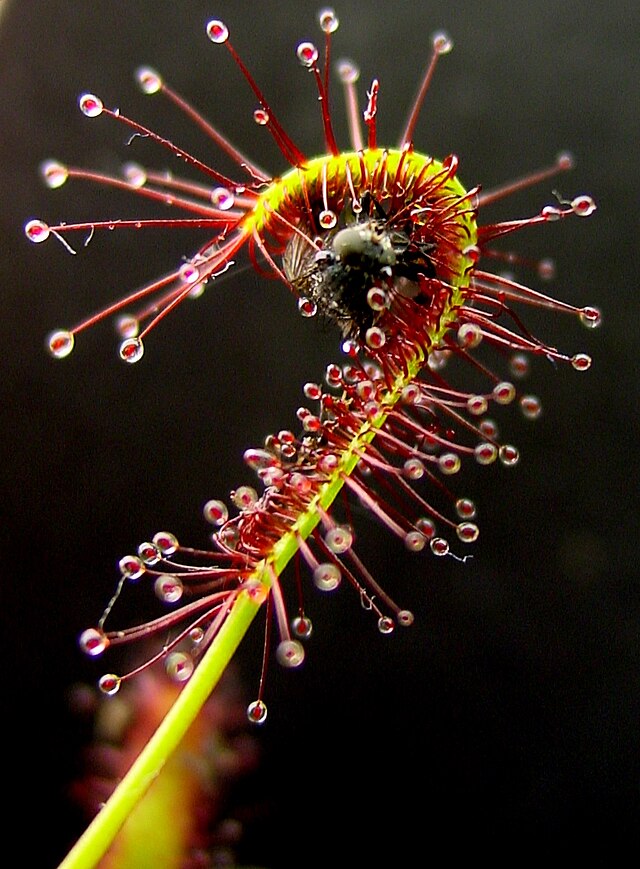
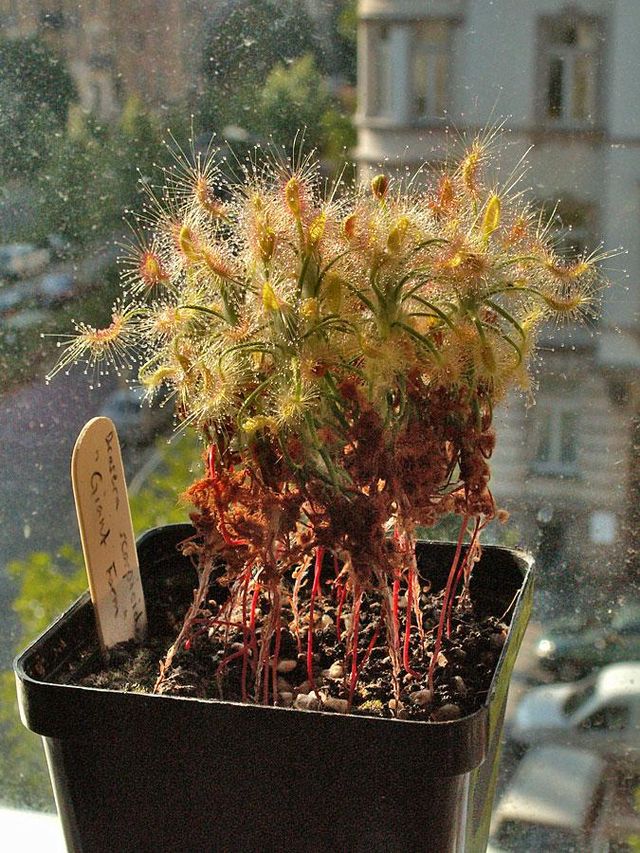
Pygmy Sundews are a particularly small group within the sundew (Drosera) family, native primarily to southwestern Australia. Unlike large, hardy, widely available species such as Drosera capensis, these delicate plants reach only a few centimeters in height, but their defining feature is the possession of asexual reproductive organs called gemmae (asexual buds). Propagation using gemmae is exceptionally engaging, making Pygmy Sundews highly popular among collectors.
Basic Characteristics of Pygmy Sundews
Representative species include the following.
- Drosera pulchella
- Drosera scorpioides (D. scorpioides)
- D. nitidula
- D. pygmaea
These plants reach only 1 to several centimeters in height. The carnivorous leaves spread in a rosette form; though small, their mucilaginous glands are well-developed and reliably trap fruit flies and small insects.
Flowers emerge in spring to early summer with elongated flower stems and display diverse colors—pink, white, yellow, and more depending on the species. Despite the plant's miniature size, the flowers are considerably larger than the parent plant, making them highly ornamental.
The native southwestern Australian habitat has a climate close to Mediterranean, with a seasonal cycle of dry summers and wet winters. Reproducing this seasonality is key to long-term cultivation of Pygmy Sundews.
Gemma Formation, Collection, and Sowing
Gemmae form in autumn to winter (October to January in Japan) at the center of the plant; they are flat asexual buds measuring 1–2 mm in diameter. Before mature gemmae scatter naturally, collect them and sow directly on the soil surface for germination. The following procedure is effective.
- Timing of collection: Gemmae are ready to harvest when they turn green and develop a firm texture. Those that have whitened or begun to shrivel show reduced germination rates. Gently gather them with a fine brush or toothpick and transfer to paper.
- Sowing and growing medium: Place gemmae evenly on the surface of moist peat moss and sand (or silica sand). Covering soil is not necessary. Maintain humidity using a sealed container or transparent lid while placing in a bright location (avoid direct sunlight).
- Period until germination: At suitable temperatures (15–22°C), root emergence and leaf development begin within 2–4 weeks. Because gemmae are extremely small, using a magnifying glass makes management easier.
- Potting on: When 3–4 true leaves have developed, pot individual plantlets. Roots are extremely fine and break easily, so transfer them by scooping soil along with the roots.
Daily Care: Growing Medium, Water Tray, and Light
Key points to remember in daily management are as follows.
| Item | Details |
|---|---|
| Growing medium | Use a 1:1 peat moss to sand mix as the standard, choosing a nutrient-free formulation |
| Pot | Use plastic pots (3–5 cm diameter is sufficient) |
| Watering | Manage with water tray method (1–2 cm of water). Soft water, rainwater, or RO water is recommended. In regions with hard tap water, prolonged use can cause root damage |
| Light | Prefer bright conditions, but direct summer sun can cause leaf burn. Outdoors, dappled shade or morning light only is ideal. Indoors, LED light cultivation is effective; 12–14 hours of daily illumination promotes active growth |
Summer Dormancy and Winter Cold Requirements
Summer heat demands careful attention during Pygmy Sundew cultivation. When temperatures consistently exceed 30°C, growth halts and leaves wither, entering dormancy. During this period, move plants to partial shade and reduce watering, maintaining soil moisture just enough to prevent complete drying of roots.
As autumn arrives and temperatures drop, growth resumes and gemmae formation begins. Exposure to temperatures around 10°C in winter promotes flowering and gemma production the following year. However, avoid freezing below 0°C.
Pests and Diseases
Pygmy Sundews are relatively resistant to pests and diseases, but the following warrant attention.
| Pest/Disease | Conditions Favoring Occurrence | Treatment |
|---|---|---|
| Mold | High temperature and humidity, particularly during sealed container management when ventilation is inadequate; white mold often appears on moss or substrate surface | Regularly open containers to improve airflow; replace affected growing medium with clean soil |
| Spider mites | Occur readily in dry conditions and reduce the effectiveness of leaf mucilaginous glands | Upon discovery, treat with diluted wood vinegar or compatible pesticides (after confirming safety for carnivorous plants) |
| Aphids | May appear on flower stems | Most are trapped by leaf mucilage |
Tips for Collection Management
Pygmy Sundews are a highly collectible group with numerous species. When maintaining multiple species, space pots far apart to prevent gemmae from mixing. By labeling pots with species names and collection dates and maintaining meticulous individual records, you can build an increasingly rich collection year after year.
With high reproductive capacity, careful management can yield dozens of gemmae from a single plant. Excess gemmae are frequently exchanged within the carnivorous plant enthusiast community, providing opportunities to acquire hard-to-find species.
If seeds are obtained after flowering, germination may occur without cold, moist stratification, but gemma propagation offers higher reliability and faster multiplication rates; thus most collectors use gemmae as their primary propagation method. After learning fundamentals with easy-to-cultivate large species such as Drosera capensis, attempting Pygmy Sundews makes it easier to meet their precise requirements—sensitivity to root drying and water quality. Gaining cultivation experience with Pygmy Sundews also serves as an excellent introduction to more challenging carnivorous plants.