Guide to Propagating Carnivorous Plants | Division, Leaf Propagation, and Seed Propagation
Explains propagation methods suited to different types of carnivorous plants. This guide covers division techniques for Venus flytraps, leaf propagation for sundews, seed sowing for pitcher plants, and other management methods to increase success rates.
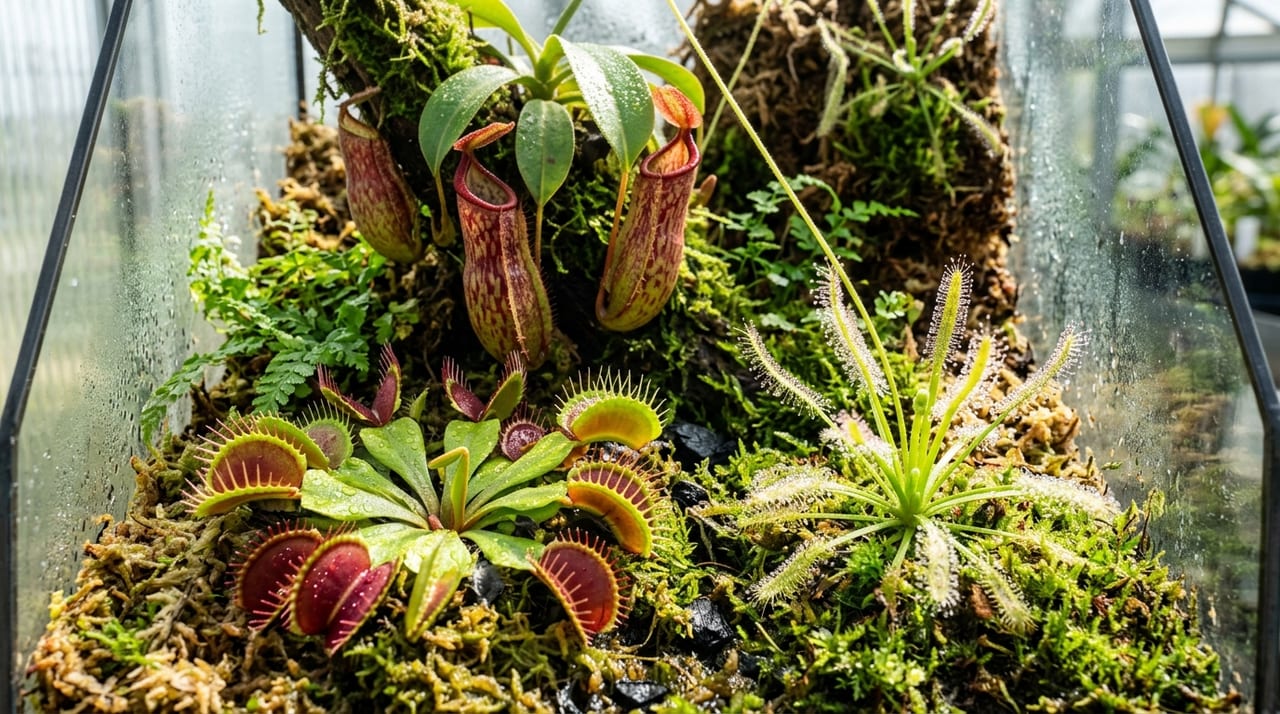
Key Takeaways
Explains propagation methods suited to different types of carnivorous plants. This guide covers division techniques for Venus flytraps, leaf propagation for sundews, seed sowing for pitcher plants, and other management methods to increase success rates.
Related Species
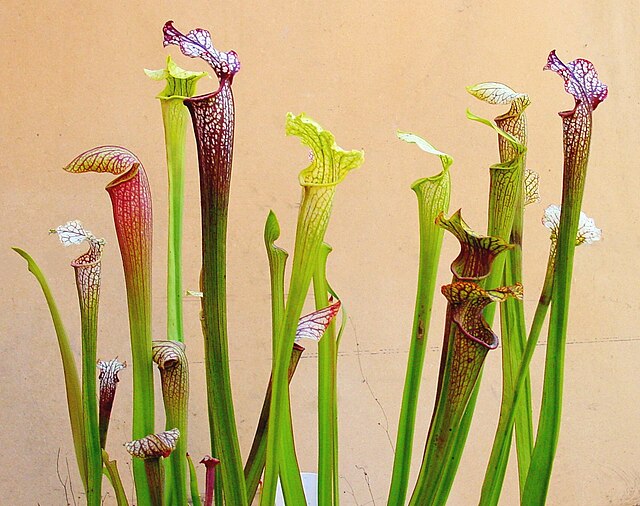
Carnivorous plants captivate with their unique trapping mechanisms and mysterious appearance. Once you're drawn to them, the desire naturally follows: "I want to propagate more" and "I'd like to try growing different species." However, propagation methods vary significantly by species, and choosing the wrong method often leads to failure.
This article provides clear explanations of division, leaf propagation, stem cutting, and seed propagation techniques for major species including Venus flytrap, pitcher plants, sundews, and tropical pitcher plants. We'll introduce methods in order from those easiest for beginners to attempt, so please use this as a reference.
Division (Offsets and Runners) | The Most Convenient Propagation Method
Division is the most successful and beginner-friendly propagation method for carnivorous plants. Simply separate the naturally occurring offsets or runners (stolons) that form around the parent plant and pot them in fresh soil—no special tools or advanced knowledge required.
Division Methods by Species
- Venus flytrap: Wait for the timing when the bulbous rhizome naturally separates. During spring repotting season (March–April), gently divide the rhizome with a knife or by hand. The key is to work slowly without damaging the roots.
- Pitcher plants (Sarracenia): Divide the rhizome when the crown becomes crowded. Vigorous large plants can be divided annually with minimal stress to the plant, and growth is often actually promoted.
- Sundew (Drosera): When offsets appear at the base of the parent plant, cut them off while retaining some roots and move them to fresh pots. Most species are highly adaptable and difficult for beginners to fail with.
Key Tips for Successful Division
Use clean, sterilized scissors or knives for cutting work. Sterilize tools before use. Allowing cut surfaces to dry thoroughly helps prevent bacterial rot. After work, water thoroughly and allow the divisions to recover in a brightly shaded location.
Leaf Propagation | Growing New Plants from a Single Leaf
Leaf propagation involves cutting a leaf from the parent plant and encouraging new shoots and roots to emerge from it. While more labor-intensive than division, the major advantage is that you can propagate many plants at once.
Leaf Propagation Methods by Species
- Sundew (Drosera): Carefully cut the leaf at the base and place it horizontally on moist sphagnum moss or peat moss. Place it in a sealed container or ziplock bag to maintain high humidity (80–90% or higher), and small shoots will emerge in several weeks.
- Butterwort (Pinguicula): Simply remove the entire leaf and place it on moist substrate. This species germinates relatively easily and is ideal as an introduction to leaf propagation.
- Venus flytrap: Leaf propagation has a somewhat lower success rate, but leaves near the bulbous base (those with white portions remaining) tend to succeed more readily. Persist in your attempts.
Tips for Creating High-Humidity Environments
The most critical factor in leaf propagation is humidity management. Use ziplock bags or sealed containers to prevent drying, and mist regularly to supply moisture. However, excessive moisture can cause leaf rot, so remember to provide a little ventilation every one to two days.
Stem Cutting | Ideal Method for Tropical Pitcher Plants (Nepenthes)
Stem cutting is effective for species with long, extending stems. It is particularly widely used for tropical pitcher plant (Nepenthes) propagation, and with practice you can expect reliable success rates.
Stem Cutting Procedure
- Cut a healthy stem tip to a length including 2–3 nodes (approximately 10–15 cm)
- Allow the cut surface to dry slightly, then insert into moist sphagnum moss or cuttings medium
- Maintain a warm, humid environment with temperatures around 30°C and humidity above 80%
- Root formation takes 4–8 weeks, so continue management patiently
Tips for Making Full Use of Long Stems
Long stems don't require you to use just the tip portion—new shoots can emerge from nodes along the middle section as well. By dividing a long stem into several segments at the nodes and propagating each separately, you can create multiple plants from a single stem. It's well worth trying.
Seed Propagation | Challenging Mass Propagation and Cultivar Development
Seed propagation (実生) means growing plants from seed. While time-consuming compared to other propagation methods, it allows for mass propagation and also enables you to create new individuals through crossing, making it popular among advanced growers.
Seed Propagation Methods for Major Species
- Venus flytrap: After flowers bloom and fruit matures, collect seeds and sow them in autumn (September–October) for germination the following spring. Fresher seeds have higher germination rates, so store collected seeds in the refrigerator and sow as soon as possible.
- Pitcher plants (Sarracenia): Most species require cold stratification. Wrap collected seeds in a moist paper towel, place in a ziplock bag, and allow them to rest in the refrigerator for 1–2 months before sowing to improve germination rates.
- Sundew (Drosera): Most species germinate relatively easily, and many varieties can be sown immediately after seed collection. Since the seeds are fine, scatter them thinly over peat moss or sphagnum moss and manage without covering.
Important Notes on Seed Propagation
When growing from seed, Venus flytrap takes 2–3 years before developing true trap-like leaves. You need the resolve to grow patiently without rushing, but when the plant you've cultivated catches its first insect, that joy is incomparable.
Important Common Points for All Propagation Methods
To propagate carnivorous plants successfully, you must remember species-specific methods while also following several basic rules.
Always Use Pure Water
Tap water contains minerals such as calcium and magnesium, and accumulation of these becomes toxic to carnivorous plants. Use distilled water, deionized water, or rainwater. Since daily supplementation is required in wicking systems, water quality has a significant long-term impact.
Never Use Fertilizer
Carnivorous plants are adapted to nutrient-poor soils, and their roots have lost the ability to absorb nutrients from fertilizer. Applying fertilizer damages roots and can cause death in severe cases. Avoid potting soils containing fertilizer, and use nutrient-free substrates such as peat moss, sphagnum moss, and perlite.
Maintain High Humidity
Most carnivorous plants are native to wetland areas. An ideal environment maintains humidity between 60–90%, and during cutting and leaf propagation in particular, use sealed containers to ensure high humidity.
GrowerDirect's Secure and Safe System
Once you develop interest in carnivorous plant propagation, obtaining high-quality parent plants is essential. On GrowerDirect's carnivorous plant category, healthy parent plants and propagation seedlings are listed by growers with extensive propagation experience.
The reason GrowerDirect is chosen is the ability to ask growers questions directly. Questions like "Which propagation method suits this plant?" or "What tips increase the success rate of leaf propagation?" can be answered by the person who cultivated the plant—an advantage that shopping at a retail store cannot offer.
Furthermore, all transactions are managed on the platform, and payments and personal information exchanges are conducted safely. Even if you're purchasing carnivorous plants for the first time, a secure environment is in place. By following a favorite grower, you can also receive new stock notifications early.
Deepening your propagation knowledge while building connections with quality growers is a shortcut to enriching your carnivorous plant life. Please explore GrowerDirect today.