Carnivorous Plant Pest & Disease Management Guide | How to Protect Insect-Eating Plants from Insects
This article explains how to manage common pests (aphids, scale insects, spider mites, etc.) and diseases that affect carnivorous plants, and introduces prevention methods and safe pesticide application techniques.
Key Takeaways
This article explains how to manage common pests (aphids, scale insects, spider mites, etc.) and diseases that affect carnivorous plants, and introduces prevention methods and safe pesticide application techniques.
Related Species
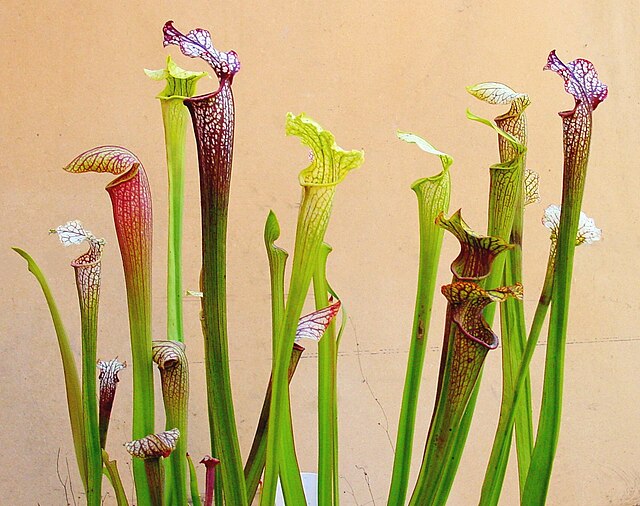
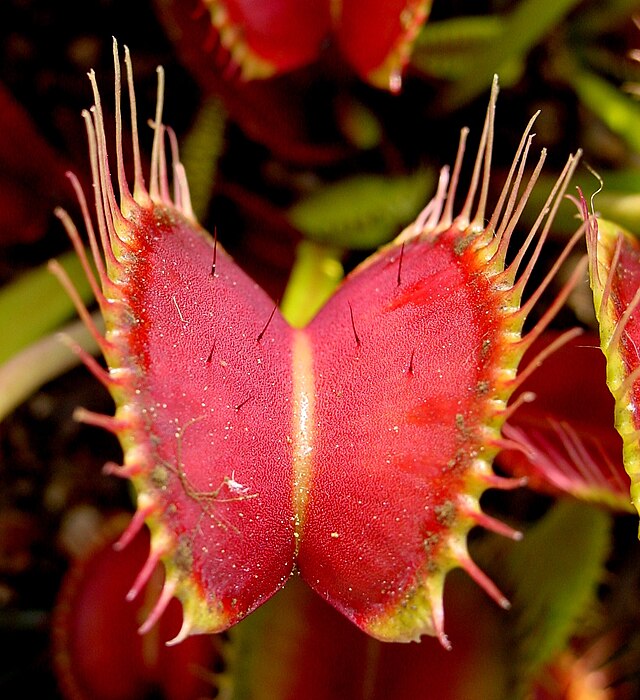
Although carnivorous plants catch insects to obtain nutrients, ironically they can suffer from pest and disease damage. Carnivorous plants primarily capture small flying insects and daphnia; pests like aphids and scale insects that harm plants are not among their prey. Proper pest and disease management is essential for growing healthy carnivorous plants. This guide details common pests and diseases, along with prevention and treatment methods.
Common Pests Affecting Carnivorous Plants and Their Characteristics
Aphids are a major threat to carnivorous plants. They congregate on flower stems and new shoots, feeding on sap and weakening the plant. They readily attack Sarracenia flower stems and Venus flytrap new leaves, and can spread throughout the plant if left unchecked. Since aphids can transmit viral diseases, early detection and prompt treatment are crucial.
Scale insects are common pests on Nepenthes and Sarracenia. These insects, protected by brown or white shells, attach to stems and leaves and continuously feed on sap. Because their shells protect them, pesticides are often ineffective; physically scrubbing them off with a toothbrush or cotton swab is the most reliable treatment method.
Spider mites thrive in dry environments and often appear on the undersides of Nepenthes leaves. They are extremely small and difficult to spot with the naked eye, but if you notice white spots (feeding marks) on leaf surfaces, suspect spider mites. Using a magnifying glass to examine the leaf undersides will reveal tiny red or black insects and fine webbing.
Slugs and snails are serious pests for outdoor carnivorous plants. They feed on Venus flytrap trap leaves and sundew leaves at night, causing significant damage in a single evening. Feeding damage appears as irregular holes.
Fungus gnat larvae hide in moist soil and can feed on carnivorous plant roots. Adults are small black flying insects that buzz around pots. This pest is common in carnivorous plant cultivation, which typically requires constantly moist conditions through bottom watering.
Pest Prevention—Environment Management as Your Best Defense
Prevention is far more important than treatment. First, always quarantine newly acquired plants for 2-3 weeks. Keep them in an isolated location away from your existing collection and confirm they are pest-free before integrating them.
Maintaining good air circulation suppresses spider mites and fungal growth. Poor ventilation creates conditions where pests breed easily and diseases spread readily. Using a fan to create gentle air flow is an effective preventive measure against both pests and diseases.
Regular observation is key to early detection. Once weekly, carefully inspect all plants, paying special attention to the tops and undersides of leaves, the base of stems, and flower stem tips—areas where pests commonly appear. Prompt action upon noticing abnormalities prevents damage from spreading.
Cleanliness of your growing area is also important. Dead leaves and spent flowers left behind become breeding grounds for pests and sources of fungal disease. Remove them regularly and periodically wash trays and saucers.
Safe Pesticide Use and Important Precautions
Care must be taken when using pesticides on carnivorous plants. Many carnivorous plants are more sensitive to pesticides than ordinary plants, and phytotoxicity can occur even at recommended concentrations. When using a new pesticide, first apply it to a small test area on one plant and observe for several days before treating the entire collection.
Acephate-based systemic insecticides are effective against aphids. However, they often cause damage to Venus flytraps, so physical removal with sticky tape or forceful water spraying is safer. If aphids attach to sundew's sticky tentacles, remove them one by one with tweezers.
Spider mites require specialized mite-specific miticides. Regular insecticides are ineffective against spider mites, so be careful not to use them. Since spider mites have rapid life cycles and easily develop resistance, rotating between different classes of miticides is recommended. Raising humidity to create conditions spider mites dislike is also an effective preventive measure.
Slug and snail baits containing iron phosphate as the active ingredient are safe. Metaldehyde-based baits are toxic to pets, so careful attention to usage environment is needed. Beer traps (small dishes filled with beer) are also effective but have the drawback of attracting other insects.
Common Diseases Affecting Carnivorous Plants and Their Management
Gray mold (Botrytis) occurs in high-humidity, poorly ventilated environments. Gray fungal growth appears on leaves and traps, and advanced infections cause tissue rot. Upon discovery, immediately remove affected parts and apply fungicide. Ensuring good air circulation is the most effective preventive measure.
Root rot is the most common disease in carnivorous plants. Roots decay when soil becomes constantly oversaturated during bottom watering or when water temperature rises too high during warm periods. Early symptoms of root rot include wilting leaves despite regular watering. Check the roots; if they are black and soft, remove all rotted roots and repot in fresh soil.
Viral diseases are often transmitted by aphids and other pests; infected plants develop mosaic patterns and leaf deformities. Unfortunately, there is no effective treatment for viral diseases, and infected plants should be disposed of to prevent spread to other plants. Always disinfect any tools used.
Natural Pest Control and Companion Plants
Non-chemical pest control methods are also effective. Soap spray (dish soap diluted 1:1000 with water) can be sprayed on aphids. The surfactant action of soap dissolves the waxy coating on aphids' bodies, causing dehydration and death. However, soap spray can also cause phytotoxicity to carnivorous plants, so always test first.
Employing beneficial insects is another approach. Ladybugs are natural aphid predators and naturally suppress aphid populations in outdoor cultivation. Spiders are also allies that feed on pests. Rather than removing spider webs from your carnivorous plant growing area, leaving them is beneficial for pest control.
List of Pesticides Safe for Carnivorous Plants
Some carnivorous plant species are sensitive to pesticides, so careful use is required.
| Pesticide | Target Pests | Safe to Use | Notes |
|---|---|---|---|
| Ortran Granules | Aphids and others (registered for ornamental flowers and foliage plants; scale insects are not included) | ✓ (Caution) | Phytotoxicity in some species; start with small amounts |
| Malathion Emulsion | Aphids, Spider Mites | ✓ | Relatively safe to use |
| Benika X Spray | Wide range of pests | ✓ (Caution) | Can damage Nepenthes pitchers |
| Sticky Traps | Fungus Gnats, Aphids | ✓ | Physical control; safe |
Source: MAFF Pesticide Registration Database (GF Ortran Granules)
Before using any pesticide, try physical removal methods first (picking off with tweezers, rinsing with water, etc.).
Get Healthy Carnivorous Plants from GrowerDirect
At GrowerDirect, you can purchase healthy, pest and disease-free carnivorous plants directly from specialist growers. Acquiring plants in good condition minimizes future problems. The strength of direct sales is that you can consult with growers if pests or disease issues arise during cultivation. Obtain healthy carnivorous plants from GrowerDirect and enjoy trouble-free growing.