Carnivorous Plant Photography Guide — Capturing Dew & Trapping Moments
Carnivorous plant photography: lighting for dew drops, macro techniques, capturing prey interactions, and background processing.
Key Takeaways
Carnivorous plant photography: lighting for dew drops, macro techniques, capturing prey interactions, and background processing.
Related Species
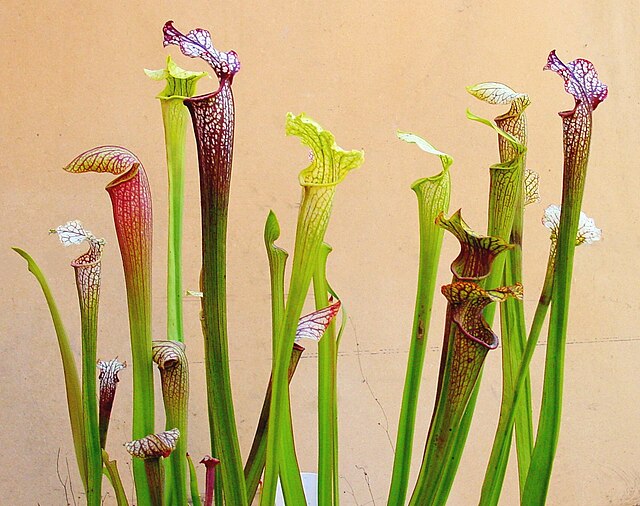
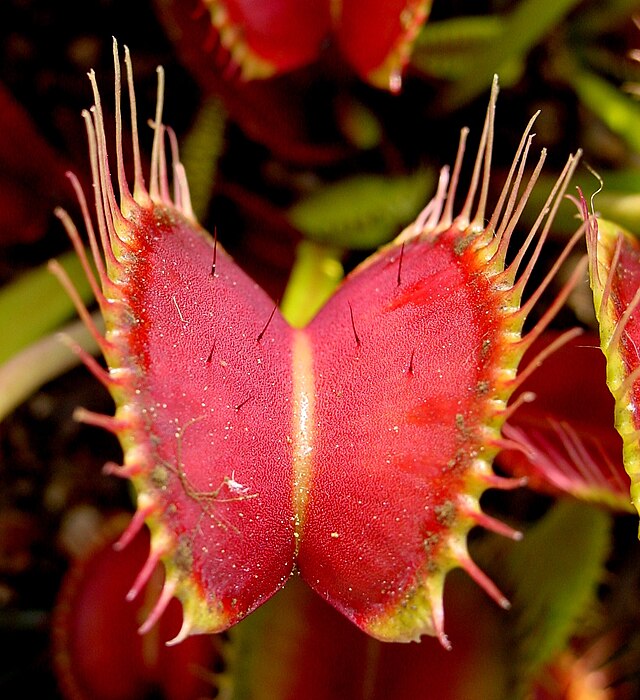
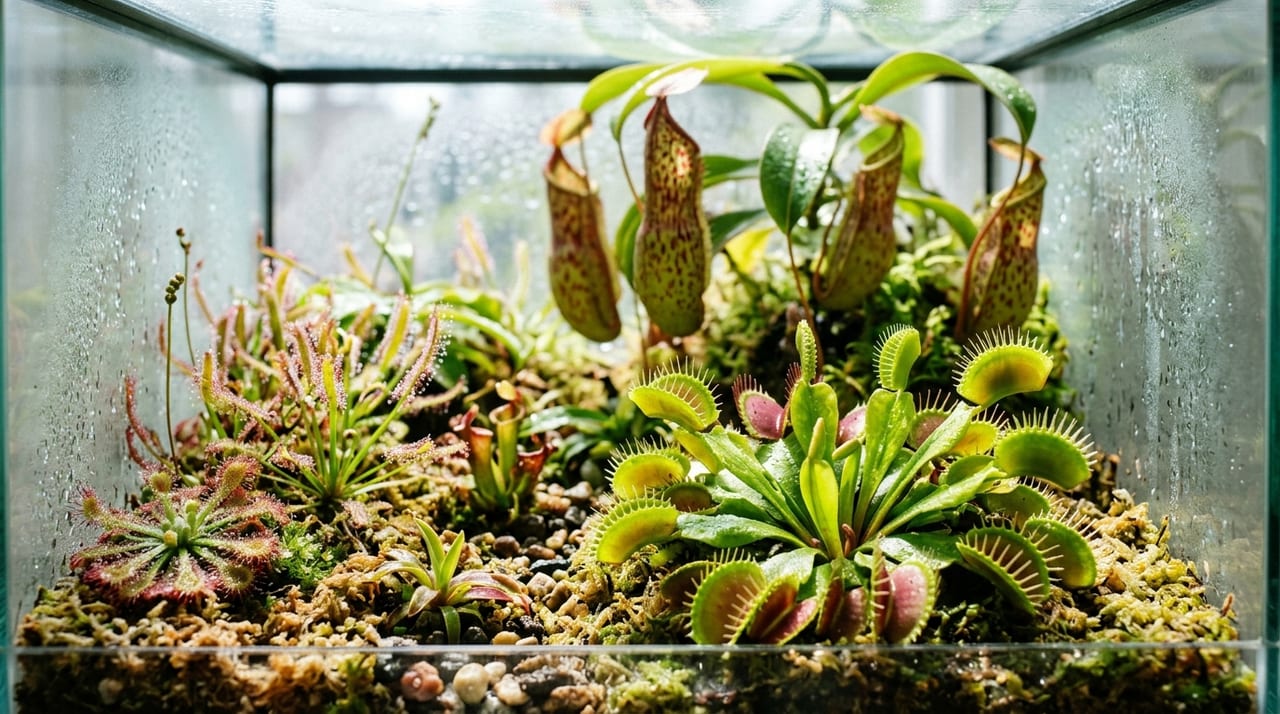
Carnivorous plants are exceptionally appealing photographic subjects thanks to their unique forms and ecological behaviors. The moment sundew mucilage glistens in morning sunlight, the split-second a Venus flytrap captures prey, the exotic beauty of Nepenthes pitchers -- capturing these in photographs reveals details of carnivorous plant beauty invisible to the naked eye. This guide provides detailed photographic techniques.
Essential Equipment
Carnivorous plant photography centers on macro photography, which captures small subjects at large magnification.
- Camera body: A DSLR or mirrorless camera is optimal, but smartphones can also produce beautiful photos. For smartphones, adding a macro lens attachment is recommended
- Macro lens: The essential tool. A 60-105 mm macro lens is most versatile. 1:1 (life-size) magnification or higher lets you capture individual mucilage droplets
- Tripod: In macro photography, even slight movement dramatically affects image quality. A tabletop or lightweight travel tripod provides stable shooting
- Reflector: White paper or foam board works as a substitute. Reflects light into shadowed areas to brighten the subject
- LED light: Useful when natural light is insufficient or when you want precise control over light direction
- Misting bottle: If sundew mucilage has dried, fine mist revives it. Can also be used to add water droplets for artistic effect
Lighting Techniques for Capturing Mucilage Brilliance
Light direction and quality are absolutely critical for beautifully photographing sundew mucilage.
- Backlighting: The most effective angle for mucilage beauty. Lighting from behind the subject makes each droplet sparkle like a jewel. In natural light, the low angles of sunrise and sunset are ideal
- Side-backlighting: Light from diagonally behind also brings out mucilage sparkle while adding three-dimensionality to the subject
- Avoid front-lighting: Direct front light fails to convey mucilage transparency and produces flat images
- Morning is best: Early morning offers the highest mucilage volume and clearest air. The 1-2 hours after sunrise are the golden window
Macro Photography Basics
- Depth of field management: In macro photography, depth of field becomes extremely shallow. Stopping down to f/8-f/16 helps achieve focus across the entire subject
- Focus technique: Autofocus often misses the target in macro work. Switch to manual focus and move the camera body forward and backward to find focus
- Shake prevention: Aim for shutter speeds of 1/125 second or faster. With a tripod, use a remote shutter or self-timer
- Focus stacking: Shoot multiple frames at different focus points and composite them later for sharp focus across the entire subject
Capturing Trapping Action
- Venus flytrap trapping: Closure speed is 0.1-0.3 seconds. Video recording with frame extraction is the most practical approach. 4K video yields approximately 8-megapixel stills
- Sundew curl: Sundew tentacles slowly enveloping trapped prey over several hours is best documented via time-lapse photography
- Ethical considerations: Avoid forcing prey onto plants for photography purposes. Aim to photograph natural feeding events
On Botachoku, you can find photogenic carnivorous plants from specialized growers. Specimens raised with care by growers are in top condition, making them ideal photographic subjects.