How to Create a Carnivorous Plant Terrarium | Cultivation Environment for Nepenthes and Sarracenia
A detailed guide to carnivorous plant terrarium cultivation. Introduces proper container, soil, humidity, and lighting setup methods for Nepenthes, Sarracenia, and Venus Flytraps.
Key Takeaways
A detailed guide to carnivorous plant terrarium cultivation. Introduces proper container, soil, humidity, and lighting setup methods for Nepenthes, Sarracenia, and Venus Flytraps.
Related Species
What is a Carnivorous Plant Terrarium? Its Appeal and Basic Knowledge
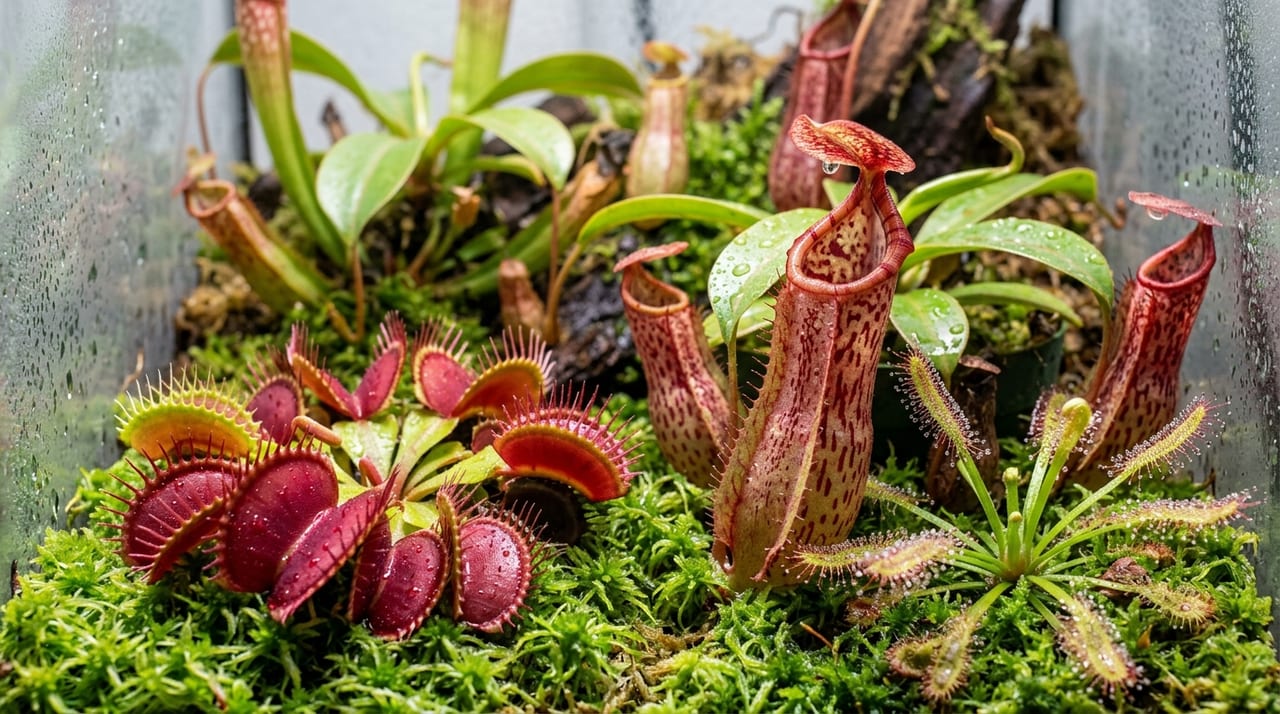
The greatest appeal of cultivating carnivorous plants in a terrarium is the ability to faithfully recreate the natural environment of tropical rainforests and wetlands indoors. For species such as Nepenthes and Cephalotus that prefer high humidity, a terrarium can provide far more ideal growing conditions than outdoor or typical indoor environments.
However, carnivorous plants vary greatly in their environmental requirements depending on the species. Understanding which species are suitable for terrariums and which are not is the first step toward long-term cultivation success. Let's first check the suitability of major species.
Main Species Suitable for Terrariums
High Compatibility Species - Nepenthes (Lowland species): Because they prefer high temperature and humidity, they are highly compatible with sealed to semi-sealed terrariums. Widely available species such as N. alata and N. maxima are recommended even for beginners - Cephalotus: Small and well-suited to high humidity environments, making terrarium cultivation relatively stable - Drosera (Tropical species): Many compact species are available, and creating layouts in combination with other plants is also enjoyable - Pinguicula: Many species can adapt to varying moisture levels, offering broad management flexibility
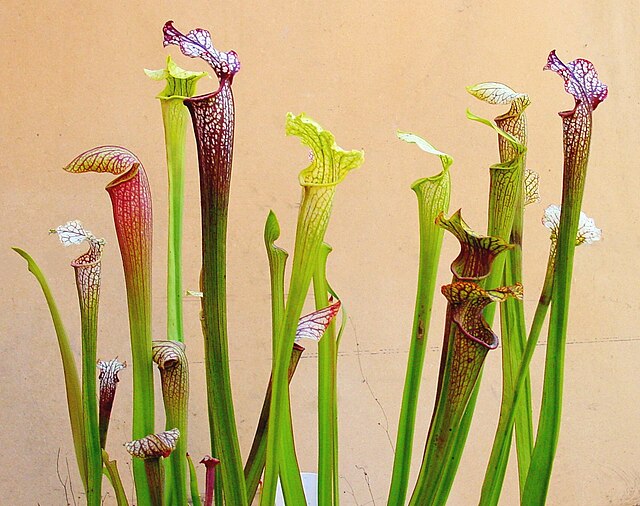
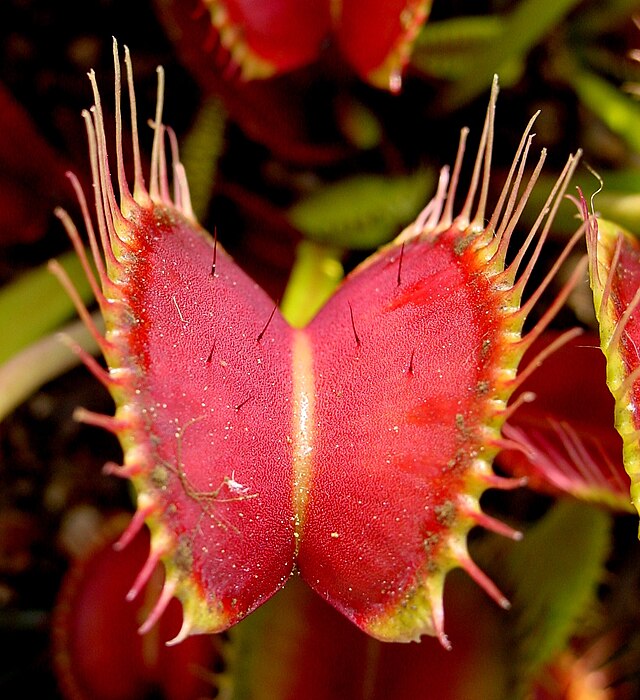
Species That Can Be Accommodated with Conditions - Venus Flytrap: Because winter dormancy is necessary, year-round management within a terrarium is difficult. Recommended only if you can provide separate cold treatment during the dormancy period - Sarracenia: As they grow large, a terrarium with sufficient volume is needed. Some species prefer relatively drier conditions, making container selection important
---
How to Choose a Terrarium Container
Container selection is fundamental to terrarium cultivation. Not only aesthetics matter—airflow, size, and shape directly affect plant health.
Types and Characteristics of Containers
Reptile Terrarium Cases (Most Recommended) These are easy to manage with a front door, and most have ventilation holes on the sides and top. For a single Nepenthes specimen as the centerpiece, choose a size of at least 30cm × 30cm × 45cm. The larger the volume, the more stable temperature and humidity remain.
Glass Aquarium Tanks These are inexpensive and easy to obtain, but since they lack ventilation holes, you must ensure airflow by replacing part of the lid with mesh or similar. Choosing a tall vertical configuration over a horizontal one makes it easier for Nepenthes pitchers to develop.
Glass Jars and Bottle Terrariums Small Drosera and Pinguicula species can be cultivated in wide-mouthed glass jars. However, airflow management is challenging and mold tends to develop, making them suitable for advanced cultivators.
Size Selection Guidelines
| Plant | Minimum Recommended Size |
|---|---|
| Nepenthes (Small to Medium) | 30×30×45cm or larger |
| Cephalotus | 20×20×30cm or larger |
| Drosera and Pinguicula | 15×15×20cm or larger |
| Sarracenia | 45×45×60cm or larger |
---
Substrate and Layout Basics
Carnivorous plants dislike standard potting soils. Fertilized potting mixes and leaf mold damage roots, so never use them.
Recommended Substrates
- Sphagnum moss: The most popular substrate. It offers excellent balance between water retention and aeration, suitable for most carnivorous plants
- Peat moss + Perlite (7:3): For a sleeker, more compact look. This ratio suits acid-loving carnivorous plants
- Sand or Kanuma soil (small blend): Used partially for species like Sarracenia that prioritize drainage
Never use: Leaf mold, potting soil, fertilized soil, or lime-containing materials. These cause root rot and plant death.
Layout Steps
- Layer 2-3cm of pebbles at the bottom: This creates a drainage layer that prevents root rot
- Place a separator net (pot bottom mesh): This prevents substrate from falling through to the drainage layer
- Add 5-10cm of sphagnum moss or peat moss blend: Ensure sufficient depth for root development
- Add driftwood, rocks, or cork bark as accents: These not only provide attachment surfaces for plants but also create zones with varying humidity levels
- Position plants: Placing shorter species in front and taller species in back creates depth and makes management easier
---
Managing Humidity, Ventilation, and Watering
Appropriate Humidity Levels
The ideal humidity for a carnivorous plant terrarium is 60-80%. Complete sealing raises humidity near 100%, promoting mold and decay, so caution is needed.
- Terrarium cases with ventilation holes naturally maintain proper humidity
- For glass tanks, don't seal completely; leave a gap of a few centimeters or ventilate at least once daily
- In dry winter conditions, you can install a small humidifier designed for terrariums inside the container
Watering Tips
Use distilled water, rainwater, or RO water for carnivorous plants. Chlorine and calcium in tap water damage roots over time.
- Tray watering (constantly keeping water in a saucer beneath the container) works well for most species, keeping sphagnum moss consistently moist
- Misting the walls and leaves inside the terrarium also provides moisture to the pitchers
- Avoid excess moisture, and water when the sphagnum surface feels slightly dry
---
Choosing Lighting and Light Management
Using Plant Growth LEDs
Indoor terrariums often lack sufficient natural light, making plant growth LEDs essential. Recommended conditions are as follows:
- Full-spectrum LED (balancing blue to red wavelengths)
- Distance: Adjust to 10-30cm above the terrarium top
- Duration: Keep on 10-12 hours daily using a timer. Irregular light disrupts growth
LEDs produce less heat than fluorescent lights, preventing excessive temperature rise. If using fluorescents, maintain adequate distance to prevent heat buildup.
Seasonal Adjustments
Placing in direct summer sun by a window can cause overheating. Lowland Nepenthes prefer 25-30°C; above 35°C they weaken. Use air conditioning and shade cloth during summer if placing near windows.
---
Summary | Enjoying Carnivorous Plant Terrariums Long-Term
Carnivorous plant terrarium cultivation is a rewarding hobby that provides stable, long-term enjoyment once the environment is established. Key points to remember:
- Reptile terrarium cases with ventilation are best. Larger sizes provide more stable conditions
- Use sphagnum moss or peat moss + perlite. Never use fertilized soil
- Maintain 60-80% humidity with balanced ventilation and watering
- Run full-spectrum LEDs 10-12 hours daily for consistent lighting
- Avoid tap water; use distilled, rainwater, or RO water
Your first terrarium may have setbacks, but success comes from observing plant responses and gradually adjusting conditions. Starting with healthy specimens is the quickest path to long-term success.
At Botachoku, you can purchase carnivorous plants such as Nepenthes, Cephalotus, and Drosera suited for terrarium cultivation directly from trusted growers. By obtaining healthy specimens cultivated by producers themselves, you can start your terrarium with confidence. Please explore the carnivorous plant category to find the perfect specimen for your terrarium.