Nepenthes Upper and Lower Pitchers: How Two Pitcher Forms Develop and How to Encourage Pitcher Production
Why do Nepenthes lower pitchers and upper pitchers have different shapes? We explain the relationship with growth stages and humidity and temperature management to encourage pitcher production.
Key Takeaways
Why do Nepenthes lower pitchers and upper pitchers have different shapes? We explain the relationship with growth stages and humidity and temperature management to encourage pitcher production.
Related Species
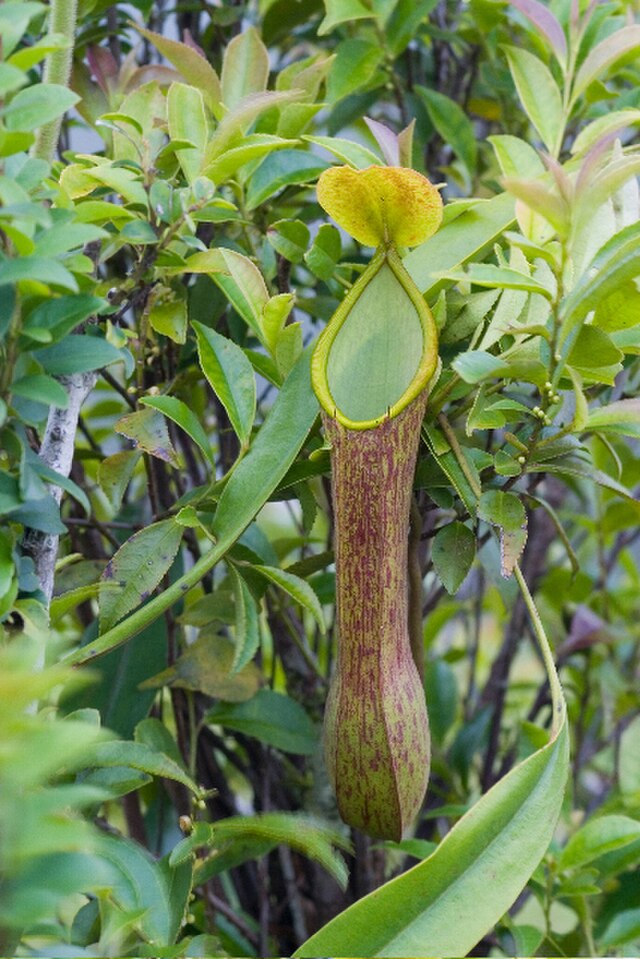
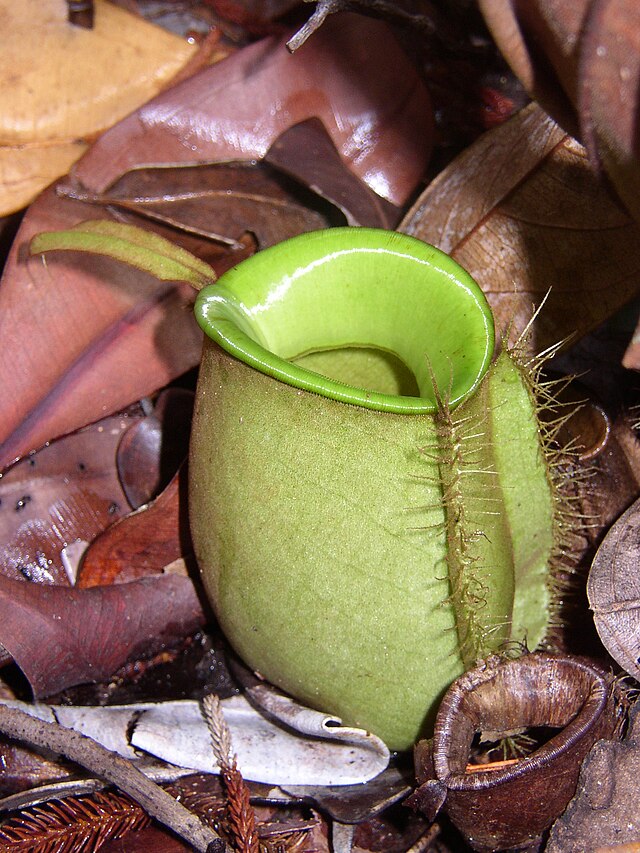
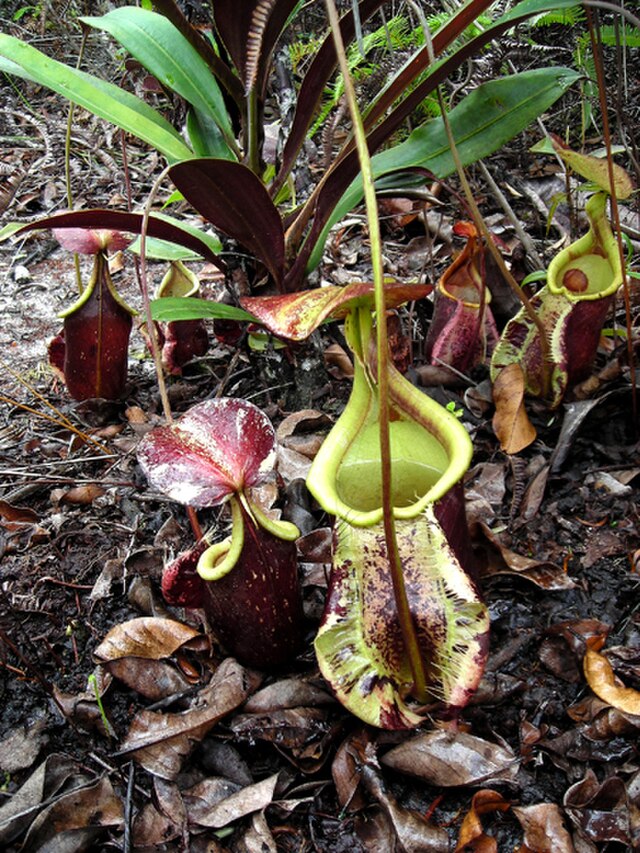
Nepenthes Pitcher Traps Have Two Forms
Nepenthes (commonly known as pitcher plants) are carnivorous plants distributed mainly throughout Southeast Asia that trap insects using pitcher-shaped traps at the tips of their leaves. In many species, these pitcher traps are known to have two different forms: "lower pitchers" and "upper pitchers."
| Item | Lower Pitcher | Upper Pitcher |
|---|---|---|
| When/Where They Form | Formed near the ground surface when the plant is still young and vines have not yet extended far | Formed as the plant matures and vines climb upward while entwining around trees and other supports |
| Shape | Compact, rounded form overall | Slender, funnel-shaped form |
| Wings (Fringe) | Often develops around the pitcher opening | Tends to be reduced or diminished |
Even in the same plant and species, the pitcher shapes can look completely different, so beginners sometimes mistake them for different species. When selecting plants at garden centers or online, being aware of whether the pictured pitcher is a lower or upper pitcher makes it easier to imagine what the plant will look like after growth. In the early stages of cultivation, you may feel frustrated as only lower pitchers continue to appear, but this is a normal growth process. Patiently cultivating the plant is the best path to eventually seeing upper pitchers.
Why Lower and Upper Pitchers Are Differentiated
This dimorphism is thought to correspond to differences in the types and behavior patterns of insects that inhabit areas near the ground versus near the tree canopy. Lower pitchers near the ground surface have evolved into a form that efficiently attracts ground-dwelling insects such as ants, while upper pitchers in the canopy have adapted to a form that easily attracts flying insects. What is important from a cultivation standpoint is that this transition is linked to the plant's maturity level. Young plants grown from seed or cuttings initially produce only lower pitchers, but as stems elongate into a vine-like form and climb upward by entwining around trees and other supports, upper pitchers gradually become dominant. If you wish to see upper pitchers under cultivation, using stakes or trellises to guide the plant in three dimensions and actively encouraging vine growth is a shortcut to this goal. Some plants produce pitchers with intermediate forms between lower and upper types, and observing these changes during the transition period is one of the pleasures of Nepenthes cultivation. Conversely, if you cut back the vines short to rejuvenate the plant, it may once again produce primarily lower pitchers. The fact that you can control the appearance of the pitchers to some degree through how you train the plant is part of what makes Nepenthes cultivation so rewarding.
Management Conditions for Encouraging Pitcher Production
To get Nepenthes to produce pitchers reliably, it is important to maintain three conditions: humidity, temperature, and light.
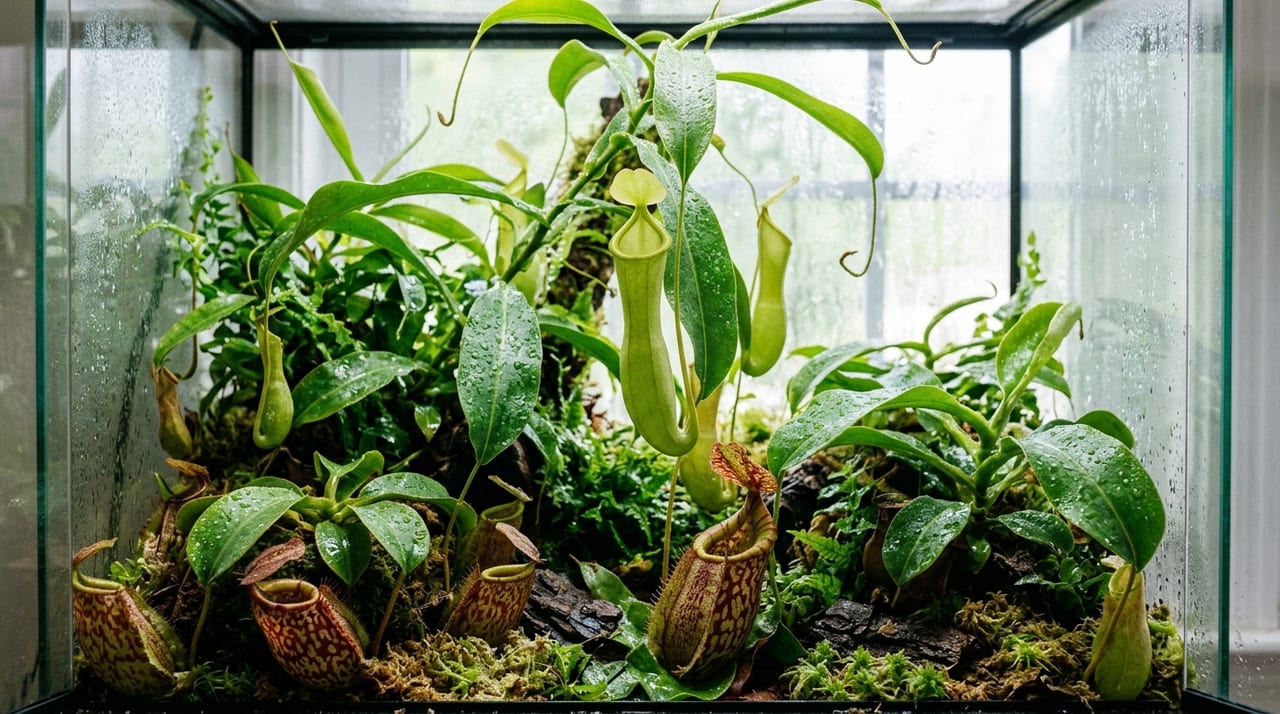
- Humidity: In dry environments where ambient humidity falls below 70%, pitchers often fail to form on the vine tips and dry out. Maintaining high humidity using a terrarium, greenhouse, or cultivation space with a humidifier is essential for consistent pitcher production.
- Light: Lighting requirements vary from bright dappled shade through sheer curtains to brighter conditions depending on species, but insufficient light tends to result in excessive foliage growth and poor pitcher formation.
- Temperature: Preferred temperature ranges vary by species, and understanding these differences is key to successful cultivation.
- Watering: Water generously before the soil surface dries out, and supplement humidity with bottom watering and foliar misting to reduce problems with pitchers drying out.
- Growing Medium: Sphagnum moss or bark that balances drainage and water retention is typically used.
Temperature Differences Between Highland and Lowland Species
Nepenthes are broadly divided into highland and lowland species based on their natural elevation range. Highland species that grow in high-altitude mountains are adapted to environments where daytime temperatures are warm but nighttime temperatures drop significantly, and in cultivation they prefer cool conditions with lower nighttime temperatures. On Japan's plains where high summer temperatures persist, nighttime temperatures remain high, so highland species management may require measures such as air circulation and heat reduction. Conversely, lowland species that grow in low-altitude wetlands prefer warm, humid conditions year-round and require careful management during cold winters. When cultivating these plants, knowing in advance whether the plant you purchase is closer to the highland or lowland type, and adjusting the location and seasonal care accordingly, is key to maintaining a plant with good pitcher production for many years. Among species listed in plant guides, Nepenthes alata, known for being hardy and easy to cultivate, and Nepenthes ampullaria, known for producing many distinctive compact lower pitchers, are approachable examples for learning the characteristics of highland and lowland types respectively. Similarly, species such as Nepenthes rafflesiana, known for producing large upper pitchers, teach the pleasure of observing the dynamic upper pitcher forms that mature plants display. Recording how the plant's appearance changes based on cultivation conditions and training methods provides a useful reference for comparing growth differences between individual plants.
Summary
The two pitcher forms of Nepenthes—lower and upper pitchers—are the result of evolution in response to the plant's growth stage and its native habitat environment. Carefully maintaining humidity, light, and temperature while observing the transformation from the rounded lower pitchers of young plants to the slender upper pitchers of mature, climbing plants is one of the great pleasures of Nepenthes cultivation. Both the rounded lower pitchers and the slender upper pitchers have their own distinct appeal, and which form you choose to prioritize affects which species you select and how you train the plant. Begin by viewing plant profiles in the online catalog and find a species suited to your cultivation environment. If you have any questions, please contact us using the inquiry form.