Venus Flytrap Winter Dormancy Management Guide
Explains the importance of Venus flytrap winter dormancy, management methods, temperature and watering adjustments, light requirements, and the risks of skipping dormancy.
Key Takeaways
Explains the importance of Venus flytrap winter dormancy, management methods, temperature and watering adjustments, light requirements, and the risks of skipping dormancy.
Related Species
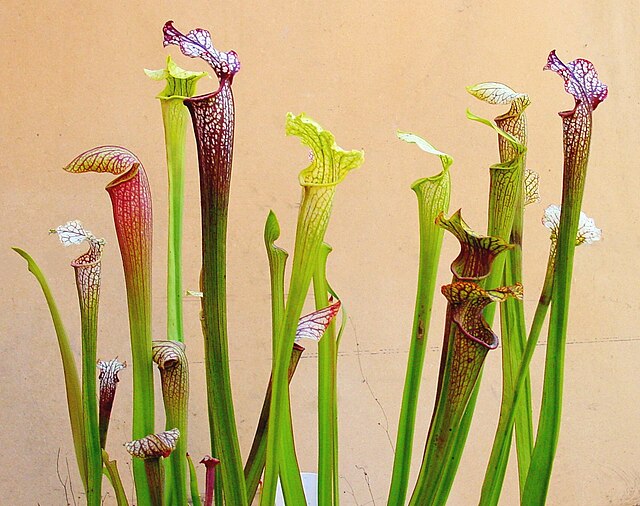
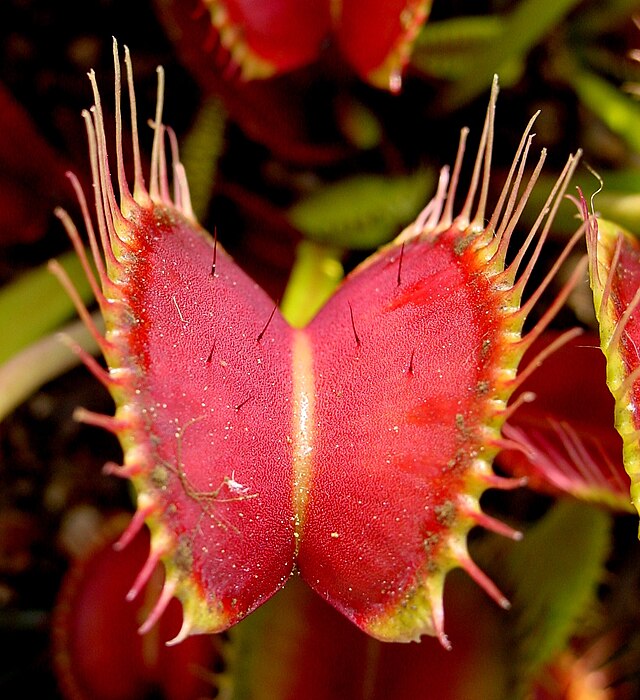
Venus Flytraps (Dionaea muscipula) are the most popular carnivorous plant variety, but to keep them healthy and thriving for years, proper management of their winter dormancy is essential. Skipping dormancy causes the plant to weaken and can lead to death within a few years.
Why Dormancy is Necessary
Venus Flytraps are native to the wetlands of North Carolina and South Carolina in the USA. Their natural habitat has distinct four seasons, with winters featuring low temperatures and frost. This winter cold period serves as a physiological reset for Venus Flytraps.
Roles of Dormancy - Repairs and regenerates cells - Stores energy for vigorous growth in the coming spring - Regulates hormone balance for flowering - Promotes root system development
What Happens Without Dormancy
If kept in warm conditions year-round, the plant may appear healthy for the first 1-2 years, but it gradually weakens. Trap leaves become smaller, growth slows, and the plant often eventually dies.
Dormancy Management Methods
Timing
Dormancy runs from November to around March. Transition to dormancy management when temperatures drop below 10°C.
Temperature
Ideally, maintain temperatures between 0-10°C for 3-4 months. Outdoor management is most natural, but if freezing is a concern, you can use these alternatives:
- Manage outdoors under an eave (cover with frost cloth)
- Place in an unheated entryway or hallway
- Store in a refrigerator vegetable drawer (advanced method)
Watering
Continue bottom watering during dormancy, but keep water levels lower than during the growing season. Maintain soil moisture so it doesn't completely dry out. Avoid complete cessation of water, as roots continue absorbing moisture even in winter.
Light
Natural light is sufficient for outdoor management. Even when managing indoors or in a refrigerator, exposing the plant to sunlight 1-2 times per week is beneficial. However, light requirements are low during dormancy, so complete darkness for short periods is fine.
Visible Changes
When dormancy begins, above-ground leaves wither and shrink. This is normal—the underground rhizome remains alive. Remove dead leaves to prevent rot. Small rosette-shaped winter buds may persist.
Refrigerator Management Method
Here are steps for refrigerator management if outdoor storage is not feasible.
1. Preparation
Around November, place the potted plant with moist sphagnum moss in a ziplock bag. Make small air holes in the bag.
2. Management
Store in a refrigerator vegetable drawer (3-7°C) for 3-4 months. Check the moss moisture 1-2 times per month and mist if needed. Monitor for mold growth.
3. Awakening
Remove from the refrigerator in late February to March and gradually acclimate to sunlight starting in outdoor shade. Avoid sudden exposure to direct sun, which can scorch leaves.
Awakening from Dormancy
Signs of Awakening
When temperatures exceed 15°C, small new leaves begin emerging from the center. This signals the end of dormancy.
Post-Awakening Care
- Return bottom water levels to normal
- Ensure adequate light (4+ hours of direct sunlight)
- Do not fertilize; let the plant obtain nutrients by catching insects with its traps (fertilizing the roots kills them)
Variety Differences
Venus Flytraps have many cultivated varieties, but dormancy is necessary for all of them. Both red varieties (like Red Dragon) and green varieties require the same dormancy management.
Frequently Asked Questions
Q: It's difficult to manage outdoors in an apartment. What should I do? Placing the plant on a shaded north-facing balcony is sufficient. Cover with frost cloth to prevent frost damage. Refrigerator management is also an effective alternative.
Q: Can the plant tolerate freezing? Light frost (around -3°C) is tolerable, but prolonged freezing damages roots. Avoid conditions where the entire pot freezes.
Common Questions About Dormancy
Q: Is it normal for leaves to die during dormancy? Yes, it's normal. Many carnivorous plants have their above-ground parts die back during dormancy. Venus Flytraps specifically have old leaves turn black in winter, but new shoots will emerge in spring if the bulb at the base remains alive.
Q: What happens if you don't provide dormancy? Temperate carnivorous plants like Venus Flytraps and Sarracenia require winter cold dormancy. Without it, growth weakens the following year and the plant may deteriorate and die within a few years.
Q: How do you water during dormancy? Don't let it completely dry out, but keep bottom water levels low. Maintain soil moisture at just barely damp.
Q: Can you repot during dormancy? Late dormancy around February is an ideal repotting time. Repotting just before new growth emerges minimizes damage to the plant.
Annual Dormancy Management Schedule
| Month | Venus Flytrap | Sarracenia | Temporary Species |
|---|---|---|---|
| October | Gradually acclimate to cold | Growth slows | Begin dormancy prep |
| November | Manage outdoors or in unheated space | Remove dead leaves | Reduce watering |
| Dec-Jan | Dormancy at 0-10°C | Dormancy at 0-10°C | Varies by species |
| February | Ideal repotting time | Ideal repotting time | Beginning to wake |
| March | Confirm new growth | New pitcher development | Return to normal care |
Environmental Checklist for Healthy Carnivorous Plant Growth
To prevent cultivation failures, regular environmental checks are essential. Make it a habit to check these items at least once a week.
- [ ] Is light adequate (4+ hours of direct sunlight daily or equivalent LED light)
- [ ] Is soil moisture adequate (check bottom water level)
- [ ] Is water quality appropriate (using rainwater or distilled water)
- [ ] Are there no pests (aphids, scale insects, spider mites)
- [ ] Is there no mold or fungal growth
- [ ] Are dead leaves being removed
- [ ] Is seasonal care being provided appropriately
Common Mistakes and Solutions
Mistake 1: Continuously using tap water Chlorine and minerals in tap water damage carnivorous plant roots. Collect and use rainwater or purchase distilled water. Simply letting water sit doesn't remove minerals.
Mistake 2: Applying fertilizer Never use standard fertilizer on carnivorous plants. It damages roots and causes death. Plants obtain nutrients from captured insects, which happens naturally with outdoor management.
Mistake 3: Insufficient light Many carnivorous plants require strong light. Indoor windowsills often have insufficient light, so consider LED lighting. Venus Flytraps and Sarracenia especially weaken dramatically with insufficient light.
Find Healthy Venus Flytraps on Botachoku
On Botachoku, you can purchase Venus Flytraps directly from specialist carnivorous plant growers who care for them meticulously. The appeal is being able to get information directly from growers on how to enjoy your plant long-term, including advice on dormancy management.