Complete Guide to Venus Flytrap Dormancy Management | How to Safely Get Through Winter Dormancy
Explains winter dormancy management for the Venus flytrap (Dionaea muscipula). Covers the necessity of dormancy, how to identify the dormancy period, management methods for temperature, watering, and light, and care after dormancy ends.
Key Takeaways
Explains winter dormancy management for the Venus flytrap (Dionaea muscipula). Covers the necessity of dormancy, how to identify the dormancy period, management methods for temperature, watering, and light, and care after dormancy ends.
Related Species
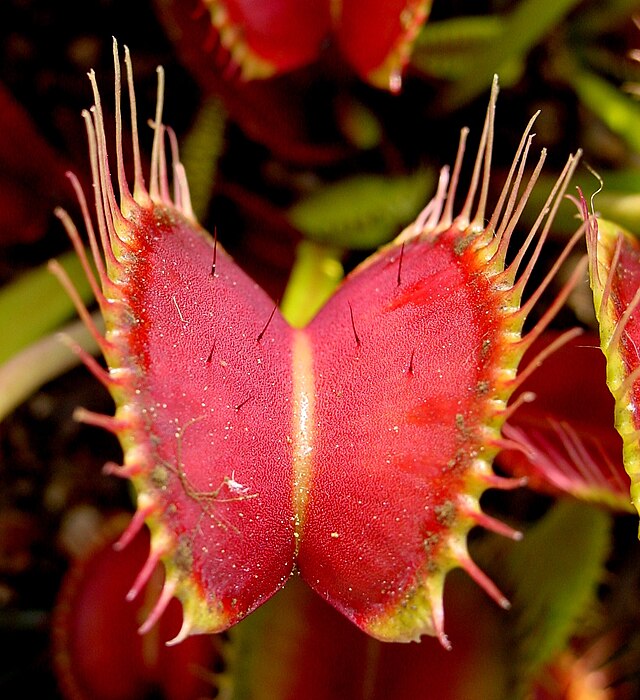
The Venus flytrap (Dionaea muscipula) is a temperate carnivorous plant native to North America that enters dormancy in winter. This dormancy is not merely winter decline but an essential physiological process for healthy growth the following year. By managing dormancy correctly, you can encourage vigorous new growth in spring.
Why Dormancy Is Necessary
The Venus flytrap is native to limited regions in North Carolina and South Carolina in North America. This region has distinct four seasons, and experiencing winter cold is built into the Venus flytrap's growth cycle.
- Energy storage: The plant stores energy in the bulb (underground stem) during dormancy to prepare for spring growth
- Maintaining biological rhythms: Without experiencing dormancy, the plant's internal clock becomes disrupted, causing gradual weakening
- Impact on lifespan: Continuous management without dormancy can cause the plant to weaken and die within 2–3 years
- Flower and seed formation: Plants that experience adequate dormancy produce stronger flower stalks in spring
Dormancy Period Timing and Signs
Timing of dormancy entry
- Generally begins around late October to November
- Continues through late February to March of the following year (approximately 3–4 months)
Signs of dormancy
- The trap leaves (carnivorous leaves) become smaller and flatten, adhering closely to the ground
- Leaves turn black and wither
- The emergence of new leaves stops
- Trap response slows down or ceases entirely
These changes are not disease but a normal dormancy process. There is no need to panic, move the plant to a warm location, or increase watering.
Temperature Management During Dormancy
Ideal temperature
- 0–10°C is the optimal dormancy temperature
- The plant can tolerate temperatures around −5°C briefly (though freezing should be avoided)
- Temperatures above 15°C sustained over time result in incomplete dormancy
Examples of management locations
- Outdoors (non-cold regions): Outdoor overwintering is possible in lowland areas west of the Kanto region. In areas with frost, protect the plant with mulching
- Unheated entryway or hallway: An area that maintains 5–10°C is ideal
- Refrigerator dormancy: In warm regions or for indoor cultivation, dormancy in a refrigerator (vegetable crisper) is also an option
Method for refrigerator dormancy
- Remove dead leaves and clean the plant
- Wrap the roots with moistened sphagnum moss
- Place in a sealed bag such as a zip-lock bag (leave a slight gap—do not seal completely)
- Place in the refrigerator's vegetable crisper (3–7°C)
- Every two weeks, check the moisture of the sphagnum moss and confirm no mold has developed
Watering During Dormancy
- Continue bottom watering but keep the water level lower than usual
- Manage so that the sphagnum moss or substrate does not dry out completely
- For refrigerator dormancy, it is sufficient if the sphagnum moss remains moist
- Excessive moisture can cause root rot, so keep watering minimal
Light During Dormancy
- Outdoor overwintering: Expose to natural light. Winter's weak sunlight is sufficient
- Indoor management: Place near a bright window
- Refrigerator dormancy: Light is not necessary (darkness is fine)
Maintenance During Dormancy
Handling dead leaves
- Carefully remove completely blackened leaves with tweezers
- Do not force; remove only leaves that come off naturally
- Leaving dead leaves can promote mold growth
Mold prevention
- Ensure air circulation (avoid sealing too tightly)
- If mold appears, remove the affected area and lightly apply a fungicide
- For refrigerator dormancy, regular ventilation and inspection are important
Pest inspection
- Aphids or scale insects may overwinter on the plant
- Remove any found immediately
Care After Dormancy Ends
The plant awakens from dormancy with spring's arrival. Management during this period determines growth for the entire year.
Signs of dormancy breaking
- Small new shoots emerge from the center of the plant
- This typically occurs from late February to March
Transition of care
- Once new shoots are visible, gradually raise the temperature
- If using refrigerator dormancy, remove and move to outdoors or a bright windowsill
- Do not move directly to a warm location; allow about a week for acclimatization
- Return bottom watering to normal (raise the water level)
- Provide ample light (start with gentle spring sunlight)
Timing for repotting
- March, when dormancy ends, is the optimal time for repotting
- Replace old sphagnum moss with new
- Inspect the roots and trim any blackened or damaged roots
Frequently Asked Questions About Dormancy
Q: Is it normal for leaves to wither during dormancy? Yes, it is normal. Many carnivorous plants have their aboveground parts wither during dormancy. Specifically, the Venus flytrap's old leaves turn black in winter, but if the bulb at the base remains alive, new shoots will emerge in spring.
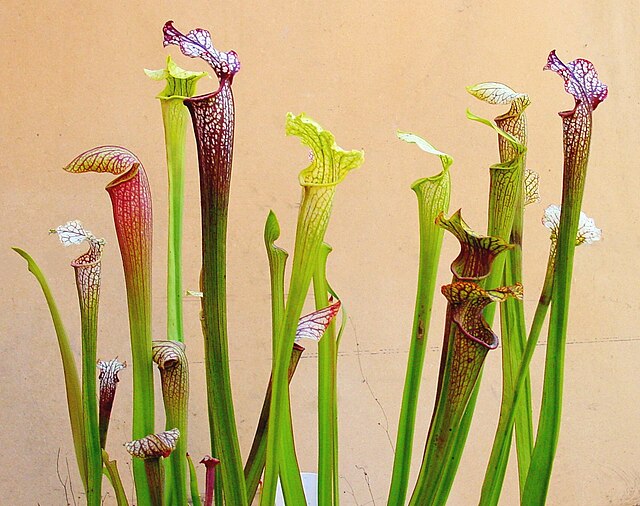
Q: What happens if the plant is not allowed to go dormant? Temperate carnivorous plants (Venus flytrap, Sarracenia, etc.) require winter cold dormancy. Without dormancy, the plant's growth becomes weak the following year, potentially leading to decline and death within several years.
Q: How should I water during dormancy? The substrate should not dry out completely, but keep the bottom-watering level low. Maintain the substrate with just a slight moisture.
Q: Can I repot during dormancy? Late dormancy, around February, is an appropriate time for repotting. Repotting just before new growth begins minimizes damage to the plant.
Annual Dormancy Management Schedule
| Period | Venus Flytrap | Sarracenia | Temporary species |
|---|---|---|---|
| October | Gradually acclimate to cold | Growth slows | Dormancy preparation begins |
| November | Manage outdoors or in unheated space | Remove dead leaves | Reduce watering |
| December–January | Dormancy at 0–10°C | Dormancy at 0–10°C | Depends on variety |
| February | Optimal time for repotting | Optimal time for repotting | Beginning to wake |
| March | New shoots visible | New pitchers emerge | Return to normal care |
Common Mistakes and Solutions
Mistake 1: Deciding dormancy start by calendar date Dormancy is triggered by temperature and day length, not the calendar. Use the plant's signal—when trap leaves become smaller and flatten to the ground—not a specific date like November.
Mistake 2: Mold develops in refrigerator dormancy Refrigerator dormancy is effective, but condensation in a sealed bag promotes mold. Dampen the sphagnum moss lightly and open the bag once a month to check the condition.
Mistake 3: Exposing to intense light immediately after dormancy ends Exposing a plant that has been in darkness for months to direct sun causes leaf scorch. Gradually increase light intensity over 1–2 weeks.
Find Venus Flytraps on GrowerDirect
On GrowerDirect, you can purchase Venus flytraps directly from specialist growers with expertise in dormancy management. A major advantage is being able to consult with growers about dormancy differences by variety and overwintering methods suited to your region. Find healthy Venus flytraps on GrowerDirect.