Complete Watering Guide for Caudex Plants | Species-Specific and Seasonal Optimal Timing
We explain caudex plant watering from basics to advanced techniques. We introduce species-specific frequency, seasonal adjustments, common failures and their solutions.
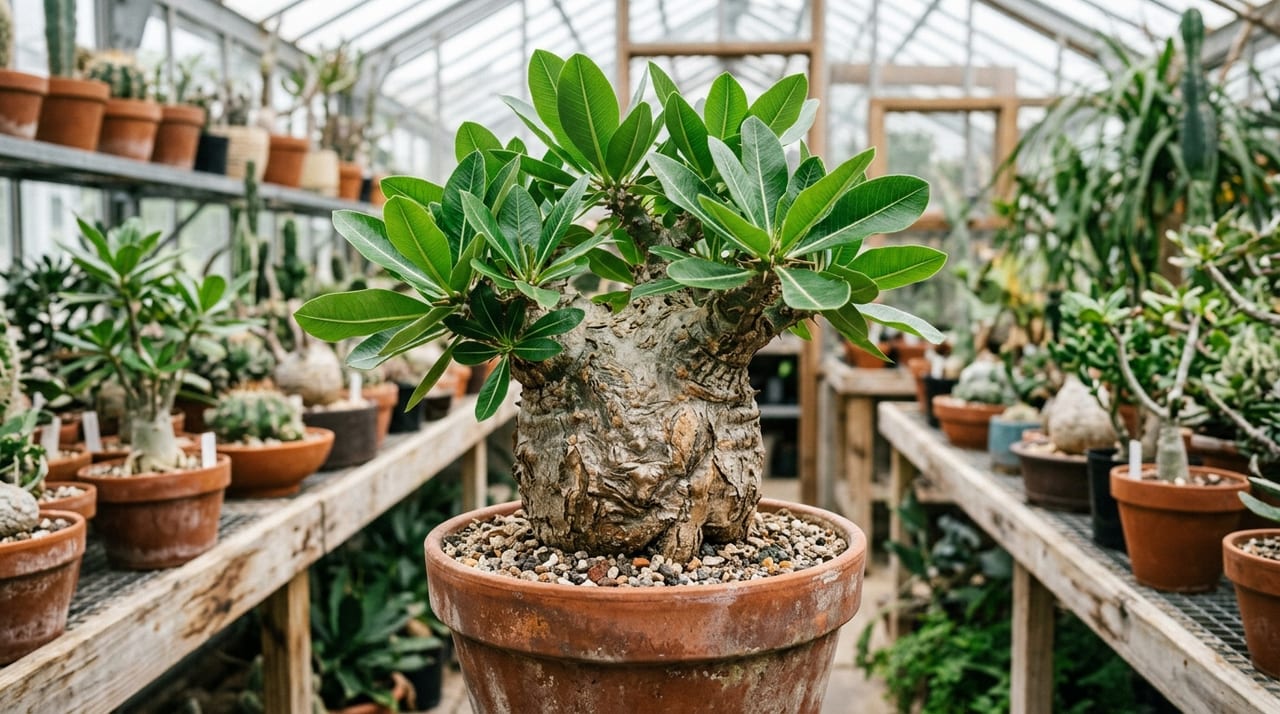
Key Takeaways
We explain caudex plant watering from basics to advanced techniques. We introduce species-specific frequency, seasonal adjustments, common failures and their solutions.
Related Species
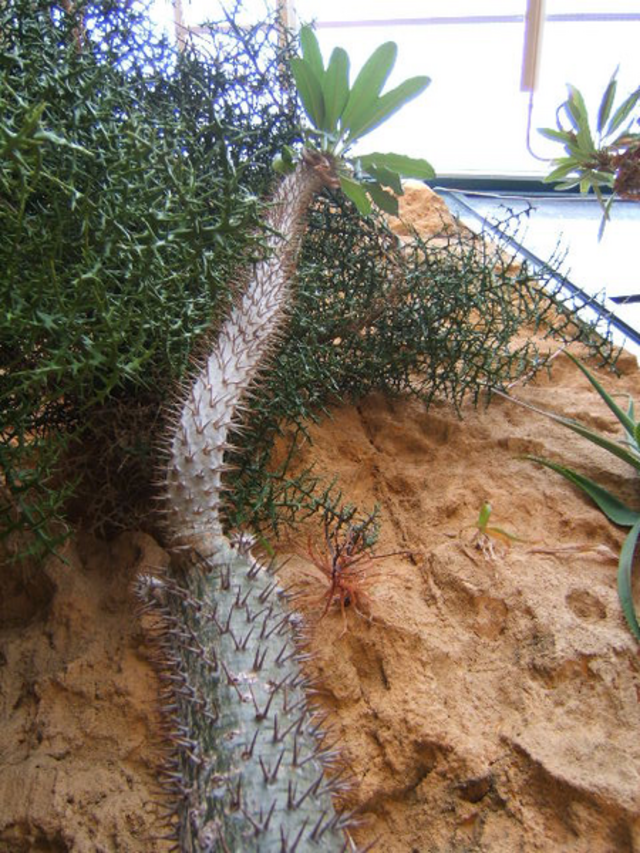
The most frequent question about caudex plant care is watering. Questions like "How often should I water?" "Should I cut water completely in winter?" and "I rotted the plant by watering too much" come up constantly. Because caudex plants have the ability to store water in their caudex, the approach to watering is fundamentally different from typical foliage plants. Here we explain watering techniques by species and season.
Basic Principles of Watering
There are common fundamental principles to watering caudex plants.
- Dramatic wet-dry cycles are essential: The most important aspect of watering caudex plants is the contrast of "letting them dry thoroughly before giving plenty of water." Constantly moist conditions cause root rot, and conversely, constantly dry conditions stall growth. The basic approach is to wait until the soil is completely dry before watering generously until water drains from the bottom of the pot.
- How to check soil dryness: The standard method is to insert a bamboo skewer into the edge of the pot, then remove it to check moisture. If the tip is dry, it's a sign the entire soil is dry. You can also judge by the weight of the pot. By remembering the weight when dry and when wet, you can tell by lifting it alone.
- Timing of watering: Spring through autumn, early morning when it's cool is best. Watering in the hot summer daytime causes the inside of the pot to become like a steam bath, damaging roots. In winter, water during the warmer daytime hours to prevent the inside of the pot from cooling due to low nighttime temperatures.
Species-Specific Watering Frequency Guide
Water requirements vary by species.
| Species | Watering Guidelines |
|---|---|
| Pachypodium species | During the growing season, water generously 1-2 days after the soil dries. Gracilius is a species that relatively likes water, and wilting during the growing season is a sign of yellowing leaves. Brevicaule, conversely, is sensitive to overwatering, and slightly drier management is safer. |
| Adenium species | A water-loving species where you can water immediately after the soil dries during the growing season without issues. Watering frequency is higher than Pachypodium. Avoid water stress to ensure flowering. |
| Stephania/Dioscorea species | Vine-type caudex plants store a lot of water in their caudex, so slightly drier management is fine. Watering every 3-4 days after the soil dries is sufficient. |
| Pachypus | Surprisingly demands considerable water during the growing season. Water generously after the soil dries, and water stress during growth causes leaf drop. However, using well-draining soil is essential. |
Seasonal Adjustments to Watering
Even with the same species, watering must change significantly by season.
- Spring (March-May): An important time after dormancy ends. Don't immediately return to normal watering; start with small amounts and gradually increase. Once new growth starts, transition to normal watering pace.
- Summer (June-August): The season with the most watering. High temperatures cause soil to dry quickly, so depending on the species, you may need to water daily to every other day. However, during the rainy season, cloudy conditions persist and drying slows, so reduce frequency. On extremely hot days, water in the cool evening hours.
- Autumn (September-November): Gradually reduce watering frequency. Extend the interval as temperatures drop, and be even more conservative once leaf drop begins.
- Winter (December-February): For dormant species, follow the principle of no watering or minimal watering (about once a month). Whether to cut water completely or give minimal amounts depends on the species and growing environment. If managing in a warm, heated indoor space, light watering once or twice a month is safer.
Common Watering Failures and Solutions
Here are common mistakes and how to avoid them.
- Root rot: The most common failure. It's caused by overwatering—watering again before the soil dries. The solution is to use well-draining soil and wait until it's dry before watering. Check that the drainage hole is adequate and that water isn't pooling in the saucer.
- Root death from underwatering: Extreme water stress during the growing season can cause established roots to die. Be especially careful during mid-summer. If you'll be away and unable to water for an extended period, give the plant plenty of water before leaving and move it to shade.
- Rot from winter watering: Watering in winter lowers the temperature inside the pot, and the combination of cold and excess moisture can cause rot. Water in winter during warm daytime hours and keep amounts modest.
Seasonal Care Calendar and Precautions
By understanding the rhythm of year-round care, you can provide appropriate care at the right times.
- Spring (March-May) is an important time for resuming growth. Gradually increase watering frequency as temperatures rise, and begin fertilizing. This is also the right time for repotting—address any root-bound or degraded soil conditions now. Once new growth begins to unfold, don't forget to check for pests.
- Summer (June-August) is when growth is most vigorous, but also when problems from heat and humidity are most likely. Water during the cool morning and evening hours, being careful not to let the pot steam up during hot daytime periods. Be especially careful about overwatering during the rainy season, and protect plants from prolonged rain if needed.
- Autumn (September-November) is a transition period when growth slows. Gradually reduce watering and fertilizing, and shift to winter management. By October, begin planning to move cold-sensitive species indoors.
- Winter (December-February) is when most species are dormant. Keep watering to a minimum and, if managing indoors, ensure adequate light and address heating-related dryness. This is also a good time to slowly plan spring repotting.
Advanced Watering Techniques
Advanced techniques to try as you gain experience.
- Judge by caudex firmness: Gently press the caudex—if it feels firm and plump, water is adequate; if it feels slightly soft, it's time to water. As you become familiar with your plant, this becomes the most accurate judgment method. Be careful not to press too hard and damage it.
- Fine-tuning at seasonal transitions: During the spring and autumn season changes, temperatures vary significantly from day to day. Check the weather forecast and adjust accordingly—hold back on watering before a cold spell, and water when warm days are expected. Making these weather-based adjustments is an advanced technique.
Watering skills for caudex plants improve with experience. On GrowerDirect, you can ask growers directly about watering methods for each species. While referring to how growers manage their plants, find a watering rhythm that suits your own environment.