How to Grow Crotons | Key Lighting and Care for Vibrant Leaf Color
This guide explains how to grow crotons, prized for their vibrant leaf color blending red, yellow, and green. We cover the lighting management needed for beautiful foliage color, watering, pruning, and propagation in detail.
Key Takeaways
This guide explains how to grow crotons, prized for their vibrant leaf color blending red, yellow, and green. We cover the lighting management needed for beautiful foliage color, watering, pruning, and propagation in detail.
Related Species
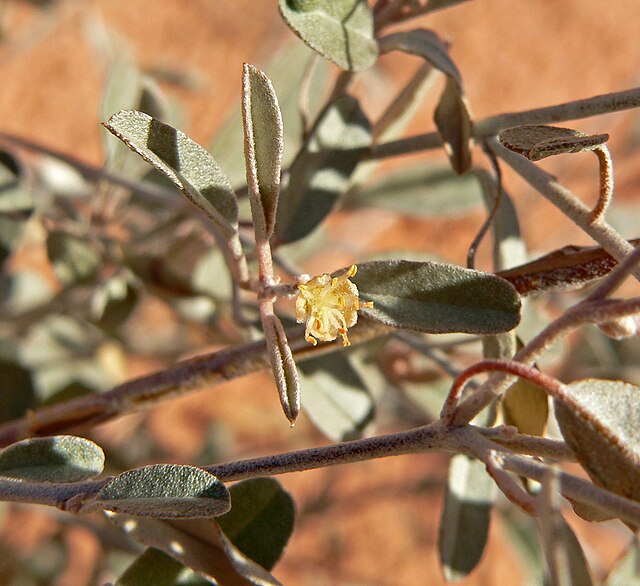
Croton (scientific name: Codiaeum variegatum) is a notably colorful foliage plant, with multiple colors—red, yellow, orange, green, and deep purple—blended within a single leaf. It is an evergreen shrub in the Euphorbiaceae family, native to the tropical and subtropical regions from Southeast Asia to the Pacific Islands. The leaf shape varies significantly by variety, ranging from narrow and elongated to broad and wide, and even spiraling twisted forms, offering rich variation beneath the single name "croton." With such diverse individual characters, the plant is enjoyed as a green where the foliage color itself, rather than flowers, takes center stage, commanding a unique presence in interior settings.
Lighting Management for Leaf Color
The most important factor in croton care is lighting management. Sufficient light activates the red, yellow, and orange pigments in the leaves, resulting in vibrant coloring. Insufficient light causes the foliage to fade to a dull, single green, diminishing much of the plant's appeal.
While basic care involves placing the plant in a bright windowsill, several points require attention.
- Bright indirect light is ideal: An environment with soft, even light filtering through sheer curtains is optimal.
- Beware of intense direct sun in midsummer: Strong direct sunlight from south-facing windows or outdoors can cause leaf scorch. Consider shade cloth in peak summer.
- Light levels drop indoors in winter: In winter, light is reduced even at windowsills, so ensure the brightest possible location.
- Avoid frequently moving the plant: Sudden relocation can cause leaf drop. Once positioned, keep it stable in its location.
During warm seasons when temperatures consistently exceed 15°C (59°F), moving the plant to partial shade outdoors can intensify foliage color. However, avoid exposing it to strong light suddenly; acclimate gradually.
Watering and Humidity Control
Though croton is tropical and prefers warm, humid conditions, it is susceptible to root rot. The key to watering is to allow the soil to dry, then water thoroughly.
During the growing season (spring through autumn), water thoroughly when the soil surface dries, until water drains from the pot bottom. In winter, growth slows, so water less frequently—wait several days after the soil dries before watering again. Always empty water from the saucer to avoid overwatering.
Humidity control also affects leaf health. During dry seasons, misting the foliage—spraying the entire leaf surface—is effective. Regular misting prevents dryness and removes dust from the leaf surface, maintaining photosynthesis efficiency. In dry environments, spider mites are more likely to appear, so regularly inspect the undersides of leaves.
Temperature and Seasonal Care
Croton is cold-sensitive; prolonged exposure to low temperatures causes leaf drop and plant damage. In winter, maintain room temperatures above 10°C (50°F).
Overwintering tips include the following:
- Watch for nighttime cold at windowsills: While the plant can stay by a bright window during the day, move it toward the center of the room at night to avoid chilling.
- Avoid direct air-conditioning drafts: Combined rapid temperature swings and dry air stress the plant.
- Keep away from heaters: Excess heat and dry air can damage leaves.
As spring arrives and temperatures rise, growth accelerates. Repot overwintered plants into a slightly larger container in early spring to encourage root extension and new leaf development. Use well-draining foliage plant potting soil for repotting.
Propagation and Pruning
Croton can be propagated by cuttings. During the growing season, cut healthy stems approximately 10 cm (4 inches) long and remove the lower leaves to prepare cuttings. Root in water or well-draining, sterile potting soil. Until roots develop, keep in bright, filtered light with consistent moisture.
When croton stems or leaves are cut, a milky white sap oozes out. This sap can irritate skin and mucous membranes, so use disposable gloves during pruning and propagation, or wash your hands thoroughly with soap afterward.
When the plant becomes overgrown and leggy, cut back heavily during the growing season to encourage a fuller, bushier form. The pruned stems can be used for cuttings, making this an opportunity to propagate.
Common Problems and Solutions
Leaf drop: Sudden relocation, excessive drying, underwatering, or root rot are common causes. Leaf drop is especially likely after moving to a new location, so keep the plant stable once positioned. Review watering practices as well.
Dull, greenish foliage: A sign of insufficient light. Move to a brighter location. Deep indoors or poorly lit windows prevent vibrant coloring, so consider improving placement.
Tiny insects on leaf undersides: Likely spider mites, which thrive in dry conditions. Regular misting prevents infestations. If widespread, use an insecticide registered for ornamentals and houseplants, or consult a specialist.
White powder on leaves: Likely powdery mildew. Improve air circulation and remove affected leaves promptly. If severe, treat with a fungicide labeled for houseplants.
Varieties and Display Ideas
Croton cultivars are remarkably diverse, with varied leaf shape, size, and color combinations. From narrow red-tinted foliage to broad leaves with yellow variegation and unique spiral-twisted forms, it is a highly collectible plant.
In interiors, pairing croton with simple white or wood-grain pots highlights its foliage. Displaying multiple varieties together is also popular, creating a rich, garden-like space by collecting varieties with different leaf shapes and colors.
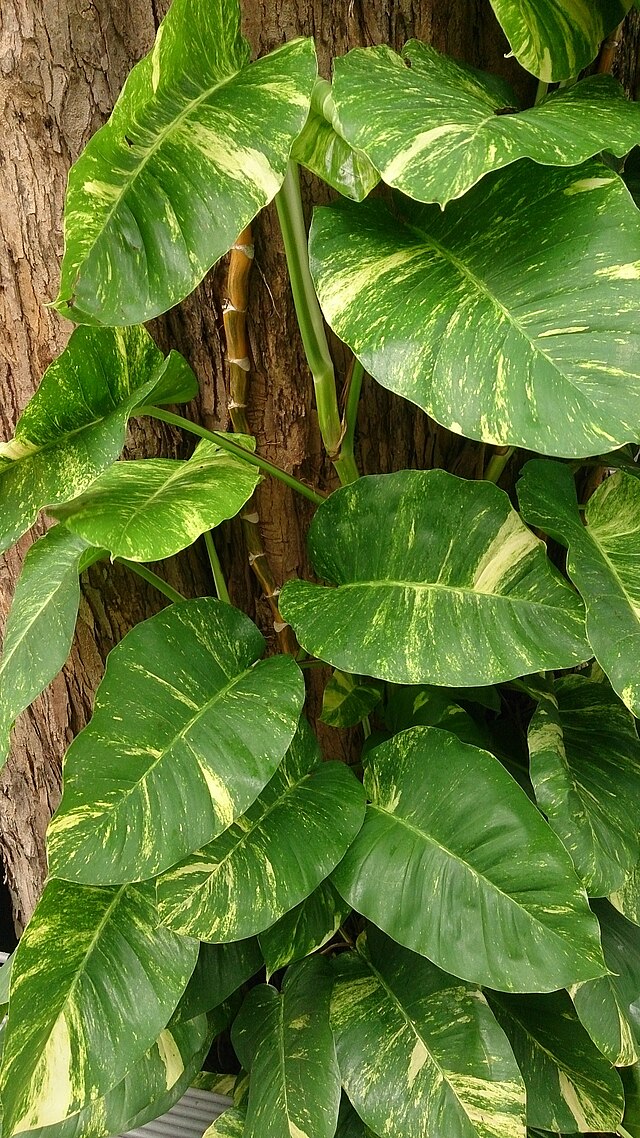
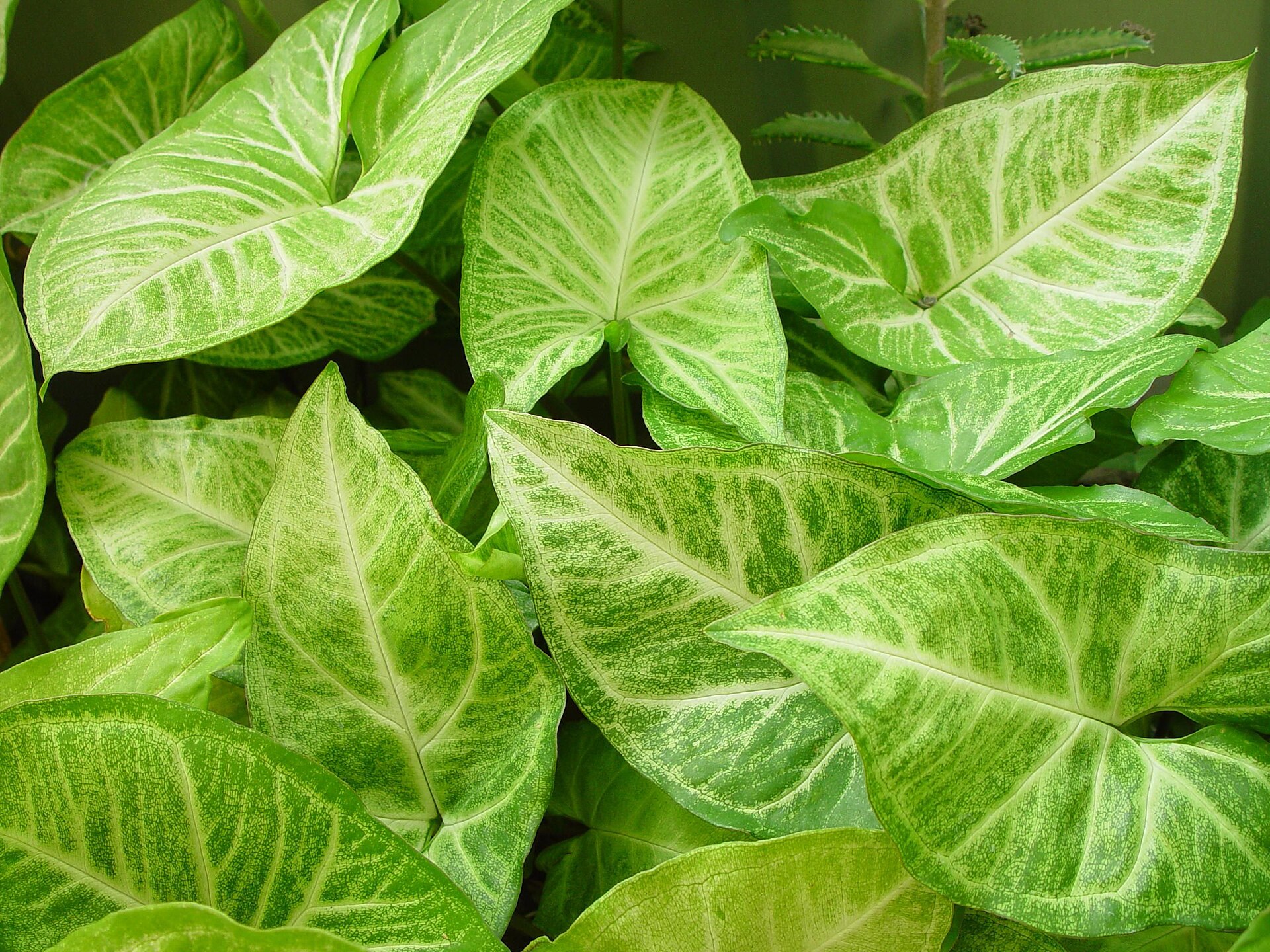
South-facing living room windows and bright entryways are ideal display locations. With proper growing conditions, the plant continuously unfolds new leaves, and you can enjoy the subtle seasonal color shifts over time. While striking alone, pairing it with more subdued greens like Pothos or Syngonium creates displays where the colors complement each other. By selecting plants that have been carefully nurtured by growers, you can start with healthy specimens displaying excellent foliage color from the outset.