Monstera Fenestration Formation Conditions | The Relationship Between Light, Nutrition, and Plant Maturity
Explains the mechanisms and conditions for fenestration (cuts and holes) forming on Monstera leaves. Covers light intensity, nutrition, plant maturity, staking techniques, and other key management points for producing beautifully fenestrated leaves.
Key Takeaways
Explains the mechanisms and conditions for fenestration (cuts and holes) forming on Monstera leaves. Covers light intensity, nutrition, plant maturity, staking techniques, and other key management points for producing beautifully fenestrated leaves.
Related Species
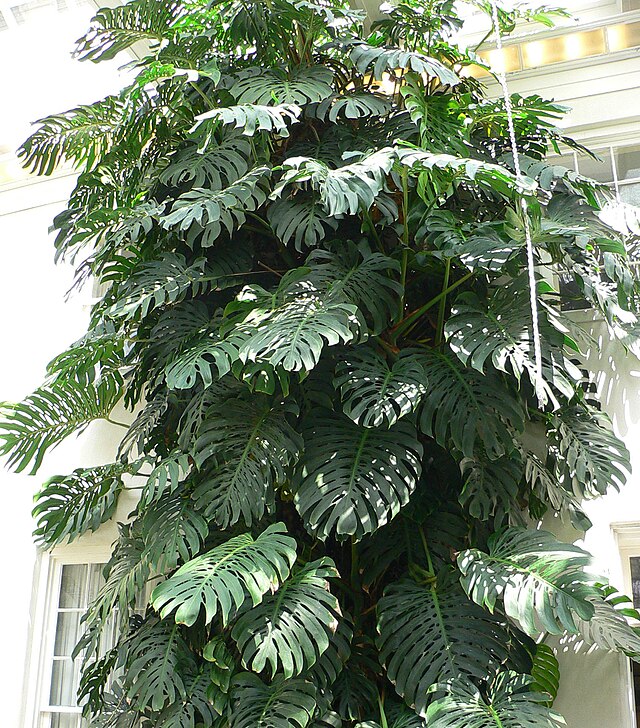
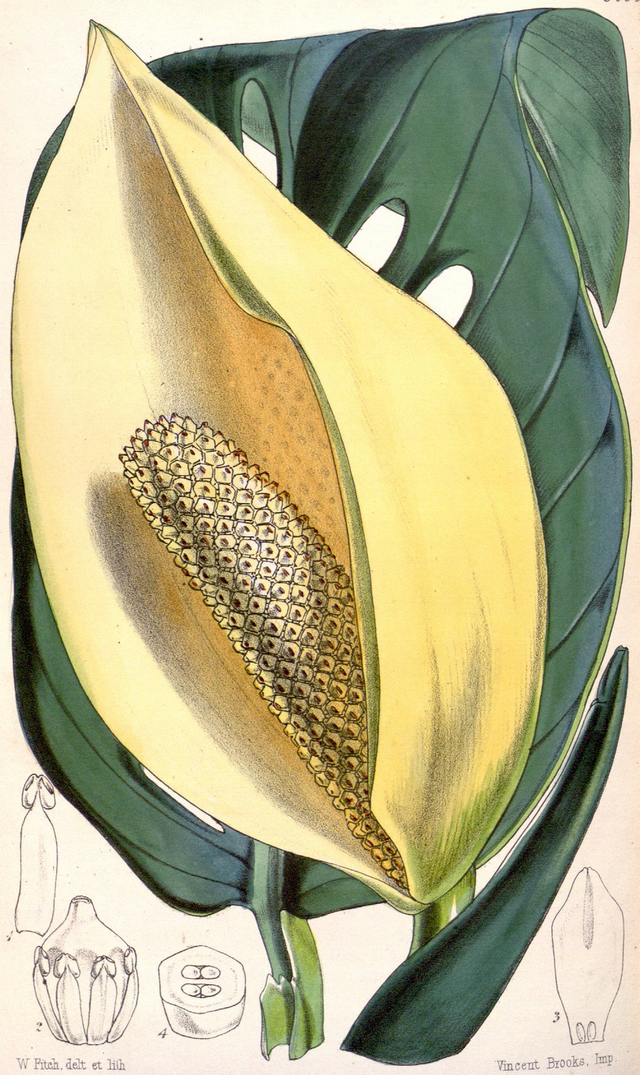
When growing Monstera, many plant lovers look forward to seeing cuts and holes appear on the leaves. These cuts and holes are called "fenestration." However, not all Monsteras produce beautiful fenestrated leaves right away. Only when multiple conditions—light levels, nutritional status, plant age, and growing environment—align does fenestration emerge. This article explains the mechanisms and conditions behind it.
What is Fenestration
Fenestration refers to the formation of cuts and holes visible on Monstera leaves. The term derives from the Latin word "fenestra," meaning window.
In Monstera deliciosa, mature leaves develop large cuts that eventually open into holes. Monstera adansonii produces leaves with holes at a relatively early stage.
Fenestration is thought to be an adaptive trait that benefits survival in nature. The most widely supported explanation is that it is an adaptation to avoid leaves being torn by strong winds on the tropical rainforest floor, and a light-distribution strategy to maximize exposure to dappled light reaching the forest floor.
Plant Maturity and Leaf Maturity Are Most Critical
The primary condition for fenestration to appear is "plant maturity." Young plants and juvenile leaves typically do not produce cuts.
For Monstera deliciosa, even in good conditions, plants grown from seed may take over one to two years to produce their first fenestrated leaves. At the small seedling stage, only heart-shaped leaves without cuts appear.
As leaves grow larger, the cuts deepen, and with further maturation, holes eventually perforate completely. The appearance of cut leaves is already a sign that a certain level of maturity has progressed, and providing a favorable environment from that point onward increases the number and depth of cuts.
The Effect of Light Intensity on Fenestration Formation
Light is the most important environmental factor promoting fenestration. In environments with sufficient light, leaves tend to become larger and cuts form more deeply.
The greater the light intensity, the more fenestration is promoted. As a general guideline, PPFD (photosynthetic photon flux density) should be 200–400 µmol/m²/s or higher. The following guidelines apply depending on placement:
- East- or west-facing windowsills: Soft direct light in early morning or evening is ideal
- South-facing windowsills: Light filtered through thin curtains is ideal
- North-facing windows or hallways: Light intensity is extremely low, and while leaves may emerge, cuts may be shallow or not appear
- When using LED grow lights as a supplement indoors: Full-spectrum light at 12–14 hours per day compensates for insufficient light
Light direction is also important. Rotating the pot gradually and periodically ensures leaves face all directions evenly, resulting in a beautiful overall plant shape.
Nutrition and Fertilizer
Appropriate nutrient supply is also an important factor in promoting fenestration. In particular, a balanced ratio of nitrogen, phosphorus, and potassium supports normal leaf development.
During the growing season (spring to autumn), liquid fertilizer is recommended approximately once every two weeks. Typical foliage plant fertilizers are often applied at about half the recommended concentration. Overly concentrated fertilizer can cause "fertilizer burn," damaging roots, so caution is needed.
As leaves expand, secondary nutrients such as magnesium and calcium also play important roles. Using fulvic acid humic substances or organic fertilizers provides these elements in a natural form.
During winter dormancy, fertilizer is not necessary, and applying fertilizer when root activity is low increases the risk of root rot.
Stakes and Aerial Roots
Monstera is naturally a climbing plant that, in nature, climbs upward while attaching to other tree trunks via aerial roots. Setting up a stake and allowing aerial roots to cling to it promotes upward stem growth, and leaves tend to become larger with deeper cuts.
Misting aerial roots regularly with water activates them and increases their absorptive capacity. A moss pole (a stake wrapped in sphagnum moss) is ideal because aerial roots attach easily to it and it maintains adequate humidity.
While leaves do emerge in hanging baskets, many reports indicate that staking for upward growth produces larger leaves with deeper cuts.
Soil, Humidity, and Temperature
Also establish environmental conditions to maximize fenestration.
| Item | Details |
|---|---|
| Soil | Ideal soil has good aeration and drainage while also retaining moisture. A typical blend is approximately "foliage plant potting soil 5 : perlite 2 : sphagnum moss or bark chips 2 : pumice 1." Repotting once every one to two years is recommended to prevent root binding. |
| Humidity | Monstera's native habitat has humidity of approximately 60–80%. In winter, dryness increases, and misting the leaf surfaces with a spray bottle keeps leaves vibrant. |
| Temperature | The optimal growing temperature is 20–30°C. Growth slows below 15°C, and below 10°C is dangerous. Maintaining optimal temperature is important for promoting fenestration. |
Summary
To produce beautiful cuts and holes on Monstera leaves, the following must align: ① plant maturity, ② sufficient light intensity, ③ appropriate nutrient supply, ④ growth directed upward with stakes, and ⑤ temperature and humidity management. Light intensity and plant maturity have the most direct influence. If concerned about "cuts not appearing," the top priority is to reassess the light environment of the growing location. With proper environmental conditions, Monstera will produce large, beautifully fenestrated leaves year after year.