Why Monstera Fenestration Is Difficult to Develop: Causes and Solutions
Discover why Monstera leaves struggle to develop cuts and holes (fenestration). We break down the key causes—insufficient light, plant growth stage, nutrient balance, humidity and temperature, and air circulation—and share practical strategies to encourage fenestrated leaves.
Key Takeaways
Discover why Monstera leaves struggle to develop cuts and holes (fenestration). We break down the key causes—insufficient light, plant growth stage, nutrient balance, humidity and temperature, and air circulation—and share practical strategies to encourage fenestrated leaves.
Related Species
Monstera Fenestration Phenomenon and Development Mechanism
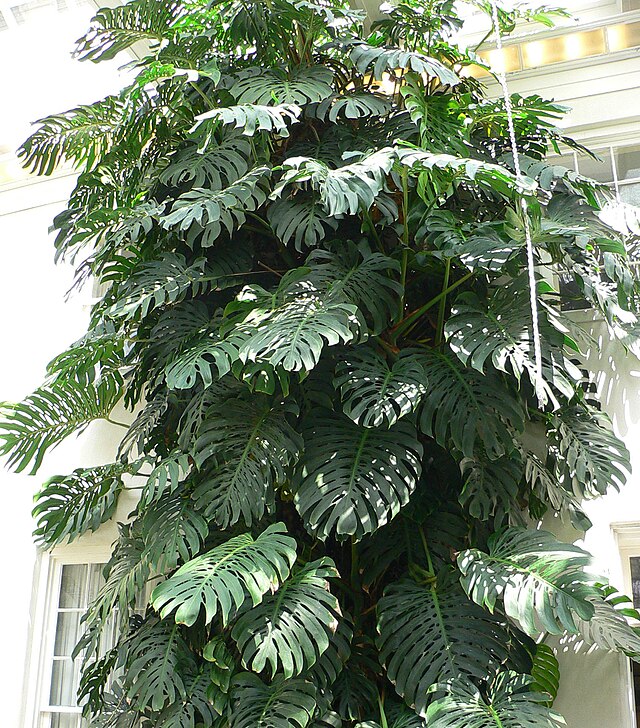
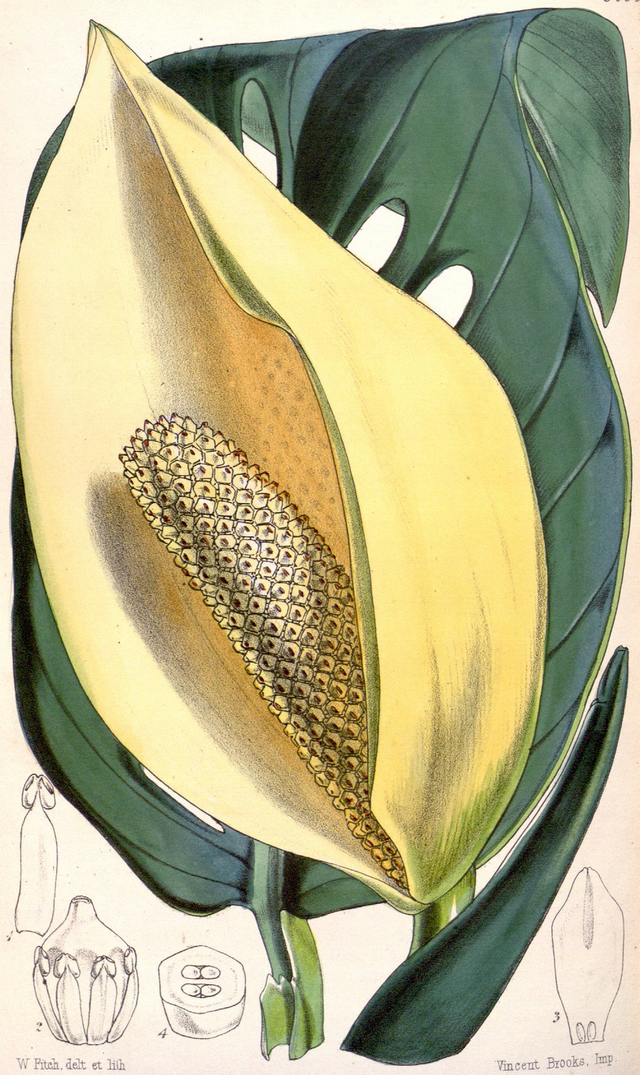
The greatest appeal of Monstera is the holes and splits called "fenestration" that appear on mature leaves. This is not merely a decorative feature but a physiological adaptation strategy of the plant, serving to improve wind resistance and promote light transmission to lower layers. Monstera deliciosa and Monstera adansonii are species in which fenestration is particularly prominent, but it may not appear if conditions are unfavorable.
The mechanism of fenestration development is complex and is determined not by a single factor but by the combined effect of multiple environmental conditions. The factors that influence it are as follows.
- Plant maturity
- Light intensity
- Nutritional status
- Humidity
- Temperature
- Stress levels, and others
If any one of these conditions is inappropriate, fenestration will not appear, even in a well-grown Monstera.
Insufficient Light: The Primary Cause
The primary reason fenestration does not develop is insufficient light. Monstera is a plant that grows in the lower layer of tropical rainforests, but that lower layer is not complete darkness but an environment filled with filtered light leaking from above. In this environment, the survival strategy is to minimize leaf area while maximizing photosynthetic efficiency. In other words, forming "fenestrated leaves" that allow light to pass through becomes advantageous only when the plant perceives that sufficient light is available.
As a guideline for brightness, an environment with morning sunlight at an east-facing window or a location 1–2 meters from a south-facing window where daytime illumination reaches 800–1000 lux is required. Typical indoor illumination is only 200–400 lux, which is insufficient for Monstera to recognize the need for fenestration formation. This is why fenestration does not appear on Monstera placed on a shelf deep within a room away from the window.
Plant Maturity Stage and Age
Plant maturity is important for fenestration development. In the case of Monstera deliciosa, fenestration typically begins to appear only when the plant is 3 years or older and leaves have reached a size of 30 cm or more. In young plants, the plant does not recognize the need to develop holes because it concentrates nutrients on growth.
Small plants propagated from cuttings tend to mature more slowly than seedlings. Additionally, frequent repotting or root damage causes nutrients to be used for recovery, pushing fenestration formation to a lower priority. Allowing the plant to grow sufficiently and cultivating it in a stable environment promotes fenestration development.
Fertilizer and Nutritional Balance
Phosphorus and potassium are important for fenestration formation. These nutrients promote cell division in leaves and are involved in cell wall formation around the holes. Using fertilizer that is high in nitrogen but low in phosphorus and potassium tends to result in leaf growth without hole formation.
Monstera-specific fertilizer is ideal if available, but foliage plant fertilizer is acceptable. The important thing is to apply phosphorus- and potassium-rich liquid fertilizer approximately twice a month during the growing season (April to October). In winter, reduce fertilizer and give the plant a dormancy period, which promotes growth the following spring.
Optimizing Humidity and Temperature Environment
Monstera prefers high-humidity environments, with relative humidity of 60–80% being ideal. When humidity is low (50% or less), new leaf development is impaired and holes are less likely to form. Using a humidifier or grouping foliage plants together effectively raises the surrounding humidity. Daily misting is a simple method but has limited effect per application.
It is recommended to maintain temperatures of 18°C or higher. Monstera is a tropical plant, and growth is slow in cold environments. In environments that fall below 10°C in winter, new leaf development stops and opportunities for fenestration formation are lost. It is important to provide a stable temperature environment indoors with heating.
Air Circulation and Ventilation
An often-overlooked factor is "air circulation." In tropical environments, air constantly flows and leaves experience gentle breezes. This sensory stimulation promotes plant growth and enhances stress resistance. There is a hypothesis that in a sealed room with stagnant air, Monstera experiences stress and deprioritizes fenestration formation.
Regularly opening windows to ensure natural air circulation is effective. Gently directing warm air from a fan is also a way to promote air circulation. However, cold or strong winds hinder Monstera growth, so care must be taken.
Practical Solutions and Success Stories
Comprehensive solutions for when fenestration is not appearing are as follows.
- Move the plant to a bright location near a window
- Apply phosphorus- and potassium-rich fertilizer twice a month during the growing season
- Maintain relative humidity above 70% using misting and a humidifier
- Ensure temperatures remain above 18°C
Many cases have been reported in which new leaves begin to show fenestration after these measures are continued for 1–2 years. In particular, when moving the plant from a recessed shelf to a window location, visible improvement can be expected within a few months. Even in relatively small species such as Monstera adansonii, fenestration will appear if appropriate conditions are provided.