Orchid Variety Guide | Characteristics and Growing Tips for Popular Species
Featuring popular orchid species including Phalaenopsis, Cattleya, Dendrobium, Vanda, and Paphiopedilum. Detailed explanation of each variety's characteristics, flowering conditions, cultivation difficulty, and fragrance.
Key Takeaways
Featuring popular orchid species including Phalaenopsis, Cattleya, Dendrobium, Vanda, and Paphiopedilum. Detailed explanation of each variety's characteristics, flowering conditions, cultivation difficulty, and fragrance.
Related Species
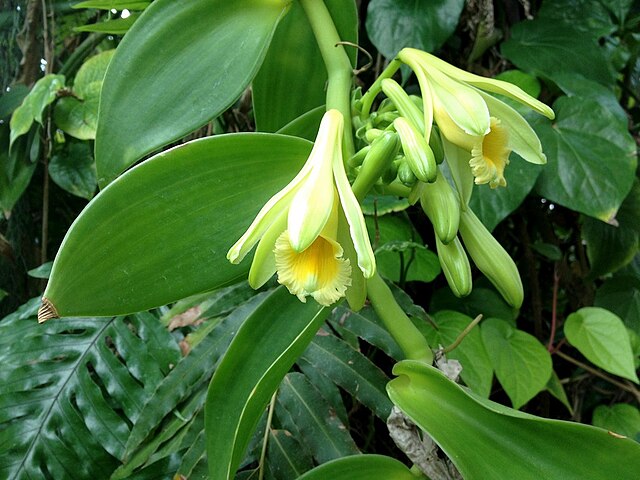
Orchids are among the largest groups in the plant kingdom, with over 25,000 species found worldwide. They have evolved to adapt to diverse environments, from tropical rainforest canopies to rocky alpine slopes. Admired for their diverse and beautiful flowers and fragrance, orchids have long captivated gardening enthusiasts. You may think that growing orchids for the first time seems difficult, but with the right variety selection, even beginners can thoroughly enjoy them. This article explains the characteristics of popular orchid varieties favored by enthusiasts and key growing tips in an easy-to-understand manner.
Recommended Classic Varieties for Beginners
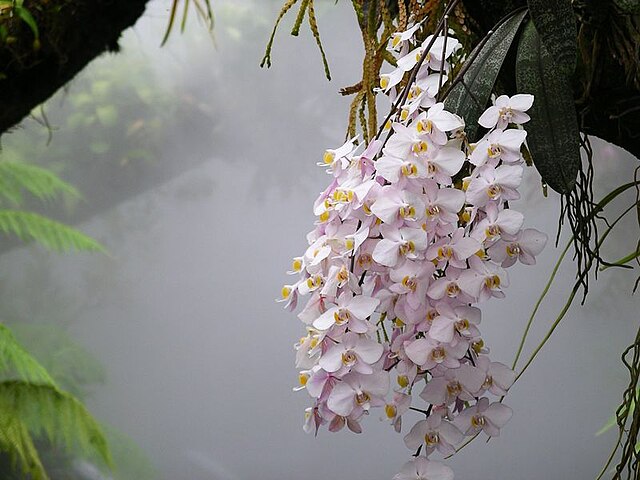
Phalaenopsis (Moth Orchid)
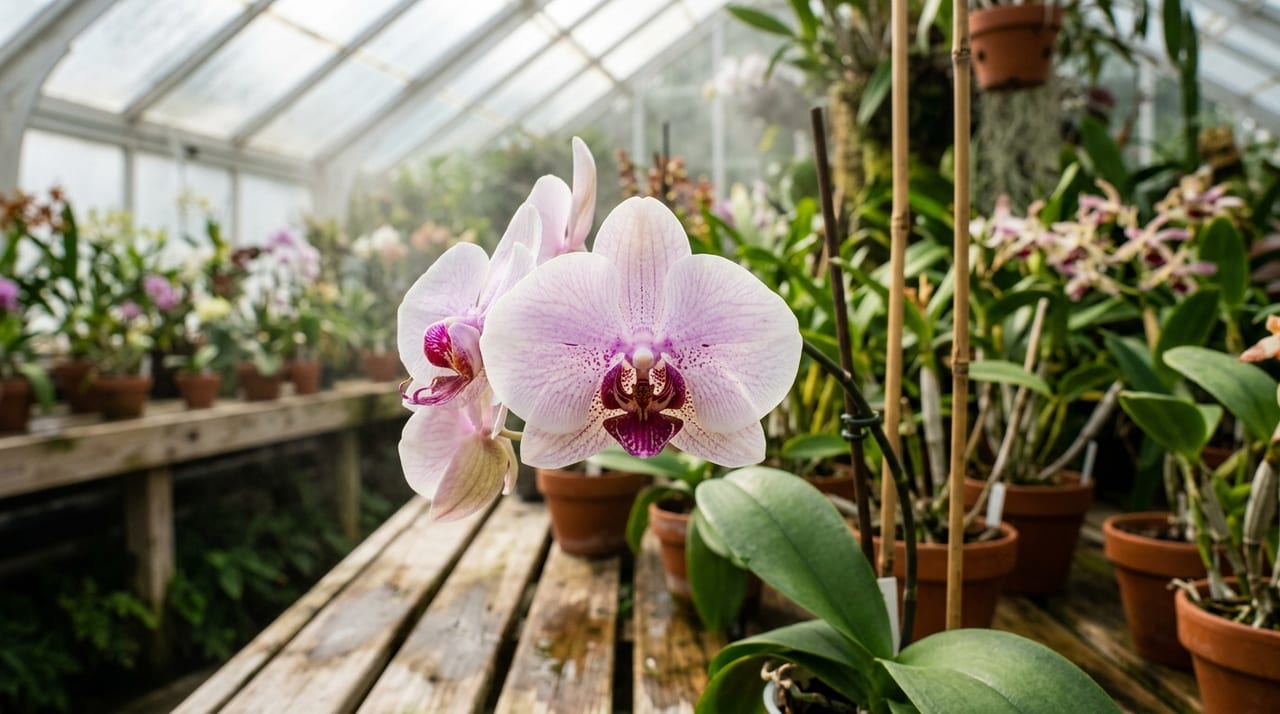
The most widely loved orchid variety. The elegant, butterfly-like flower shape is the origin of its name, and it is standard as a gift. It stands out for its ease of cultivation and is the perfect introductory species for orchid growing.
- Flowering tips: In autumn, exposing the plant to a temperature difference between day and night and keeping it below 15°C for several weeks promotes flower bud formation.
- Care points: Keep in a bright room away from direct sunlight. Water once or twice a week when the soil in the pot dries out.
- Fragrance: Depending on the variety, most are nearly fragrance-free.
- Difficulty level: ★☆☆ (Low)
Dendrobium
Characterized by densely clustered flowers blooming along the stem (pseudobulb), with an enormous variety of cultivars. The "Nobile type" commonly distributed in Japan is relatively cold-hardy and easy to manage.
- Flowering tips: Nobile types form flower buds when exposed to temperatures of 5–10°C in winter. From autumn onward, reduce fertilizer and water to encourage dormancy.
- Care points: From spring through autumn, place in a sunny location and provide strong light.
- Fragrance: Varies by variety.
- Difficulty level: ★☆☆–★★☆ (Low to Medium)
Popular Varieties for Intermediate Growers
Cattleya
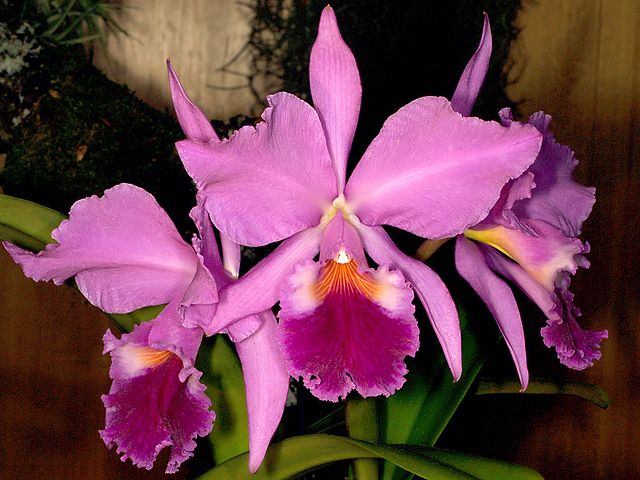
Often called the "Queen of Orchids," this variety is prized for its large, showy flowers. Its luxurious appearance and fragrance make it consistently popular with collectors. Adequate light and temperature control are essential, so some growing experience is reassuring.
- Flowering tips: While flowering times vary by cultivar, providing adequate light from spring through autumn and maintaining a day-night temperature difference promote blooming.
- Care points: Use well-draining potting media (bark) to prevent root rot. Unglazed terra cotta pots are recommended.
- Fragrance: Many varieties are fragrant, offering sweet floral aromas.
- Difficulty level: ★★☆ (Medium)
Paphiopedilum (Slipper Orchid)
Fondly known as the "Slipper Orchid" for its distinctive pouch-like labellum. A terrestrial orchid, it dislikes strong direct sunlight and is well-suited to indoor cultivation.
- Flowering tips: It flowers readily even in relatively low light and grows well in partially shaded locations. Placing it in a slightly cooler environment in autumn and winter promotes flower bud formation.
- Care points: Sensitive to drying out, so water before the medium dries completely. Use moisture-retentive potting media with added leaf mold.
- Fragrance: Nearly fragrance-free.
- Difficulty level: ★★☆ (Medium)
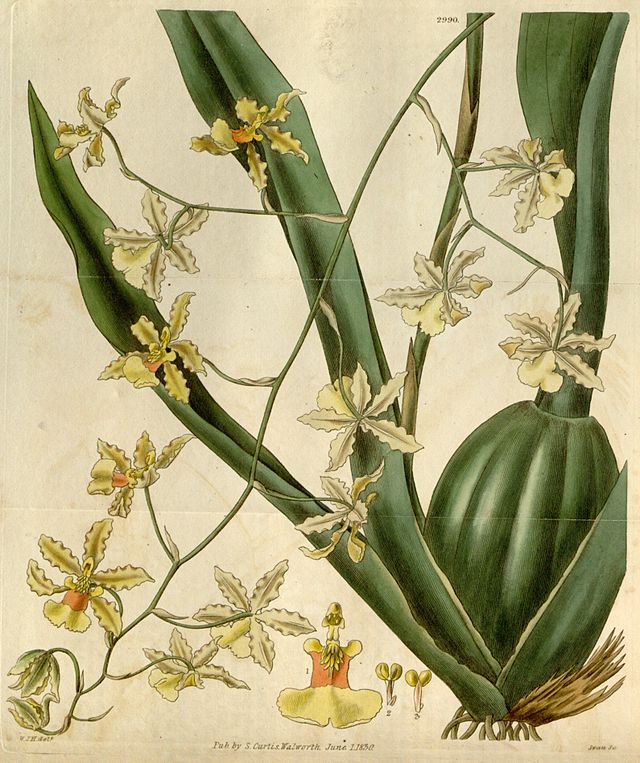
Oncidium (Dancing Lady)
Wonderfully showy with masses of small yellow flowers, also called the "Dancing Lady." Among these, 'Sharry Baby' is renowned for its sweet chocolate-like fragrance.
- Flowering tips: Requires adequate light with flower buds forming in autumn. Provide as much light as possible, except during intense summer sun.
- Care points: Clear wet-dry cycles are important. Allow the medium to dry well between waterings.
- Fragrance: Some varieties offer sweet fragrances reminiscent of chocolate or vanilla.
- Difficulty level: ★☆☆–★★☆ (Low to Medium)
Advanced Grower Varieties & Unique Species
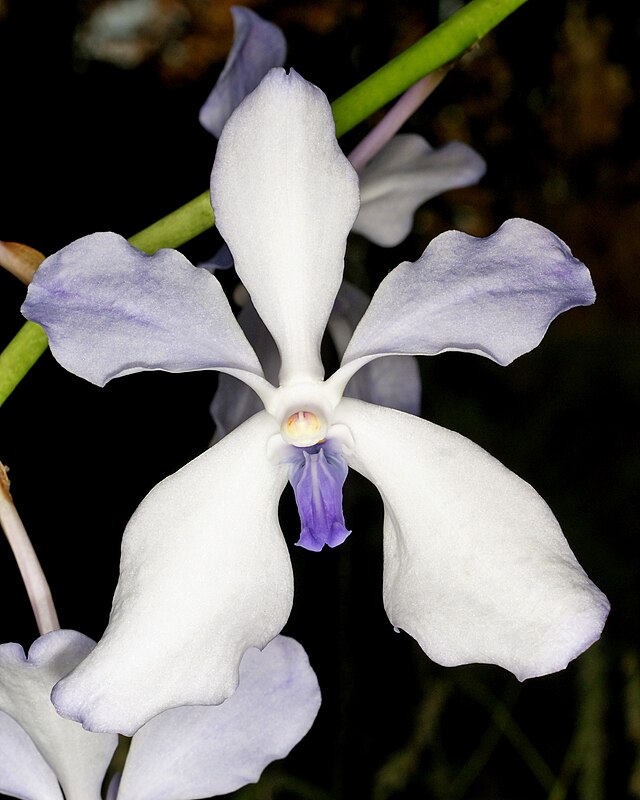
Vanda
Striking for its vivid blue flowers, this genus commands attention. Typically grown as an epiphyte, with roots exposed in terra cotta baskets or specialized containers—the growing style itself becomes part of the display.
- Flowering tips: Requires abundant light and warm, humid conditions year-round. Winter temperatures must stay above 15°C minimum.
- Care points: Mist exposed roots daily to prevent drying. Winter care is challenging without a greenhouse or warm room, making this a variety for advanced growers.
- Fragrance: Varies by variety.
- Difficulty level: ★★★ (High)
Coelogyne
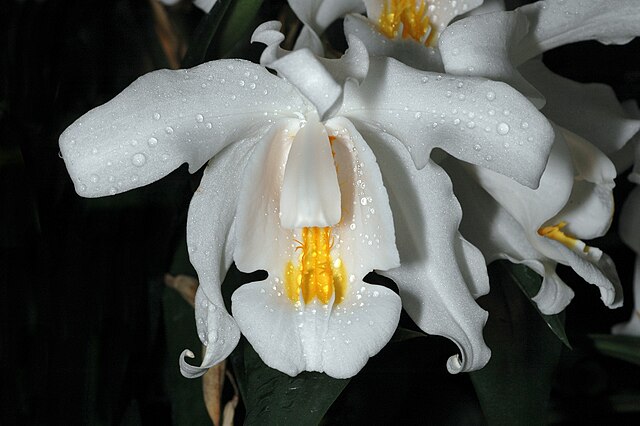
Prized for its pristine white or pale cream flowers and sweet fragrance. Most varieties bloom from winter to spring, brightening the indoor space during cold months. Notably cold-tolerant for an orchid.
- Flowering tips: Exposure to cool temperatures (around 10°C) in autumn and winter promotes flower bud differentiation. The temperature change when moving indoors triggers blooming.
- Care points: During the growing season (spring–summer), fertilize regularly and build strong pseudobulbs to ensure next year's blooms.
- Fragrance: Most varieties have sweet fragrance.
- Difficulty level: ★☆☆–★★☆ (Low to Medium)
Common Orchid Growing Principles
While specifics vary by variety, orchid cultivation shares fundamental principles.
- Watering timing: The rule is "water thoroughly when dry." Avoid constantly moist conditions to prevent root rot.
- Placement: Direct sunlight causes leaf scorch, so bright filtered light through a sheer curtain is ideal.
- Temperature control: Most orchids prefer 15–30°C. Avoid sudden temperature swings and direct drafts from heating or cooling.
- Fertilizer: During the growing season (spring–summer), apply dilute liquid fertilizer 2–3 times monthly. Reduce or stop fertilizing in autumn and winter.
- Repotting signs: When roots overflow the pot, it's time to repot. Choose appropriate medium for your variety—bark, sphagnum moss, etc.
GrowerDirect's Trustworthy & Safe System
When you decide to start growing orchids, sourcing your first plant is crucial. GrowerDirect provides a system for purchasing directly from orchid producers and growers.
- Proven flowering specimens: You can purchase plants with a track record of blooming, making quality verification easy and giving you confidence.
- Clear variety information: Directly confirm parentage details, bloom timing, and cultivation tips with the seller.
- Rare & species varieties available: Hard-to-find species and unusual hybrids may be obtained directly from specialist producers.
- Direct cultivation advice: You can ask the grower themselves for post-purchase care guidance—a major advantage.
GrowerDirect aims to be a trusted platform connecting growers and buyers, so that even beginners can confidently start growing orchids. We hope you find your favorite specimen and enjoy the deep world of orchid cultivation.