How to Fertilize Orchids and When to Do It | Fertilization Calendar by Species
This guide explains the types of fertilizers suitable for orchids, the timing and frequency of fertilization, and species-specific fertilization schedules for Phalaenopsis, Dendrobium, Cattleya, Cymbidium, and other orchid types.
Key Takeaways
This guide explains the types of fertilizers suitable for orchids, the timing and frequency of fertilization, and species-specific fertilization schedules for Phalaenopsis, Dendrobium, Cattleya, Cymbidium, and other orchid types.
Related Species
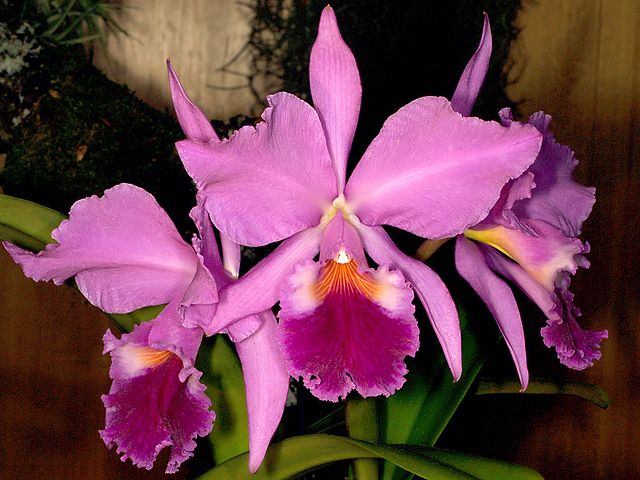
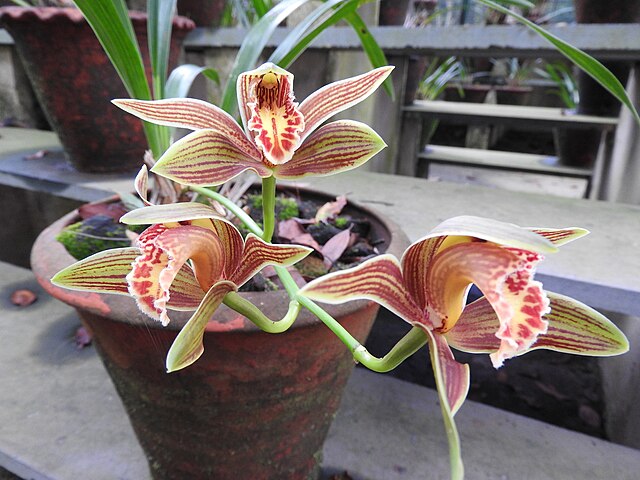
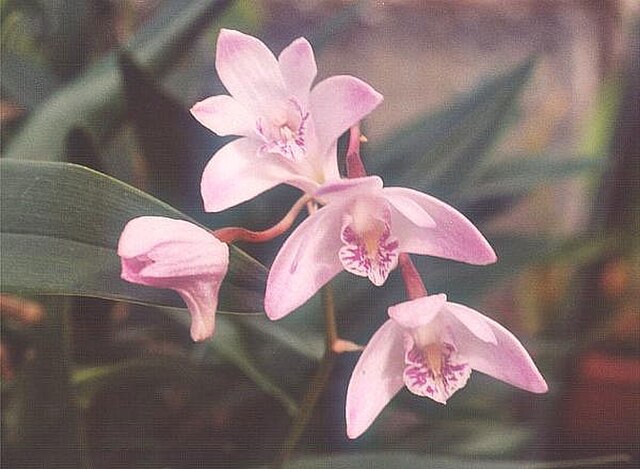
In orchid cultivation, fertilizer significantly impacts flowering and plant vigor. However, incorrect application can damage roots or prevent flowering altogether. Compared to common garden plants, orchids require less fertilizer—the principle is "light, sparse, and timely." Master fertilization management tailored to each species' growth cycle.
Types of Fertilizers Suitable for Orchids
Orchid fertilizers fall into two main categories: liquid fertilizers and solid fertilizers.
Liquid fertilizers are applied in place of regular watering. They work quickly and are easy to adjust in concentration. Commercial orchid-specific products like Hyponex and Pentgarden are convenient. The dilution rate should be 2-3 times weaker than for common garden plants, typically around 2000-3000x dilution.
Solid fertilizers consist of slow-release products like Magamp K or Promote, placed on the pot surface. They last 2-3 months and require minimal effort. However, they dissolve with watering, so effectiveness may be reduced during winter when watering frequency decreases.
Organic fertilizers (such as oil cake and bone meal) have mild effects and are gentle on roots, but they can cause odor and mold issues indoors. They are said to work well with orchid bacteria and are suitable for outdoor cultivation like Cymbidium.
NPK Balance and Functions
The three primary nutrients—nitrogen (N), phosphorus (P), and potassium (K)—each act on different parts of orchids.
Nitrogen promotes leaf and new shoot growth. During the growing season, fertilizers with slightly higher nitrogen ratios are appropriate, but excess nitrogen causes leafy growth at the expense of flowers. Phosphorus promotes flower bud formation and blooming. Switching to phosphorus-rich fertilizers before flowering improves flower production. Potassium contributes to root development and disease resistance.
During growth, a balanced 6:6:6 NPK ratio works best; during bloom promotion, phosphorus-rich ratios like 0:6:6 or 6:10:6 are effective. Commercial orchid fertilizers already account for this balance, so choosing the right product for your needs is straightforward.
Species-Specific Fertilization Schedule
Tailoring fertilization to each orchid species' growth cycle is essential.
Phalaenopsis (Moth Orchid) fertilizing period is spring through fall after flowering ends. From April through October, apply liquid fertilizer every two weeks. From November through March, the plant enters dormancy—reduce fertilizer. Once flower spikes appear, reduce nitrogen and switch to phosphorus-based fertilizers.
Dendrobium (Nobile type) receives fertilizer from spring bud break through September. Strong bulb development is key to flowering, so fertilize generously. However, stop fertilizer completely from October onward to promote cold-induced flower bud formation. Late fertilization encourages high-growth development.
Cattleya receives fertilizer from when new growth starts until the bulb matures. Note that growth periods vary by variety. Spring-blooming varieties grow in fall-winter; fall-blooming varieties grow in spring-summer. Reduce fertilizer once sheaths appear on the bulbs.
Cymbidium requires relatively more fertilizer than other orchids. From April through September, apply liquid fertilizer 2-3 times monthly, combined with solid fertilizer. Because it's grown in large pots, watch for nutrient depletion.
Important Notes on Fertilizer Application
The most important consideration when fertilizing orchids is preventing over-fertilization. Orchids are epiphytic plants that grow naturally on minimal nutrients from rainwater. If fertilizer is too strong, the velamen (spongy tissue) on roots suffers osmotic damage, causing root burn.
Always apply fertilizer after watering, when roots are thoroughly moist. Concentrated fertilizer on dry roots causes root burn. For sphagnum moss-grown orchids, nutrient buildup is common, so flush with pure water once monthly (leaching).
Do not fertilize recently repotted plants or those with damaged roots from rot. Resume fertilizing once new roots emerge (usually about one month after repotting). Similarly, reduce fertilizer if plants are stressed during extreme summer heat.
Advanced Fertilization Techniques
For serious orchid enthusiasts, try foliar feeding. Spray highly diluted fertilizer (around 5000x dilution) on the undersides of leaves to supplement root absorption. This is especially effective for plants with few roots or those recently mounted.
Supplementing micronutrients (iron, manganese, boron, etc.) is another advanced technique. Products like Menedeal contain micronutrients; adding them to water 1-2 times monthly improves leaf luster and overall vigor.
You can also make your own organic liquid fertilizer. Kelp extract made by steeping dried seaweed acts as a natural growth promoter and is widely used by orchid enthusiasts worldwide.
Annual Fertilization Calendar
| Month | Phalaenopsis | Dendrobium | Cattleya | Cymbidium |
|---|---|---|---|---|
| Jan-Feb | Stop | Stop | Stop | Stop |
| Mar | Start (diluted) | Start (diluted) | Start (diluted) | Start |
| Apr-Jun | Liquid 2x/month | Liquid 2-3x/month | Liquid 2x/month | Liquid 3x/month + solid |
| Jul-Aug | Liquid 2x/month | Liquid 2x/month | Liquid 2x/month | Liquid 2x/month |
| Sep | Stop after buds set | Stop | Reduce | Stop |
| Oct-Dec | Stop | Stop | Stop after buds set | Stop |
Frequently Asked Questions About Fertilizers
Q: Which is better, liquid or solid fertilizer? Both have advantages. Liquid fertilizer works quickly and is easy to adjust; it suits those who can manage regularly. Solid fertilizer is slow-release and low-maintenance, ideal for busy people. Using both together provides balanced fertilization.
Q: What happens if I over-fertilize? Root burn causes root tips to turn brown and stops growth. Leaf tips may also blacken. If over-fertilization is suspected, immediately flush the pot thoroughly with pure water (leaching) and withhold fertilizer for at least one month.
Frequently Asked Questions About Fertilizers
Q: Which is better, liquid or solid fertilizer? Liquid fertilizer is fast-acting and easy to adjust, suiting those who can manage regularly. Solid fertilizer is slow-release and low-effort, ideal for busy people. Using both together is also effective.
Q: What should I do if I over-fertilize? If root burn symptoms appear (brown root tips, blackened leaf tips), immediately flush the pot thoroughly with pure water (leaching). Then withhold fertilizer for at least one month while the plant recovers.
Grow Healthy Orchids with Breedoku
At Breedoku, you can purchase healthy orchids directly from growers who have maintained proper fertilization. Buying directly means you can ask growers for their recommended fertilizers and feeding schedules. With species-appropriate fertilization, enjoy beautiful blooms year after year.