Mini Orchid Terrarium Cultivation | Enjoying the Small World of Orchids in Glass Containers
Explains how to grow mini orchids in a terrarium. Introduces how to choose suitable varieties, set up glass containers, manage humidity and ventilation, layout tips, and daily care.
Key Takeaways
Explains how to grow mini orchids in a terrarium. Introduces how to choose suitable varieties, set up glass containers, manage humidity and ventilation, layout tips, and daily care.
Related Species
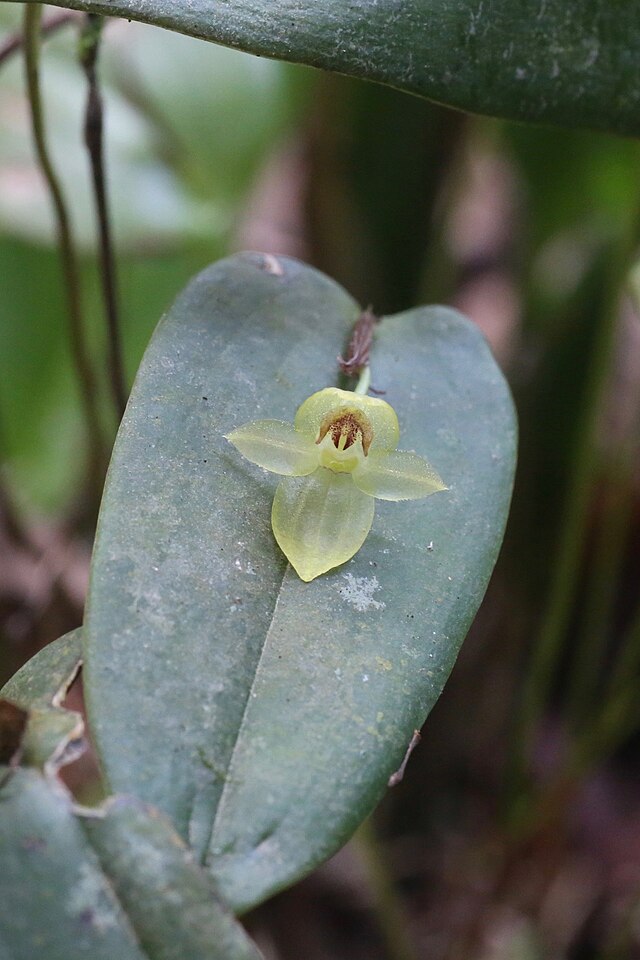
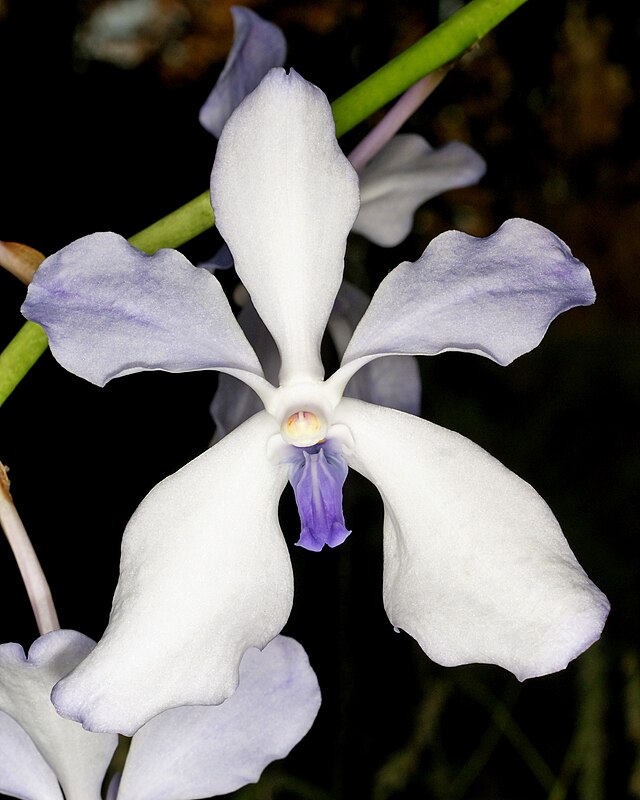
Growing miniature-sized orchids in glass terrariums is gaining attention. The sight of orchids blooming inside a small glass container is like a beautiful slice of a small tropical rainforest. This article explains how to create a mini orchid terrarium that can also be enjoyed as interior decoration.
The Appeal of Mini Orchid Terrariums
- Space-saving: Compact enough to fit on a desk. Orchid cultivation is enjoyable even in limited spaces.
- Easy humidity control: High humidity naturally occurs inside the glass container, creating a comfortable environment for orchids.
- Decorative appeal: Becomes stylish green décor that brightens living rooms and desks.
- Pleasure of observation: You can closely observe root growth and flower blooming through the glass.
- Easy daily care: Since humidity is maintained, watering frequency is reduced.
Mini Orchid Varieties Suitable for Terrarium Cultivation
Not all orchids are suitable for terrariums. It is important to choose small varieties that prefer high humidity.
Recommended Varieties
- Leptotes: Ultra-small epiphytic orchid. Produces delicate flowers of 2-3 cm. Hardy and easy to grow.
- Pleurothallis: Small epiphytic orchid with diverse flower forms. Prefers high humidity and is ideal for terrariums.
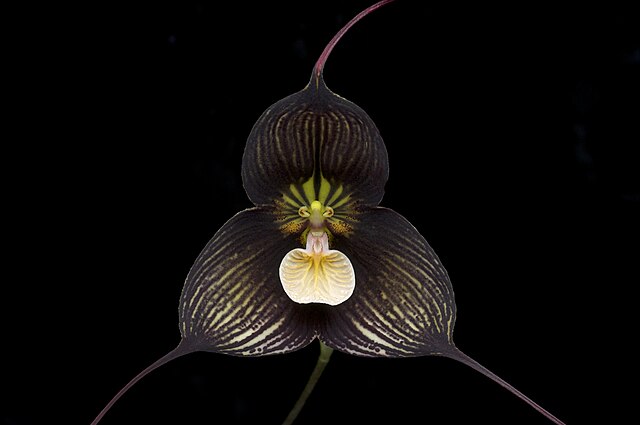
- Dracula: Popular for its unique flower shape. Prefers cool, moist environments.
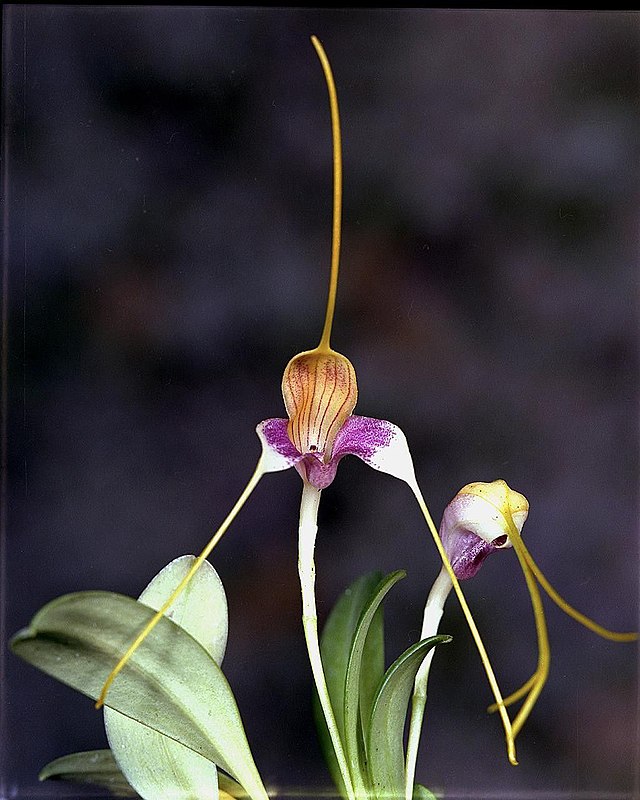
- Masdevallia: Small orchid with vibrant colors. Prefers cool conditions and high humidity.
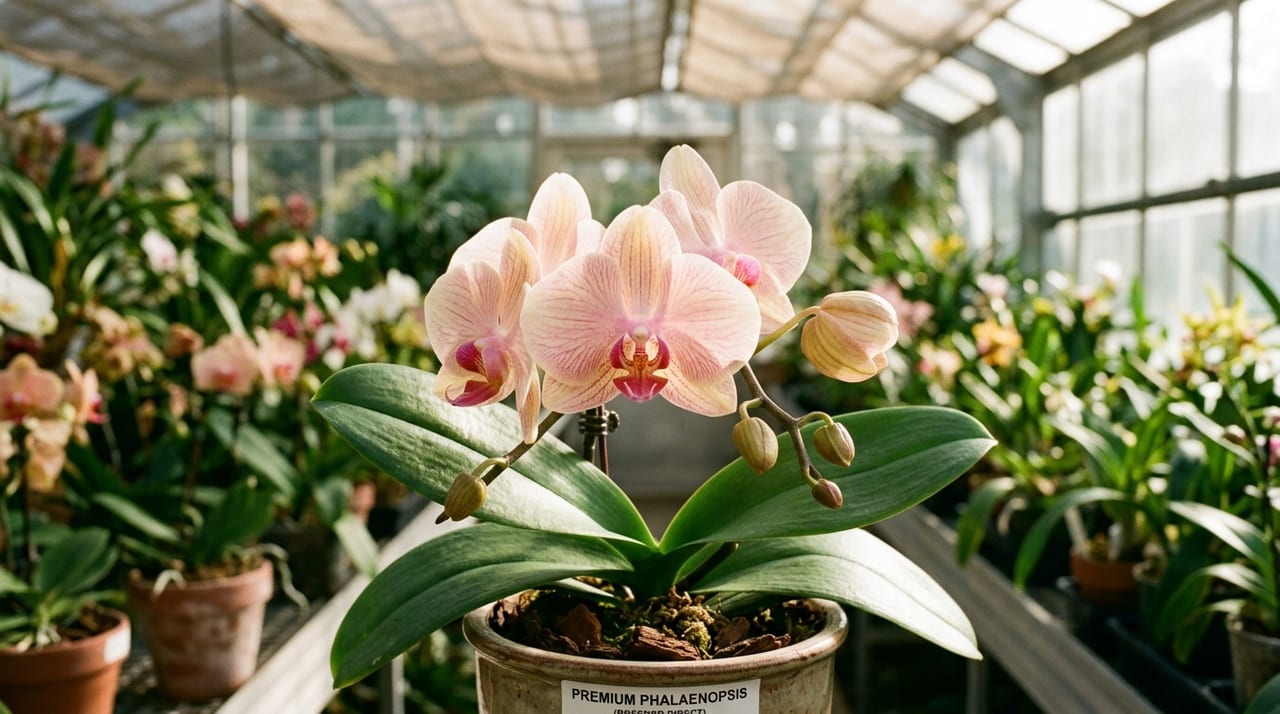
- Mini Phalaenopsis orchid: Most readily available. Ideal for those beginning with terrariums.
- Stelis: Produces numerous tiny flowers. Prefers high humidity and is suitable for terrariums.
Varieties to Avoid
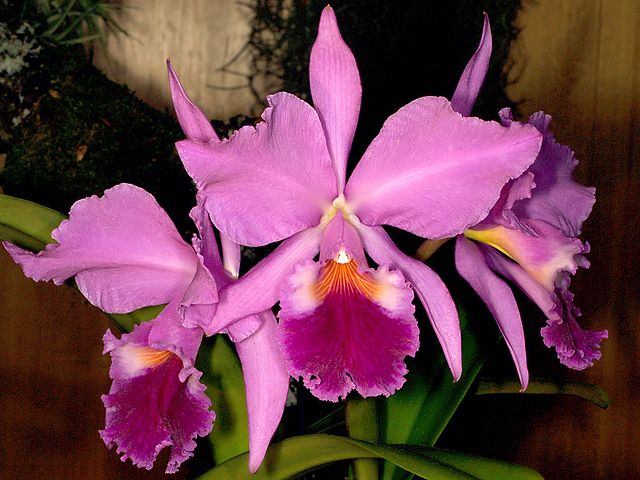
- Large Cattleyas and Vandas (too large in size)
- Varieties that require strong light (light is limited inside a terrarium)
- Varieties that prefer dry conditions
How to Choose a Glass Container
Types of Containers
- Open terrarium: Glass container with open top. Good ventilation and easy to manage. Suitable for beginners.
- Semi-closed: Container with a lid but not completely sealed. Good balance of high humidity and ventilation.
- Closed terrarium: Sealed container. Maintains the highest humidity but requires ventilation management.
Recommended Container Size
- Height 20-40 cm, width 15-30 cm approximately.
- Choose a size with adequate space considering the orchid's growth area.
- A wider opening is easier for maintenance.
Terrarium Setup
Materials Needed
- Glass container
- Pumice stone (for drainage layer)
- Activated charcoal (for purification layer)
- Sphagnum moss or bark chips
- Driftwood and stones (for layout materials)
- Mosses (for decoration and humidity maintenance)
How to Create Layer Structure
- Drainage layer (bottom 2-3 cm): Spread pumice stone or hydroton. Serves as drainage for excess water.
- Purification layer (0.5-1 cm): Spread a thin layer of activated charcoal. Purifies water and suppresses mold.
- Planting layer (3-5 cm): Spread sphagnum moss or bark chips. The layer that secures the orchid roots.
- Decoration layer: Arrange driftwood, stones, and moss to complete the layout.
Planting Orchids
- It is recommended to fix the orchid with sphagnum moss to driftwood or stones.
- Lightly secure with fishing line or wire.
- Once the roots are established, they will naturally secure themselves.
- Position the plant so that the growth point faces upward.
Layout Tips
Creating a Natural Atmosphere
- Place driftwood as the center and arrange orchids as if they are epiphytic.
- Creating height differences creates a landscape with depth.
- Placing moss on the ground area creates a forest atmosphere.
- Using natural stones with rounded edges gives a natural impression.
Placement Points
- Keep orchids to 1-3 plants (not crowded).
- Position flower buds to face the direction light enters.
- Ensure space for your hands to fit for easy maintenance.
Daily Care
Watering
- Misting is the basic method. Mist the walls and sphagnum moss once or twice per day.
- Be careful not to let water accumulate at the bottom (a small amount in the drainage layer is OK).
- If orchid roots appear white and dry, it's a sign to mist.
Light
- Avoid direct sunlight (the interior becomes too hot).
- Manage with bright indirect light or LED lights.
- 8-12 hours of light per day is sufficient.
- LED lights designed for terrariums are convenient.
Ventilation
- For semi-closed terrariums, open the lid once per day for ventilation.
- Complete sealing causes steaming and mold.
- If you smell stale air, it's a sign that ventilation is insufficient.
Temperature
- 20-28°C is ideal. An air-conditioned room maintains appropriate temperatures year-round.
- If placing by a window, watch out for summer heat (the glass can become very hot due to greenhouse effect).
Troubleshooting
- Mold growth: Caused by insufficient ventilation. Increase the time the lid is open and remove moldy areas.
- Moss turns brown: Caused by insufficient light or excessive drying. Review LED exposure time and misting frequency.
- Orchid roots turn black: Caused by excessive moisture. Reduce watering and improve ventilation.
- Glass fogging: Condensation due to temperature difference between inside and outside. Usually resolves naturally, but can be wiped if desired.
Terrarium Troubleshooting
If mold appears: Remove the moldy area and increase ventilation time by opening the lid. Adding activated charcoal to the soil has a preventive effect.
If moss begins to cover the orchid: Trim the moss regularly and ensure it does not block the base of the orchid.
If the inside of the glass constantly fogs: The humidity is too high. Widen the gap in the lid or use a fan for gentle air circulation.
Finding Mini Orchids on GrowerDirect
On GrowerDirect, you can purchase small orchids suitable for terrarium cultivation directly from specialist growers. A strong point is being able to consult with growers about choosing varieties suitable for terrariums and care tips. Start exploring the world of orchids in a small glass container with GrowerDirect.