Orchid Terrarium Cultivation Guide | How to Grow Mini Orchids in Glass Containers
A guide to cultivating small orchids in terrariums. Covers suitable orchid varieties (Leptotes, Pleurothallis, etc.), glass container selection, moss combinations, LED lighting setup, and ventilation balance.
Key Takeaways
A guide to cultivating small orchids in terrariums. Covers suitable orchid varieties (Leptotes, Pleurothallis, etc.), glass container selection, moss combinations, LED lighting setup, and ventilation balance.
Related Species
The Appeal of Growing Orchids in Terrariums
Orchids are often thought to require ample space and professional expertise to manage. However, by combining mini orchids with glass containers in a terrarium setup, you can enjoy the sophisticated world of orchid cultivation even in limited indoor spaces. The stable humidity within a terrarium is well-suited to the growing environment of mini orchids, which prefer moisture. The greatest appeal of this cultivation style is experiencing both the aesthetic beauty of an interior display and the plant's natural vitality simultaneously.
Selecting Mini Orchids Suitable for Terrariums
Not all orchids are suited to terrarium cultivation. Success begins with choosing species that thrive in the high-humidity, low-airflow environment of a closed container.
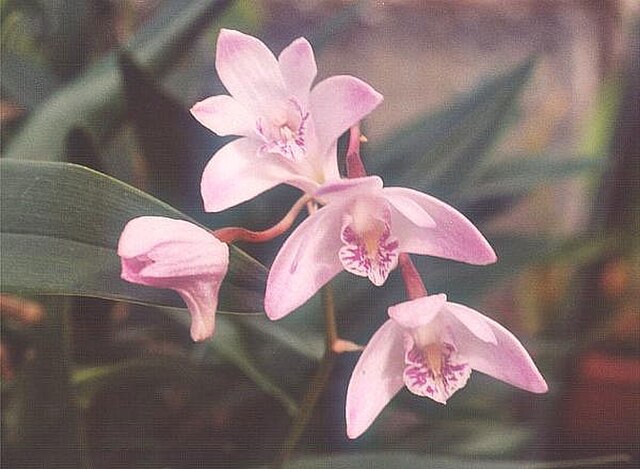
Leptotes are extremely small, reaching just 5–10 cm in height, and adapt exceptionally well to terrariums. Their white to pale purple gradient is beautiful, making them ideal for beginners.
Dracula are native to the cloud forests of Colombia and Ecuador, naturally occurring in misty, humid environments. Their uniquely face-like flowers command distinctive presence, making them perfectly suited to terrariums.
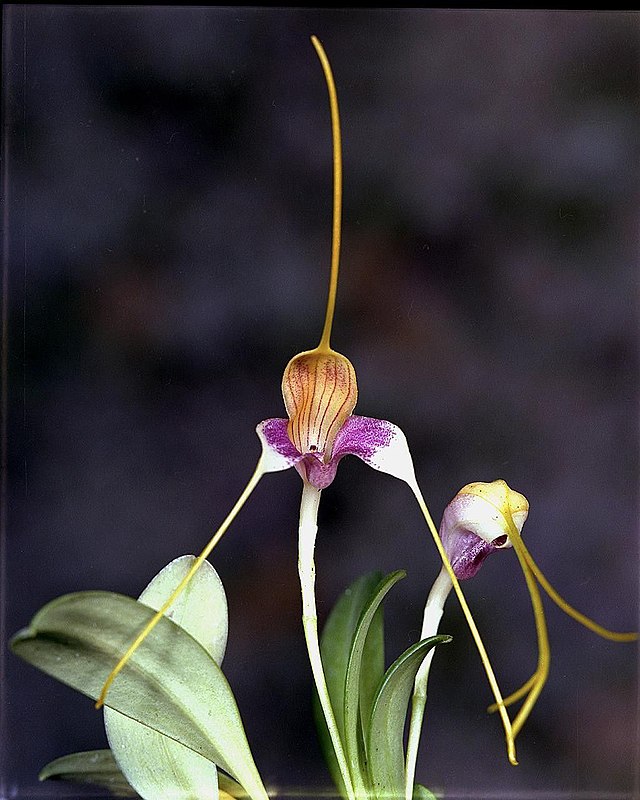
Masdevallia prefer cool, humid conditions and require careful summer management, but their compact size and abundant flowering make them popular.
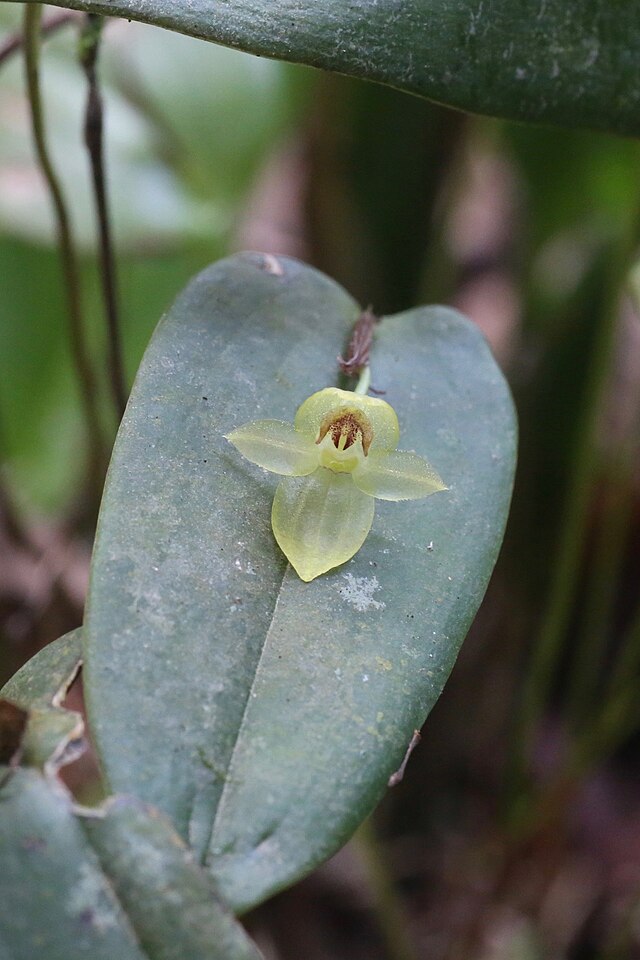
Pleurothallis comprise a large genus with over several thousand species, many of which adapt to diverse environments. Particularly cloud forest species are ideal for terrariums.
Most of these are classified as "cool growers," requiring careful temperature management during summer. Conversely, the container's stable humidity becomes beneficial during winter's dry season.
Containers and Basic Setup
When selecting a container, the balance between opening size and depth is critical. Fully sealed containers are prone to moisture accumulation and root rot, so semi-open designs with some airflow are better suited to orchids.
Recommended containers:
- Large glass bowls (wide opening, good airflow)
- Glass flower vases (approximately 30 cm height)
- Glass cases with hinged doors (with ventilation openings)
- Front-opening glass aquarium-type terrariums for aquatic plants
Layering structure (from bottom to top):
- Lava rock or volcanic stone (3–5 cm): drainage layer
- Activated charcoal (approximately 1 cm): prevents water quality degradation and mold
- Sphagnum moss or bark mix (2–3 cm): moisture retention and aeration layer
Orchid roots require air. Preventing root rot depends on establishing a proper drainage layer to prevent water accumulation at the bottom. While sphagnum moss retains moisture effectively, it can lead to excessive humidity; mixing bark and sphagnum at a 1:1 ratio improves aeration.
Light, Water, and Temperature Management
Providing Light
Direct sunlight is harmful to orchids in terrariums. Glass acts as a lens, causing leaf burn and sudden temperature spikes within the container. Ideally, place the terrarium near a north- or east-facing window, providing bright indirect light for 6–8 hours daily. In challenging lighting conditions, LED grow lights are effective—aim for a color temperature of 5000–6500 K and illumination of 2000–4000 lux, with the light positioned 20–30 cm above the plants.
Watering Frequency
Higher container density means slower evaporation, requiring less frequent watering than traditional potted orchids. Aim for once or twice weekly, using a spray bottle to mist the sphagnum surface with just enough water that none collects in the drainage layer. Mindfully creating a dry-wet cycle—where root tips slightly dry between waterings—maintains healthy roots.
Temperature Guidelines
| Species | Ideal Temperature (Day/Night) | Summer Caution |
|---|---|---|
| Dracula | 18–22°C / 12–16°C | Requires air conditioning |
| Masdevallia | 20–25°C / 13–18°C | Dangerous above 30°C |
| Leptotes | 22–28°C / 15–20°C | Relatively hardy |
Japanese summer is the greatest challenge for cool-growing orchids. Air-conditioned indoor management or local cooling with ice packs may become necessary.
Combining Moss and Epiphytic Plants
While mini orchids are beautiful alone, combining them with moss and epiphytic plants elevates the overall composition dramatically.
Hinoki moss (Pyrrosia lingua) creates a dense green carpet, serving both as decoration and moisture retention at the container's base. Placing it to cover the orchid's root area evokes the atmosphere of a natural forest floor.
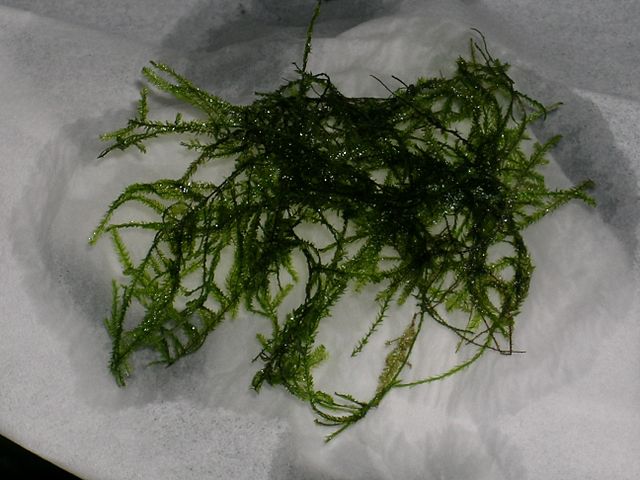
Willow moss can be anchored to driftwood or stone, gradually retaining moisture and supporting humidity maintenance.
Small-form Tillandsia (air plants) are epiphytic like orchids and thrive in humid environments. T. ionantha and T. fuchsii are compatible with mini terrariums.
Epiphytic cultivation on driftwood or cork bark is also recommended. By securing mini orchid roots directly to driftwood using sphagnum, arranging them three-dimensionally within the container better replicates their natural epiphytic environment. Roots breathe more easily, and the balance of moisture and air is simpler to maintain.
Common Problems and Solutions
Mold Develops Insufficient airflow is usually the cause. Widen the container opening and remove the lid daily for a few minutes to ventilate. Remove moldy portions with tweezers and lightly dust the affected area with cinnamon powder, which functions as a natural antimicrobial agent.
Leaves Yellowing Suspect insufficient light or root rot. Examine the roots; remove any that appear brown and decayed with scissors, then allow to dry. Dusting the cut surface with activated charcoal powder provides sterilization.
Flowers Won't Bloom Many species require a day-night temperature difference (approximately 5–8°C) as a flowering trigger. During winter, deliberately creating a temperature gradient by positioning the terrarium near a cool window can promote flowering.
Roots Press Against Container Walls and Extend Outside Glass Epiphytic orchid roots naturally grow toward light. While roots pressing against glass itself poses no problem, they dry easily, so mist regularly with a spray bottle. If the terrarium becomes crowded, consider moving to a slightly larger container.
Orchids in terrarium cultivation are living interior décor that subtly transforms daily. The joy of creating a small ecosystem within a container brings a unique satisfaction distinct from traditional potted cultivation. Start with hardy Leptotes or small Dendrobium varieties known for strong epiphytic vigor, and take your first step into the world of terrariums.