How to Grow Mini Orchids | Care and Display of Small Species and Mini Phalaenopsis Orchids
Introducing space-efficient mini orchids. This guide explains the characteristics, temperature management, watering frequency, and display methods for small species such as mini phalaenopsis orchids, Leptotes, and Sophronitis hybrids on tables and desks.
Key Takeaways
Introducing space-efficient mini orchids. This guide explains the characteristics, temperature management, watering frequency, and display methods for small species such as mini phalaenopsis orchids, Leptotes, and Sophronitis hybrids on tables and desks.
Related Species
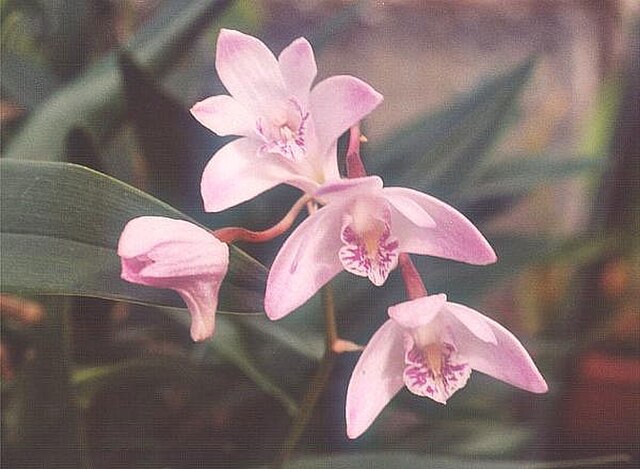
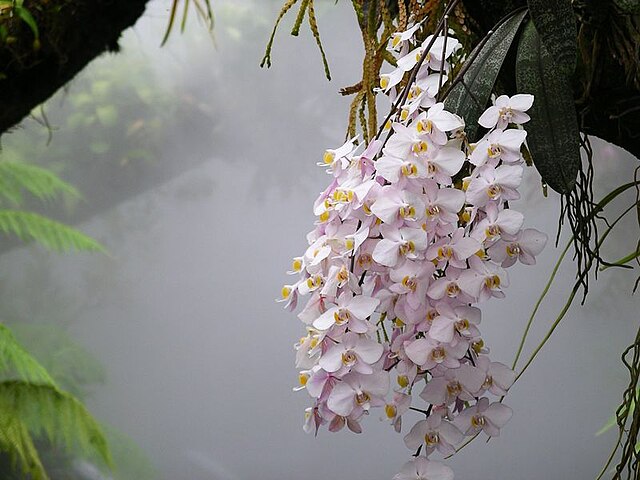
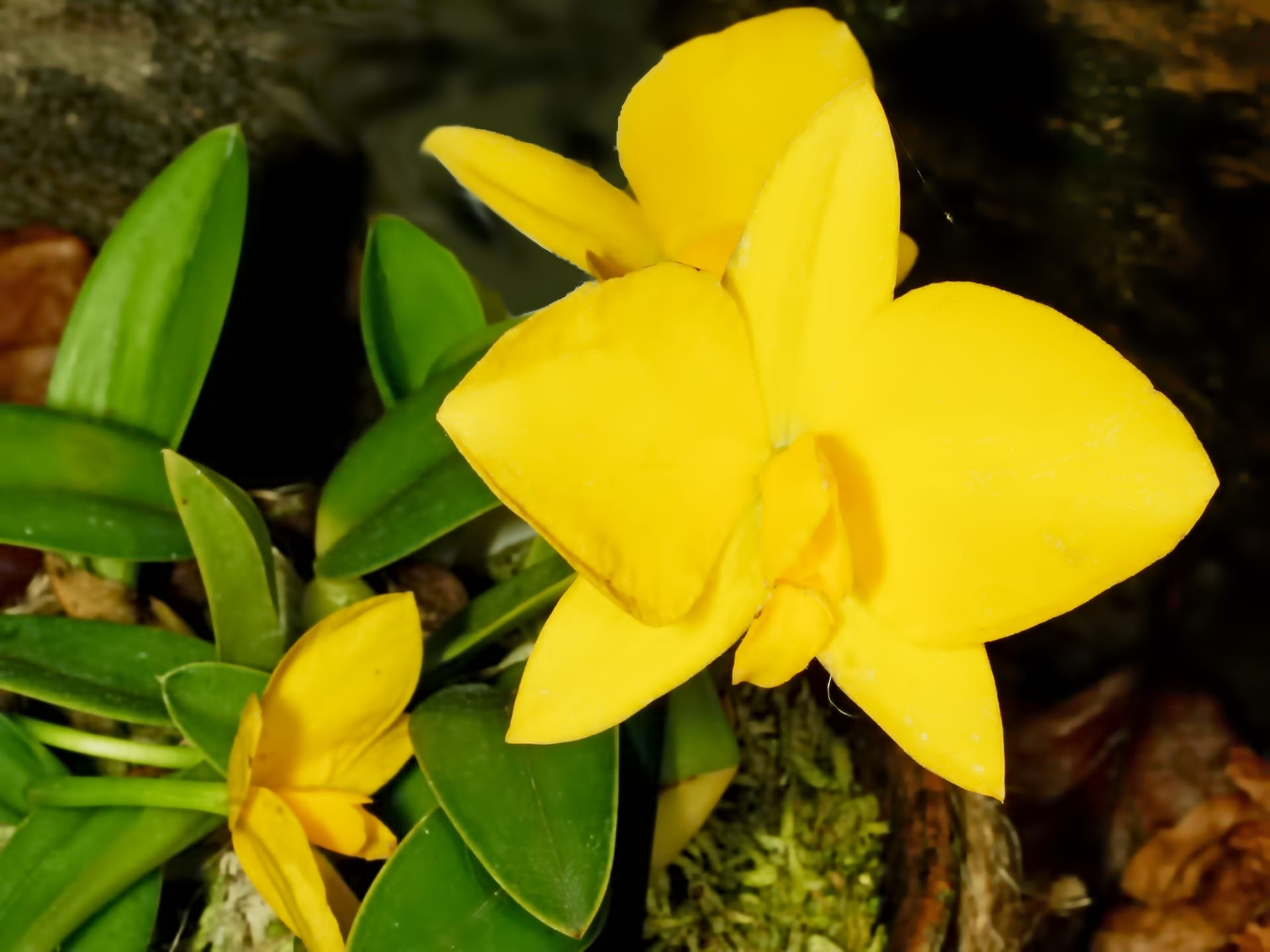
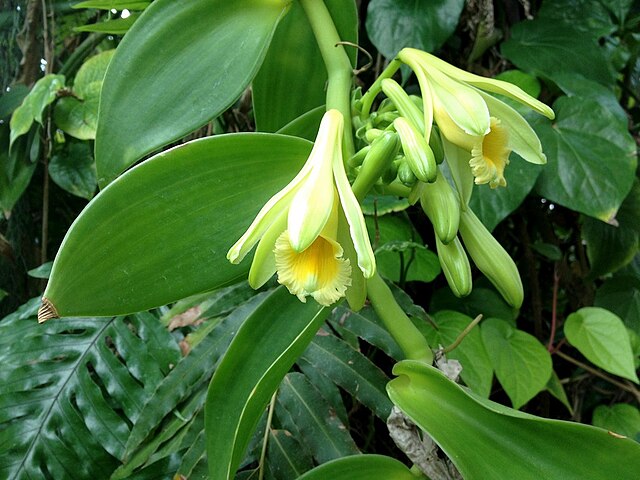
Mini orchids (small orchids) are attractive because they're easy to grow even in limited space, and you can enjoy building a collection by arranging them on tables and windowsills. Despite their compact size, they produce abundant, eye-catching flowers and are popular with orchid beginners.
Types of Mini Orchids
Mini Phalaenopsis Orchids
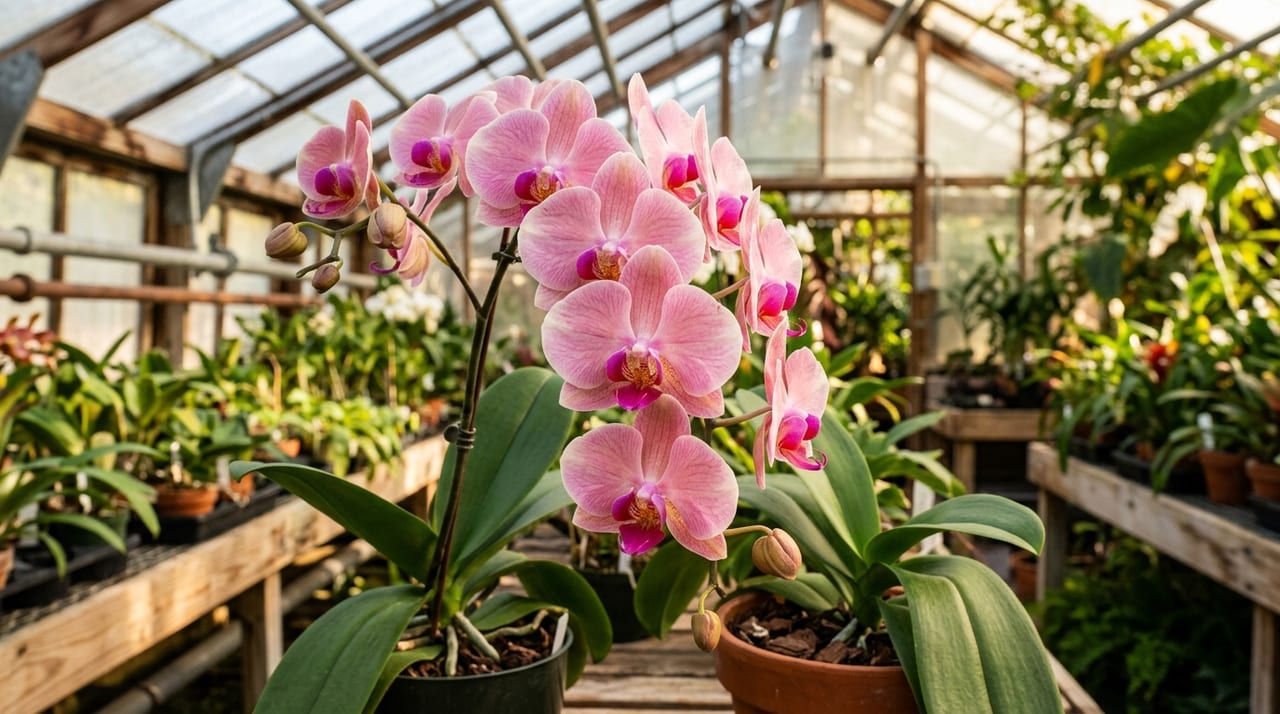
These are miniature varieties of standard phalaenopsis orchids, typically with flower diameters of 3-5 cm. Plants are usually 20-30 cm tall and can be displayed on tables or shelves in their pots. Care methods are similar to standard phalaenopsis orchids, but because of their smaller size, they dry out faster, so attention to watering frequency is important. Representative varieties include original species mini phalaenopsis such as P. equestris (Phalaenopsis equestris).
Leptotes (Leptotes bicolor)
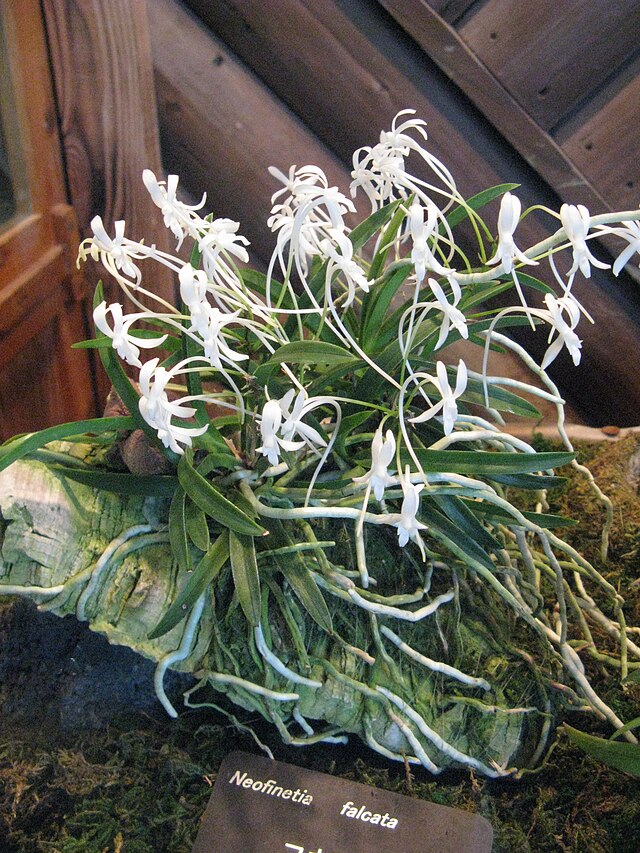
A small epiphytic orchid native to Brazil that produces white to pink flowers with a sweet vanilla-like scent. Its delicate, densely clustered leaves create a charming form and it is well-suited to mounting on cork boards. It prefers bright light and watering after the growing medium has dried.
Sophronitis/Sophronitis Species
Ultra-small species native to Brazil that produce vivid red to orange flowers. Plant size is extremely small, typically 5-10 cm, making them popular with collectors. They require high humidity and cool summer conditions, so cultivation difficulty is moderately high.
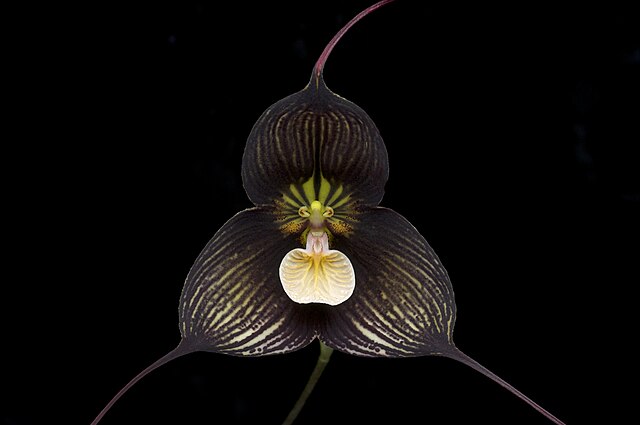
Dracula Species (Dracula spp.)
A small species from Central and South America characterized by unique flowers with long, drooping tail-like structures. Since flowers emerge from the bottom of the pot, they are cultivated in slit baskets or mounted. They prefer cool environments with high humidity.
Mini Dendrobium
Small species and original species of Dendrobium, with diverse varieties including Dendrobium anosmum and small cultivars of similar types. Care follows standard Dendrobium management practices.
Temperature Management
Temperature requirements vary by species.
| Species | Ideal Daytime Temp | Minimum Temp | Classification |
|---|---|---|---|
| Mini Phalaenopsis | 25-30°C | 15°C or above | Warm-loving |
| Leptotes | 20-28°C | 10°C | Intermediate |
| Sophronitis/Sophronitis | 18-25°C | 8-10°C | Cool-intermediate |
| Dracula | 15-22°C | 8°C | Cool-loving |
Warm-loving species are relatively easy to grow even in Japanese summers, but cool-loving species require special summer heat management, sometimes necessitating cultivation in air-conditioned rooms.
Watering and Growing Media
Watering
Small species use less growing medium than larger varieties and dry out faster, sometimes requiring watering 2-3 times per week during the growing season (spring-fall). However, to prevent root rot, always water only after the medium has dried.
Growing Media and Potting Materials
- Mini terracotta pots + fine-grade bark (mixed with coconut charcoal or pumice)
- Mounting on small cork boards
- Mini baskets + sphagnum moss
Pot size should be small relative to the plant (just enough for the roots to fit snugly). Oversized pots have poor drainage and can cause root rot.
Display Ideas
Tables and Desks
Plant in small terracotta or ceramic pots and display at a height where the flowers are visible. You can enjoy a collection display by arranging 3-5 different varieties together.
Windowsills
Hang mounted plants using S-hooks in bright windows, or install shelving on the windowframe. Light filtered through sheer curtains provides ideal brightness for mini orchids.
Shelves
Arrange mini pots on attractive wooden shelves to incorporate them into your decor. It's practical to place shade-tolerant varieties on lower shelves and light-loving varieties on upper shelves.
Wall Display
Mounted plants on cork boards can be hung on walls using picture rails or hooks. Arranging multiple species on cork boards creates a gallery-like display.
Fertilizing and Repotting
Because mini orchids have small pots, the growing medium breaks down quickly, requiring more frequent repotting than standard-sized orchids. Repot about once per year in early spring with fresh moss or bark. Use fine-grade media and select pots that fit the roots snugly. Oversized pots have poor drainage and increase the risk of root rot.
During the growing season, apply diluted liquid fertilizer about twice monthly. The trick is to dilute it 2-3 times more than normal strength. Applying full-strength fertilizer to small pots can damage the roots.
Points to Check When Purchasing
- Leaves have a healthy shine and uniform color
- Roots are white to green and healthy (without many brown rotted roots)
- The base of the plant is stable and firmly anchored
- No signs of pests or diseases (especially scale insects and spider mites)
- Pseudobulbs are well-developed and firm
Common Mini Orchid Growing Problems
Underwatering: Because of the small pot size, plants dry out quickly and water deprivation is easy to overlook. Frequent checking is especially important in summer. Prolonged dryness causes leaf wrinkles and pseudobulb shrinkage.
Heat stress: Cool-loving species such as Sophronitis and Dracula face their greatest challenge in Japanese summers. They require refuge in air-conditioned rooms or active air circulation with fans to control temperature rise.
Scale insects: Mini orchids have narrow gaps between leaves and stems where scale insects easily hide. Make a habit of checking the undersides of leaves during watering and remove any found with an alcohol-soaked cotton swab.
Purchase Confidently from GrowerDirect
Because mini orchids are easily damaged during shipping due to their small size, it's important to purchase from reliable sellers. At GrowerDirect, you can buy healthy specimens directly from specialized mini orchid growers and consult about placement and temperature management before purchase. Careful packaging ensures plants arrive in excellent condition. Comprehensive support for first-time mini orchid selection is available, so start your collection with GrowerDirect.