Complete Guide to Growing Oncidium | Tips for Getting Yellow Flowers to Bloom Every Year
This guide explains the basics of growing Oncidium, including temperature and light management, watering, repotting methods, and tips for getting flowers to bloom every year, in an easy-to-understand format for beginners.
Key Takeaways
This guide explains the basics of growing Oncidium, including temperature and light management, watering, repotting methods, and tips for getting flowers to bloom every year, in an easy-to-understand format for beginners.
Related Species
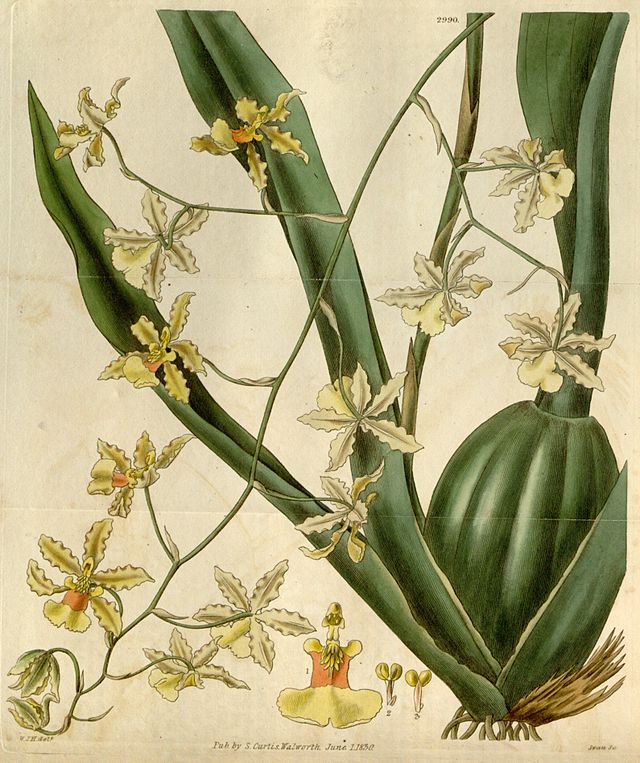
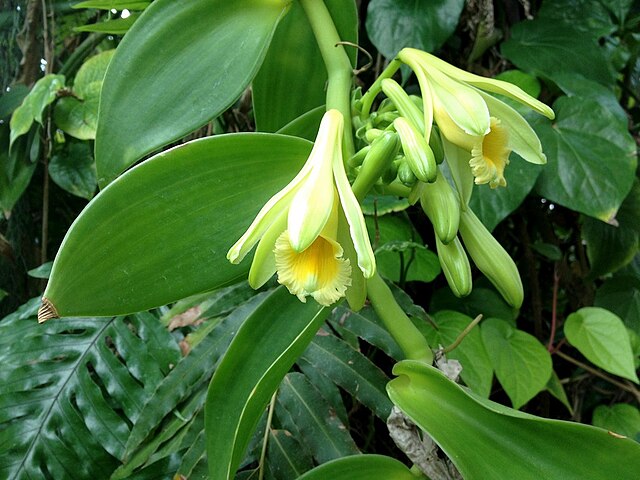
Oncidium, also called the "Dancing Lady Orchid," is an orchid characterized by numerous small yellow flowers blooming on branched flower spikes. It is popular second only to Phalaenopsis and Dendrobium orchids, and with its long-lasting flowers, it is highly valued as a cut flower. Hardy and easy to grow, it is one of the orchids recommended for beginners. Here we explain in detail the cultivation tips for enjoying Oncidium for years to come.
Basic Characteristics and Varieties of Oncidium
Oncidium is a epiphytic orchid native to the tropical and subtropical regions of Central and South America. It has the characteristic of storing water in its pseudobulbs, giving it a degree of drought tolerance. While there are over 600 species in the wild, the hybrids that are distributed in horticulture are primarily those producing yellow flowers.
Representative varieties include "Aloha Iwanaga," "Sharry Baby (chocolate fragrance)," and "Twinkle (vanilla fragrance)." Sharry Baby is especially popular for its sweet fragrance, while Twinkle is compact and well-suited for indoor cultivation as it takes up little space.
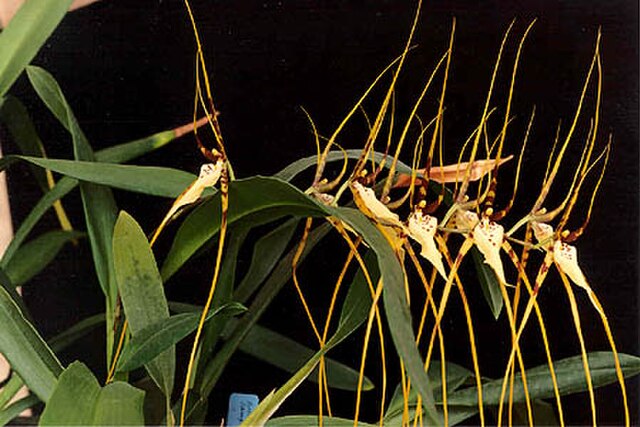
In recent years, hybridization with Oncidium-related genera has progressed, and varieties like "Brasidium" (Brassia × Oncidium) and "Miltoniidium" (Miltonia × Oncidium) are also appearing in garden centers. These orchids offer diverse flower forms and colors, making them highly collectible.
Light and Temperature Management
Oncidium prefers relatively strong light among orchids. It requires a brighter environment than Phalaenopsis, with bright indirect light through lace curtains or dappled sunlight being ideal. Insufficient light prevents pseudobulbs from developing properly and causes flowering to fail. On the other hand, direct summer sunlight causes leaf burn, requiring 30-50% shade cloth.
The ideal temperature range is 15–30℃ (59–86℉). Most hybrid varieties can tolerate temperatures as low as 10℃ (50℉), but ideally, temperatures should stay above 15℃ (59℉) even in winter. On the other hand, a temperature difference between day and night (5–10℃) in autumn is important for flower bud initiation. Placing the plant in an environment where night temperatures drop to 15–18℃ (59–64℉) around September to October promotes flower bud differentiation.
In summer, place the plant in a well-ventilated location. Poor air circulation causes root rot and disease, so use a circulator to keep air flowing.
Watering and Humidity
Water Oncidium based on the condition of its pseudobulbs. Wrinkles appearing on the pseudobulb are a sign of water shortage. Generally, water thoroughly 1–2 days after the sphagnum moss or bark surface dries.
During the growing season (spring to autumn), when new shoots and pseudobulbs are developing, water more generously. Pay particular attention to avoiding water shortage from when new shoots begin growing until the pseudobulb is complete. Conversely, during the winter dormant period, reduce watering frequency to approximately once every two weeks.
Humidity of 50–70% is appropriate. When using air conditioning in winter, humidity tends to drop, so use a humidifier or place water-filled trays to compensate. However, avoid keeping the area around the plant constantly wet; providing a moderate dry period helps ensure well-developed pseudobulbs.
Repotting and Fertilizing
Repot once every 2 years in spring (March to April) when new growth begins. Sphagnum moss or medium-grade bark is the standard growing medium. Sphagnum moss pairs well with unglazed pots, while bark works well with plastic pots.
Oncidium follows a "forward-growing" growth pattern, producing new shoots in front. When repotting, position the newest pseudobulb in the center of the pot and leave space for new shoots to emerge. Keep approximately three previous pseudobulbs and remove those before them at their base.
During the growing season, apply diluted liquid fertilizer approximately twice a month. Use a balanced formula (N:P:K ≈ 6:6:6) diluted to 2000 times strength. After autumn, when pseudobulbs are complete, discontinue fertilizing to promote flower bud differentiation.
Tips for Blooming
Developing well-formed pseudobulbs is most important for Oncidium flowering. From spring through autumn, provide strong light, adequate water, and proper fertilizing to develop thick pseudobulbs. Once the pseudobulb is complete, the flower spike emerges from its base.
Flower spikes can grow 30–50 cm or more, so support them with stakes. Avoid moving the pot while the flower spike is elongating. Changes in direction can cause stress. Flowers last approximately 1–2 months after blooming.
Once flowers fade, cut the flower spike at its base. Unlike Phalaenopsis, old flower spikes on Oncidium do not rebloom. It is wise to remove the flower spike early, directing the remaining pseudobulb's energy to new growth.
Comparison of Major Varieties
| Variety | Flower Color | Fragrance | Size | Features |
|---|---|---|---|---|
| Aloha Iwanaga | Yellow | None | Medium | The most common standard variety |
| Sharry Baby | Reddish-brown | Chocolate | Medium | Popular for its sweet fragrance |
| Twinkle | White to pink | Vanilla | Dwarf | Compact, ideal for indoor growing |
| Wild Cat | Yellow + brown markings | None | Large | Striking flower pattern |
Common Problems and Solutions
Pseudobulbs become wrinkled: Water shortage is the cause. During the growing season, water thoroughly until pseudobulbs are plump and firm.
Leaf tips brown and die back: Caused by dryness or fertilizer burn. Increase humidity or review your fertilizer concentration.
Flower spike does not elongate: The pseudobulb may not be sufficiently developed, or light is insufficient. Focus on growing well-developed pseudobulbs in the next season.
Major Variety Comparison Chart
| Variety | Flower Color | Fragrance | Bloom Size | Blooming Period | Difficulty |
|---|---|---|---|---|---|
| Aloha Iwanaga | Yellow | None | 3–4 cm | Autumn to winter | Low |
| Sharry Baby | Reddish-brown | Chocolate | 2–3 cm | Autumn | Low to medium |
| Twinkle | White to pink | Vanilla | 1–2 cm | Autumn to winter | Low |
| Wild Cat | Yellow + brown markings | None | 4–5 cm | Irregular | Medium |
Common Problems and Solutions
Pseudobulbs become wrinkled: This is a sign of water shortage. During the growing season, water thoroughly until the pseudobulbs become full and plump.
Leaf tips brown and die back: Caused by dryness or fertilizer burn. Ensure adequate humidity and always dilute fertilizer to the specified concentration or less.
Flower spike does not elongate: Caused by insufficient pseudobulb development or insufficient light. In the next season, provide plenty of sunlight and appropriate fertilizing to develop thick pseudobulbs.
Flower spike breaks midway: Support with stakes early and guide the stem. When the flower spike is still soft, you can bend and secure it to create a beautiful arched form.
Find Your Favorite Oncidium on Botachoku
On Botachoku, you can purchase various Oncidium varieties directly from specialty growers. You may discover varieties with wonderful fragrance or compact size that are hard to find in regular retail. Since you can consult directly with growers about cultivation, you'll have strong support even if growing Oncidium for the first time.