Paphiopedilum (Lady's Slipper) — Natural Distribution and Cultivation Environment
A detailed explanation of Paphiopedilum's natural habitat and optimal cultivation environment based on it.
Key Takeaways
A detailed explanation of Paphiopedilum's natural habitat and optimal cultivation environment based on it.
Related Species
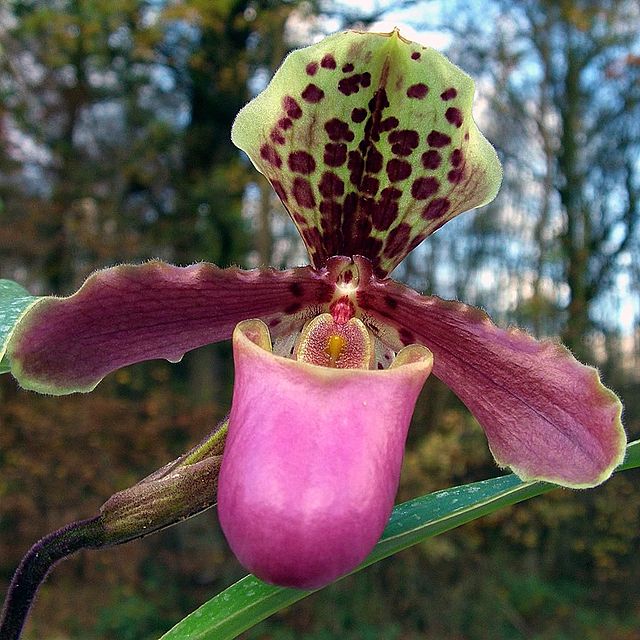
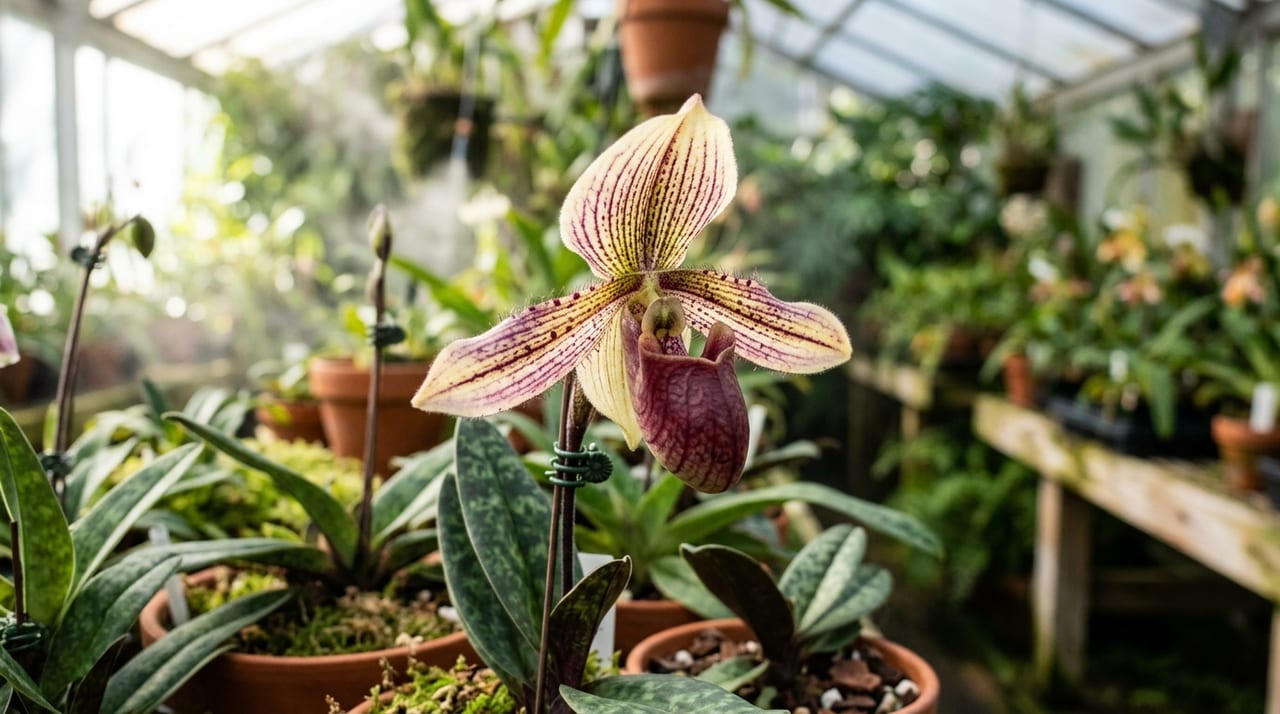
Paphiopedilum is a fascinating orchid known by the affectionate name "Lady's Slipper" because of its distinctive pouch-shaped petals. This orchid, naturally distributed across tropical and subtropical regions centered in Southeast Asia, can be grown beautifully at home by understanding its native habitat environment. This article provides a detailed explanation of Paphiopedilum's natural habitat characteristics and methods for building an ideal cultivation environment based on them.
Natural Distribution and Growth Environment of Paphiopedilum
Paphiopedilum is naturally distributed across a vast region, from northern India through Myanmar, Thailand, Vietnam, southern China, Malaysia, Indonesia, to the Philippines. While these orchids grow at various elevations from 100 meters to over 2,000 meters, many species inhabit montane forests at elevations of 500 to 1,500 meters.
In these regions, Lady's Slipper is primarily found on the forest floor in limestone areas, on slopes rich in humus, and in moist areas along valleys. It grows as either an epiphyte or terrestrial plant on tree roots, rock crevices, and moss-covered rocks, thriving under soft indirect light while avoiding direct sunlight. In its natural habitat, moderate humidity is consistently maintained by morning mist and night dew, with good air circulation.
Climate Conditions of the Natural Habitat
While climate in Paphiopedilum's natural habitat varies by species, it generally exhibits the following characteristics. Regarding temperature, there is approximately a 10-degree difference between day and night, with gradual seasonal changes. Lowland species experience temperatures ranging from 20 to 30 degrees Celsius year-round, while highland species range from approximately 15 to 25 degrees.
Humidity is high year-round at 60 to 80%, with frequent rainfall especially during the growing season. However, many species experience distinct dry and wet seasons, and these seasonal changes play an important role in flower bud formation. Regarding light environment, the orchids grow in dimly lit areas beneath the canopy, receiving approximately 10 to 30 percent of direct sunlight.
Building a Cultivation Environment
Temperature Management Tips
To replicate the natural habitat environment, proper temperature management is essential when cultivating Paphiopedilum. For warm-region lowland species, temperatures must remain above 15 degrees Celsius even in winter, and care should be taken to keep summer temperatures below 30 degrees. For cool-region highland species, summer heat management is particularly important, ideally keeping temperatures at 25 degrees Celsius or below.
Maintaining a 5 to 10-degree temperature difference between day and night helps sustain natural growth rhythms. This can be achieved through management near windows or nighttime ventilation. Seasonal temperature fluctuations are also important, with temperature drops from autumn through winter particularly promoting flower bud formation in many species.
Light Environment Adjustment
When cultivating Lady's Slipper, avoiding excessively bright light is key to success. Direct sunlight causes leaf scorch, so management under filtered light through sheer curtains or in bright shade is appropriate. Ideal light intensity is approximately 10,000 to 15,000 lux, equivalent to a well-lit indoor windowsill.
By observing leaf color, you can assess whether light levels are appropriate. Healthy leaves are deep green with a glossy sheen; if leaves turn yellow-green, light is too strong; if leaves are dark green and lack luster, light may be insufficient. Since the sun's angle changes seasonally, periodic adjustment of the plant's location is necessary.
Watering and Humidity Management
In Paphiopedilum's natural habitat, roots are constantly in a moderately moist environment. Therefore, in cultivation, watering before the substrate becomes completely dry is the basic principle. Generally, watering two to three times per week is a guideline, though adjustments based on season and environment are necessary.
When watering, water thoroughly until it drains from the pot's drainage holes, and it's important to replace stale air inside the pot with fresh air. Water quality also requires attention; since these orchids prefer soft water, the use of rainwater or water filtered through a water purifier is recommended. It is ideal to maintain humidity at 60% or higher, with methods such as using a humidifier or placing the pot on pebbles in a water-filled tray being effective.
Substrate and Planting Material Selection
In its natural range, Paphiopedilum grows in humus-rich soil and in bark crevices. To replicate this, cultivation uses substrate with a balance of drainage and water retention. Generally, a mixture of bark chips, pumice, sphagnum moss, and perlite is appropriate.
Substrate composition preferences vary by species; terrestrial species benefit from higher proportions of leaf mold and peat moss, while epiphytic species prefer a coarser mixture based primarily on bark chips. Ideal substrate pH is neutral to slightly alkaline (pH 6.5 to 7.5), and for species native to limestone regions, adding a small amount of dolomite limestone improves growth.
Repotting is done once every two to three years in early spring when new shoots begin to emerge. Old substrate must be completely removed as it can cause root rot, and damaged roots should be trimmed with clean scissors. Choosing a pot slightly smaller than the plant's size helps prevent excessive moisture.
Fertilizer Management and Nutrient Supply
In nature, Paphiopedilum gradually absorbs nutrients from fallen leaves and animal droppings, but in cultivation, regular fertilization is necessary. From spring through autumn during the growing season, apply diluted liquid fertilizer approximately once every two weeks. It is important to dilute to half strength or less, as concentrated fertilizer can damage roots.
Use balanced fertilizer with nitrogen, phosphorus, and potassium as a base, and during flowering period, using fertilizer with a higher phosphorus ratio improves flower production. In winter, when growth slows, reduce or stop fertilization entirely. Additionally, supplying micronutrients is important; applying liquid fertilizer containing micronutrients several times per year improves leaf color and luster.
Pest and Disease Management and Daily Care
While Paphiopedilum is relatively resistant to pests and diseases, caution is needed in high-humidity environments. The most common problem is root rot, caused by excessive moisture and poor air circulation. Prevention relies on maintaining appropriate watering intervals and ensuring good ventilation. Bacterial leaf spot diseases producing black spots on leaves can also occur; affected areas should be promptly removed and treated with fungicide.
Scale insects and spider mites can occur as pests. Through regular observation, aim for early detection, and once found, remove them physically with a soft brush or treat with appropriate pesticides. Aphids readily attach to new shoots, so special attention is needed in early spring.
In daily care, removing dead flower stems, removing old leaves, and regularly rotating the pot are important tasks. These activities ensure even light distribution across the entire plant and help suppress pest and disease occurrence. Additionally, since Lady's Slipper grows slowly, patient, long-term management is essential.
Successfully cultivating Paphiopedilum comes down to understanding its natural habitat environment and creating conditions similar to it. By managing each element—temperature, light, moisture, and humidity—in balance and providing careful consideration based on each species' characteristics, beautiful Lady's Slipper blooms can be enjoyed at home. By cultivating with awareness of the natural habitat and with care, this fascinating orchid will surely respond to your efforts. Through cultivation, while reflecting on Southeast Asia's rich natural environment, please fully enjoy the charm of Paphiopedilum.