How to Grow Phalaenopsis Orchids | Post-Bloom Care and Tips for Re-flowering
A guide to caring for Phalaenopsis orchids received as gifts, so you can enjoy them long-term. Explains post-bloom flower stem cutting, root care, repotting, and how to manage temperature, light, and fertilizer to make them bloom again.
Key Takeaways
A guide to caring for Phalaenopsis orchids received as gifts, so you can enjoy them long-term. Explains post-bloom flower stem cutting, root care, repotting, and how to manage temperature, light, and fertilizer to make them bloom again.
Related Species
Phalaenopsis Orchids: Basics and Characteristics
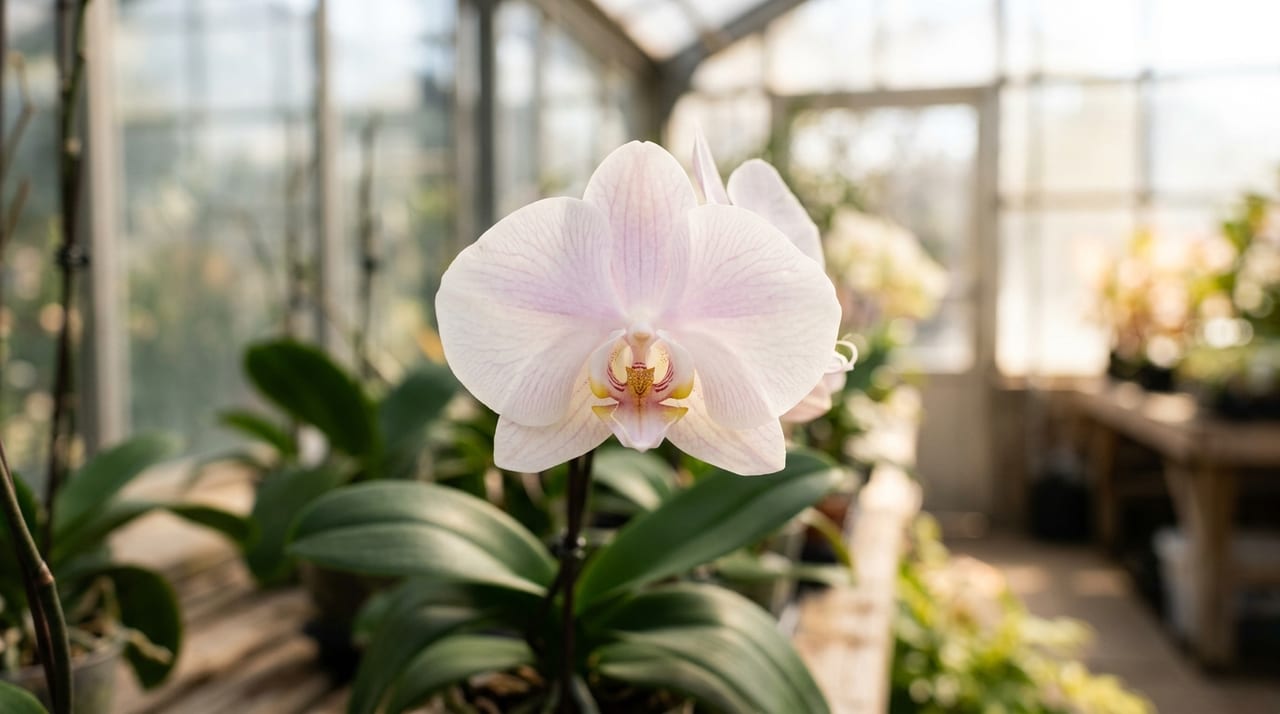
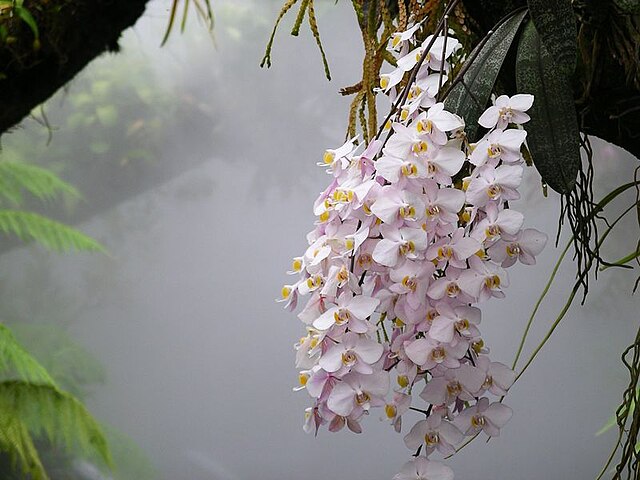
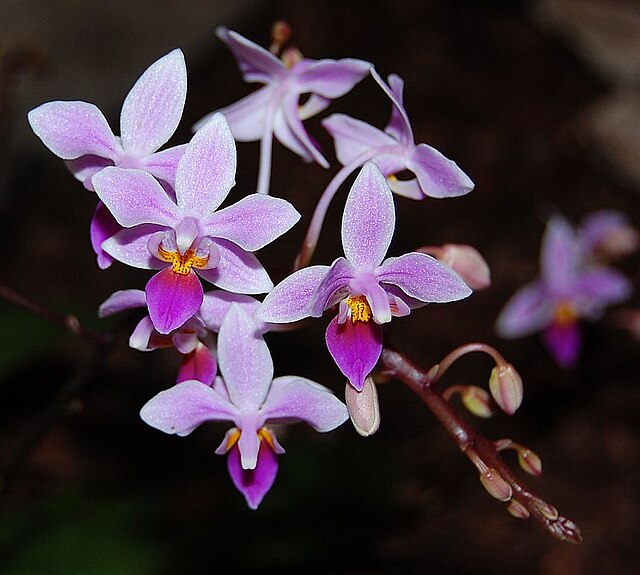
Phalaenopsis orchids are epiphytic orchids native to Southeast Asia (Philippines, Taiwan, Indonesia, and more). In nature, they grow on tree trunks and rocky surfaces, absorbing moisture and nutrients from the air. This epiphytic nature is the foundation for care methods that differ significantly from typical houseplants.
The scientific name is Phalaenopsis spp.; the Japanese name "Phalaenopsis" (literally "moth orchid") derives from the flower's resemblance to fluttering butterflies. The natural blooming season is typically February through April, but can be adjusted with environmental control. With proper care, plants can live over 10 years and become long-term companions that bloom every year. Phalaenopsis equestris, a species form, produces small flowers in abundance and is easy to grow indoors; miniature Phalaenopsis is also recommended for those who want a compact plant.
Phalaenopsis orchids are often received as gifts, but it's wasteful to discard them when the flowers fade. With proper post-bloom care and fall temperature management, you can make them bloom every year thereafter. As of 2026, more people are choosing table-size miniature Phalaenopsis in addition to large pots with many flowers.
---
Post-Bloom Care | Stem Cutting and Recovery
Where to Cut the Flower Stem
Once all flowers and buds have finished blooming, promptly process the flower stem. There are two cutting options.
- Cut at the base (recommended): Focuses the plant's energy on building healthy leaves and roots, leading to vigorous blooms next year. This is the safer option for beginners and smaller plants.
- Cut 2–3 cm above a node: New flower stems may emerge from lateral buds. However, this depletes the plant's energy; only attempt this on vigorous plants with at least 5 leaves and well-developed roots.
In either case, always use clean scissors disinfected with alcohol. Apply a commercial fungicide or cinnamon powder to the cut to prevent bacterial infection.
Post-Bloom Dormancy Care
Spring through early summer after cutting the flower stem is the "recovery period." Rather than forcing blooms during this time, focusing on building healthy roots and leaves is the quickest path to re-flowering next year. Maintain a balance of watering and fertilizing while waiting for new roots and leaves to emerge.
---
Daily Care Basics | Water, Light, Temperature, Fertilizer
Watering
For Phalaenopsis orchids as epiphytes, "distinct wet and dry cycles" are essential. Constantly wet conditions cause root rot.
- Spring to summer (growth season): Water 1–2 times per week until water drains from the pot bottom
- Fall to winter (dormancy): Every 2 weeks to once a month, only after roots are completely dry
With transparent plastic pots, you can judge moisture levels by root color. Green roots indicate moisture; white to silver roots signal it's time to water. Always empty water from saucers to prevent root rot.
Light Management
Direct sunlight causes leaf scorch. "Bright indirect light" is ideal; east- or north-facing windows are perfect. Soft light filtered through sheer curtains also works well. Too-strong light turns leaves yellow-green; insufficient light produces dark green, weak growth. Under proper light, leaves develop a bright green, compact appearance.
Temperature
The ideal growing temperature is 15–28°C (59–82°F). Aim to maintain at least 15°C (59°F). Below 10°C (50°F), growth stops, plants weaken, and damage occurs. Windows can be drafty in winter nights; move plants away from windows at night.
Fertilizer
During the growth season (April–September), apply liquid orchid fertilizer (such as Hyponex for orchids) diluted to 1,500–2,000x concentration 2–3 times per month. Apply fertilizer after watering; never apply to dry roots as this causes fertilizer burn. Reduce or stop fertilizing in winter (October–March).
---
Repotting | Healthy Roots Are Key to Re-flowering
Signs It's Time to Repot
Repot if any of these apply:
- Roots protrude outside the pot
- Roots are brown to black and mushy
- Potting medium (bark) is crumbling
- It's been over 2 years since the last repotting
Best Time and Steps for Repotting
Spring (April–June) after blooming is ideal. Avoid repotting in midsummer or midwinter.
- Gently squeeze the pot while carefully removing the plant to avoid damaging roots
- Carefully remove old bark and inspect the roots
- Cut away brown or black rotted roots at the base with clean scissors
- Plant in a pot one size larger (slotted pots or orchid baskets are ideal) using fresh medium- to large-grade bark
- Secure the roots so they don't shift, and hold off watering for a week to allow cuts to dry
Root health directly determines next year's flower count. Carefully organizing roots during repotting is essential for long-term plant health.
---
Tips for Re-flowering | Fall Temperature Management Is Key
Phalaenopsis flower bud formation is triggered by temperature fluctuations. This is the most crucial point.
How to Induce Flower Buds
From late summer through fall (September–October), place plants where the day-night temperature difference is around 10°C (18°F) for 2–4 weeks. Ideally, this means daytime around 25°C (77°F) and nighttime 15–18°C (59–64°F). Outdoor balconies or well-ventilated windowsills work well; just keep temperatures above 10°C (50°F).
During this period, reduce watering slightly; keeping roots slightly dry promotes flower bud formation.
Care After Bud Formation
Once small buds appear near the base of the flower stem, flower bud formation has succeeded. Move to a warm indoor location (20–25°C / 68–77°F) and resume normal care. Blooming typically takes 2–4 months after bud formation.
Avoid sudden environmental changes (moving, temperature shifts) while stems are developing. These can cause bud drop.
---
Common Problems and Solutions
Root Rot
Caused by overwatering and leaving water in saucers. Remove all rotted roots and repot in dry, fresh bark. Switch to distinct wet-dry watering cycles going forward.
No Blooms or Buds
Usually due to insufficient fall temperature fluctuations. Insufficient light or excess fertilizer can also be culprits. Next fall, strictly apply temperature management.
Yellow Leaves or Leaf Drop
Main causes are leaf scorch from direct sun, root problems, or cold damage. Review placement and check root health. Loss of 1–2 lower leaves with yellowing is natural and not a concern.
Bud Drop
Caused by sudden temperature changes, dryness, or direct AC or heater drafts. During blooming, maintain a stable environment and keep plants away from direct HVAC drafts.
---
Summary
Re-flowering cycles follow this pattern: post-bloom recovery → summer growth → fall temperature management → winter bud formation and blooming. Understanding their epiphytic nature and maintaining three key practices—wet-dry watering cycles, proper light, and fall temperature management—form the foundation of long-term cultivation.
Once you master these techniques, Phalaenopsis orchids become long-lived houseplants that bloom beautifully every year, bringing color to your life. From large hybrid varieties to easy-to-grow miniatures, the range of options to suit your space and preferences is part of what makes Phalaenopsis orchids so appealing.