How to Enjoy Succulent Autumn Colors | Conditions for Color Development and Variety Selection
Explanation of the mechanism of succulent autumn coloration and conditions for beautiful color development. Introduction of varieties prone to autumn coloring and management techniques.
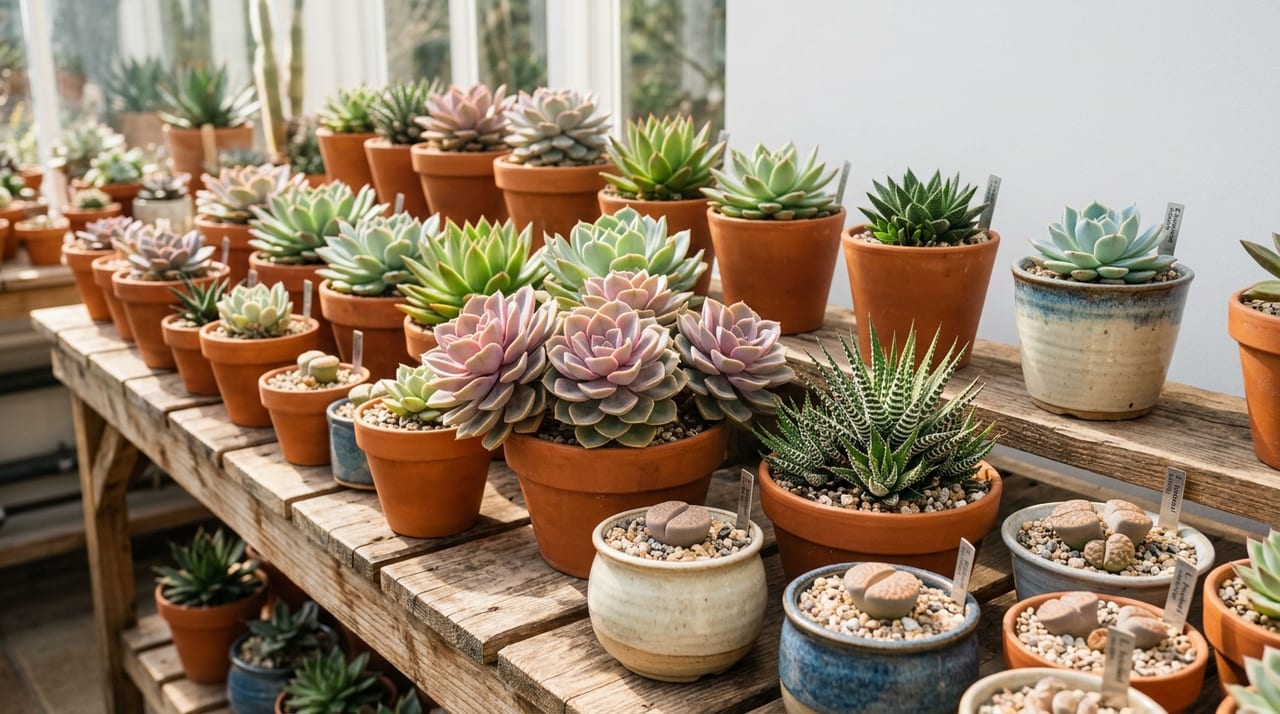
Key Takeaways
Explanation of the mechanism of succulent autumn coloration and conditions for beautiful color development. Introduction of varieties prone to autumn coloring and management techniques.
Related Species
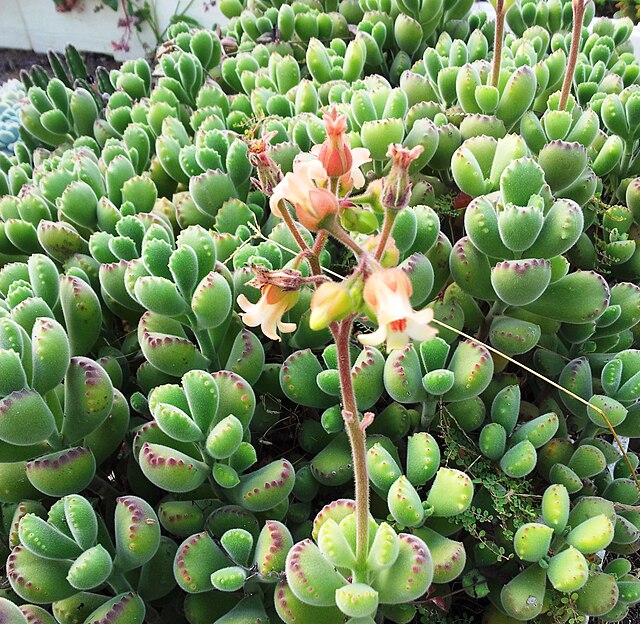
Bear's Paw
View species details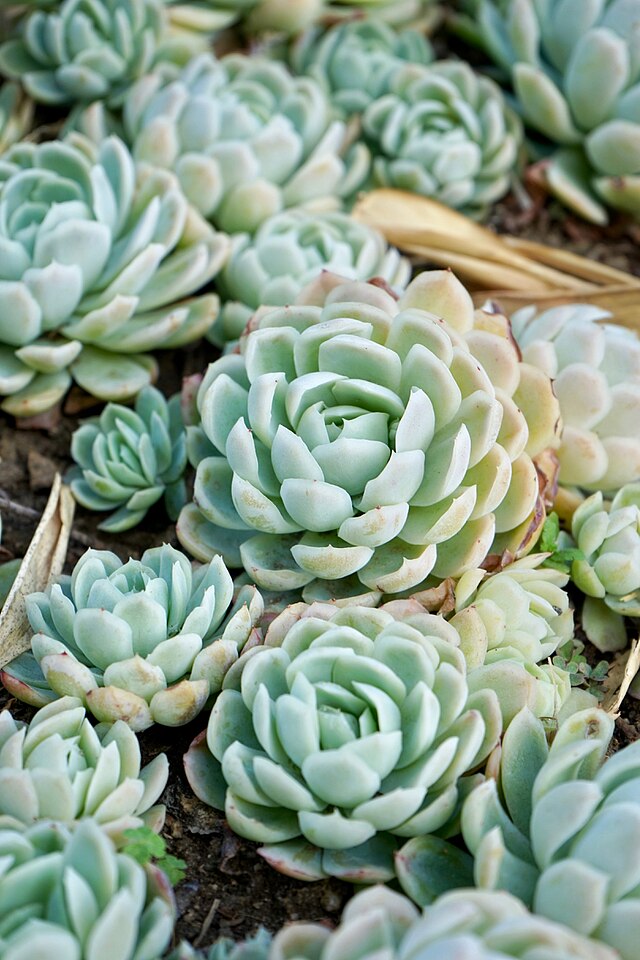
Echeveria
View species detailsEcheveria chihuahuaensis
View species detailsEcheveria lilacina
View species details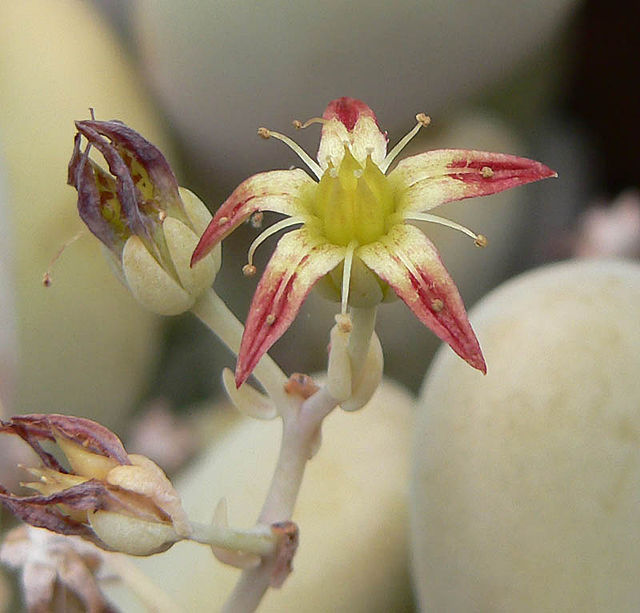
Graptopetalum
View species details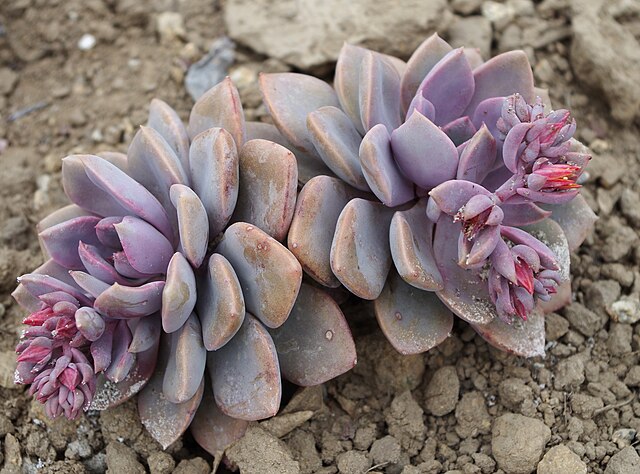
Graptoveria
View species details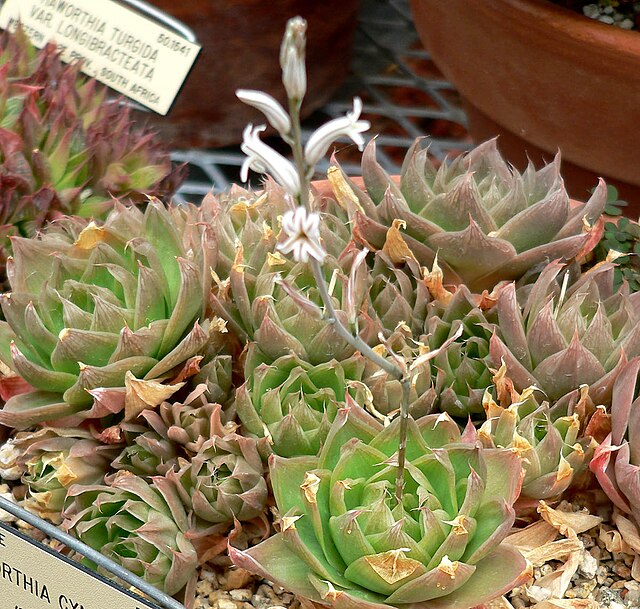
Haworthia
View species details
Jelly bean plant
View species detailsSucculent autumn coloration is the phenomenon where leaves turn pink, red, purple, orange, and other colors from autumn through winter. The beauty of autumn-colored succulents is exceptional, transforming them into what seem like entirely different plants compared to their solid green summer appearance. Intentionally drawing out this color transformation is one of the greatest pleasures of succulent cultivation. Here we explain the mechanism of autumn coloration and techniques for beautiful color development.
The Mechanism of Succulent Autumn Coloration
Succulent autumn coloration occurs through a mechanism similar to that of deciduous tree foliage.
Anthocyanin Production Due to stress from temperature drops and ultraviolet radiation, a red pigment called anthocyanin accumulates in the leaves. This is the true nature of autumn coloration. Anthocyanin plays a role in protecting cells from ultraviolet radiation and is a type of plant defense response.
Decrease in Chlorophyll As temperatures drop, photosynthesis efficiency declines, and chlorophyll (the green pigment) production decreases. As the green color fades, carotenoids (yellow-toned pigments) and anthocyanins that were already present become more visible.
The Three Key Conditions for Autumn Coloration For beautiful autumn coloration, it is important that three conditions align: 'temperature fluctuation,' 'sunlight,' and 'dryness.' The better balanced these three factors are, the more vivid autumn coloring can be enjoyed. Conversely, if kept in a warm indoor environment with frequent watering, autumn coloration will hardly occur.
Choosing Varieties That Color Easily
Not all succulents develop autumn coloration. Variety selection is important.
Echeveria Echeveria is the classic autumn-coloring succulent. 'Minima' turns ruby red, 'Loura' turns pink, and 'Lilacina' turns pale purple. 'Chihuahuensis' develops red-tinged edges and is extremely popular.
Graptopetalum and Graptoveria 'Bronze Princess' changes to bronze color in autumn as its name suggests. 'Autumn Joy' is also a variety that colors beautifully in pink to orange tones. As it is hardy and easy to grow, it is recommended for those just starting to enjoy autumn coloration.
Sedum 'Rainbow Orb' is famous for turning bright red in autumn and winter. 'Maiden's Heart' also colors pink, with plump leaf tips that are charming.
Cotyledon 'Bear Paw' develops red coloring on the claw-like leaf tips. 'Lucky Daughter' takes on overall pink tones, and its contrast with white powder is beautiful.
Techniques for Bringing Out Beautiful Autumn Coloration
Once you've acquired autumn-coloring varieties, creating the right environment is key.
Create Temperature Fluctuations This is the most important condition. When there is a temperature fluctuation of around 15–20°C during the day and 5–10°C at night, autumn coloration is promoted. Switching to outdoor management in autumn allows you to take advantage of natural temperature fluctuations. A balcony or eave where frost does not reach is best.
Ensure Sufficient Sunlight Autumn coloring requires strong light. From autumn onward, expose the plants to sunlight for as long as possible. Remove shade cloth by October. Insufficient sunlight will dull the color development.
Water Sparingly From autumn onward, extend the intervals between watering. Watering at about half the frequency of the growing season is sufficient. Drying stress promotes anthocyanin production, leading to more vivid coloring. However, avoid complete water deprivation as it damages roots.
Limit Fertilizer Applying nitrogen-rich fertilizer promotes growth and makes autumn coloring less likely. When you want to enjoy autumn coloration, stop fertilizing completely.
Photography Tips for Autumn Coloration
Once your succulents have colored beautifully, you'll want to capture them in photographs.
Photograph in Natural Light Succulent autumn colors look most beautiful in natural light. Soft morning light is recommended. Direct sunlight creates overly harsh shadows, so overcast days are also good for photography.
Keep the Background Simple A white or light gray background brings out the autumn colors. Simply using a plain paper or board as a background will dramatically improve the appearance.
Make Use of Macro Mode Using your smartphone's macro mode or a close-up lens allows you to capture the gradient of autumn colors in detail. Focusing on the color changes at the leaf edges or the translucent parts will create an impressive photograph.
Peak Autumn Coloring and Transition to Spring
Autumn coloration does not last forever. Management that adapts to seasonal changes is essential.
Peak Autumn Coloring Generally, December through February is peak autumn coloring season. A cold snap can sometimes deepen the colors all at once. However, if temperatures remain below freezing, there is a risk of frost damage, so bring plants indoors if the minimum temperature drops below 0°C.
Return to Green in Spring From March onward, as temperatures rise, the plants gradually return to green. This is a normal change and nothing to worry about. Once autumn coloring ends, switch to growing season management and resume watering and fertilization.
Beautiful autumn coloration is one of the greatest pleasures of succulent cultivation. On GrowerDirect, some growers specialize in cultivating varieties with beautiful autumn colors. Peak-season photos show the plants in full color, so you can confirm the actual autumn coloring before making a purchase—a wonderful feature.
Checklist if Plants Don't Color
If a variety that should color isn't developing autumn colors, check the following causes.
- Is there insufficient temperature fluctuation in indoor management?
- Is sunlight exposure adequate (is it in the building's shadow)?
- Are you watering too frequently?
- Are you applying nitrogen fertilizer?
- Is it simply a variety that doesn't color easily? (Haworthia and similar varieties don't develop autumn colors)