Source: Wikimedia Commons
Agave Nizandensis
IntermediateAgave nizandensis
An ultra-small agave that fits in the palm. Delicate species with narrow leaves radiating densely.
About
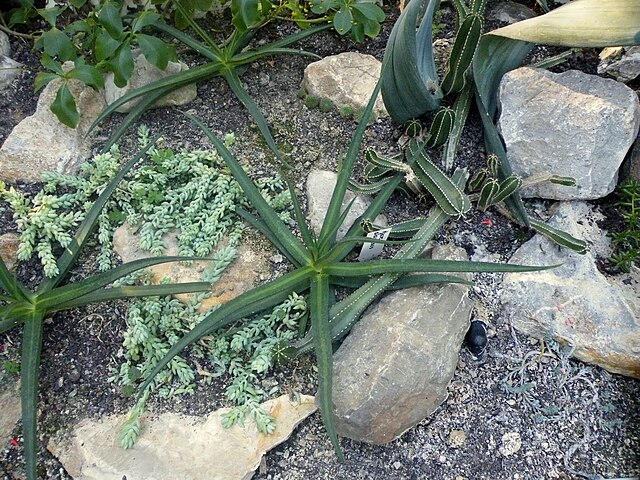
Agave nizandensis is an ultra-small species native to a very restricted area near Nizanda in southern Oaxaca, Mexico. At maturity, plants measure only 5–15 cm in diameter—among the smallest in the entire genus. The narrow, relatively soft leaves radiate densely outward with minute marginal teeth. Its tiny stature and restricted range raise conservation concerns about wild populations. Growth is extremely slow, and a single plant can be kept in a small pot for many years. Full sun is preferred, but the delicate leaves can sunburn under intense light, so some moderation in summer is wise. Water sparingly with a well-draining mix; reduce to near-drought in winter. Its minuscule size makes it suitable for windowsill culture and even terrarium-style displays. It is genuinely rare in cultivation, and specimens are eagerly sought by collectors when they appear.
Lifespan of the Agave Nizandensis
The Agave Nizandensis lives Perennial (10-20 years).
Size of the Agave Nizandensis
The Agave Nizandensis grows to 5-15cm.
Temperature & humidity for the Agave Nizandensis
Cold tolerance is around 5°C—protect from frost.
Basic Info
Origin
Oaxaca (near Nizanda), Mexico
Lifespan
Perennial (10-20 years)
Size
5-15cm
Temperature
5〜40℃
Watering & Fertilizer
Minimal
Growing Tips
Light & Placement
It likes direct sun, but the soft leaves scorch easily, so give bright partial shade in midsummer. A bright indoor windowsill also works.
Watering
Water sparingly, once the soil has dried. It dislikes excess moisture, so never let the pot stay wet.
Temperature & Overwintering
Cold tolerance is about 5°C. In winter keep it out of frost and above 5°C.
Soil & Repotting
Use a fast-draining mix. Even mature plants are only 5-15 cm across and grow slowly, so it can stay in a small pot for years.
Dormancy Care
In winter keep it almost completely dry. Watering in the cold season easily damages the roots, so hold off until spring.
Agave Nizandensis FAQ
QWhat is the growing difficulty level for Agave Nizandensis?
Intermediate. A variety suitable for intermediate growers. Requires some cultivation experience and knowledge of environment management. Pay careful attention to temperature and humidity control.
QWhat is the lifespan of Agave Nizandensis?
The average lifespan of Agave Nizandensis is Perennial (10-20 years). With proper cultivation environment and nutrient management, you can keep it healthy for a long time.
QHow large does Agave Nizandensis get?
The mature size of Agave Nizandensis is 5-15cm. This may vary slightly depending on cultivation environment and individual differences.
QHow should I water and fertilize Agave Nizandensis?
Agave Nizandensis: watering & fertilizer — Minimal. Aim for appropriate frequency and amount.
QWhat is the typical price for Agave Nizandensis?
The price of Agave Nizandensis varies significantly by variety, characteristics, size, and lineage. Please check GrowerDirect's price guide for the latest market information.
Last updated: August 31, 2026
References & Sources
Edited & verified by: GrowerDirect Editorial Team
The classifications, regulations, and growing data on this page are created and verified based on the primary information database below.
Taxonomy & Authority
Regulations & Conservation Status
Sources: CITES Appendices (List of species protected by CITES Appendix II) / Ministry of the Environment Designated Invasive Species List (confirmed Agave non-applicable) / IUCN Red List of Threatened Species
Regulations may change. Always verify the latest information with the relevant authorities.
Related Species
Find listings for this species
Related Articles
Preventing Leaf Burn in Agave and Light Management | Transition Strategy from Indoor to Outdoor Cultivation
Light management strategy to prevent agave leaf burn completely while successfully transitioning from indoor to outdoor environments. This article explains practical methods including gradual light intensity adjustment, seasonal placement changes, and UV protection measures.
Tips for Cultivating White Variegated Agave Varieties
Tips for Cultivating White Variegated Agave Varieties
Complete Care Guide for Agave oteroi | Tips for Training Beautiful Large Rosettes
We explain the characteristics and cultivation of Agave oteroi, a large agave native to Oaxaca, Mexico. From placement location and soil to watering and overwintering—a practical guide for those beginning to cultivate this species.
The Deep Connection Between Agave and Tequila | The Secret of a Distilled Spirit Born from Century Plant
Tequila is made from only Agave tequilana among the Agave genus. This essay explains the ecology of century plants, the Jalisco region as a production area, and the differences from ornamental agaves.
🩺 Common diseases
Can't find the plant you're looking for?
Post your wishes for free and growers with matching plants will contact you with introductions.