Carnivorous Plant Encyclopedia
Encyclopedia of popular carnivorous plants with care guides, trapping mechanisms, and cultivation tips.
Featured Carnivorous Plant
Showing 4 of 80 species
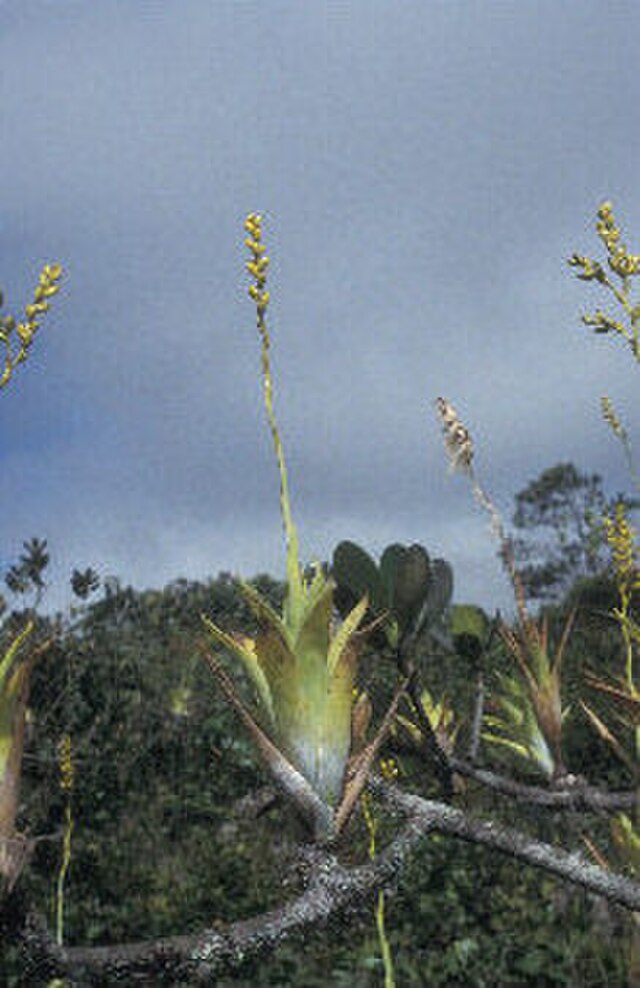 © BotBln / CC BY-SA 3.0
Catopsis Berteroniana
Catopsis berteroniana
A bromeliad carnivorous plant that traps insects with waxy leaf surfaces, drowning them in leaf-cup water for nutrients.
CarnivorousCatopsisBromeliad
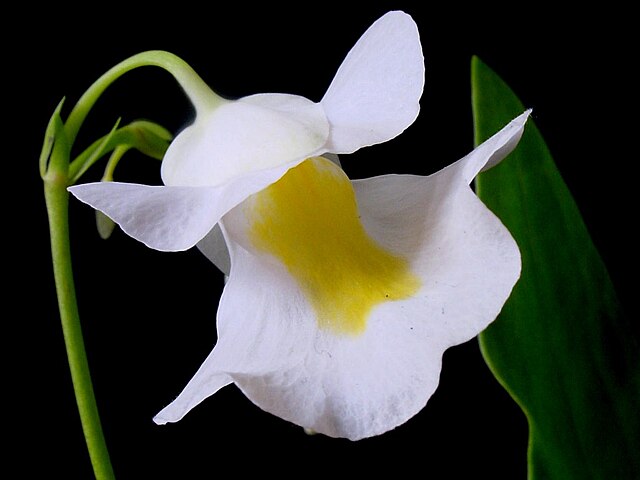 © Noah Elhardt / CC BY 2.5
Utricularia Alpina
Utricularia alpina
An epiphytic bladderwort from Central/South American highlands with large white flowers, growing on trees like orchids.
CarnivorousUtriculariaEpiphyte
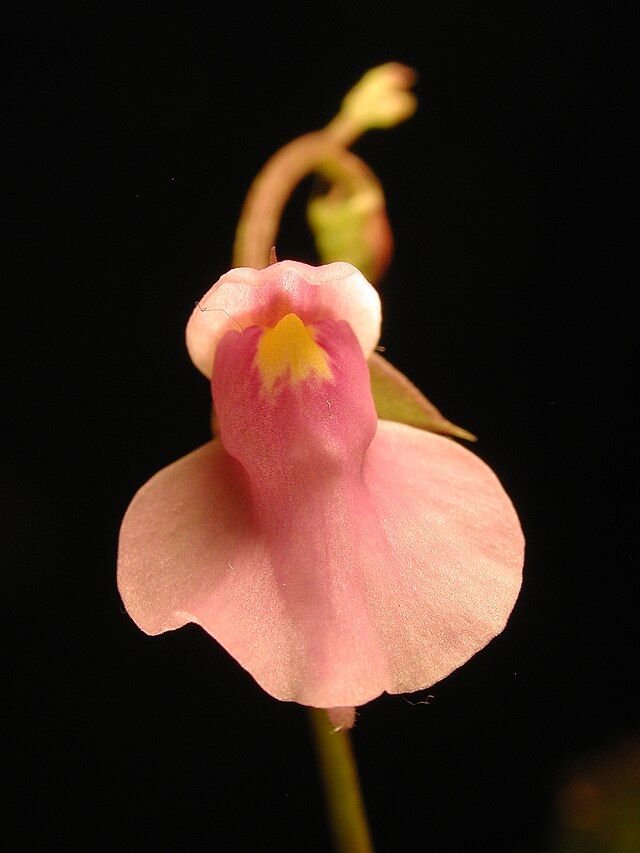 © Petr Dlouhý / CC BY-SA 3.0
Utricularia Calycifida
Utricularia calycifida
A South American epiphytic bladderwort with beautiful large purple flowers, ideal for terrariums.
CarnivorousBladderwortEpiphyte
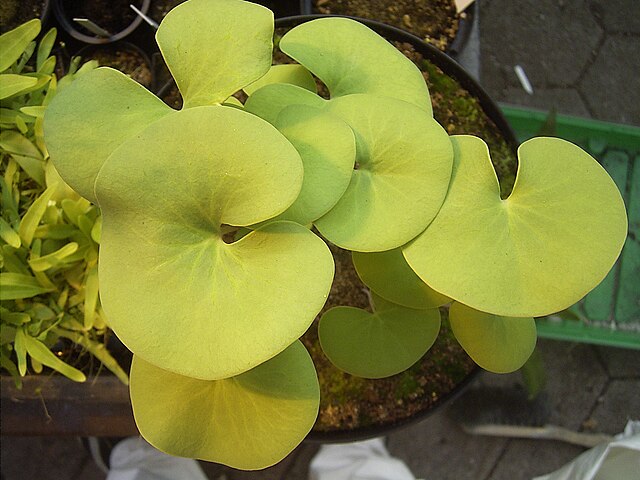 © No machine-readable author provided. Denis Barthel assumed (based on copyright claims). / CC BY-SA 3.0
Utricularia Reniformis
Utricularia reniformis
A South American epiphytic bladderwort with large kidney-shaped leaves and purple flowers.
CarnivorousBladderwortLarge
Related Content
Carnivorous Plant FAQ
- How much do carnivorous plants cost?
- Venus Flytraps cost 500-2,000 yen, Nepenthes 1,000-10,000 yen, and rare highland Nepenthes can exceed tens of thousands of yen depending on species and size.
- Can beginners grow carnivorous plants?
- Venus Flytraps, Sundews, and Sarracenia are relatively easy and beginner-friendly. Keep them in a tray of water for humidity and place in a sunny spot.
- How long do carnivorous plants live?
- Venus Flytraps can live 10+ years with proper care, and Sarracenia are similarly long-lived. Nepenthes can grow for decades in the right conditions, getting progressively larger.
- What should I check when buying carnivorous plants?
- Check that leaves and traps are healthy with no root rot. For Nepenthes, choose specimens with pitchers. Avoid sudden environment changes after purchase and acclimate gradually.
- Do I need to feed insects to carnivorous plants?
- They grow fine through photosynthesis alone without feeding. Insects are supplemental nutrition and don't need to be force-fed. Outdoor plants catch bugs naturally, which is fun to observe.