Carnivorous Plant Encyclopedia
Encyclopedia of popular carnivorous plants with care guides, trapping mechanisms, and cultivation tips.
Featured Carnivorous Plant
Showing 16 of 140 species
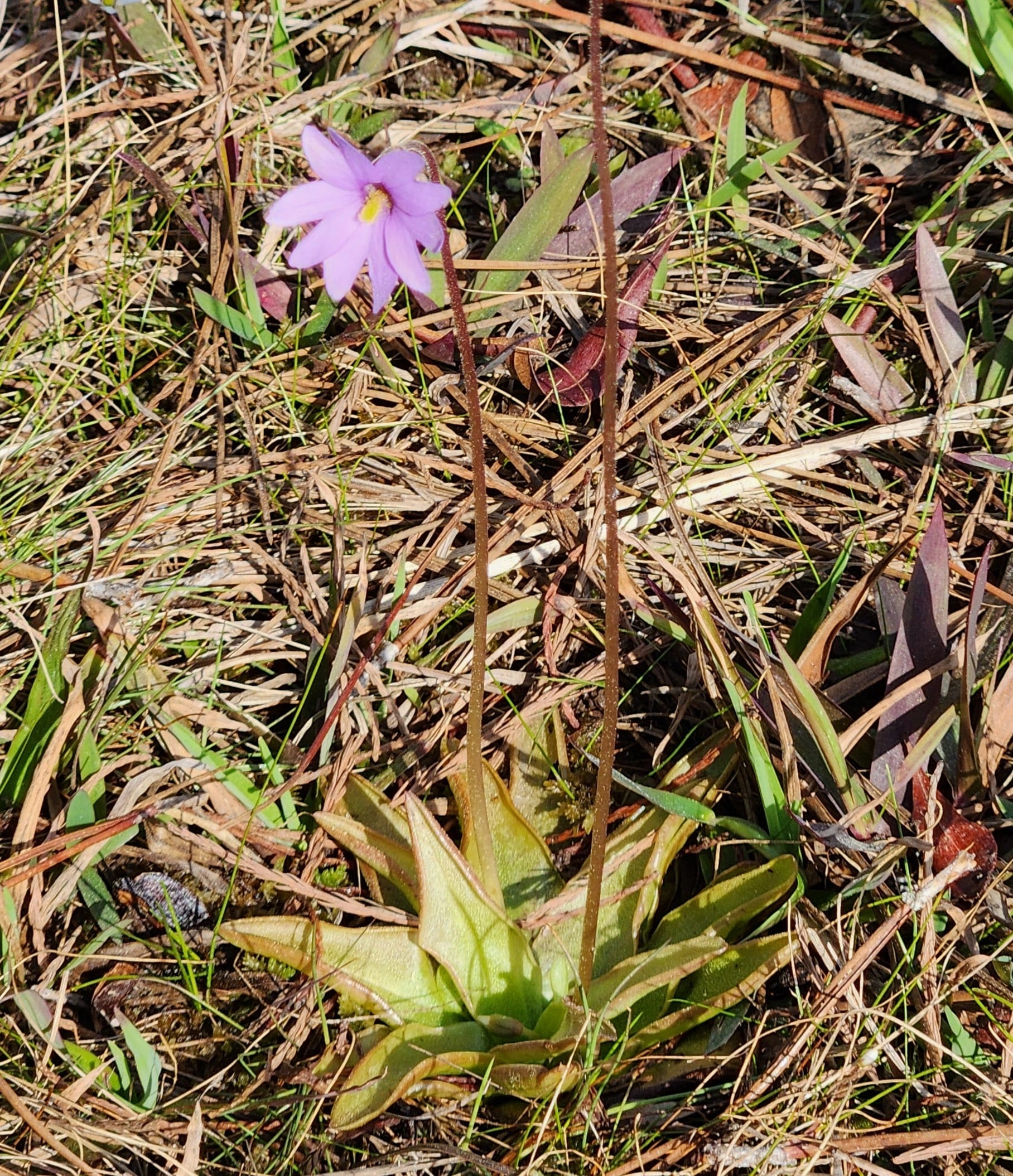 © KyleGorczynski / CC0
Chapman's butterwort
Pinguicula planifolia
A butterwort of wetlands along the US Gulf Coast. Its thin, flat leaves turn deep red to purple in full sun, and its purple flowers have petals notched almost halfway. A true wetland plant that can grow even when submerged.
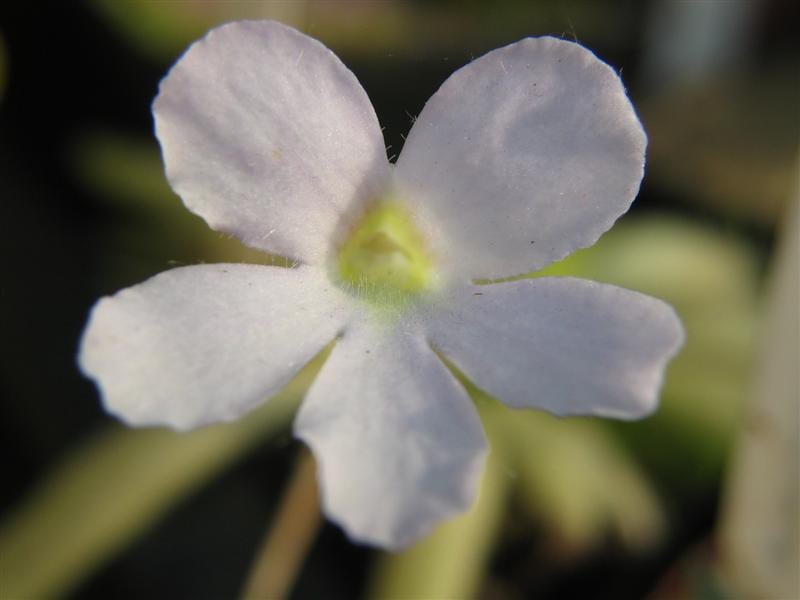 © fischermans / CC BY-SA 3.0
Pinguicula 'Aphrodite'
Pinguicula 'Aphrodite'
A Czech-raised butterwort from P. agnata × P. moctezumae. It has long, narrow, arching leaves and flowers up to 4 cm across that open dark violet and fade to pink as they age.
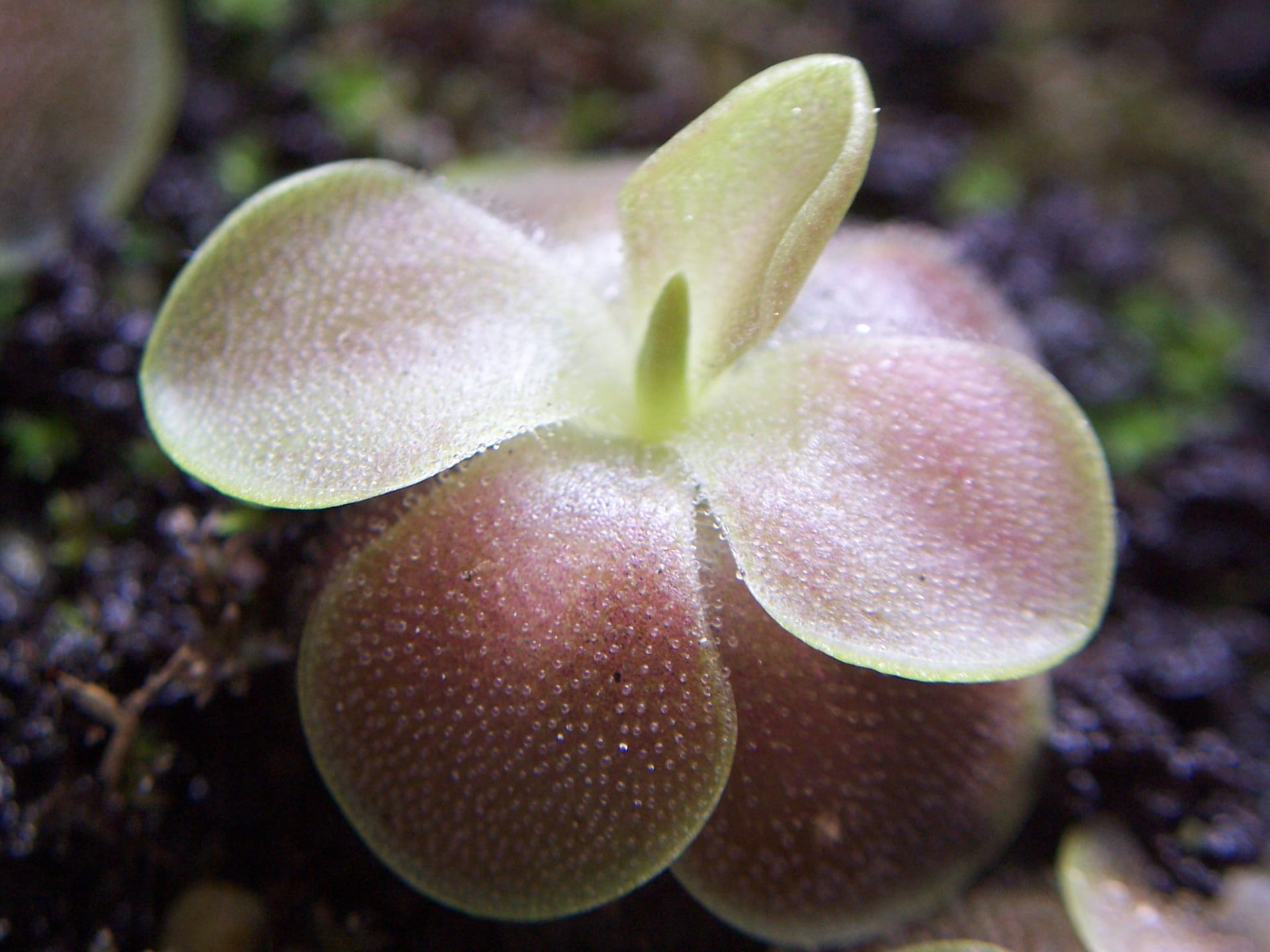 © User:Ch.Andrew / CC BY 3.0
Pinguicula 'Sethos'
Pinguicula 'Sethos'
A classic hybrid of the Mexican butterworts P. moranensis and P. ehlersiae. It flowers freely, and its large orchid-purple flowers have a white, many-rayed star at the throat.
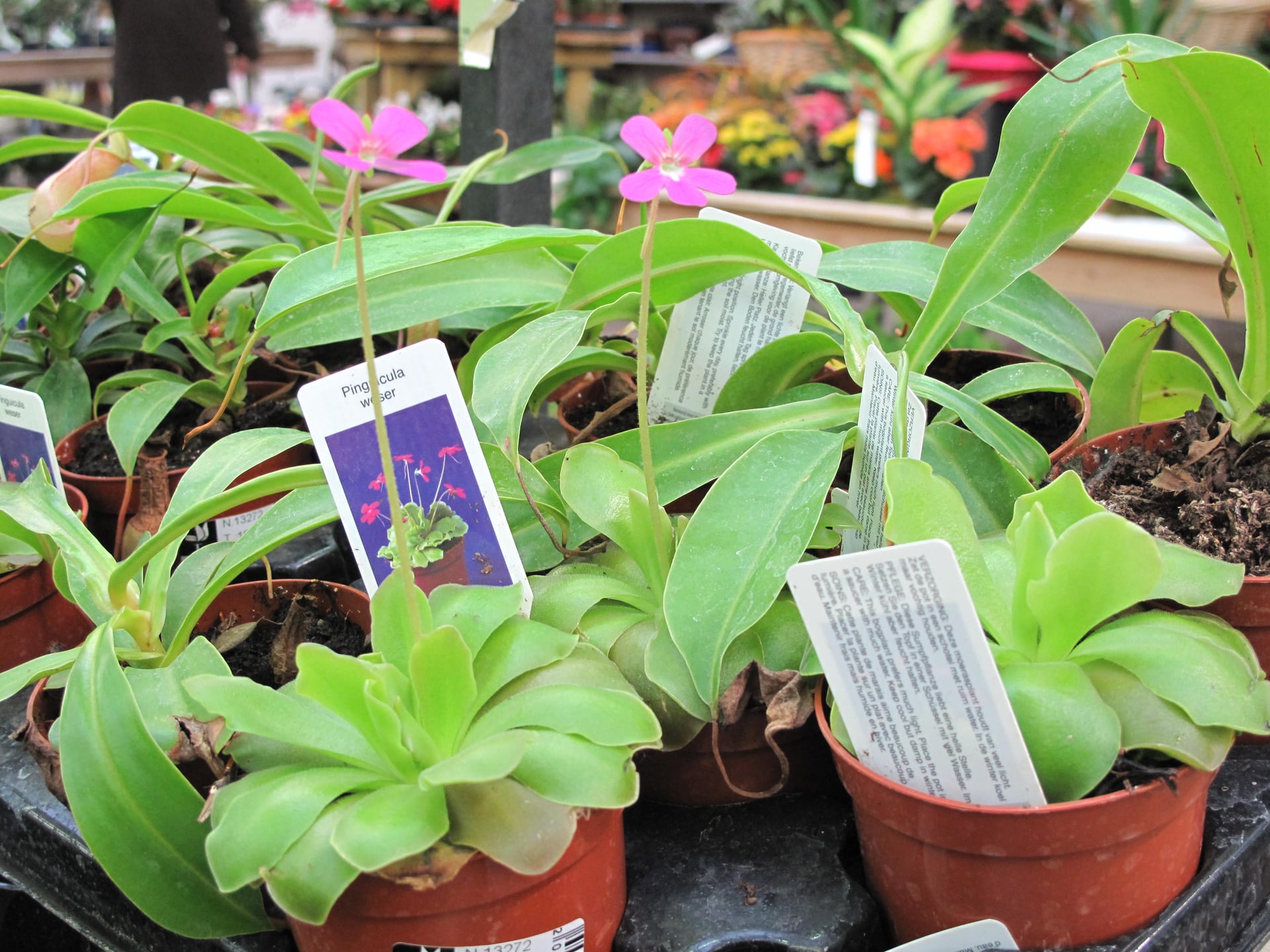 © Tangopaso / Public domain
Pinguicula 'Weser'
Pinguicula 'Weser'
A butterwort cultivar selected from the same P. moranensis × P. ehlersiae cross as 'Sethos'. The flowers resemble 'Sethos' but have a single white streak down the central lower lobe and dark veins.
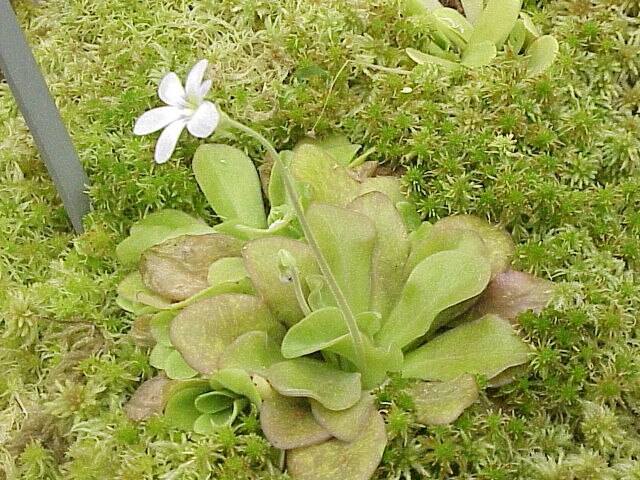 © Kurt Stüber [1] / CC BY-SA 3.0
Pinguicula Agnata
Pinguicula agnata
A hardy Mexican butterwort with blue-purple flowers and thick leaves, recommended for beginners.
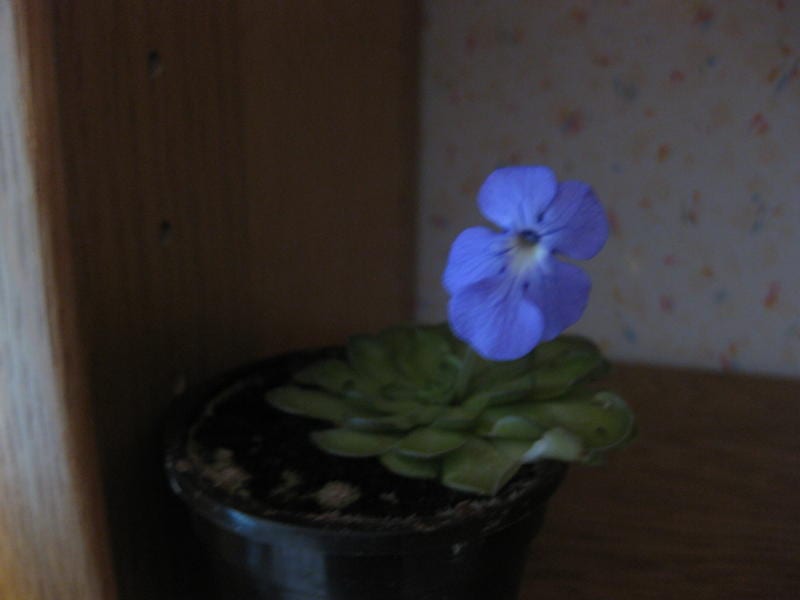 © Nephiliskos at de.wikipedia / CC BY-SA 3.0
Pinguicula cyclosecta
Pinguicula cyclosecta
A small butterwort from limestone country in north-eastern Mexico. The blue-violet edges of its fleshy leaves are unmistakable, and in strong light the whole leaf can colour. The purple flowers have evenly rounded petals.
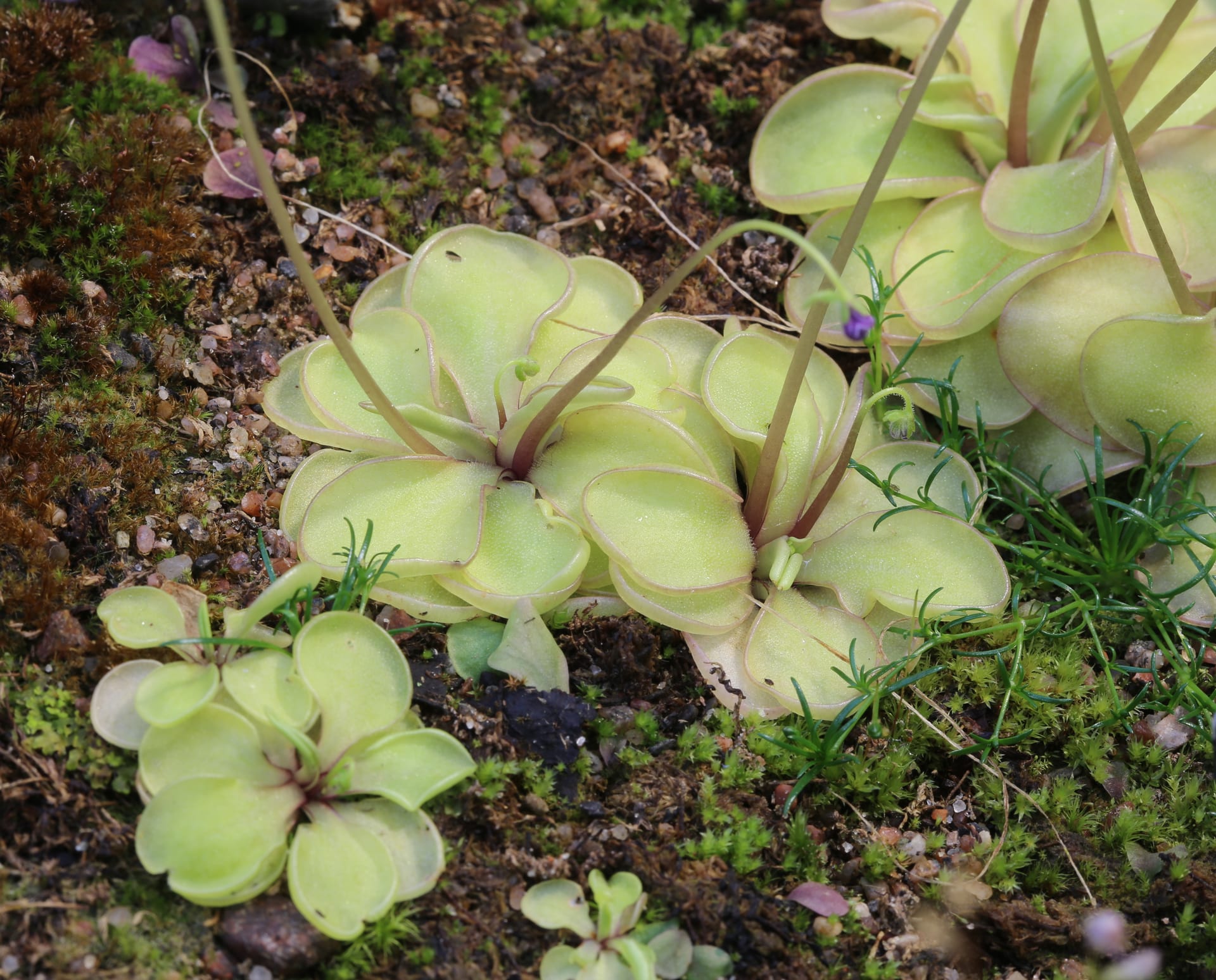 © Averater / CC BY-SA 3.0
Pinguicula emarginata
Pinguicula emarginata
A small butterwort from rock faces in Mexican cloud forest. It keeps the same leaves all year without forming a winter rosette, and its small white flowers are veined in violet; the name refers to the notched petals.
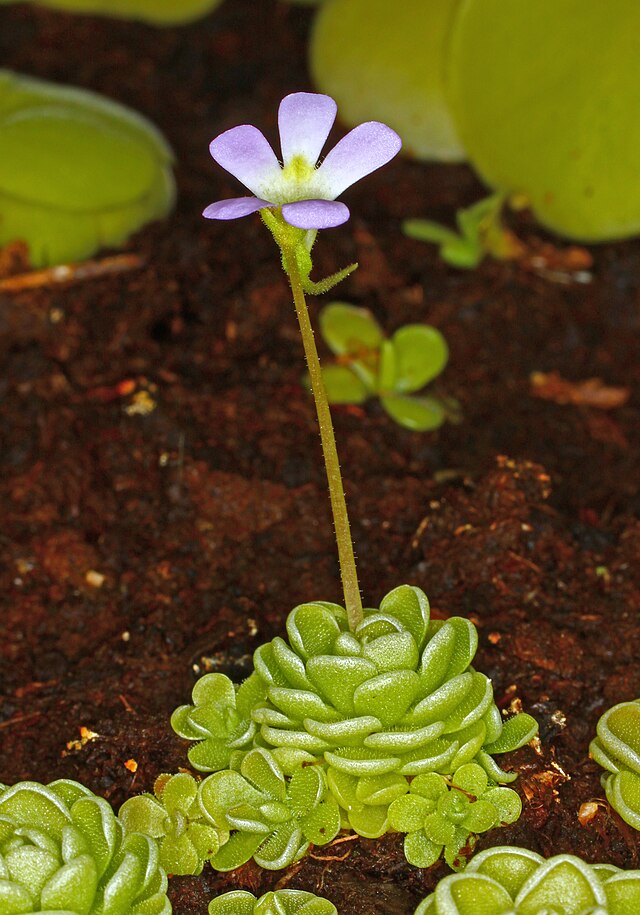 © H. Zell / CC BY-SA 3.0
Pinguicula Esseriana
Pinguicula esseriana
A small Mexican butterwort forming succulent rosettes in winter, beautiful year-round.
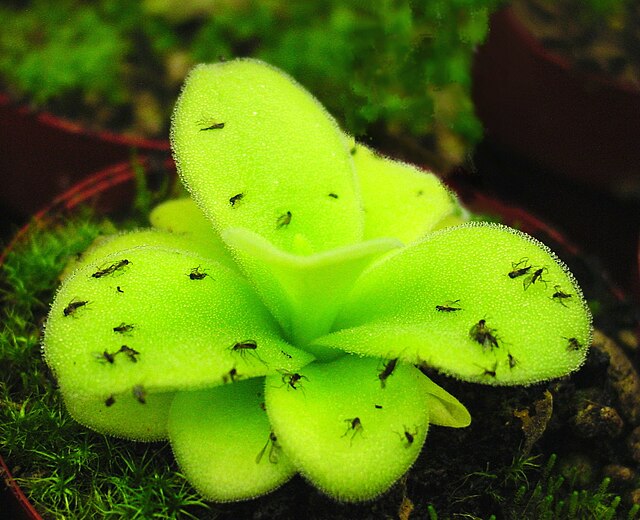 © No machine-readable author provided. NoahElhardt assumed (based on copyright claims). / CC BY-SA 3.0
Pinguicula Gigantea
Pinguicula gigantea
The world's largest butterwort with rosettes over 30cm, catching large amounts of insects.
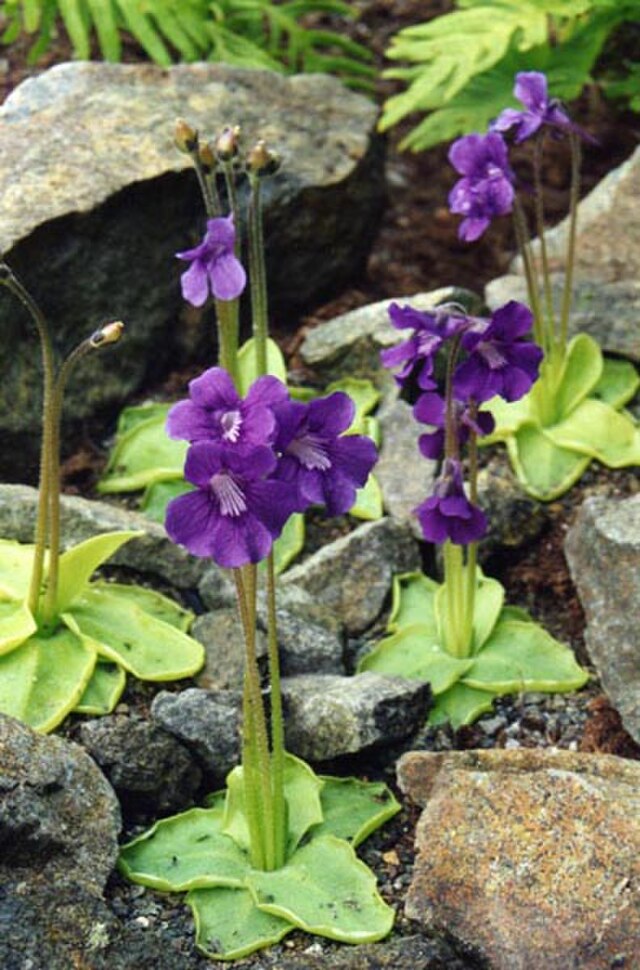 © Ghislain118 (AD) http://www.fleurs-des-montagnes.net / CC BY-SA 3.0
Pinguicula Grandiflora
Pinguicula grandiflora
A European butterwort with large purple flowers, very cold hardy and growable outdoors.
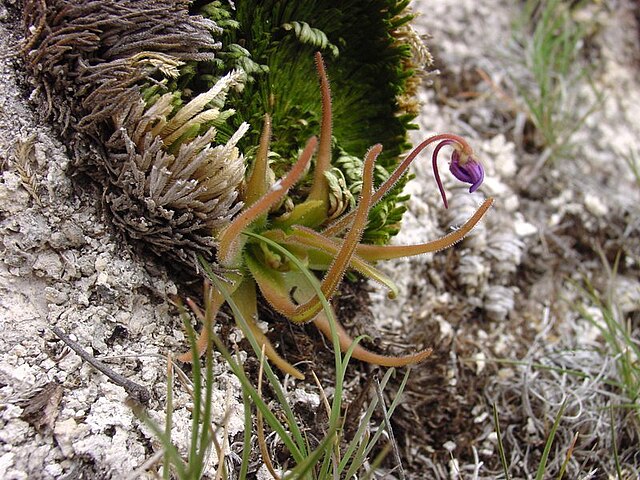 © Noah Elhardt / CC BY-SA 2.5
Pinguicula Gypsicola
Pinguicula gypsicola
A Mexican butterwort growing on gypsum rocks with delicate translucent leaves.
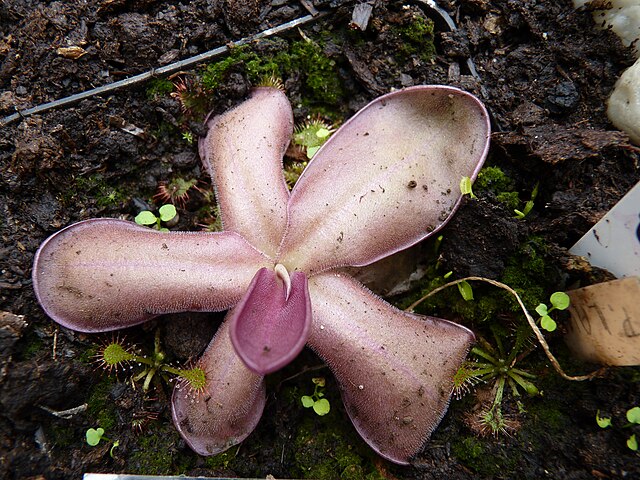 © Michal Klajban / CC BY-SA 3.0
Pinguicula Laueana
Pinguicula laueana
A Mexican butterwort with vivid red flowers, considered the most beautiful flowering species.
 © Christian Hummert (Ixitixel) / CC BY-SA 3.0
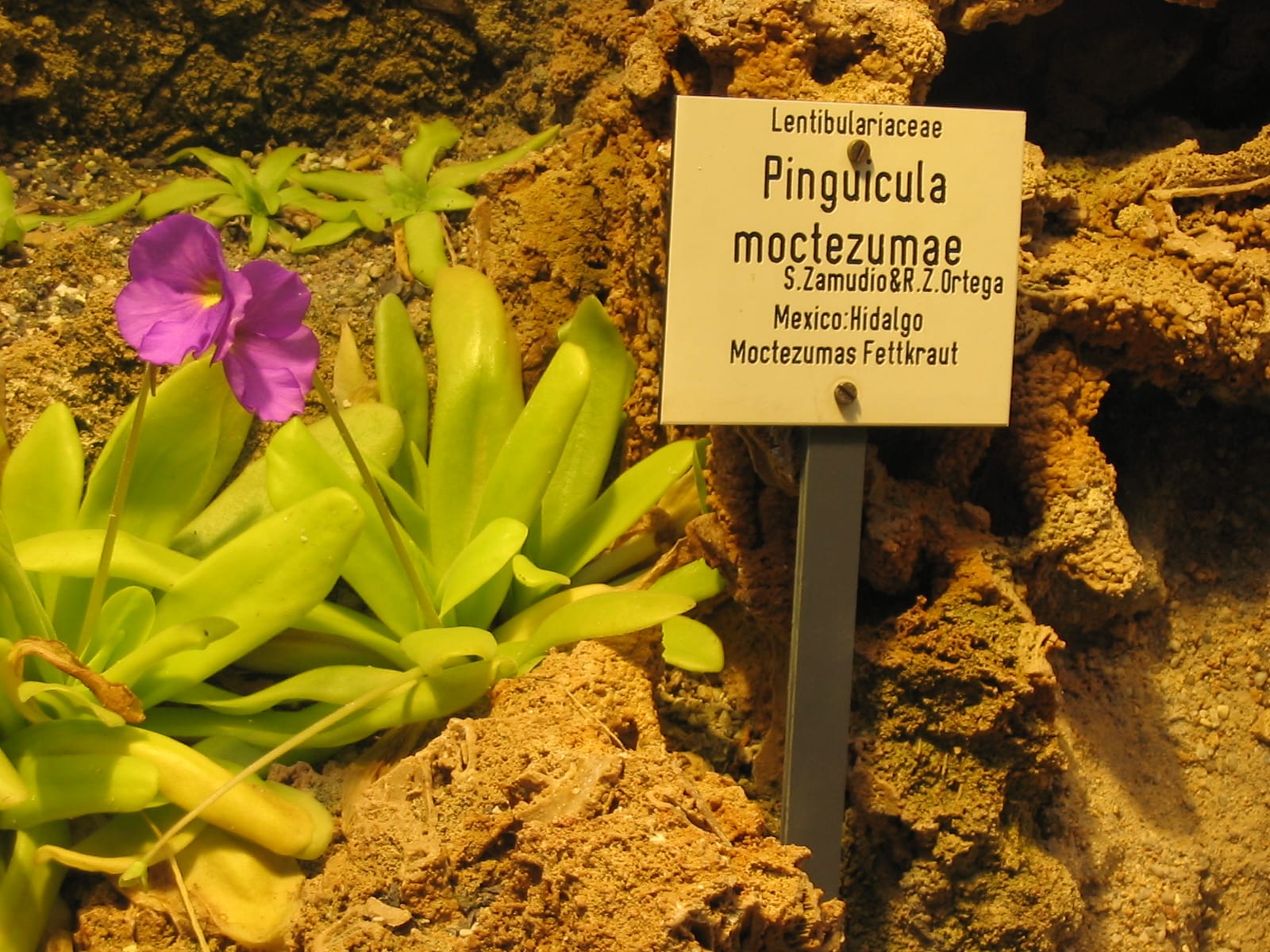
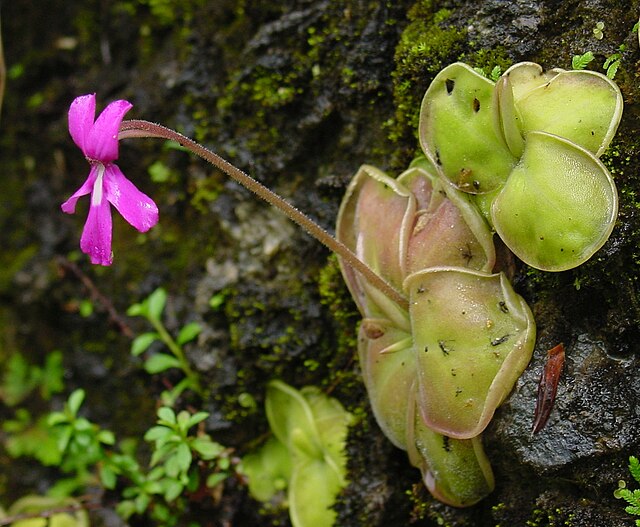
Pinguicula moctezumae
Pinguicula moctezumae
A butterwort found only in the canyon of the Río Moctezuma in Mexico. It raises long, narrow leaves about 10 cm long and bears large deep-pink flowers with a long spur. It is also known as a parent of the cultivar 'Aphrodite'.
 © Noah Elhardt / CC BY-SA 3.0
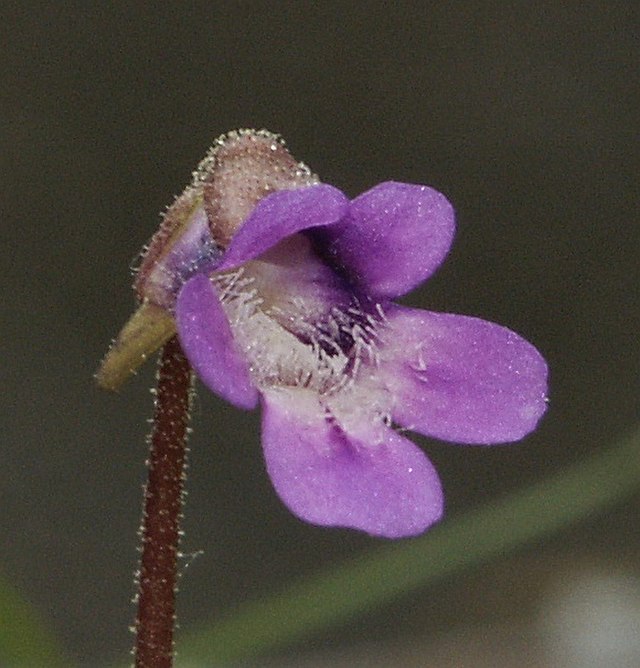
Pinguicula Moranensis
Pinguicula moranensis
A hardy Mexican butterwort with beautiful pink flowers and succulent-like leaves.
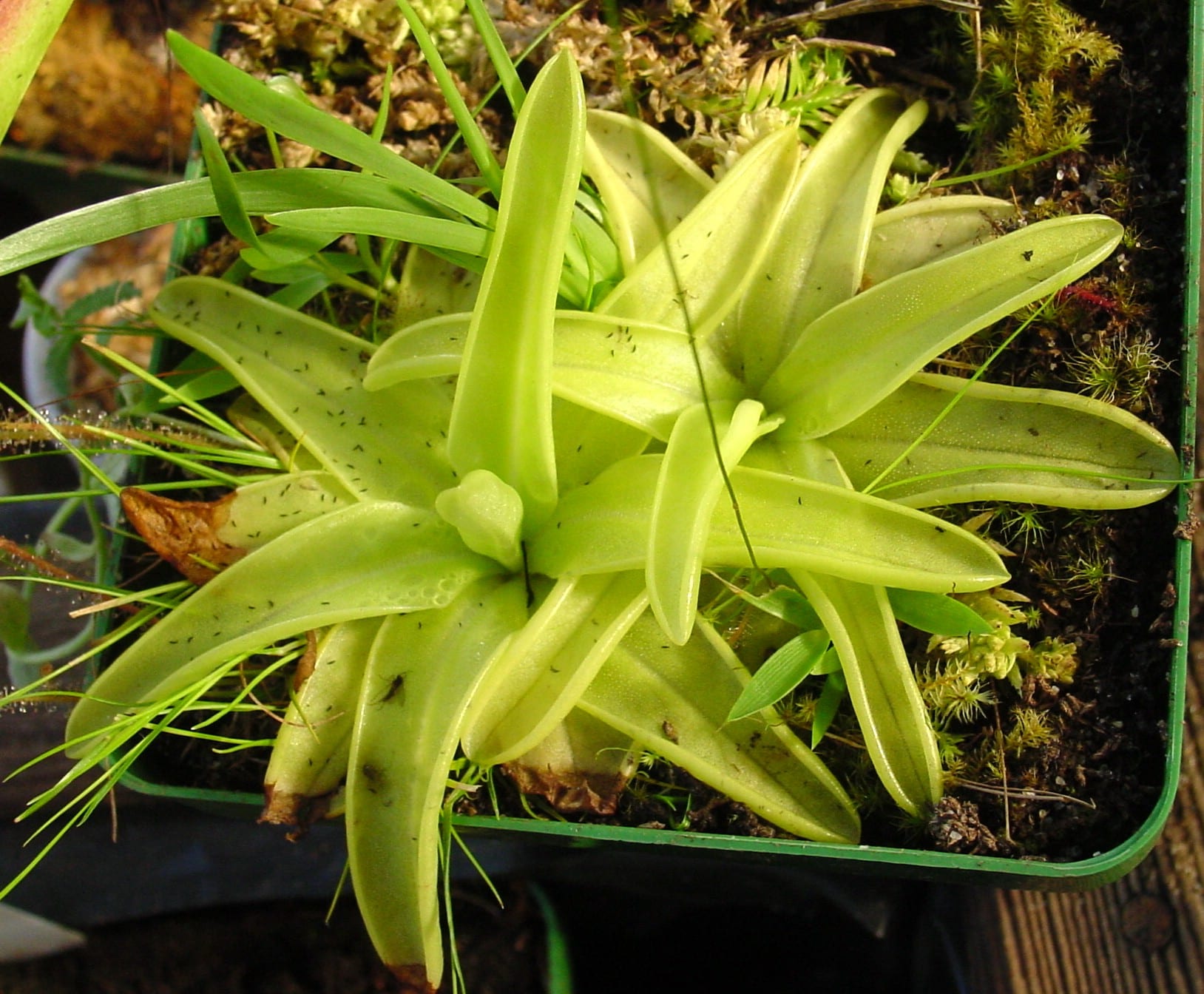
Pinguicula Vulgaris
Pinguicula vulgaris
A widely distributed butterwort of the Northern Hemisphere, native to Japan with purple flowers.
 © Noah Elhardt / CC BY-SA 2.5
Yellow butterwort
Pinguicula lutea
A butterwort of savannas and sandy bogs in the south-eastern United States. In spring it bears bright yellow flowers, unusual in the genus, above a yellow-green rosette up to about 15 cm across.
Related Content
Carnivorous Plant FAQ
- How much do carnivorous plants cost?
- Venus Flytraps cost 500-2,000 yen, Nepenthes 1,000-10,000 yen, and rare highland Nepenthes can exceed tens of thousands of yen depending on species and size.
- Can beginners grow carnivorous plants?
- Venus Flytraps, Sundews, and Sarracenia are relatively easy and beginner-friendly. Keep them in a tray of water for humidity and place in a sunny spot.
- How long do carnivorous plants live?
- Venus Flytraps can live 10+ years with proper care, and Sarracenia are similarly long-lived. Nepenthes can grow for decades in the right conditions, getting progressively larger.
- What should I check when buying carnivorous plants?
- Check that leaves and traps are healthy with no root rot. For Nepenthes, choose specimens with pitchers. Avoid sudden environment changes after purchase and acclimate gradually.
- Do I need to feed insects to carnivorous plants?
- They grow fine through photosynthesis alone without feeding. Insects are supplemental nutrition and don't need to be force-fed. Outdoor plants catch bugs naturally, which is fun to observe.