Carnivorous Plant Encyclopedia
Encyclopedia of popular carnivorous plants with care guides, trapping mechanisms, and cultivation tips.
Featured Carnivorous Plant
Showing 8 of 140 species
 © Cooleyray / CC BY-SA 4.0
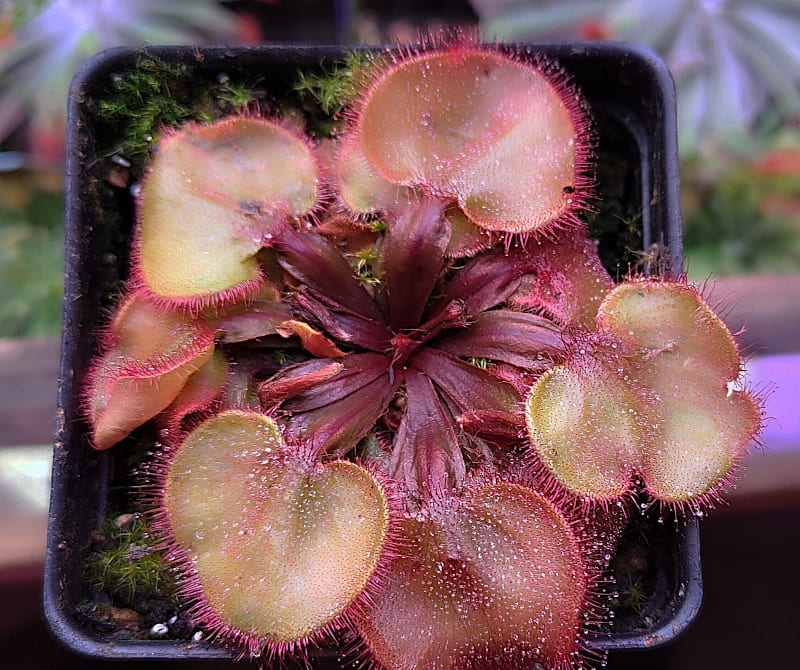
Drosera falconeri
Drosera falconeri
A sundew that lays large kidney-shaped leaves flat on the ground, looking rather like a Venus flytrap. Native to tropical northern Australia, it rests as a bud at soil level in the dry season. Unusually for a carnivorous plant it grows on alkaline, calcareous soil.
 © User:JarrahTree / CC BY 2.5 au
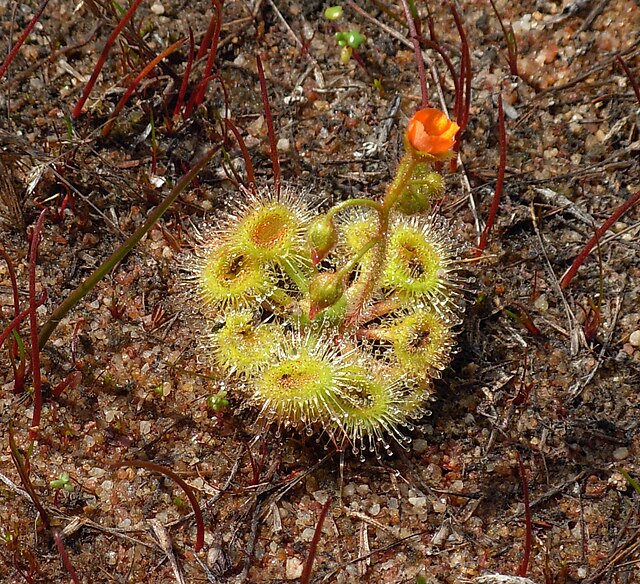
Drosera Glanduligera
Drosera glanduligera
An annual Australian sundew with both sticky tentacles and snap-tentacles that catapult prey in milliseconds.
 © Krzysztof Golik / CC BY-SA 4.0
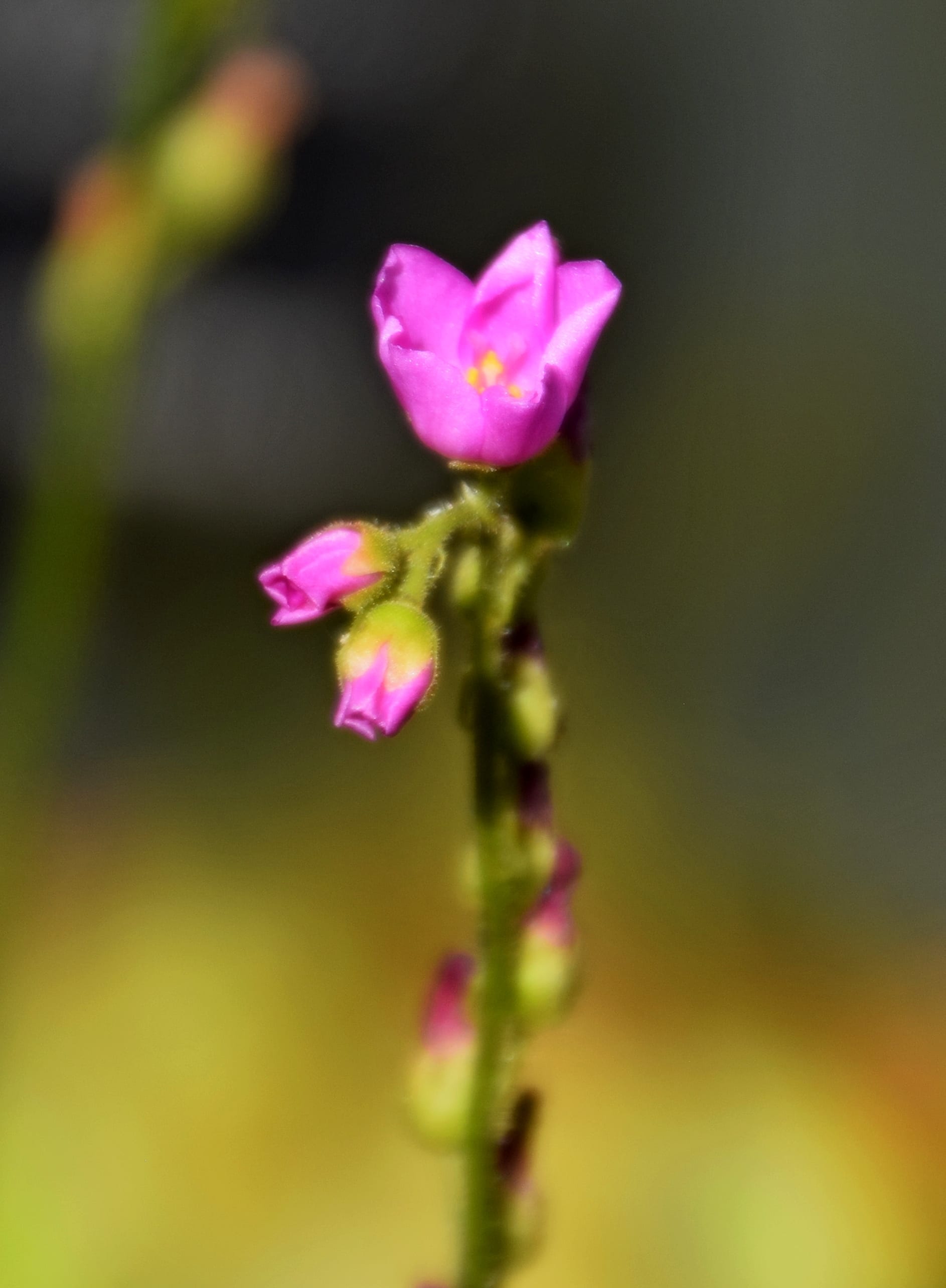
Drosera madagascariensis
Drosera madagascariensis
A stem-forming sundew that raises a distinct stem with alternate, spoon-shaped sticky leaves. The lower stem is clothed in dead old leaves and the plant reaches about 25 cm. A robust African species with pink flowers.
 © Krzysztof Ziarnek, Kenraiz / CC BY-SA 4.0
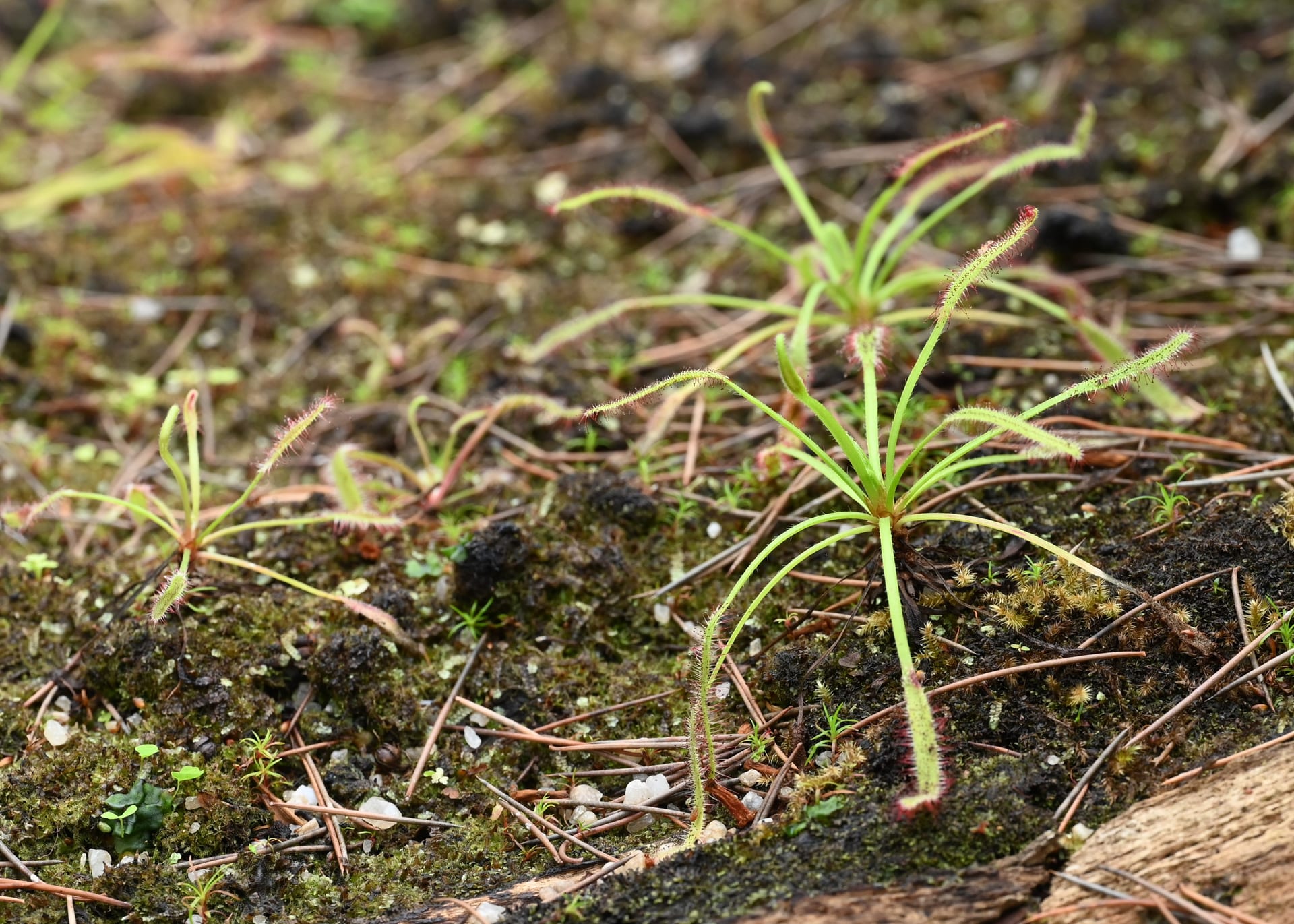
Drosera natalensis
Drosera natalensis
A small rosette-forming sundew with wedge- to spoon-shaped leaves about 2 cm long lying at ground level. Wiry flower stalks reach about 25 cm. Native to swamps of South Africa and Madagascar.
 © Cooleyray / CC BY-SA 4.0
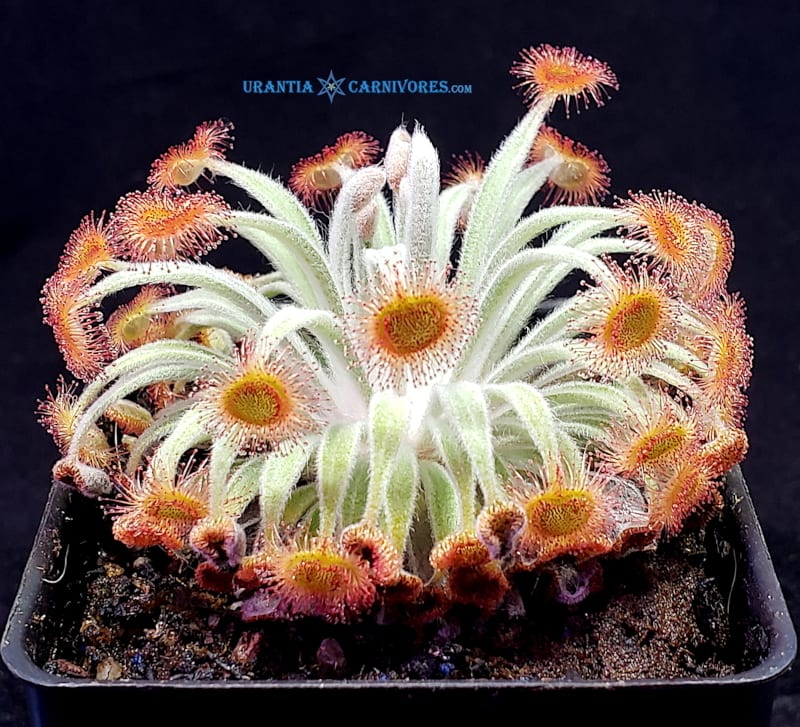
Drosera ordensis
Drosera ordensis
A 'woolly' sundew of the petiolaris group with broad petioles densely covered in long silvery hairs. Rosettes are usually about 8 cm across. It bears pink to white flowers and grows around the Ord River in northern Australia.
 © Paulo Fassina / CC BY-SA 2.0
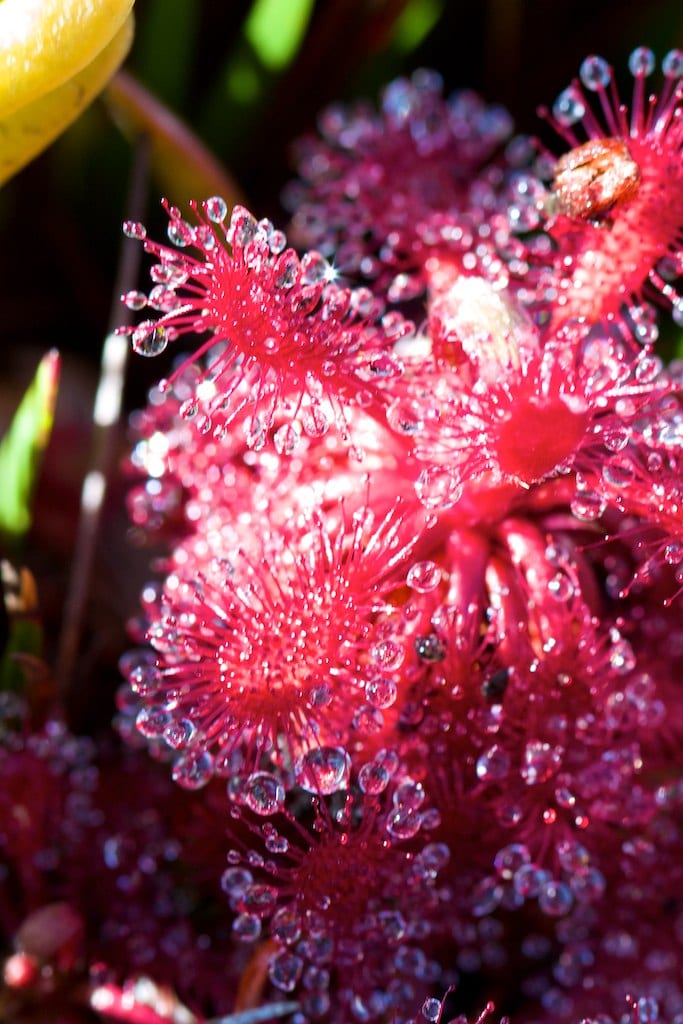
Drosera roraimae
Drosera roraimae
A highland sundew from South America whose type specimen was collected on Mount Roraima in the Guiana Highlands. It carries its sticky leaves on a short stem clothed in many dead leaves, and a glandular flower stalk bears about ten flowers.
 © NasserHalaweh / CC BY-SA 4.0
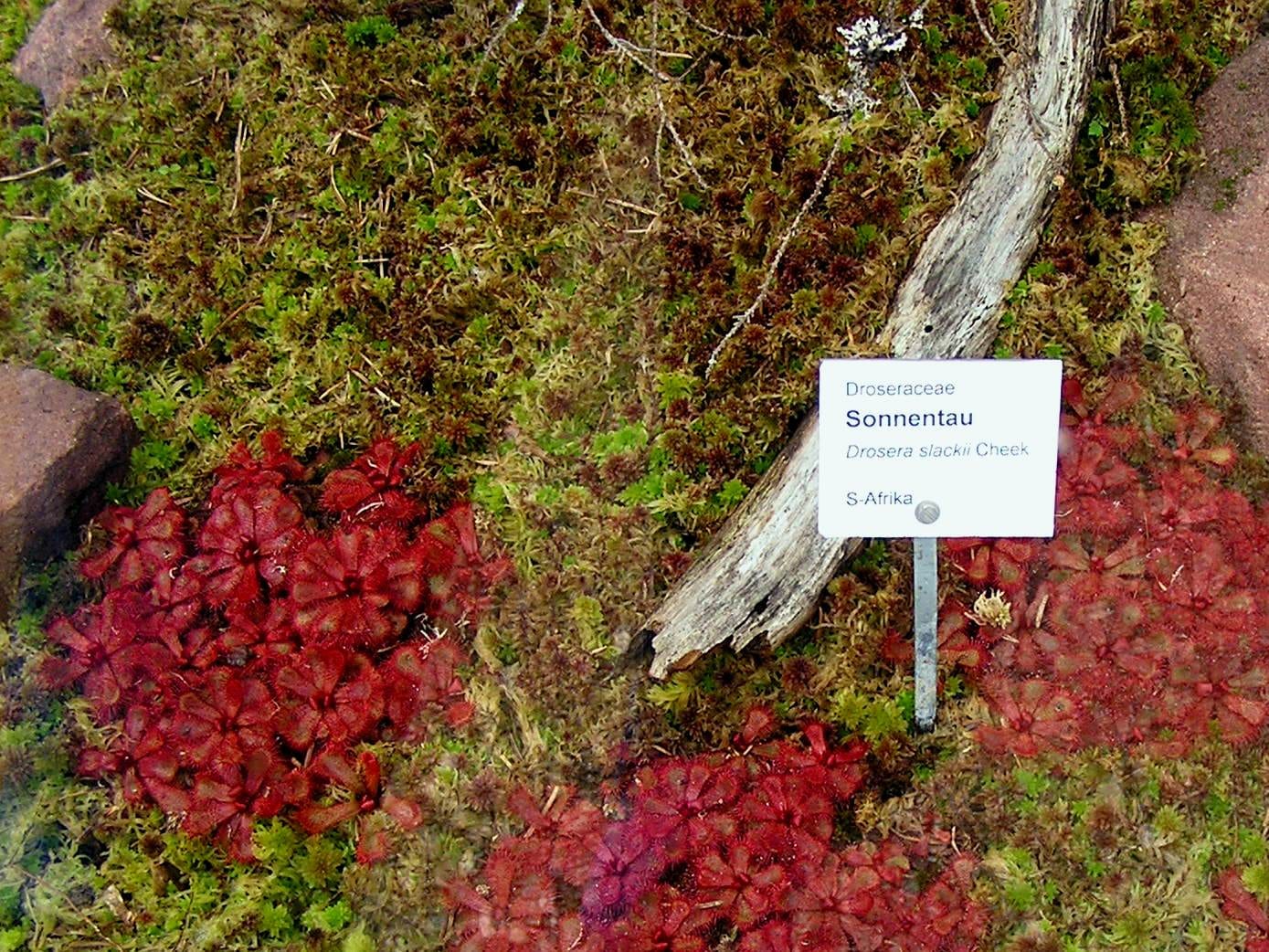
Drosera slackii
Drosera slackii
A sundew from the Cape region of South Africa forming rosettes 5-10 cm across of spoon- to heart-shaped leaves, with pink flowers. Named after the British carnivorous-plant author Adrian Slack, it holds the RHS Award of Garden Merit.
 © Krzysztof Ziarnek, Kenraiz / CC BY-SA 4.0
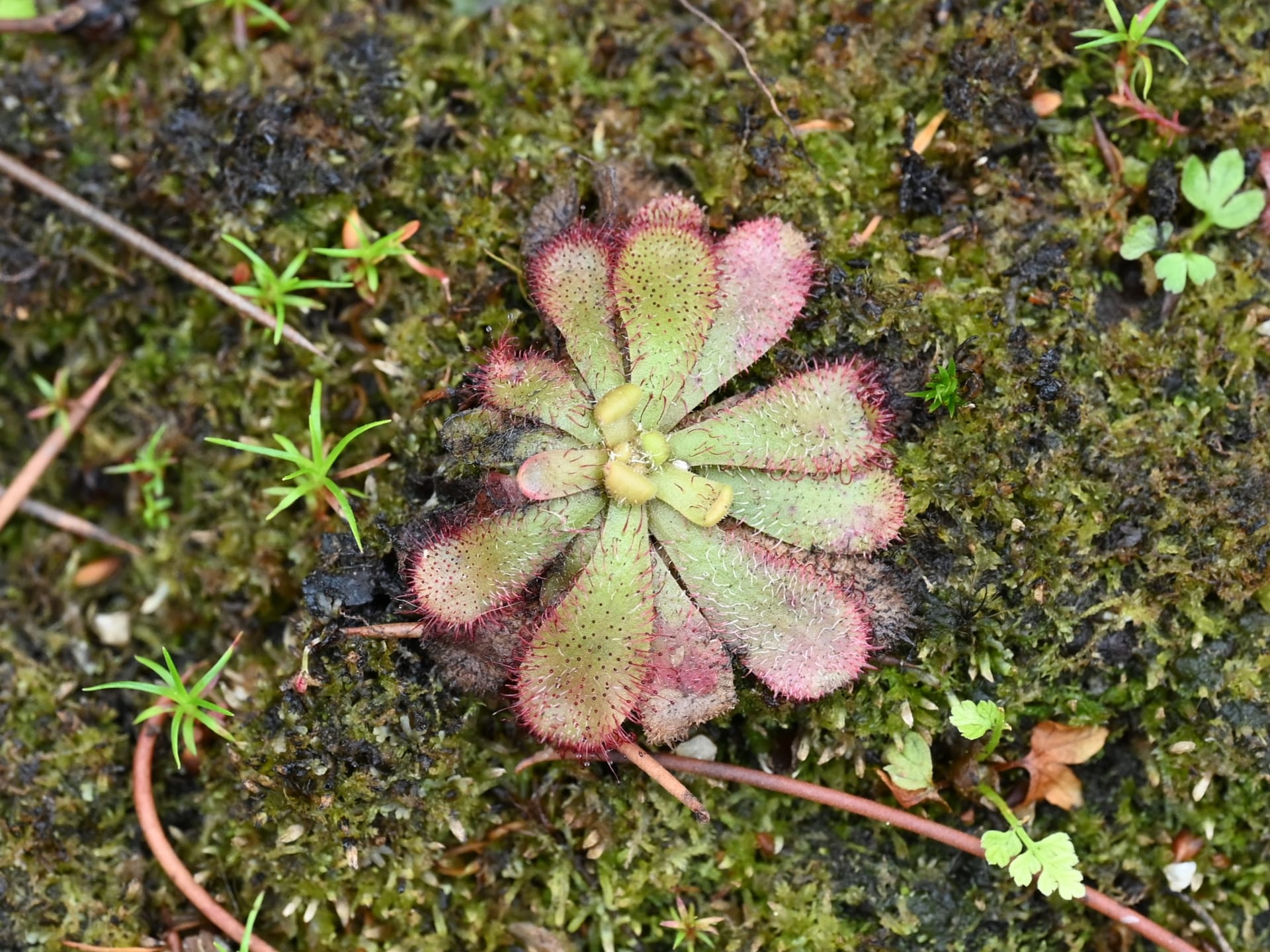
Rosy sundew
Drosera hamiltonii
A sundew from south-western Western Australia forming rosettes 4-6 cm across of spoon-shaped leaves. Stalks 30-40 cm tall carry large deep-pink flowers with fused styles, a feature that places it alone in its own section.
Related Content
Carnivorous Plant FAQ
- How much do carnivorous plants cost?
- Venus Flytraps cost 500-2,000 yen, Nepenthes 1,000-10,000 yen, and rare highland Nepenthes can exceed tens of thousands of yen depending on species and size.
- Can beginners grow carnivorous plants?
- Venus Flytraps, Sundews, and Sarracenia are relatively easy and beginner-friendly. Keep them in a tray of water for humidity and place in a sunny spot.
- How long do carnivorous plants live?
- Venus Flytraps can live 10+ years with proper care, and Sarracenia are similarly long-lived. Nepenthes can grow for decades in the right conditions, getting progressively larger.
- What should I check when buying carnivorous plants?
- Check that leaves and traps are healthy with no root rot. For Nepenthes, choose specimens with pitchers. Avoid sudden environment changes after purchase and acclimate gradually.
- Do I need to feed insects to carnivorous plants?
- They grow fine through photosynthesis alone without feeding. Insects are supplemental nutrition and don't need to be force-fed. Outdoor plants catch bugs naturally, which is fun to observe.