Carnivorous Plant Encyclopedia
Encyclopedia of popular carnivorous plants with care guides, trapping mechanisms, and cultivation tips.
Featured Carnivorous Plant
Showing 11 of 140 species
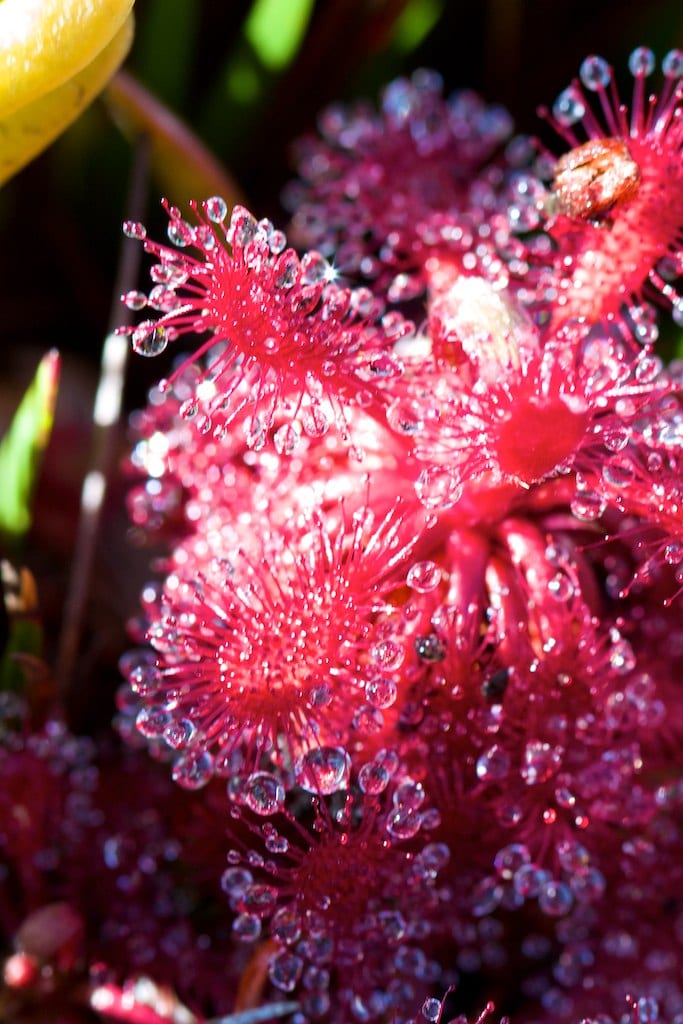 © Paulo Fassina / CC BY-SA 2.0
Drosera roraimae
Drosera roraimae
A highland sundew from South America whose type specimen was collected on Mount Roraima in the Guiana Highlands. It carries its sticky leaves on a short stem clothed in many dead leaves, and a glandular flower stalk bears about ten flowers.
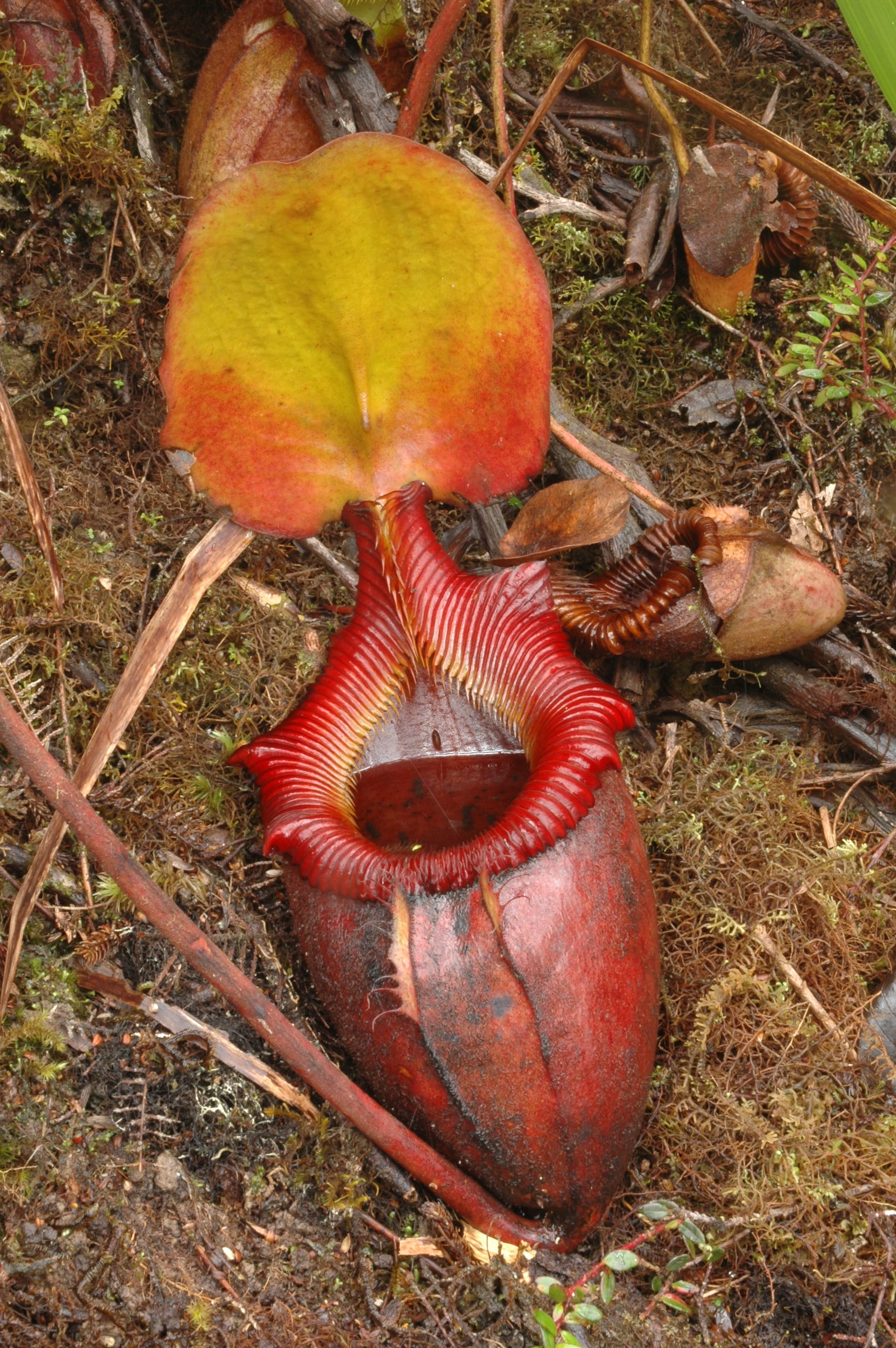 © JeremiahsCPs (English Wikipedia) / CC BY-SA 3.0
Nepenthes × kinabaluensis
Nepenthes × kinabaluensis
A natural hybrid between N. rajah and N. villosa, found only around Mount Kinabalu in Borneo. Ribs on the inner edge of the peristome end in long teeth, and its pitchers are intermediate between the parents. It forms upper pitchers more readily than either parent.
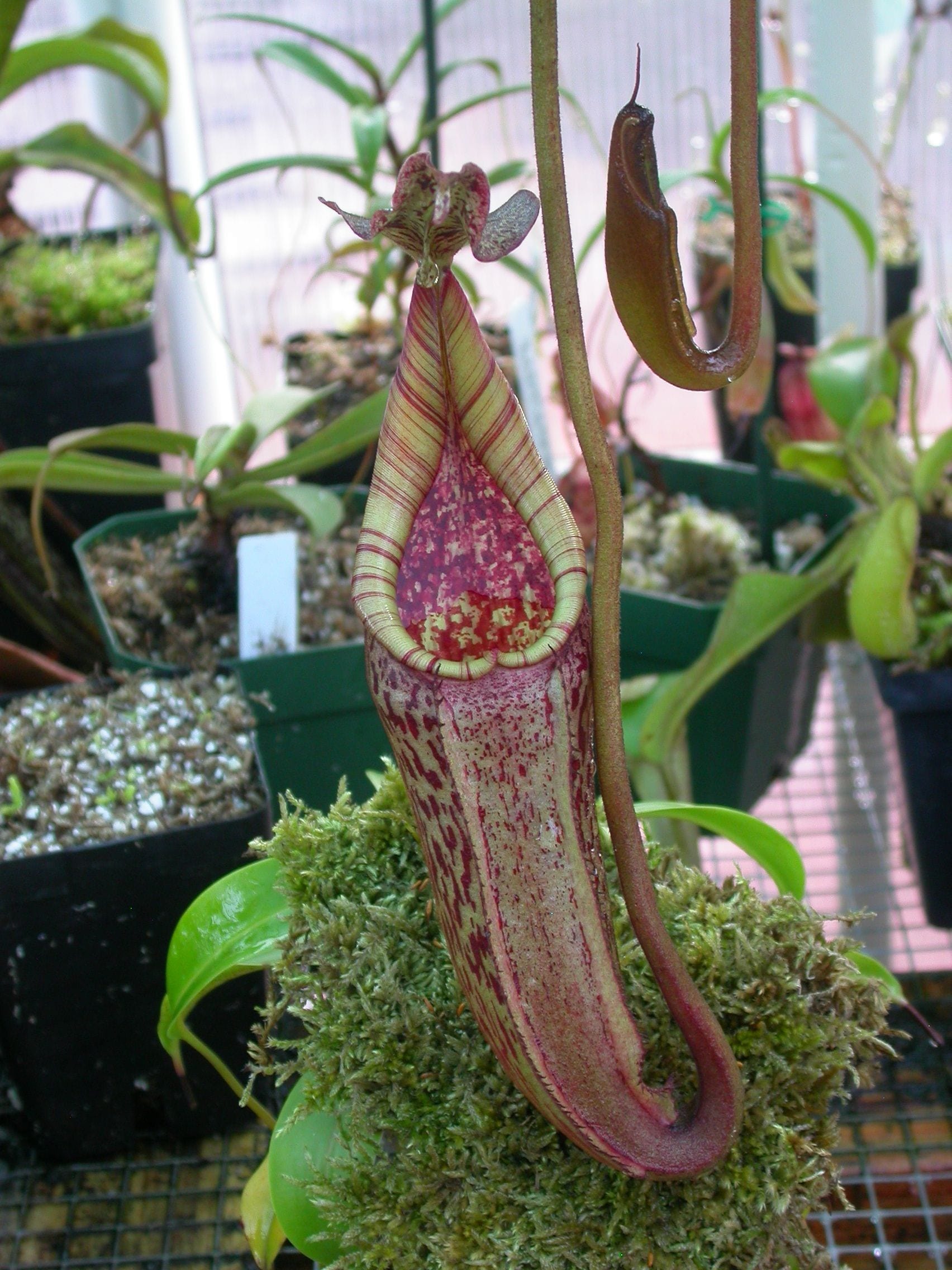 © JeremiahsCPs (English Wikipedia) / CC BY-SA 3.0
Nepenthes eymae
Nepenthes eymae
A highland pitcher plant endemic to Sulawesi, Indonesia. Its upper pitchers are narrow below and flare abruptly above like a wine glass, the feature that separates it from its close relative N. maxima.
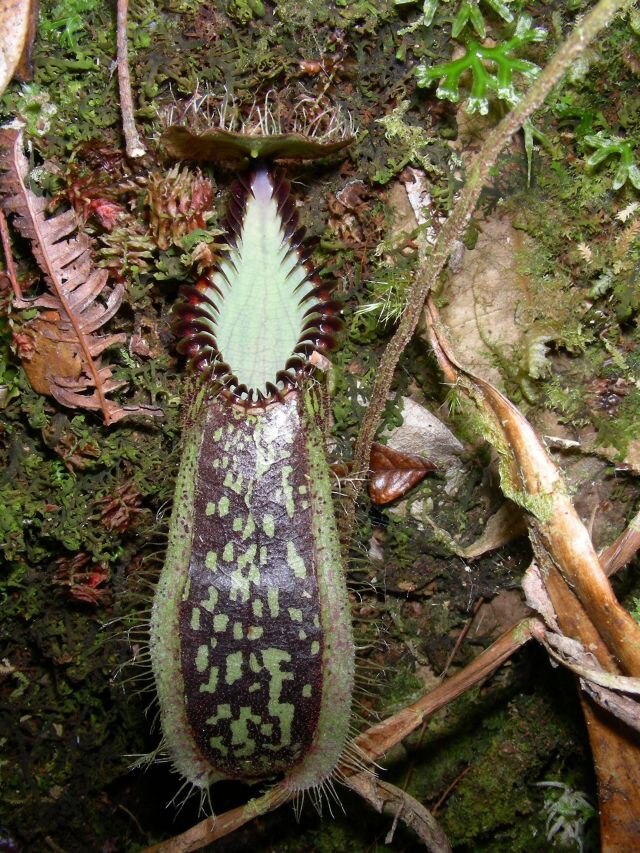 © Urs Zimmermann, Switzerland ( www.nepenthes.ch ) / CC BY 3.0
Nepenthes Hamata
Nepenthes hamata
A fearsome-looking Nepenthes with fang-like sharp projections inside pitchers, from Sulawesi highlands.
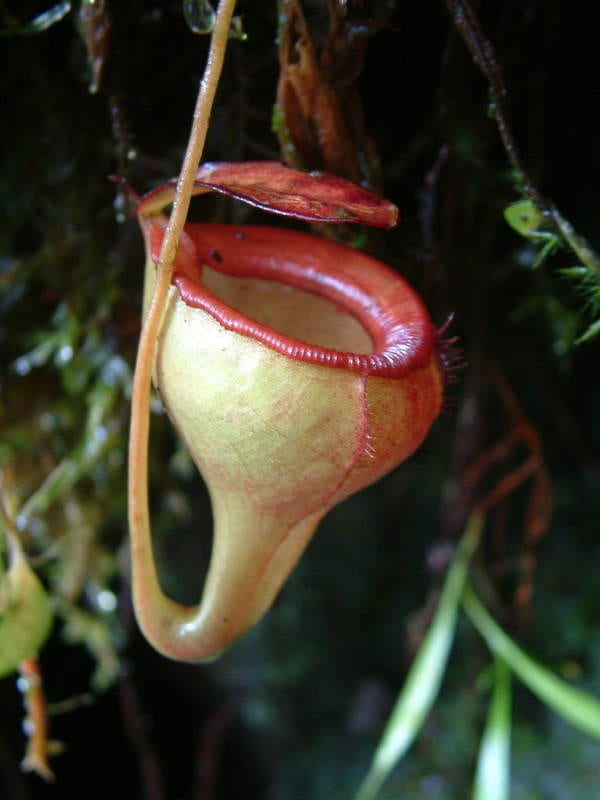 © Alfindra Primaldhi / CC BY 2.0
Nepenthes jamban
Nepenthes jamban
A small highland pitcher plant endemic to northern Sumatra. Its name is Indonesian for 'toilet', after the wide-mouthed yellow upper pitchers shaped like a toilet bowl. It was described only in 2006.
Nepenthes Linda
Nepenthes 'Linda'
A highland hybrid pitcher plant selected from 'Rebecca Soper' crossed with a red N. ventricosa. Deep burgundy pitchers pinch in at the middle beneath a glossy dark rim. It resembles its parent, so check the label.
Nepenthes Rebecca Soper
Nepenthes 'Rebecca Soper'
A highland hybrid pitcher plant whose slender, waisted pitchers deepen from burgundy to nearly black outside, contrasting with the pale interior. Widely sold in hanging baskets; sources give its parentage as N. ventricosa crossed with N. ramispina or a related species.
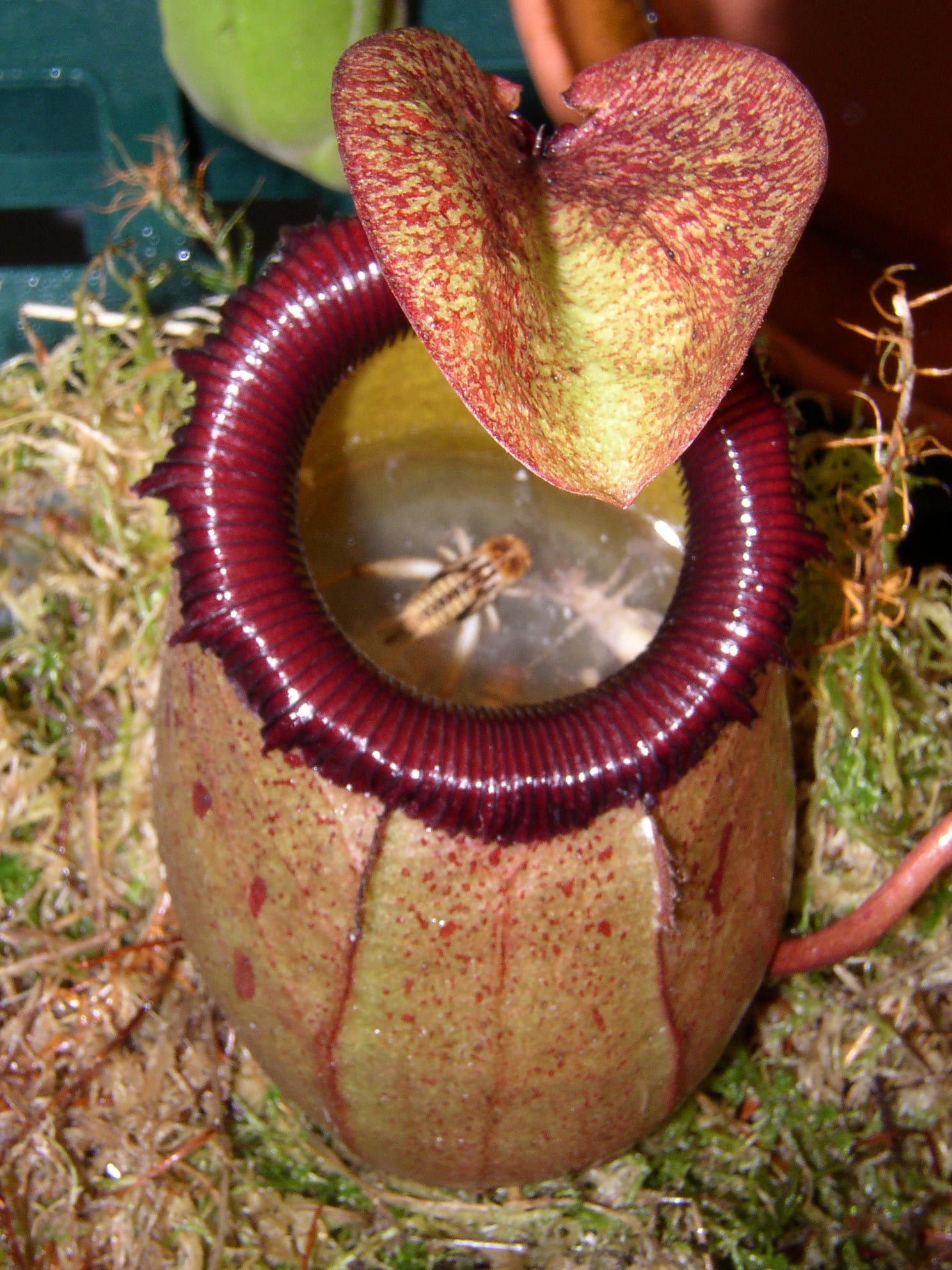 © en:User:NepGrower / Public domain
Nepenthes sibuyanensis
Nepenthes sibuyanensis
A highland pitcher plant found only on the mountains of Sibuyan Island in the Philippines. Yellow to red egg-shaped pitchers reach 26 cm tall, set off by a broad, almost black dark-red peristome. Listed as Vulnerable by the IUCN.
 © Original uploader was Attenboroughii at en.wikipedia / CC BY 3.0
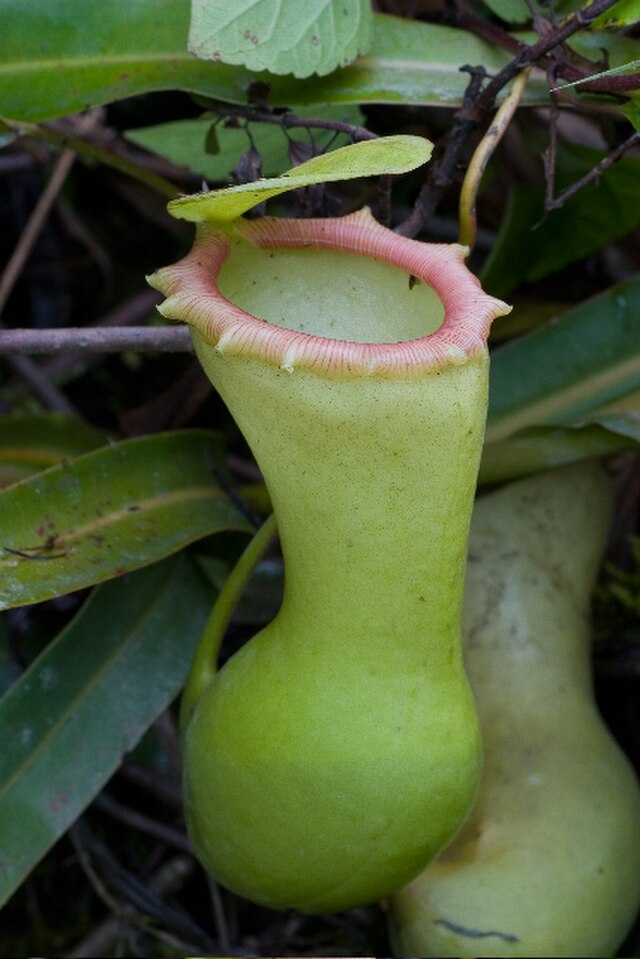
Nepenthes Ventricosa
Nepenthes ventricosa
A Nepenthes with cute rounded pitchers, highland but relatively easy to grow.
 © Noah Elhardt / CC BY-SA 2.5
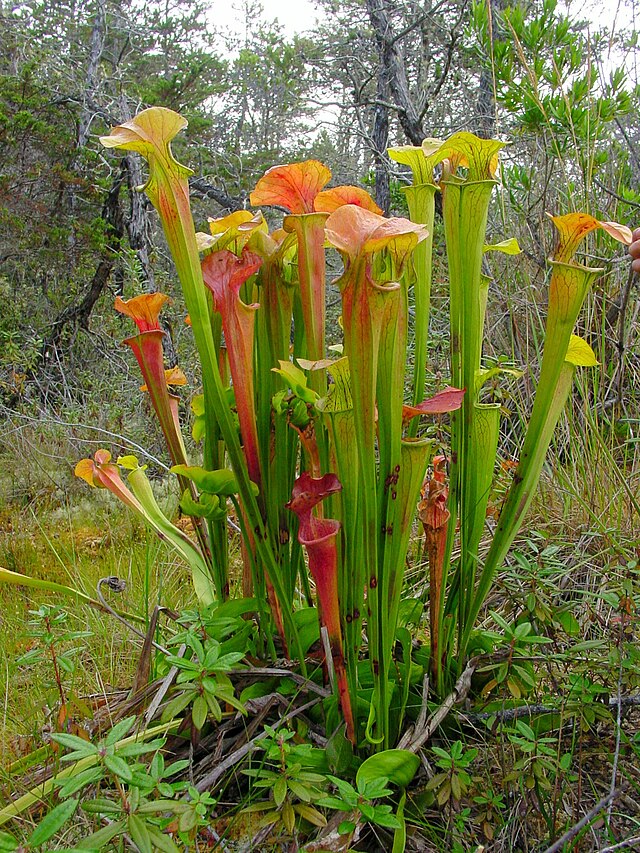
Sarracenia Oreophila
Sarracenia oreophila
A highland Sarracenia, endangered and protected, with beautiful yellow-green tubes.
 © Noah Elhardt / CC BY 2.5
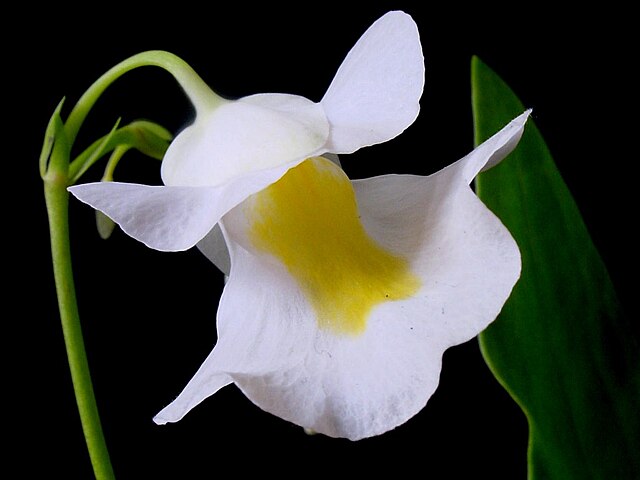
Utricularia Alpina
Utricularia alpina
An epiphytic bladderwort from Central/South American highlands with large white flowers, growing on trees like orchids.
Related Content
Carnivorous Plant FAQ
- How much do carnivorous plants cost?
- Venus Flytraps cost 500-2,000 yen, Nepenthes 1,000-10,000 yen, and rare highland Nepenthes can exceed tens of thousands of yen depending on species and size.
- Can beginners grow carnivorous plants?
- Venus Flytraps, Sundews, and Sarracenia are relatively easy and beginner-friendly. Keep them in a tray of water for humidity and place in a sunny spot.
- How long do carnivorous plants live?
- Venus Flytraps can live 10+ years with proper care, and Sarracenia are similarly long-lived. Nepenthes can grow for decades in the right conditions, getting progressively larger.
- What should I check when buying carnivorous plants?
- Check that leaves and traps are healthy with no root rot. For Nepenthes, choose specimens with pitchers. Avoid sudden environment changes after purchase and acclimate gradually.
- Do I need to feed insects to carnivorous plants?
- They grow fine through photosynthesis alone without feeding. Insects are supplemental nutrition and don't need to be force-fed. Outdoor plants catch bugs naturally, which is fun to observe.