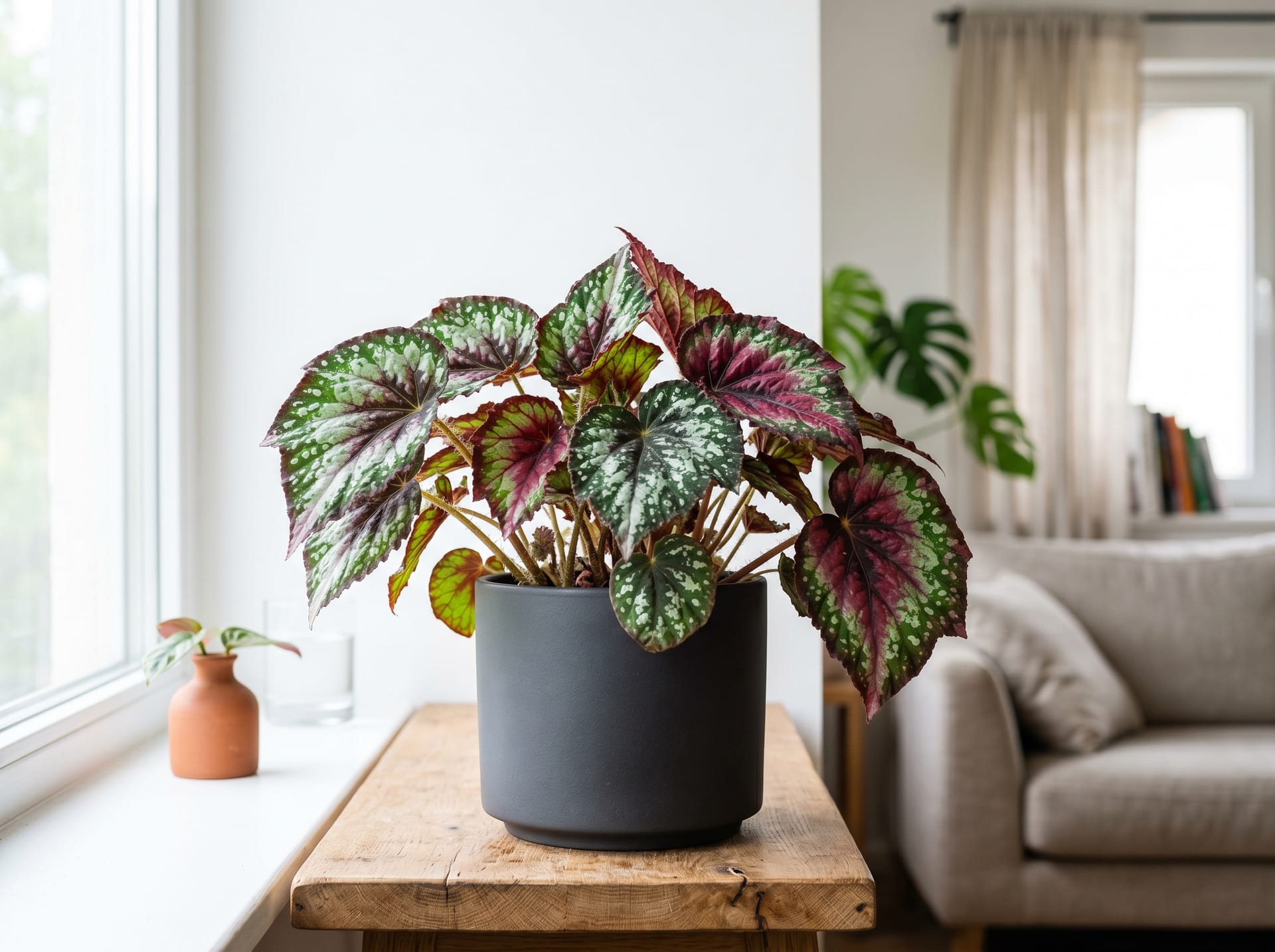
秋海棠
Begonias are versatile plants prized for their vibrant flower colors and decorative foliage, suitable for both indoor and outdoor settings. With hundreds of varieties ranging from beginner-friendly sturdy types to more delicate collector's specimens, there is a begonia for every level of experience. Their ability to produce beautiful leaves and blooms year-round makes them a popular choice for interior greenery.
前 3 筆銷售免佣金!於2026年8月31日前登記生產者→前3筆成交的手續費免費!
栽培者 招募中!
在 ボタちょく 上架,直接銷售給全國的客戶吧!
ボタちょく承諾的 6 項透明性重點
在觀葉植物出品時,栽培者明示下列資訊。確保品種、產地、所需光量和栽培難度的透明度。
- 品種明示
- 實物照片
- 色澤
- 產地明示
- 所需光量
- 難度明示
Browse all 16 varieties
已註冊的栽培者(搶先看)
關於秋海棠
Begonias originate from tropical and subtropical regions of Central and South America, Africa, and Asia, and were named in the 17th century after French botanist Michel Bégon. With more than 2,000 known wild species and countless cultivated varieties, the genus offers extraordinary diversity. The leaves are characteristically asymmetrical and come in a remarkable range of colors—green, red, silver, deep purple—adorned with patterns such as tiger spots, spirals, and star shapes. Flowers appear in white, pink, red, orange, and yellow, and many cultivars bloom repeatedly throughout the year. Growth habits range from low, spreading forms to upright cane-like stems, giving growers a wide spectrum of choices to match their space. It is this dual appeal—foliage that functions as living art and flowers that add seasonal color—that has secured begonias a lasting place among indoor plant enthusiasts.
開始照料秋海棠前需要了解的7件事
1Choosing the Right Type
Begonias fall into four main groups—tuberous, rhizomatous, cane-stemmed, and rex—each requiring different care routines. Identifying which type suits your environment before purchasing is the key first step to long-term success.
2Bright Indirect Light
Begonias thrive in bright indirect light but are prone to leaf scorch under prolonged direct sun. A spot near a window filtered by a sheer curtain, or a partially shaded outdoor area, provides ideal conditions.
3Water When Soil Dries Out
Overwatering is the leading cause of root rot, so always allow the top layer of soil to dry before watering thoroughly. Tuberous types in particular need significantly reduced watering during dormancy, requiring you to adjust frequency by season.
4Watch Humidity and Airflow
While begonias appreciate moderate humidity, poor airflow encourages botrytis (gray mold). After watering, ensure good ventilation and avoid letting water sit on the leaves to reduce disease risk.
5Managing Dormancy
Tuberous begonias die back above ground in autumn and enter dormancy through winter. Lifting and storing the tubers in a dry location, then replanting in spring, allows you to enjoy their blooms year after year.
6Fertilize Lightly During Growth
During the spring and summer growing season, apply a diluted liquid fertilizer at half the recommended strength two to three times a month. Over-fertilizing can damage roots and cause leaf burn, so err on the side of less.
7Regular Pest Inspection
Begonias are susceptible to spider mites, aphids, and whiteflies, making early detection essential to preventing infestations. Check the undersides of leaves regularly and act promptly by rinsing with water or applying an appropriate treatment if pests are found.
秋海棠的常見問題
- Q.Are begonias suitable for beginners?
- A.Cane-stemmed and tuberous varieties are quite resilient and manageable for beginners when watering and light are handled correctly. However, Rex begonias and other foliage types with intricate patterns can be more demanding in terms of humidity and temperature, so starting with a simpler variety is a sensible approach.
- Q.Why isn't my begonia blooming?
- A.Insufficient light, excess nitrogen in the fertilizer, or an oversized pot are common causes of poor flowering. Try moving the plant to a brighter spot with indirect light, switching to a fertilizer with a good phosphorus-potassium balance, and reassessing pot size. If the plant is root-bound, repotting into a slightly larger container may encourage blooming.
- Q.White powder has appeared on the leaves
- A.This is likely powdery mildew, commonly caused by poor air circulation and overcrowded foliage. Remove affected leaves and relocate the plant to a spot with better airflow. If symptoms spread, consider applying a fungicide labeled for powdery mildew according to the product instructions.
- Q.Can I keep growing begonias indoors through winter?
- A.Non-dormant types such as cane-stemmed and Rex begonias can be kept year-round near an indoor window where temperatures stay above 10°C. Tuberous varieties need their tubers lifted and stored during dormancy once the foliage dies back, but will re-sprout in spring. For all types, avoid placing plants directly in the path of heating vents, as the dry warm air can be harmful.
- Q.Are begonias toxic to pets or children?
- A.Begonias contain soluble oxalates, with the highest concentrations found in the rhizomes; ingestion by dogs or cats can cause vomiting and excessive drooling. It is advisable to place plants out of reach of young children as well. If accidental ingestion occurs, consult a doctor or veterinarian promptly.