 © Abu Shawka / CC0
布爾格生石花
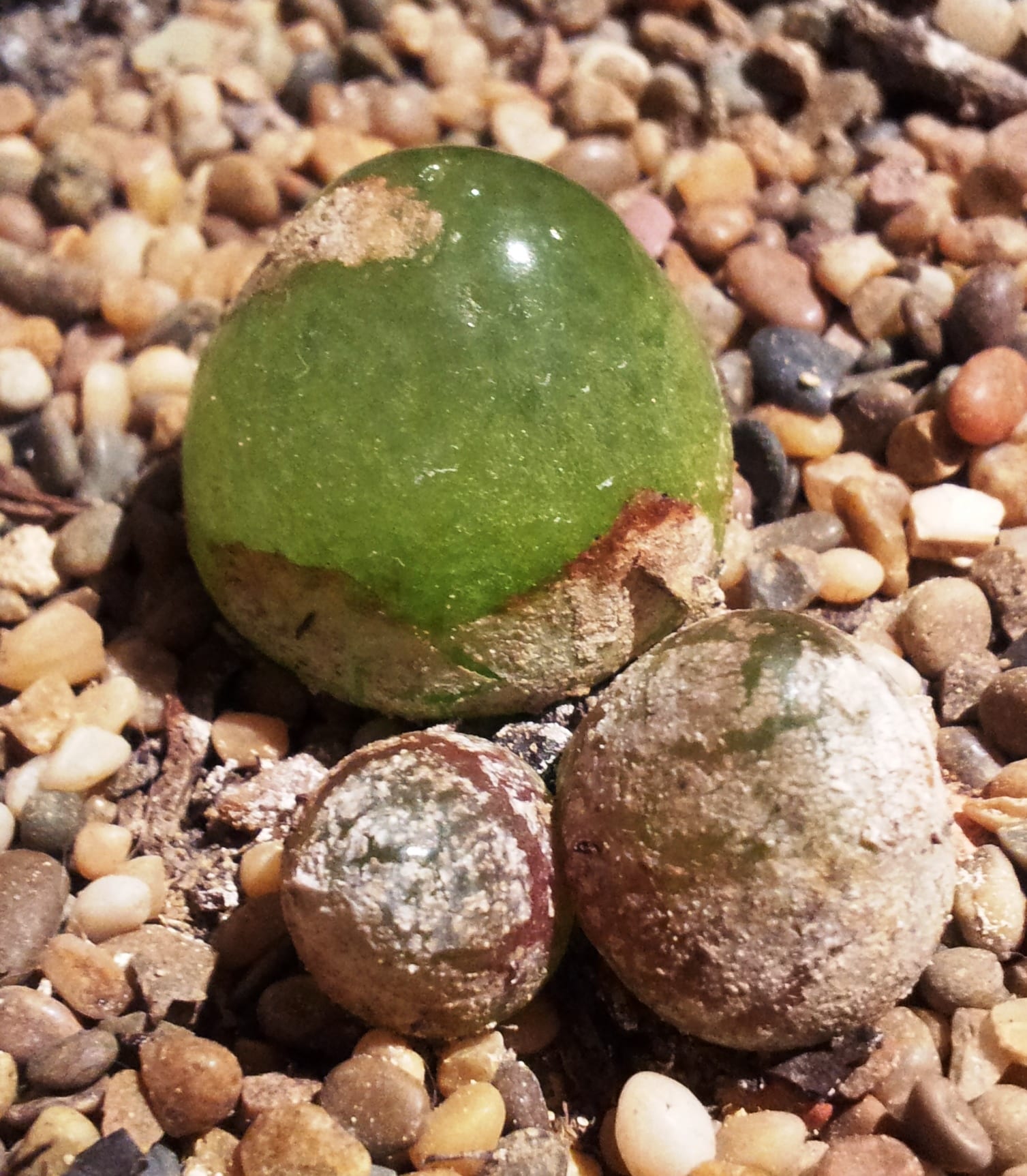
Conophytum burgeri is a small succulent shaped like a plump onion, with a glossy, translucent skin. Its most distinctive feature is the top of the body, where only a tiny slit breaks the smooth surface. It grows as a single head, and some plants approach 5 cm across. In cold weather or strong sunlight, the skin blushes from pink to reddish purple. A perennial, it renews itself by molting once a year. Its cultivation difficulty is rated for experienced growers, because watering and care during molting take practice. Still, if you choose a well-grown plant and follow its seasonal rhythm, this little gem is a rewarding one to keep.
View 布爾格生石花 encyclopedia →成交手續費 0%!2026年9月30日前註冊,前 2 株免佣金!
生產者 招募中!
在 GrowerDirect 上架,直接銷售給全國的客戶吧!
GrowerDirect承諾的 6 項透明性重點
生產者在多肉植物與仙人掌出品時明示以下資訊。保證品種、產地、所需光量、栽培難度的透明度。
- 品種明示
- 實物照片
- 色澤
- 產地明示
- 所需光量
- 難度明示
查看全部131個品種
沒有符合條件的商品
請調整篩選條件,或在有新商品時接收通知。
「接收上架通知」需免費註冊會員即可設定。當有符合您儲存條件的新商品上架時,我們會以郵件和站內通知提醒您。
已註冊的生產者(搶先看)
布爾格生石花的基本資料
- 栽培難度
- 適合高級者
- 壽命
- 多年生。每年脫皮一次更新身體
- 體型
- 單頭株體直徑可達近5厘米
- 澆水
- 少量(含基肥的培養土,或生長期間施用稀薄液肥)
- 日照與放置位置
- 除了隆冬嚴寒期外,在避免雨水淋濕的日照充足、通風良好的戶外環境中栽培。休眠的夏季應置於半日陰或遮光環境下,盡可能置於涼爽的地方。
- 澆水
- 冬型品種。秋至春生長期間,待盆土完全乾燥後充分澆水,通風保持乾燥狀態。皮膜鬆動、脫皮開始時,直到秋季夜間溫度下降前應減少澆水。
- 溫度與越冬
- 在生石花品種中特別容易因高溫多濕環境而衰弱,夏季越冬是最大難點。國內圖鑑將3℃作為不會枯死的最低溫度參考。
- 肥料
- 建議使用含有緩釋基肥的培養土。如無基肥,春季和秋季可每月施用液肥1至2次,或按推薦量施用緩釋肥料。
- 繁殖方法
- 因難以分頭,繁殖主要依靠播種(種子)進行。
- 病蟲害與注意事項
- 半透明皮膚易受傷。休眠期的白色薄膜不應強行去除,應等待自然破裂。
關於布爾格生石花
Conophytum burgeri is an onion-shaped, single-headed succulent with glossy, translucent skin that turns pink to reddish purple in cold or strong sun. A perennial that molts once a year, it suits experienced growers.
開始照料布爾格生石花前需要了解的7件事
1Light and Airflow
Give it a spot with plenty of light and good airflow. With enough sun the skin stays firm, and in cold weather or strong light it colors from pink to reddish purple. Too little light can loosen its compact shape, so keep it bright during the growing season.
2Water in the Growing Season
It is a winter grower, active from early autumn to spring. During that time, water thoroughly once the soil has dried out completely, and keep air moving so it stays on the dry side. Because the plant stores water in its body, prolonged damp can lead to rot or a split skin. Once the skin loosens and molting begins, keep it nearly dry until night temperatures drop in autumn.
3A Fast-Draining Mix
Choose a fast-draining, mostly mineral mix such as pumice and fine-grain kanuma soil, and keep organic matter low because it stays damp longer. Since the plant is small, a compact, breathable pot helps the soil dry at a steady pace.
4Hold Back During Molting
Once a year, a new body forms inside the old skin as the plant molts. During this time it may look shrunken, which is a normal part of the process, so hold back on water and let it be. Don't peel the old skin off; wait until it dries and comes away on its own.
5Summer Dormancy
Summer is a slow period for this plant, and heat combined with humidity is hard on it. Move it to a bright, shaded, well-ventilated spot out of the rain and away from harsh midsummer sun, and water very sparingly. Avoiding stuffy conditions sets it up for a good start in autumn.
6When to Repot
The start of the growing season in early autumn is the best time to repot. Do it only when the roots have filled the pot or the soil has broken down, and avoid repotting during molting. After the job, let the roots settle for a while before watering again.
7Choosing a Healthy Plant and Its CITES Status
Look for a plump, firm plant with a glossy skin. Wrinkling is normal during molting, so it helps to ask the seller which stage the plant is in. The genus Conophytum is listed in CITES Appendix III (added by South Africa in 2023). International trade requires export permits from the country of origin, but no registration or other procedure is needed to transfer a plant within Japan.
布爾格生石花的常見問題
- Q.Can a beginner grow it?
- A.Its cultivation difficulty is rated for experienced growers. Getting the watering right and reading the molting stage are tricky, and it is prone to damage from excess moisture. It is a good idea to get used to the wet-and-dry rhythm with other succulents first.
- Q.Should I water during molting?
- A.While the plant molts, a new body grows inside the old skin, so hold back on watering. Wait until the old skin dries and comes away on its own, and don't pull it off. If you are unsure, check how firm the plant is and how dry the soil is.
- Q.Why does the skin turn pink or purple?
- A.In cold weather or strong sunlight, the skin takes on pink to reddish-purple tones. This is a response to its environment and part of the plant's appeal. If the color change comes with a soft, mushy body, however, suspect root rot or similar damage.
- Q.How do I care for it in summer?
- A.Summer is a slow period, and the plant dislikes hot, humid conditions. Keep it in a bright, shaded, well-ventilated spot out of the rain, and water very sparingly.
- Q.Is the slit on top a sign of disease?
- A.No, the small slit on top is a natural feature of this species, marking the seam where its two fused leaves meet. If the area around it turns dark or mushy, that is a sign of damage, so review your care.
布爾格生石花栽培的實用工具
在圖鑑中詳細了解布爾格生石花
查看布爾格生石花的圖鑑條目 →
收錄栽培難度、尺寸、原產地、日照等基礎資料。