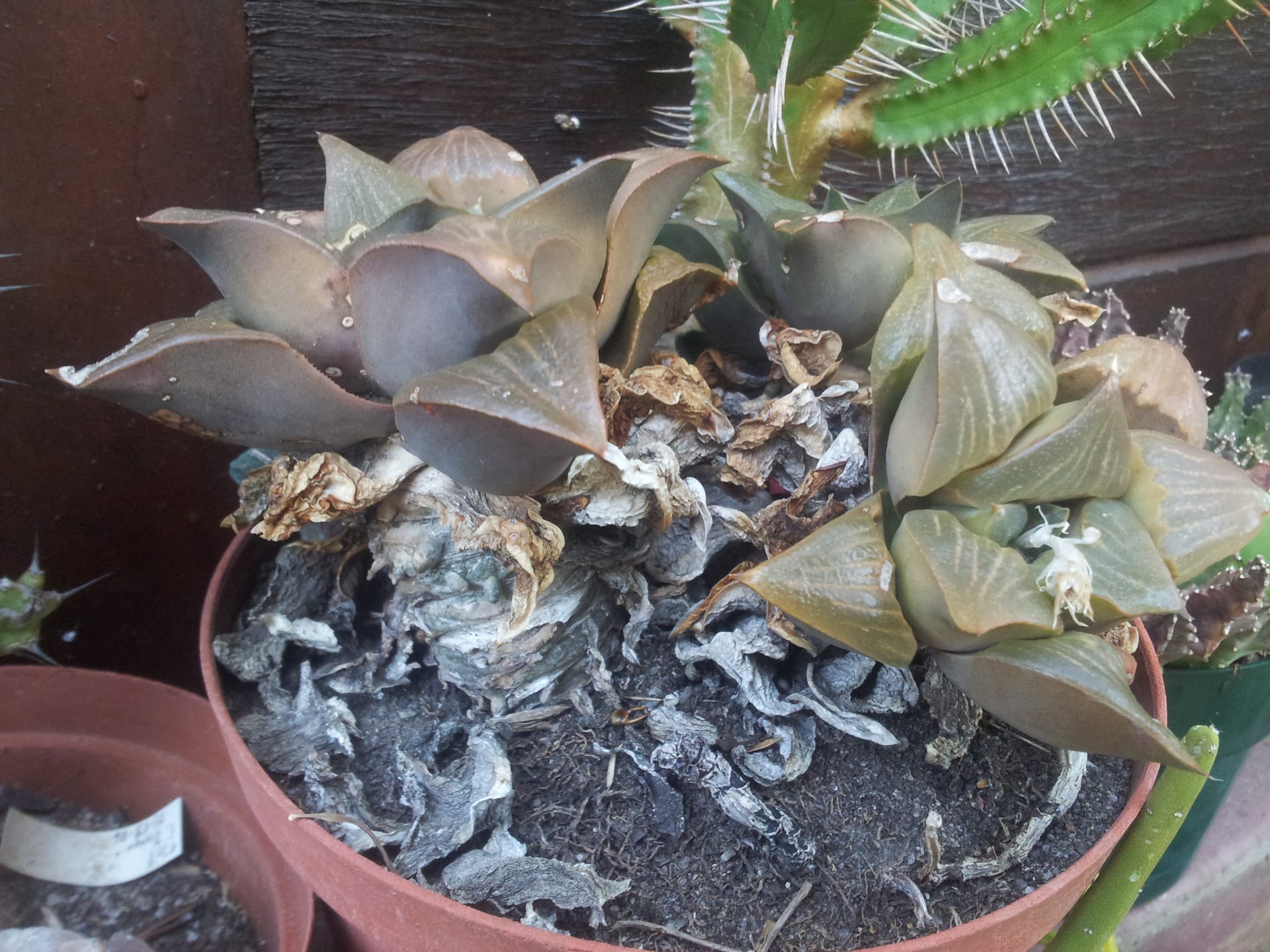
 © S Molteno / CC BY-SA 4.0
寶草(Haworthia retusa)
Haworthia retusa (known in Japan as Kotobuki) forms a star-shaped rosette of glossy, thick, triangular leaves. The upper half of each leaf folds over into a flat, translucent window marked with fine vertical lines, and this is the plant's main charm. Rosettes measure about 5–10 cm across (up to 15 cm in larger plants), with leaves 2.5–4 cm long (occasionally up to 8 cm), so it fits easily on a shelf or small tray indoors. Give it bright light without harsh direct sun and water only once the soil has dried out, and it is a forgiving choice for beginners. It is a perennial, so it can be enjoyed over the long term.
View 寶草(Haworthia retusa) encyclopedia →成交手續費 0%!2026年9月30日前註冊,前 2 株免佣金!
生產者 招募中!
在 GrowerDirect 上架,直接銷售給全國的客戶吧!
GrowerDirect承諾的 6 項透明性重點
生產者在多肉植物與仙人掌出品時明示以下資訊。保證品種、產地、所需光量、栽培難度的透明度。
- 品種明示
- 實物照片
- 色澤
- 產地明示
- 所需光量
- 難度明示
查看全部133個品種
沒有符合條件的商品
請調整篩選條件,或在有新商品時接收通知。
「接收上架通知」需免費註冊會員即可設定。當有符合您儲存條件的新商品上架時,我們會以郵件和站內通知提醒您。
已註冊的生產者(搶先看)
寶草(Haworthia retusa)的基本資料
- 栽培難度
- 適合新手
- 壽命
- 多年生(壽命資料較少)
- 體型
- 蓮座直徑5~10(~15)cm、葉長2.5~4(~8)cm
- 澆水
- 春季和秋季生育期施用緩效肥料或稀釋液體肥料少量
- 光照和擺放位置
- 全年在明亮的半陰處生長。雖然直射日光不會導致植物枯死,但會減緩生長速度並失去飽滿水分感。適度接受陽光照射會使葉片泛紅並變得更加緊實。
- 澆水
- 春秋型生長植物,主要生育期在春季(3~6月)和秋季(9~11月)。生育期土壤表面乾燥時充分澆水,夏季和冬季減少澆水。在恆溫室內環境中,植物可能全年持續生長。
- 溫度和越冬
- 冬季在不結凍的明亮處使植物休眠,保持土壤濕潤並避免長期暴露於寒冷環境。
- 土壤和換盆
- 使用排水性良好的土壤,當土壤老化導致生長緩慢時,在生育期開始前或初期進行換盆。
- 繁殖方法
- 可通過分株、葉插和播種進行繁殖。適宜時間為3~5月和9~10月。摘取葉片時必須保留基部部分。
- 病蟲害和注意事項
- 花卉易受介殼蟲和蚜蟲危害,根部易受根蚧蟲侵害。持續潮濕的土壤會導致菌蠓幼蟲傷害根部和莖部。
關於寶草(Haworthia retusa)
Haworthia retusa (Kotobuki) is a succulent with glossy triangular leaves in a star-shaped rosette and translucent, vertically lined windows. Rosettes reach 5–10 cm. Beginner-friendly care and buying tips.
開始照料寶草(Haworthia retusa)前需要了解的7件事
1Bright, part shade
A bright spot with light filtered through a sheer curtain suits it well. Strong midsummer sun can scorch the leaves, while too little light makes them stretch and spoils the tidy rosette. With a rosette of roughly 5–10 cm, it is easy to keep on a shelf or a small tray.
2Water when dry
Wait until the soil is fully dry, then water thoroughly until it runs out of the pot's drainage hole. The thick leaves store water, so keeping the plant on the dry side is safer than overwatering. Pour water at the base rather than into the center of the rosette, where standing water can cause damage.
3Fast-draining soil
A fast-draining mix works best, such as commercial succulent soil blended with pumice or akadama-type grit. The roots are thick and fleshy, so soil that stays wet can lead to root rot. Choose a pot with a drainage hole.
4Pots and repotting
Pick a pot only slightly larger than the rosette, and repot roughly every one to two years once the roots fill the pot. Spring or autumn is best, avoiding the hottest and coldest months. Hold off on watering right after repotting and resume once the roots have settled.
5Summer: shade, airflow
Hot, humid summers are the toughest season for this plant. Move it to a shaded, well-ventilated spot and water sparingly to avoid stuffiness and rot. Growth slows in this period, so skip fertilizer and wait for cooler weather.
6Winter: avoid frost
Frost and cold drafts can damage the leaves, so keep it in a bright spot indoors. Growth is slow in winter, so water less often and let the soil stay on the dry side. Avoid places where heater airflow blows directly on the plant.
7Choosing a healthy plant
Look for plants with clear windows, firm leaves and a rosette that keeps its shape. Check that the leaf bases and the crown are not blackened or wobbly. Window patterns and sizes vary from plant to plant, so review the photos and the grower's description to find one you like.
寶草(Haworthia retusa)的常見問題
- Q.Can beginners grow it?
- A.Its growing difficulty is rated as beginner-friendly. Keep it in bright light out of harsh direct sun and water only after the soil dries, and it is an easy succulent to care for.
- Q.Is direct sunlight okay?
- A.Strong midsummer sun can scorch the leaves, so filtered light or bright part shade is better. Too little light makes the leaves stretch, so avoid dark spots as well.
- Q.How often should I water?
- A.Go by whether the soil has dried out rather than a fixed schedule. Water thoroughly once it is dry, and cut back in summer and winter when growth slows. Lifting the pot to feel how light it is can help you judge.
- Q.Why are the windows shriveling?
- A.It may be lack of water, or damaged roots that cannot take water up. If the soil is bone dry, water and watch for recovery. If the plant shrivels while the soil is damp, unpot it and check the roots.
- Q.How long can I keep it?
- A.It is a perennial, but reliable sources on its lifespan are scarce, so a specific number of years cannot be given. With regular care such as repotting it can be kept for a long time, and if offsets appear you can divide them to make new plants.
寶草(Haworthia retusa)栽培的實用工具
在圖鑑中詳細了解寶草(Haworthia retusa)
查看寶草(Haworthia retusa)的圖鑑條目 →
收錄栽培難度、尺寸、原產地、日照等基礎資料。