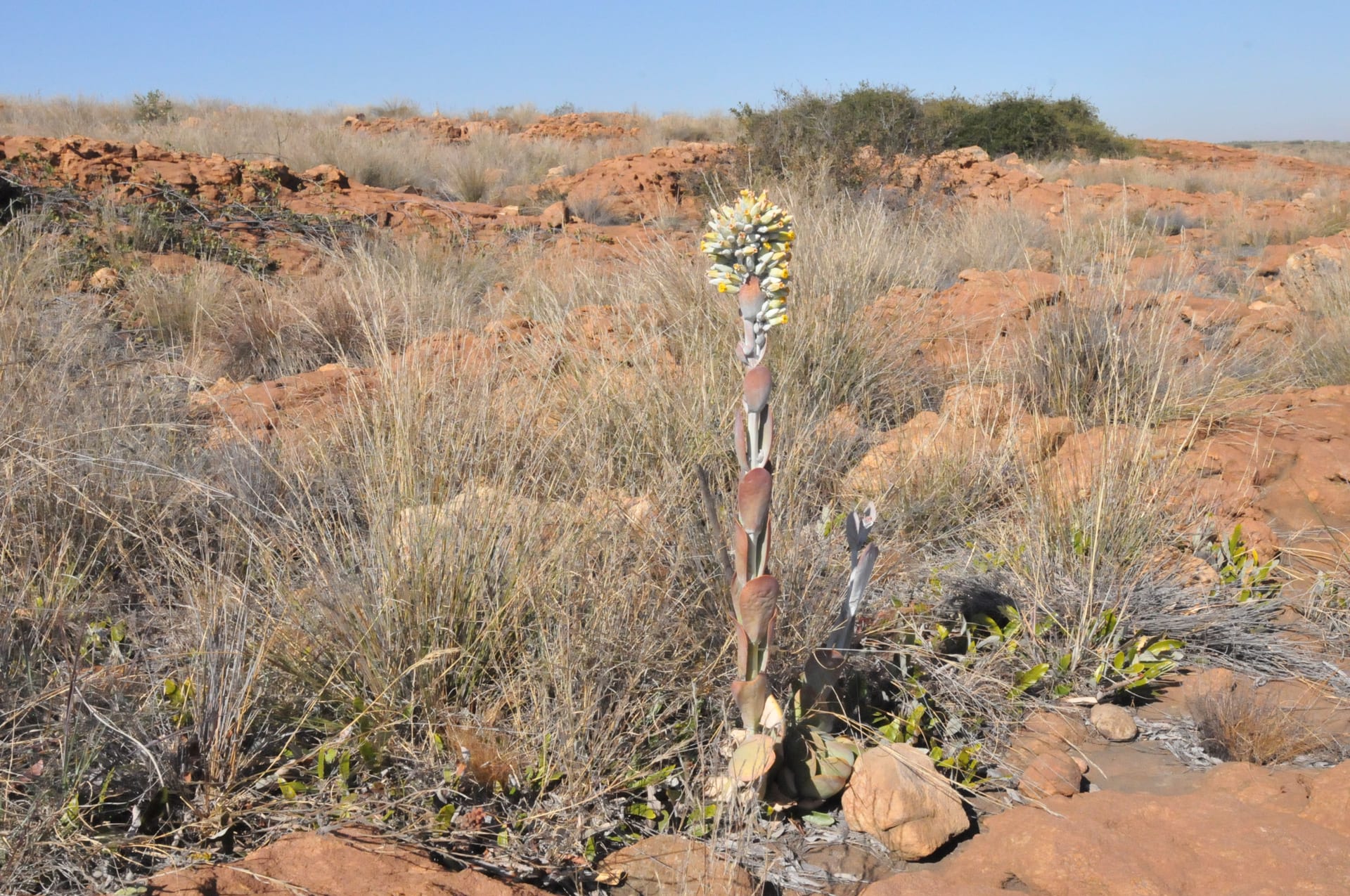
 © JMK / CC BY-SA 4.0
唐印
The paddle plant (a Kalanchoe) is a succulent known for large, rounded leaves stacked in a rosette and dusted with a white, powdery bloom. In good sun the leaf edges blush red, so its look shifts with the light. Leaves are usually 8–12 cm long, and a flower stalk can rise 70–150 cm tall. It is rated as beginner-friendly and needs little more than bright light and restrained watering. A rosette dies after it flowers, but offsets at the base carry the plant on, so you can keep renewing it over the years.
View 唐印 encyclopedia →成交手續費 0%!2026年9月30日前註冊,前 2 株免佣金!
生產者 招募中!
在 GrowerDirect 上架,直接銷售給全國的客戶吧!
GrowerDirect承諾的 6 項透明性重點
生產者在多肉植物與仙人掌出品時明示以下資訊。保證品種、產地、所需光量、栽培難度的透明度。
- 品種明示
- 實物照片
- 色澤
- 產地明示
- 所需光量
- 難度明示
查看全部131個品種
沒有符合條件的商品
請調整篩選條件,或在有新商品時接收通知。
「接收上架通知」需免費註冊會員即可設定。當有符合您儲存條件的新商品上架時,我們會以郵件和站內通知提醒您。
已註冊的生產者(搶先看)
唐印的基本資料
- 栽培難度
- 適合新手
- 壽命
- 蓮座在開花後枯死,由子株更新
- 體型
- 葉長(6~)8~12(~14)釐米,花莖高度70~150釐米
- 澆水
- 生育期夏季少量施用緩釋肥料或液體肥料
- 日照與置放位置
- 屬夏型生育,4~9月生長。生育期應在日照充足、通風良好的戶外養護。耐熱性強,夏季生育亦不會停滯。
- 澆水
- 生育期待介質表面乾燥後充分澆水。10~3月的休眠期僅進行月1~2次葉面噴水,保持乾燥狀態,春季新芽萌動後逐漸恢復澆水。
- 溫度與越冬
- 不耐寒冷,最低氣溫低於10℃時生育緩慢,應在室內明亮處越冬。冬季低溫會使葉片變紅,但應避免遭受強凍。
- 介質與換盆
- 用排水良好的介質種植,每2~3年於生育期前期或初期進行一次換盆。
- 繁殖方法
- 將根部萌生的子株分離繁殖。註:園藝中作為唐印販售的卡蘭克魯司路西亞據稱不能進行葉插繁殖。
- 病蟲害與注意事項
- 莖葉上易生介殼蟲或蚜蟲,根部可能出現根粉蚧。防止蛞蝓啃食因其會在葉片留下痕跡。葉片白粉容易被觸摸掉落,故應避免接觸株體。
關於唐印
Paddle plant (Kalanchoe): a beginner-friendly succulent with big, powdery round leaves that redden in sun. Tips on light, watering and offsets.
開始照料唐印前需要了解的7件事
1Give it bright light
It prefers a bright, airy spot. Good light keeps the leaves compact and helps the red edging develop. In a dim room the growth tends to stretch, so a window sill or other bright place suits it best.
2Water only when dry
The leaves store water, so overwatering can lead to root rot. Wait until the soil is dry through the pot, not just on the surface, then water thoroughly until it drains from the bottom. Pour gently at the base so you do not wash the powder off the leaves.
3Soil and pot choice
Choose a free-draining mix. Ready-made succulent and cactus soil is the easy option, and you can adjust it with akadama or pumice. Use a pot with a drainage hole and avoid one that is too large, which makes it easier to keep the roots from staying wet.
4Repot in spring as growth begins
As a summer grower active from April to September, repot when the roots fill the pot, in spring (around April) as the growing season begins; every two to three years is a rough guide. Shake off the old soil, trim any damaged roots, and hold back on water for a while afterward so the roots can recover. The large leaves make it top-heavy, so a stable pot helps prevent tipping.
5Summer growth, winter rest
It handles heat well and keeps growing through summer. During the April-to-September growing season, keep it outdoors in a sunny, airy spot and water thoroughly when the soil surface dries. It dislikes cold and slows down once lows drop below 10°C, so overwinter it in a bright indoor spot. During dormancy from October to March, keep it dry with just a light misting once or twice a month, then gradually resume watering when new growth starts in spring.
6Choosing a healthy plant
Look for thick, firm leaves with an even coat of white powder. Check that there are no scars, dark patches or soft, shriveled areas, and that the base of the plant is not wobbly. The powder rubs off when touched, so pick the plant up by the pot rather than the leaves.
7Offsets after flowering
When it flowers, the stalk grows about 70–150 cm tall, and the rosette that bloomed will die afterward. Offsets form at the base, though, and growing them on lets you renew the plant and keep it going. Do not be alarmed by flowering; just watch how the offsets develop.
唐印的常見問題
- Q.Is it suitable for beginners?
- A.Yes, it is generally considered beginner-friendly. Give it bright light and let the soil dry out between waterings, and it is a fairly easy succulent to look after.
- Q.Are red leaf edges a sign of disease?
- A.Usually not. Red edging is the plant's normal response to sunlight. If leaves turn soft or blackish instead, suspect overwatering and check how wet the soil is.
- Q.Does the plant die after it flowers?
- A.The rosette that flowers does die, but offsets at the base take over. If you grow the offsets on, the plant renews itself.
- Q.Does the white powder wash off?
- A.Touching or splashing the leaves can rub the powder off and leave visible marks. Water at the base of the plant and handle it by the pot, not the leaves.
- Q.How big does it get?
- A.Leaves are typically 8–12 cm long, ranging from about 6 cm to 14 cm. When it flowers, the stalk reaches 70–150 cm tall.
唐印栽培的實用工具
在圖鑑中詳細了解唐印
查看唐印的圖鑑條目 →
收錄栽培難度、尺寸、原產地、日照等基礎資料。