Potatorum
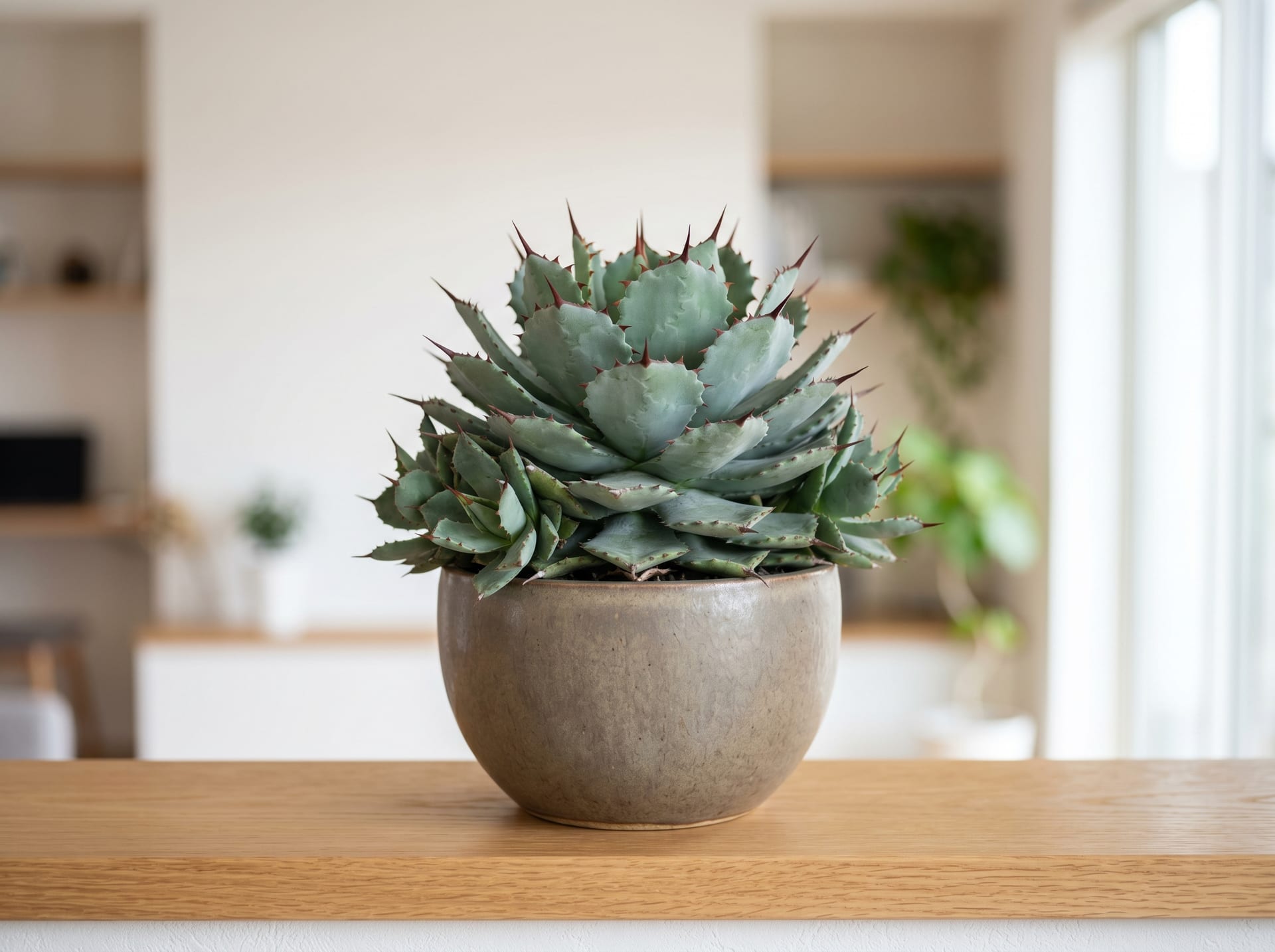
Agave potatorum, commonly known as Raijin agave, is a Mexican native prized for its broad, bluish-gray leaves tipped with sharp terminal spines. Its compact rosette form makes it well-suited to containers, balconies, or indoor growing spaces. Resilient once its sun and drainage needs are met, it suits intermediate growers and has long been a favorite among succulent enthusiasts for its striking presence.
View Potatorum encyclopedia →Grower Wanted!
List your plants on GrowerDirect and sell directly to customers nationwide!
6 Transparency Commitments from GrowerDirect
Every Agave from our Grower includes full transparency: variety, origin, light requirements, and care difficulty.
- Variety Disclosed
- Real Plant Photos
- Color Details
- Origin Disclosed
- Light Requirements
- Care Difficulty
Browse all 141 varieties
Light Requirements
Difficulty Level
No listings match your filters
Adjust your filters, or get notified when new listings arrive.
Getting alerts is free with a member account. When new listings match your saved search, we'll notify you by email and in-app.
Browse other categories
Verified growers (preview)
Potatorum key facts
- Growing Difficulty
- Intermediate
- Lifespan
- 10-20 years
- Size
- 20-40cm
- Temperature
- 5〜40℃
- Light & Placement
- It loves direct sun, and the brighter the spot the tighter the leaf color. Staying around 30-60 cm across, it is ideal for pots.
- Watering
- When soil dries. About monthly in winter
- Soil & Repotting
- Use a fast-draining mix of akadama and pumice. Growth is slow, so repot into a slightly larger pot only once the roots have filled it.
- Notes
- Somewhat cold-sensitive — keep above 5°C
- Pests & Cautions
- Watch out for excess moisture. In winter keep it out of frost and never water before the mix has dried out.
About Potatorum
Agave potatorum, known in Japan as "Raijin" (Thunder God) and also as "Kisshokan," originates from the arid mountain regions of Mexico's Puebla and Oaxaca states. Its leaves are bluish-gray, with reddish-to-brown toothed margins and a dark brown terminal spine at the tip. Mature plants stay compact, about 20–40 cm tall and 30–60 cm wide, which suits them to pots. It handles drought and intense sunlight well, and as long as overwatering is avoided it is a forgiving plant. Its sculptural beauty has also made it increasingly popular as a decorative houseplant.
Featured Growers Selling Potatorum
Browse all Potatorum growers (1 total) →5 things to know before growing Potatorum
1Full Sun Is Essential
Agave potatorum thrives in direct sunlight, and the brighter its position, the tighter and more defined its leaf color becomes. Insufficient light causes etiolation—stretched, misshapen growth that diminishes the plant's characteristic compact form. Outdoor placement is ideal; if grown indoors, position it near the brightest south-facing window available.
2Avoid Overwatering
Root rot is the primary threat to Agave potatorum, and overwatering is its main cause. During the spring-to-autumn growing season, water only after the soil has completely dried out; in winter, reduce watering to approximately once a month. Always use fast-draining soil and a pot with drainage holes to prevent water from pooling at the roots.
3Spines Are Genuinely Hazardous
The thick terminal spines can cause deep puncture wounds and should be taken seriously when choosing a placement for the plant. Keep it out of reach of children and pets, and always wear heavy leather gloves when repotting or handling. Some growers clip the spine tips to reduce risk, though this alters the plant's natural appearance.
4Expect Slow Growth
Agave potatorum is a slow grower; it is not unusual for noticeable size increases to take several years. Excess fertilizing in hopes of accelerating growth tends to cause etiolation or root damage instead. A diluted liquid fertilizer applied once a month during spring and early summer is generally sufficient—embrace the plant's naturally unhurried pace.
5Monocarpic Flowering Ends the Mother Plant
Like all agaves, Agave potatorum is monocarpic—once fully mature, the mother plant flowers once and then dies. Separating offsets (pups) before flowering preserves the next generation. The death of the parent following bloom is a natural conclusion to the plant's life cycle, not a sign of poor care.
Frequently asked questions about Potatorum
- Q.Can I grow Agave potatorum indoors?
- A.Yes, it can be grown indoors if you can provide bright, direct sunlight for several hours a day, ideally near a south-facing window. Insufficient light will cause the plant to etiolate, losing its characteristic compact rosette shape.
- Q.How often should I water it?
- A.During the growing season (spring to fall), water thoroughly once the soil has been fully dry for a few days. In winter, reduce to about once a month. Overwatering is the most common cause of problems, so always err on the dry side.
- Q.Is it safe to keep around children and pets?
- A.The sharp terminal spines and serrated leaf edges pose a real injury risk to curious children and pets. It is strongly recommended to keep the plant out of reach. Ingestion can also cause irritation, so placement in a safe, inaccessible spot is advisable.
- Q.How large does it get?
- A.Mature plants typically stay around 20–40 cm tall and 30–60 cm wide, making it one of the more compact agave species. Growth is very slow, so significant size changes from a young plant may take several years. Final size also depends on pot size and growing conditions.
- Q.When and how should I repot it?
- A.Repot when roots begin emerging from the drainage holes or the plant has clearly outgrown its container. Spring (March to May), as the growing season begins, is the best time. Always wear thick gloves to protect against the spines, and use a well-draining cactus or succulent mix.
Handy Growing Tools for Potatorum
Learn more about Potatorum in the encyclopedia
View Potatorum encyclopedia entry →
Care difficulty, size, origin and light needs — all basics covered.
Potatorum related articles
See more Potatorum articles →More in this category
Can't find the plant you're looking for?
Post your wishes for free and growers with matching plants will contact you with introductions.