Complete Guide to Growing Agave americana | The Iconic Large Standard Dragon Lily Agave
Discover the characteristics of Americana—the iconic species of the Agave genus—including variegated varieties, how to choose between container and ground planting, and essential cultivation methods.
Key Takeaways
Discover the characteristics of Americana—the iconic species of the Agave genus—including variegated varieties, how to choose between container and ground planting, and essential cultivation methods.
Related Species
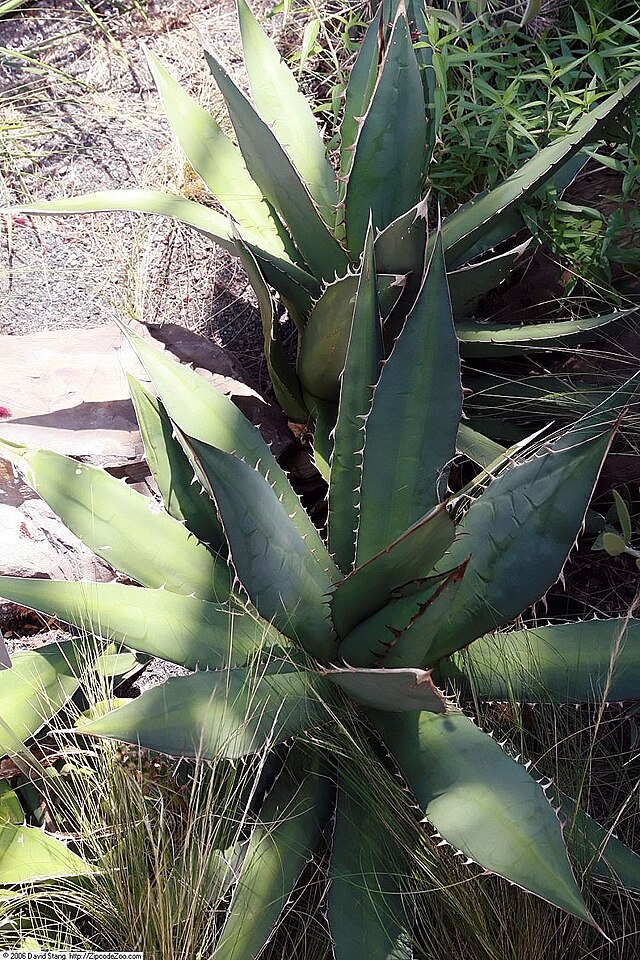
About Agave americana
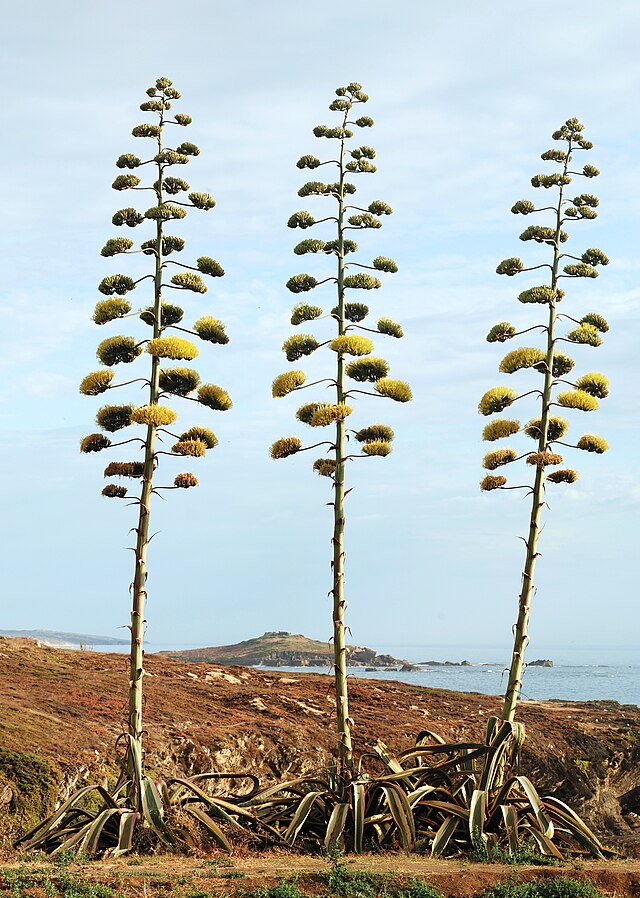
Agave americana (scientific name Agave americana) is a large species of the Agave genus known as a source of tequila and one of the most widely cultivated species worldwide with a long history. Its native habitat is the arid regions from central-northern Mexico to southern America, and in Japanese it is sometimes called "Dragon Lily" (竜舌蘭). In fact, while "Dragon Lily" is often used as a common name for the Agave genus in general, it has become established in its narrow sense as the name for Americana itself, and it is considered the iconic species of "Agave" in the horticultural world.
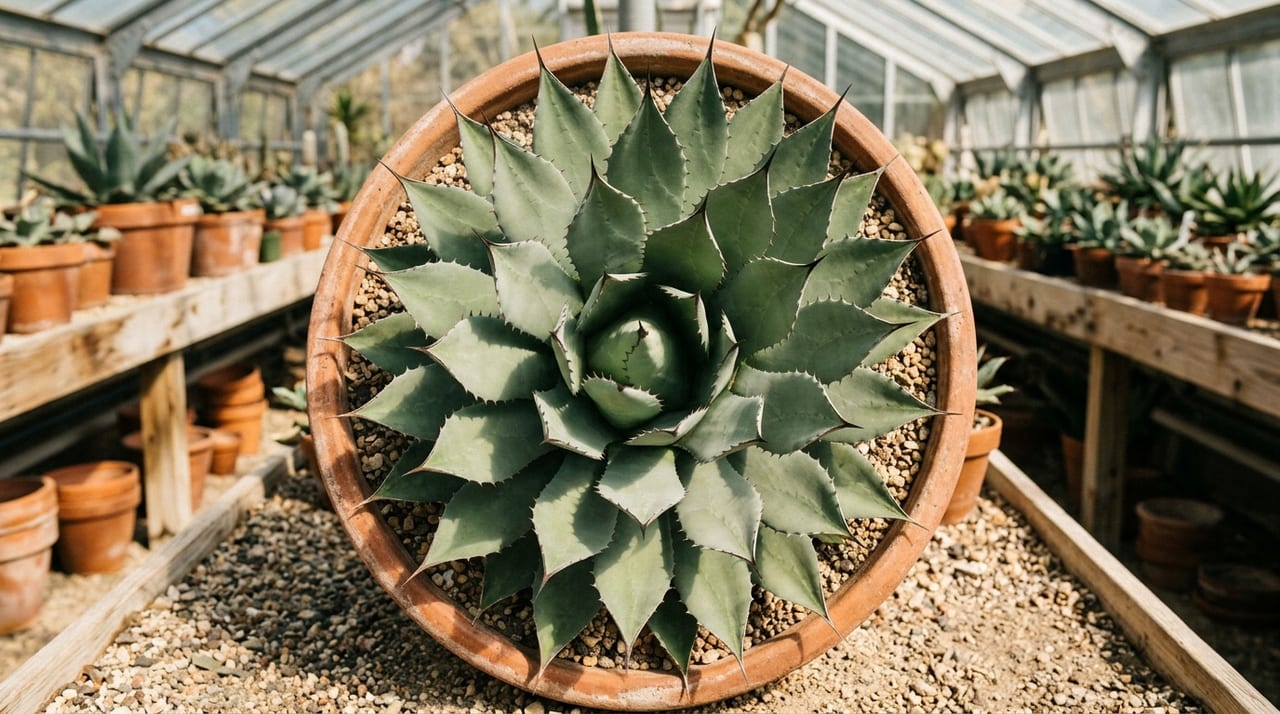
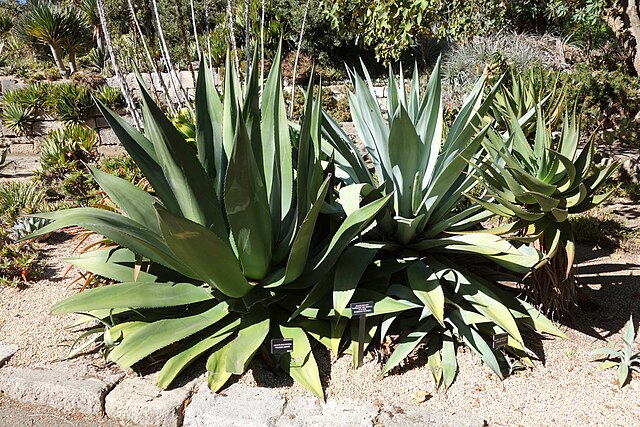
Thick, fleshy leaves with a grayish-green tint form a rosette pattern radiating outward, and when mature, it is not uncommon for leaf length to exceed 1 meter. Sharp saw-like teeth line the leaf edges, and dark brown spines appear at the leaf tips. As it grows, some specimens reach plant diameters of 2 meters or more, and it has been used worldwide as a signature planting in gardens and public spaces. It is often compared with Agave salmiana, a closely related large Agave species, and collectors enjoy comparing the differences in leaf texture and spine coloration.
Varieties and Variegated Variations
Americana has numerous horticultural varieties, the most famous being the 'Mediopicta' type with yellow vertical striped variegation on the leaves. There are multiple variations, including types with cream to yellow bands through the center of the leaf and types with variegation on the leaf margins; because the pattern and width of the variegation vary greatly among individuals, each offset or division has a distinct appearance. The unmarked wild-type has an attractive deep blue-gray leaf color, offering a simple yet robust plant form.
Variegated varieties are particularly popular, and because they are less readily available compared to the wild-type, they tend to command higher prices. When purchasing, it is important to check not only the variegation pattern on the leaves but also the health of the growing point, the condition of the root ball, and the absence of leaf burn or disease spots.
Basic Cultivation Methods
Americana is extremely hardy and has strong tolerance to drought and sunlight. The basic management points are as follows.
- Soil: Prioritize drainage and use succulent and cactus potting mix composed of materials like akadama and pumice. Terracotta pots or slitted pots with better breathability are more effective than plastic pots for preventing root rot.
- Watering: During the growth period (spring through fall), water thoroughly once the soil has completely dried. In winter, when the plant approaches dormancy, greatly reduce watering frequency and manage the soil nearly dry to increase cold tolerance.
- Light: Prefers direct sunlight outdoors. Prolonged indoor management causes etiolation and leaf spacing, disrupting the natural rosette form, so growing in a bright outdoor location is ideal whenever possible.
- Cold Tolerance: Among Agave species, this has relatively high cold tolerance and in some regions can overwinter outdoors when planted in the ground. However, avoid frost and snow accumulation; for container-grown specimens, moving them to a sheltered location like under eaves provides peace of mind.
- Fertilizer: A small amount of slow-release succulent fertilizer during the growth period is sufficient. Excessive fertilization causes etiolation and weak, spindly growth.
Choosing Between Container and Ground Planting
Americana becomes very large when mature, so many growers and enthusiasts in environments with gardens choose to plant it in the ground to enjoy its naturally dramatic form. Conversely, when growing in limited spaces such as balconies, controlling pot size to slow growth and maintain a compact plant form is a widely practiced management method. When planting in the ground, it is important to choose a location with sufficient distance from buildings and pathways, taking into account the eventual mature plant diameter. Because the spines are sharp, planting in high-traffic areas should be avoided.
With container growing, repotting every few years prevents root-bound conditions, and controlling the pace of upsizing adjusts the plant's size. Because the plant produces numerous offsets, propagation by division is relatively easy.
Pests, Diseases, and Management Precautions
Americana is relatively resistant to pests and diseases, but prolonged high-humidity conditions increase the risk of root rot and soft rot. Especially during the rainy season or periods of prolonged rain, it is advisable to avoid exposure to rain or adjust placement to prevent excessive soil moisture in the pot. Additionally, pests such as scale insects and agave weevils may occur, so regularly inspecting the leaf bases and growing point areas and practicing early detection and prompt treatment promotes healthy growth.
If discoloration or blackening appears near the growing point, it often signals internal rot progression, requiring prompt removal of affected areas and repotting in dry, clean soil. Maintaining good air circulation is key to preventing these problems.
Selection Tips
When selecting a plant from a grower, check the leaf color and luster, whether the growing point is firmly developed, and whether the plant is stable in the root ball. When selecting variegated varieties, there is a risk of "reversion" where variegation fades over time, so determining whether variegation is firmly established near the growing point directly impacts long-term satisfaction. Leaf color may temporarily pale from shipping stress, so after arrival, avoid sudden environmental changes; settle the plant in bright partial shade before gradually acclimating it to full light for peace of mind.
Conclusion
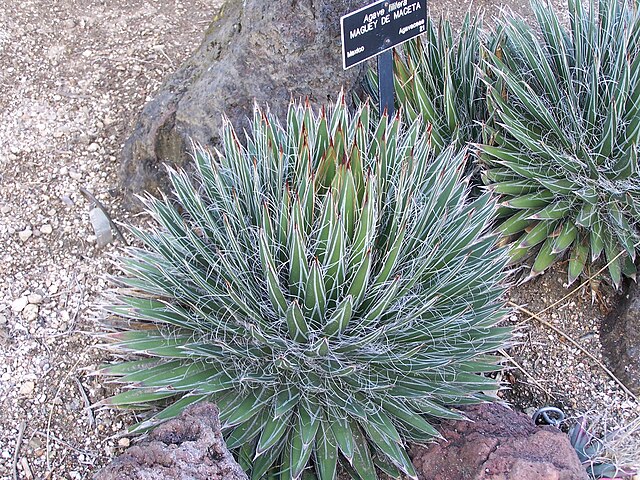
Agave americana, traditionally known as Dragon Lily, is the iconic species of the Agave genus—a versatile plant that showcases both the robust form of the wild-type and the elegant appearance of variegated varieties. While it is tough against drought and requires minimal care, choosing an appropriate location with consideration for its mature size is key to long-term management. Comparing leaf forms with other Agave species such as Agave titanota with its sharp spines or the more compact Agave filifera, and selecting an individual suited to your growing environment is another way to enjoy collecting. Plants delivered directly from growers have the advantage of allowing you to easily confirm condition during transport and handling, making this variety well-suited for those who want to grow vigorous specimens for many years.