Agave Marmorata Care Guide | How to Long-Term Maintain Large Specimens with Marble Imprint Patterns
Comprehensive guide to cultivating Agave marmorata. We provide practical instruction for intermediate growers on soil composition, seasonal watering management, full-sun light requirements, repotting procedures, and spine safety precautions for this rare large species characterized by marble-like imprint patterns.
Key Takeaways
Comprehensive guide to cultivating Agave marmorata. We provide practical instruction for intermediate growers on soil composition, seasonal watering management, full-sun light requirements, repotting procedures, and spine safety precautions for this rare large species characterized by marble-like imprint patterns.
Related Species
What is Agave Marmorata?
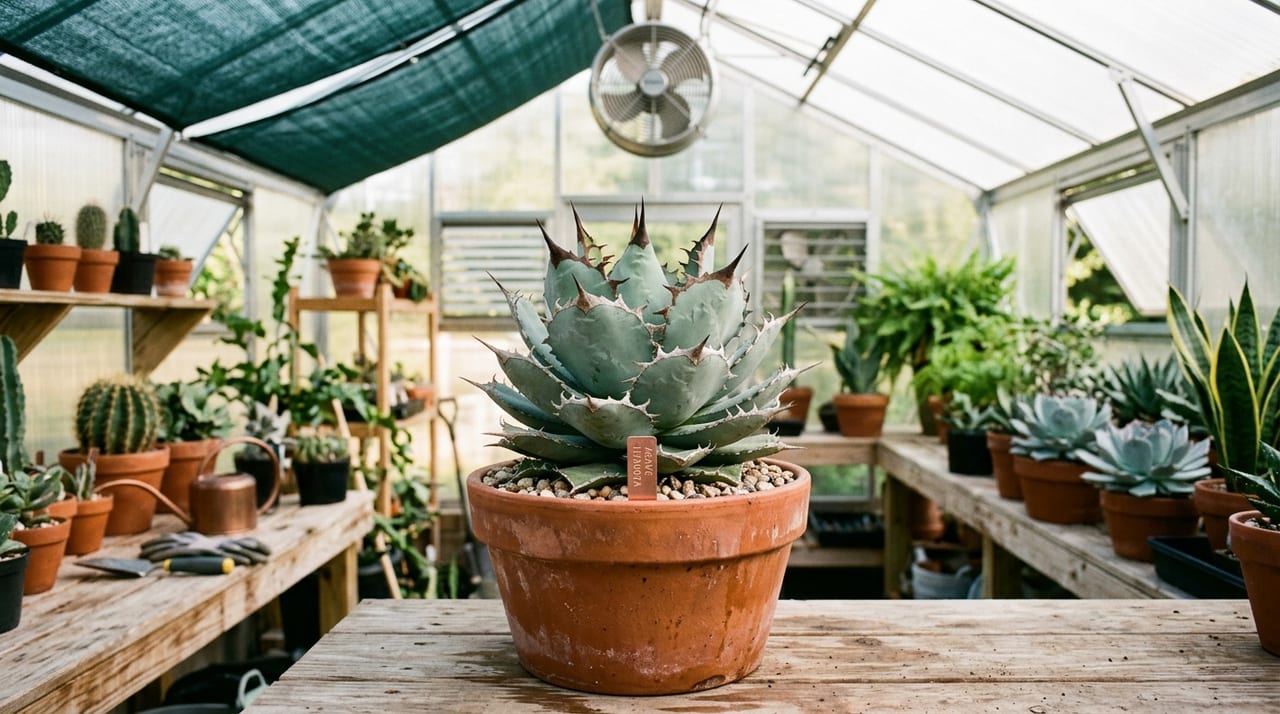
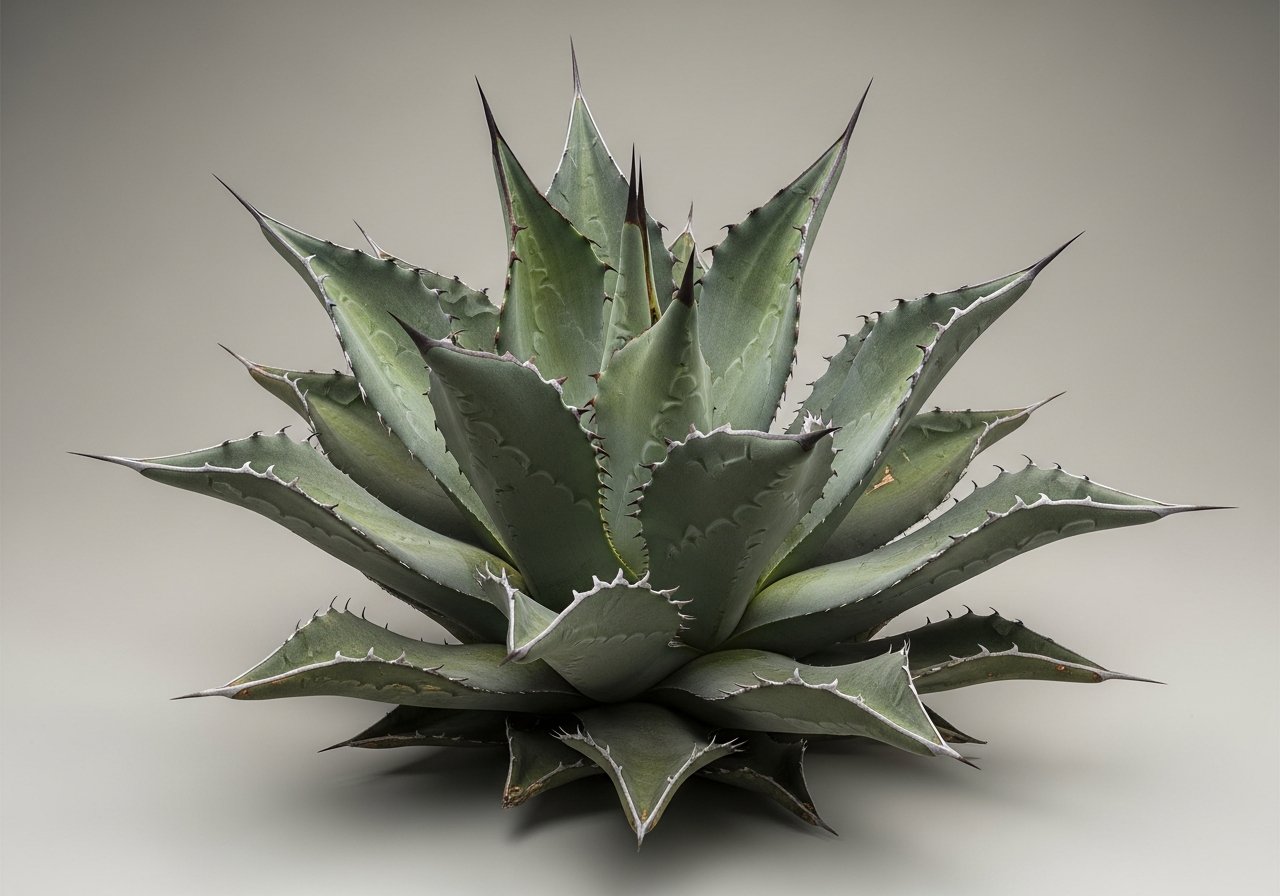
Agave marmorata is a large agave native to the arid limestone regions of Puebla and Oaxaca states in Mexico. As the species name "marmorata" (meaning marble-patterned) suggests, the defining characteristic is the appearance of white to gray marble-like mottled markings (imprints) on the leaf surface.
Mature specimens reach heights of 60–120 cm with rosette diameters of 100–180 cm, making them a striking large species. The leaves are thick and broad, with "imprint" patterns pressed into the leaf surface from adjacent leaves. These markings vary by individual, and among collectors, the uniqueness of these patterns is one of the evaluation criteria.
Distribution is still limited in Japan, with seed-grown individuals and domestically-bred specimens commanding high prices. This rarity makes it a species of significant value for long-term cultivation, drawing strong interest from dedicated agave collectors.
Growing Characteristics and Difficulty Level
As marmorata matures into a large specimen, long-term containerized cultivation requires adequate space. However, growth speed is relatively slow, and with proper care, this is a hardy species.
Cultivation Difficulty: Intermediate Level
| Characteristic | Details |
|---|---|
| Mature Size | Rosette diameter 100–180 cm (potted specimens approximately 60–100 cm) |
| Growth Speed | Slow (10+ years from seed to mature specimen) |
| Cold Hardiness | Approximately -5 to -8°C (healthy mature plants) |
| Heat Tolerance | Tolerates temperatures above 40°C |
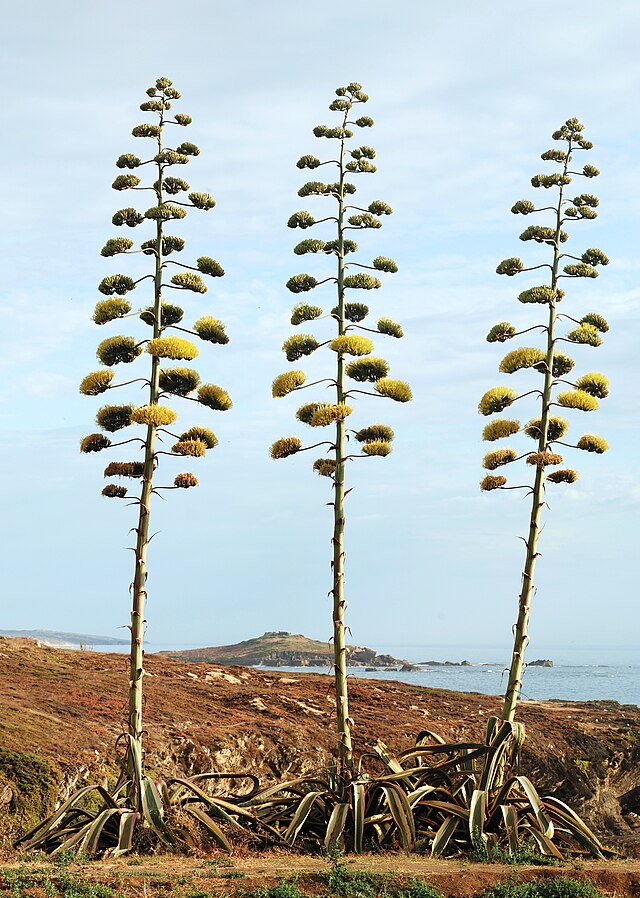
| Flowering | Monocarpic (parent rosette dies after flowering). Blooms after several decades |
Recommended Growing Environment
Environmental Parameters
| Item | Recommended Value |
|---|---|
| Light | 6+ hours of direct sunlight (full sun recommended) |
| Summer Care | Outdoor direct sunlight (no shade cloth needed) |
| Winter Care | Avoid frost and snow (move indoors in regions below -5°C) |
| Watering (Spring/Fall) | Once every 2–3 weeks (after soil dries completely) |
| Watering (Summer) | 2–3 times per month (surprisingly infrequent during hot, dry season) |
| Watering (Winter) | 0–1 time per month (essentially dry dormancy) |
Soil and Pot Selection
For large specimens, balancing soil volume and drainage is essential.
Recommended Soil Mix
- Akadama (medium grade): 30% (medium grain recommended for large plants)
- Pumice (medium grade): 30%
- Hyuga soil: 20%
- Grit or coarse sand: 20%
Keep organic matter to a minimum. Excess moisture is the primary cause of root rot, even in large species.
Pot Selection
- Future growth requires pots 40–60 cm or larger
- In-ground planting is an excellent final option (except in cold climates)
- Use casters or wheeled platforms for transport due to weight
- Provide anti-tipping measures due to heavy mass
Characteristics of Imprint Patterns
Understanding the imprint (marble-like pattern)—the primary ornamental appeal of marmorata—is key to selection and care.
What Are Imprints?
When young leaves are still folded in the center of the rosette, the spines and leaf edges of adjacent leaves press against them. After the leaf unfurls, white imprint marks remain on the leaf surface. This is not a genetic trait but a unique pattern created during each individual plant's growth process.
- Imprint intensity and pattern vary significantly between individuals
- Plants grown in appropriate light, moisture, and temperature conditions tend to develop more vivid imprints
- Imprints are permanent (the pattern on an expanded leaf is fixed)
- Among collectors, the clarity and uniqueness of imprint patterns are key evaluation criteria
Watering Precautions
Marmorata is native to arid limestone regions and is relatively sensitive to excess moisture.
Basic Watering Rules
- Lift the pot to confirm it has become light before watering
- Water thoroughly until it drains from the pot's base
- After watering, ensure the plant is in an environment where it dries rapidly
- Avoid water pooling in the center of the rosette (crown)
- In winter, maintain near-total dormancy (even infrequent light watering prevents root rot)
Fertilization Methods
Due to large size and slow growth, excessive feeding is unnecessary. Appropriate fertilization maintains healthy leaf color and vivid imprint clarity.
- Growing Season (Spring–Fall): Fixed-release fertilizer once every two months (1/3 to 1/2 recommended dose)
- Avoid nitrogen-heavy fertilizers (causes leggy growth and leaf distortion)
- Phosphorus and potassium-rich fertilizers (flowering/fruiting type) support stable growth
- Overfertilization causes leaf color changes and weak growth
Repotting Timing and Methods
As marmorata grows large, repotting every 2–3 years is the general guideline.
Repotting Steps
- Repot in spring (March–April) or fall (September–October) when temperatures are stable
- Carefully remove from the old pot and gently remove soil without damaging roots
- Trim dead or blackened roots with clean scissors and air-dry for 1–2 days
- Plant in fresh pot and soil mix (reduce watering for the first 1–2 weeks)
- Spines are extremely sharp—wear heavy-duty gloves
Summary
Agave marmorata, with its marble-like imprint patterns and impressive large rosette, is a species that commands particular reverence among agave collectors. While growth is slow and requires long-term management, you can enjoy watching the specimen expand over years and appreciate the unique characteristics of each new leaf. If you follow the fundamentals—dry-leaning care, full-sun exposure, and excellent drainage—this is a hardy species even beginners can cultivate successfully. Due to limited distribution, we recommend sourcing healthy seed-grown or pup specimens from trusted growers.
Collector's Value of Agave Marmorata
Marmorata is known among agave enthusiasts as a particularly connoisseur's species.
Rarity and Price Range
- Seed-grown seedlings (3–4 inch pots): Approximately ¥5,000–20,000
- Medium specimens (5–7 inch pots): Approximately ¥20,000–80,000
- Large specimens and premium selections: Often exceed ¥100,000
Imprint clarity and uniqueness directly correlate with price, so when purchasing, verify imprint condition using multiple photos.
Motivation Management for Long-Term Cultivation
Since marmorata grows slowly, management requires a long-term perspective. Avoid impatience, but record-keeping makes it easier to maintain motivation.
Recommended Record-Keeping
- Photograph top and side views monthly under consistent conditions (changes become more visible)
- Record new leaf emergence timing and imprint development (a collector's joy)
- Document watering and fertilization dates to identify optimal care cycles
- Note relationships between light exposure/temperature and growth rate
Comparison with Other Agaves
Marmorata is sometimes confused with other large agaves like Agave americana and Agave utahensis, but imprint patterning is the primary distinguishing feature.
| Comparison Item | Marmorata | Americana | Utahensis |
|---|---|---|---|
| Imprint Pattern | Distinct | Minimal | Weak |
| Mature Size | 100–180 cm | 150–250 cm | 40–80 cm |
| Leaf Color | Gray-green | Blue-gray to gray | Blue-green |
| Rarity | High | Low (widely available) | Moderate |
Among collectors, display arrangements emphasizing marmorata's imprint patterns are popular, with specimens positioned to showcase their striking individual presence.