Agave Propagation Methods | A Practical Guide to Offset Division, Pup Separation, and Seed Sowing
Explanation of three major Agave propagation methods: offset division, pup separation, and seed sowing. This guide covers procedures, success factors, and variety-specific selection criteria from a professional perspective.
Key Takeaways
Explanation of three major Agave propagation methods: offset division, pup separation, and seed sowing. This guide covers procedures, success factors, and variety-specific selection criteria from a professional perspective.
Related Species
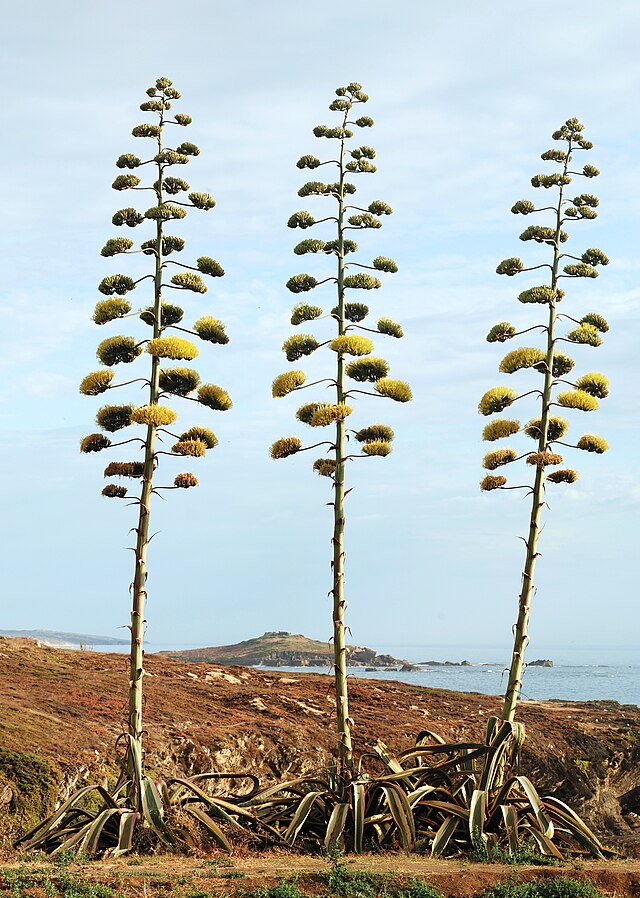
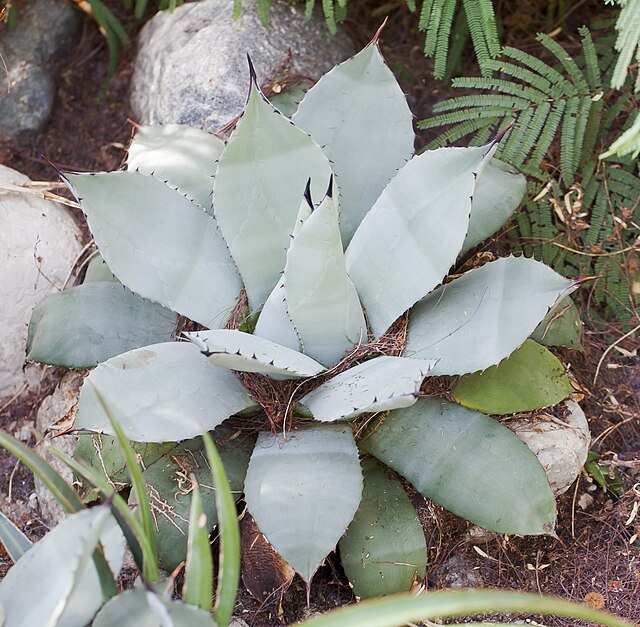
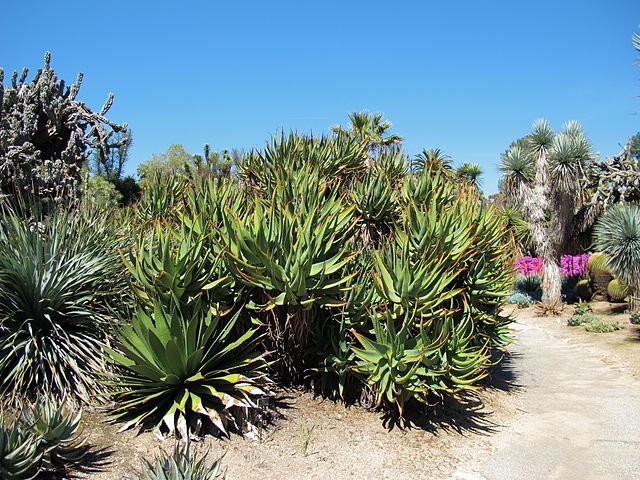
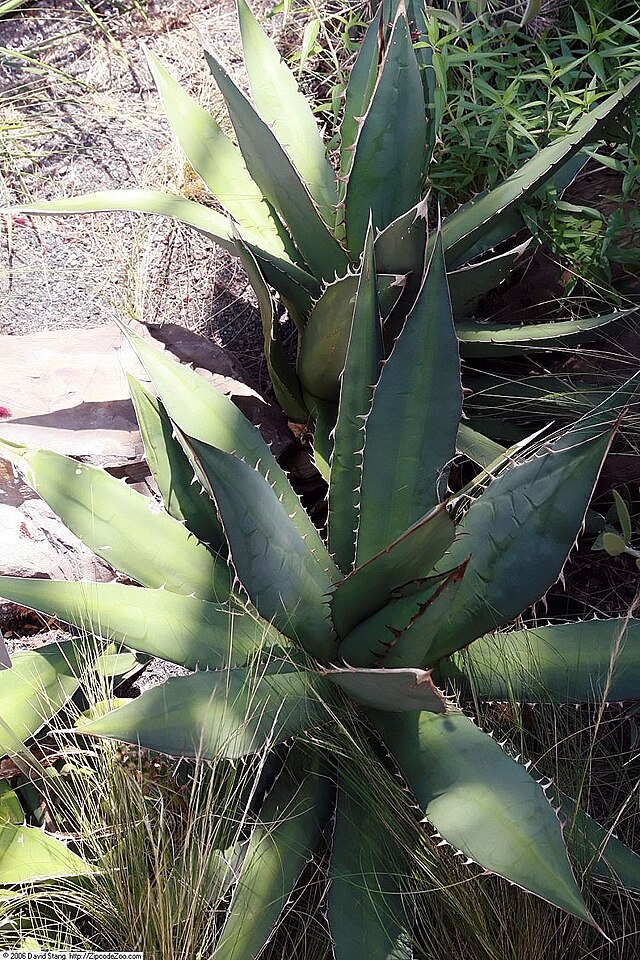
By propagating Agave, you can expand your collection of quality plants within a limited budget. As your purchased Agave grows, pups appear at the base, and through their separation you can obtain new plants. Agave propagation methods are broadly classified into three types.
- Offset division is the easiest method with the highest success rate, making it ideal for general growers.
- Pup separation requires somewhat more technique, but yields a greater number of plants.
- Seed sowing is time-consuming, but allows you to establish traits obtainable only through seedlings.
Offset Division and Transplanting Procedure
Offsets are small plants that develop from the base or leaf axils of the parent plant. Most Agave varieties form offsets of approximately 5–10 cm within 1–2 years of growth. The optimal time for harvest is spring to early summer (April–June); harvesting in autumn or winter results in poor rooting and increased rot risk.
The procedure from harvest to root development is as follows.
- Before harvesting, reduce watering to the parent plant and allow the soil to dry completely. In a dry state, the offset base can be cleanly separated with a knife, minimizing pathogen entry through the cut surface.
- After separation, allow the offset to dry in a well-ventilated location for 1–2 weeks, ensuring that the cut surface heals thoroughly.
- After drying, fill a terracotta pot with coarse succulent growing medium (60% akadama soil, 30% pumice, 10% charcoal, etc.), and plant the offset shallowly in the soil.
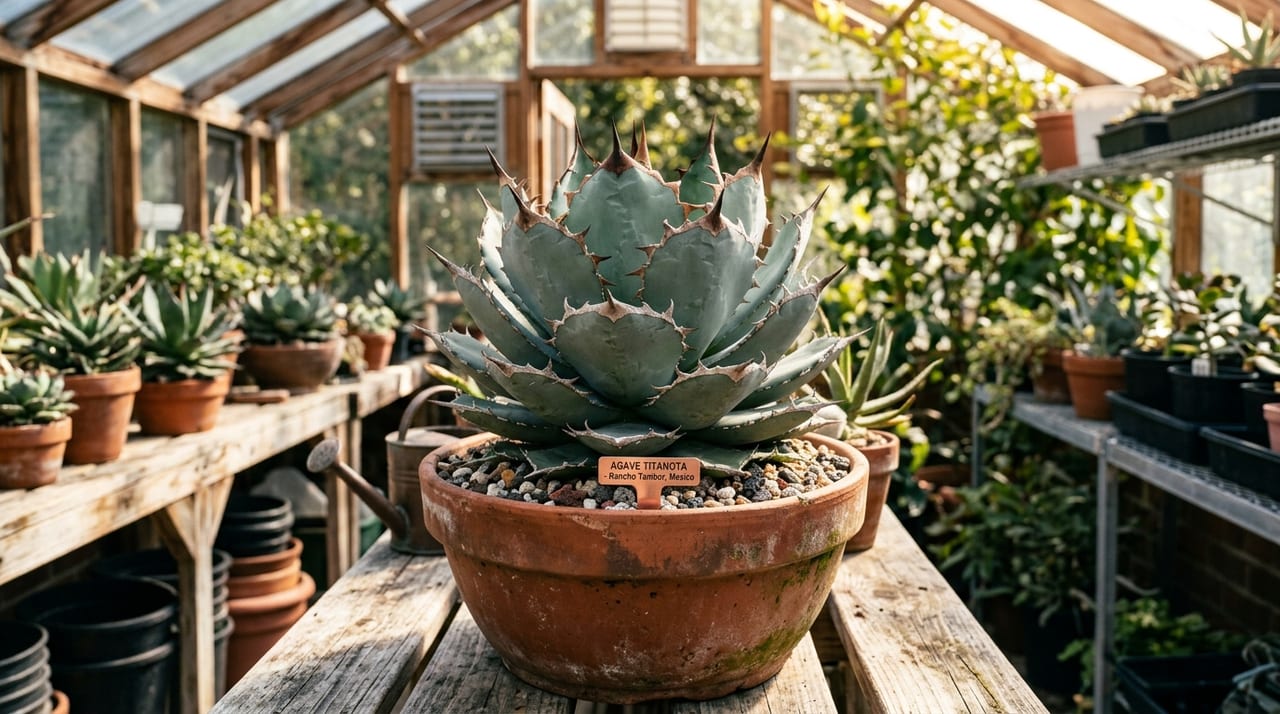
- For Agave titanota and Agave americana, withhold watering at this stage and begin applying small amounts of water after 2 weeks.
- Rooting requires 4–6 weeks; when new leaves begin to unfold, transition to regular care. The offset requires 2–3 years to reach the size of the parent plant.
Pup Selection, Separation, and Cultivation Tips
Some Agave varieties form pups with thin stems at the leaf axils. These are small plants approximately 1–3 cm in size and can be removed with tweezers. While separation is more difficult than offset division, success yields multiple plants from a single parent.
When selecting pups, choose those 3 cm or larger with firm, well-developed leaves. Individuals that are too small or have thin, weak leaves carry a high risk of dying during cultivation. After separation, drying the cut surface is essential, just as with offsets. Allow 1–2 weeks for the cut to dry, then cultivate in fine akadama soil alone or in coconut husk chips. High humidity promotes rot in pups; prioritize good air circulation within the container and limit watering to small amounts.
Rooting requires 6–8 weeks, during which time keep the pup in bright, indirect light away from direct sun. After rooting, continue conservative watering and avoid excessive moisture management until new leaf growth is confirmed.
Seed Sowing: Preparation through Germination Management
Agave seed sowing introduces genetic diversity unobtainable from offsets or pups. Seed-grown Agave sometimes produce individuals with variegation or coloration different from the parent, making this method suitable for growers interested in breeding.
Seeds can be sourced from domestic seed suppliers or collectors through botanical networks. Seed viability declines rapidly 1–2 years after collection, so select seeds with clearly marked collection years. Optimal sowing times are spring (March–May) or autumn (September–October); avoid summer and winter.
The procedure from sowing to germination is as follows.
- Before sowing, soak seeds in 36–40°C warm water for 24 hours to promote water absorption.
- Sow in clean growing medium (60% fine akadama soil, 30% coconut husk chips, 10% charcoal) at a depth that covers the seed.
- After sowing, maintain humidity using bottom watering and manage at 23–25°C.
- Germination begins in 10–20 days; even after the initial root (white radicle) appears, continue bottom watering until true leaves develop.
Seedling Agave tend toward etiolation, so insufficient light is critical to avoid. Cultivation in LED light at 1000 lux or higher, or in a south-facing window, is recommended. A common beginner mistake is early watering or fertilizer application. Seedling roots are fragile, and excessive moisture quickly leads to rot.
Seasonal Timing and Pest Prevention
Timing of Agave propagation work significantly affects success rate. Spring to early summer (April–June) is optimal; during this season, plant hormones are active and rooting and new leaf development are most vigorous. Avoid propagating in autumn or winter, as low temperatures inhibit rooting and excess moisture promotes pathogen proliferation.
In pest prevention, cleanliness during harvest is paramount.
- Sterilize knives and tweezers used for harvest with alcohol, and re-sterilize between handling different plants.
- Light application of fungicide (such as copper hydroxide) to the cut surfaces of offsets and pups reduces rot risk.
- During the rooting period, when watering, ensure old water does not accumulate at the container base, and maintain good air circulation.
Pests such as springtails and mealybugs readily proliferate in closed growing environments, so regular air circulation is preventive.
Variety and Size-Based Selection Criteria and Breeder Considerations
The optimal propagation method varies depending on your cultivation goals.
| Variety Type | Suitable Propagation Method | Characteristics |
|---|---|---|
| Fast-growing varieties such as Agave titanota and Agave oteroi | Offset division | Most efficient; reaches market size within 3–4 years |
| Small varieties such as Agave parry and Agave horrida | Pup separation | Enables multi-plant production and shortens cultivation time |
Breeders pursuing hybridization select seed sowing to establish superior genetics. In seed-grown plants, the probability of traits appearing that differ from the parent is high, and selecting the finest individuals from these allows creation of new selected varieties. This process represents a long-term investment on the order of 10–20 years, but promises added value through new variety development.
Growers aiming for scale expansion should target offset division as the primary method, aiming to propagate 20–50 plants annually. Pup separation requires time to master technique, so it is recommended to undertake it only after building experience.
Summary: The Path to Success
Agave propagation achieves high success rates through planned management and method selection suited to the season. Beginners should start with offset division, limiting work to spring and early summer to minimize failure. Ensuring soil drainage and avoiding excessive moisture are the most critical factors.
As technique improves and experience accumulates, you can progress gradually to pup separation and seed sowing. Through Agave propagation, cultivating diverse varieties within a limited budget and creating your own unique collection deepens your understanding of the beauty of these remarkable plants.