Complete Guide to Lighting for Planted Aquariums | LED Selection, Light Intensity, and Optimal Photoperiod
Comprehensive guide to choosing lighting for aquatic plant cultivation. Introduces guidelines for LED light intensity and photoperiod settings.
Key Takeaways
Comprehensive guide to choosing lighting for aquatic plant cultivation. Introduces guidelines for LED light intensity and photoperiod settings.
Related Species
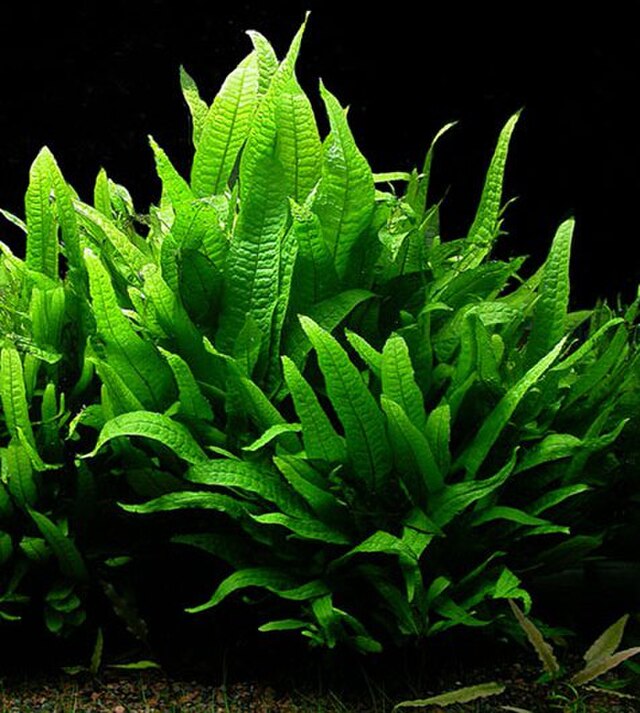
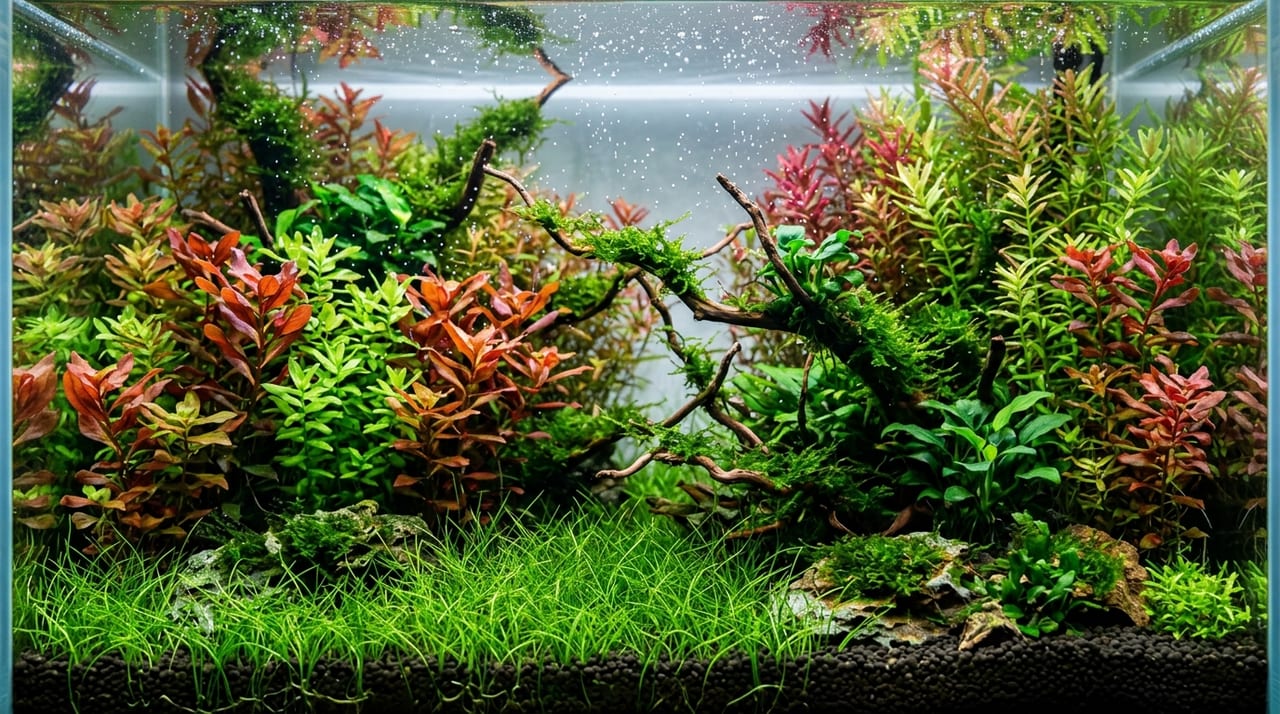
Lighting is one of the most important components in a planted aquarium. Aquatic plants gain energy through photosynthesis and grow accordingly, and the quality and quantity of that photosynthesis is determined by your lighting system. If light intensity is insufficient, plants gradually weaken, with leaves dissolving or dying off. Conversely, when light becomes excessive, algae proliferates faster than plants grow, ruining your carefully designed layout. Establishing proper lighting conditions is the first step to maintaining a beautiful planted aquarium for the long term.
This article systematically explains everything from LED light selection to light intensity guidelines and photoperiod management methods—knowledge useful for both beginners and intermediate aquarists.
Fundamental Knowledge About Light Intensity for Aquatic Plants
The light intensity required by aquatic plants varies significantly by species. "Lumens (lm)" is the standard unit for measuring light, and it's easiest to think in terms of lumens per liter of tank volume (lm/L).
| Plant Category | Light Intensity Range | Representative Species |
|---|---|---|
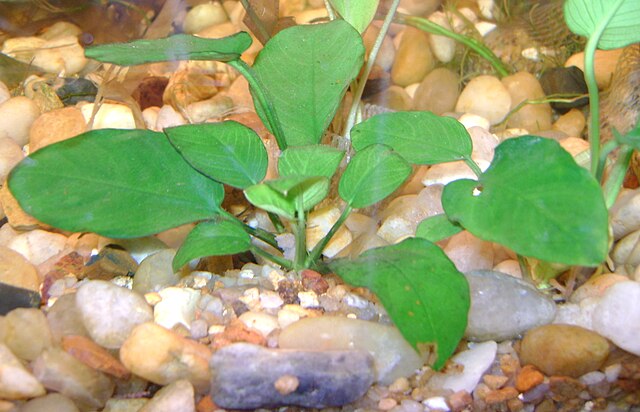
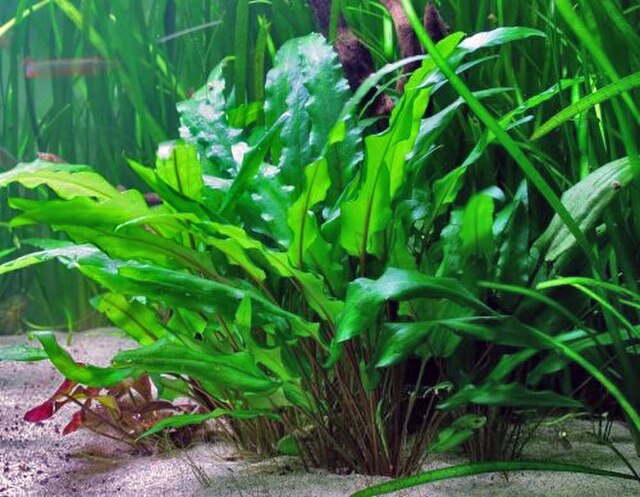
| Low-light | 10–20 lm/L | Anubias, Willow moss, Cryptocoryne |
| Medium-light | 20–30 lm/L | Rotala, Hygrophila, Ludwigia |
| High-light | 30–50 lm/L | Glossostigma, Pearl grass, Hair grass |
For example, in a standard 60cm aquarium (approximately 60L capacity) growing medium-light plants, a lighting system producing 1,200–1,800 lumens is a reasonable target.
However, lumens only measure "total brightness"—the quality of light (spectrum) also significantly impacts plant growth. Don't rely solely on numbers; check the color temperature and spectrum details discussed below.
Choosing LED Lighting | Five Key Checkpoints
LED lighting is now the standard for planted aquariums. Compared to fluorescent tubes, LEDs consume less power and last longer. However, performance varies widely between products, so check these points:
1. Light Output (Lumens)
Choose based on tank size and the plant types you want to grow. Check the lumen rating in the product specifications and verify it meets the necessary values using the table above.
2. Color Temperature (K: Kelvin)
6,500–8,000K is considered optimal for aquatic plant growth.
- Around 6,500K (daylight white): Natural white light that displays plant colors vividly and delivers high photosynthesis efficiency. Beginner-friendly.
- 8,000K and above (cool white): Creates a cool aquascaping look with a marine aquarium feel. Works for plants but monitor color rendering.
- 3,000K and below (warm white): Reddish, warm-toned light generally unsuitable for aquatic plant cultivation.
3. Spectrum (Light Wavelengths)
Plant photosynthesis utilizes "red light (around 660nm wavelength)" and "blue light (around 450nm wavelength)." LEDs containing both wavelengths in balanced proportions improve photosynthesis efficiency. Some products are labeled "for plant growth," and these have optimized red-to-blue ratios.
4. Waterproofing
Since the light sits above your tank, water splashes and humidity are unavoidable. Choose products with IPX4 or higher waterproof and splash-resistant ratings.
5. Dimming and Timer Functions
Dimmable lights allow fine adjustment of light intensity, letting you respond flexibly to plant condition and algae growth. Built-in timers or external timer compatibility enable automatic photoperiod management.
Setting and Managing Photoperiod
Standard is 8–10 Hours Per Day
8–10 hours daily is the standard photoperiod for planted aquariums. This mimics natural rhythms, allowing plants to grow stably.
Critically important: turn lights on and off at the same time each day. Irregular photoperiods easily trigger algae blooms and disrupt plant growth cycles. Use a timer outlet or built-in timer function to maintain consistent daily lighting.
Adjust Based on CO2 Supplementation
In tanks with CO2 (carbon dioxide) supplementation, photosynthesis is more active, so 8–10 hours of lighting allows plants to efficiently use available light. Conversely, in tanks without CO2 supplementation, reducing to 6–8 hours is safer. If light alone increases without proportional CO2, algae tends to proliferate.
Addressing Algae Outbreaks
If algae begins taking over, try these steps:
- Reduce photoperiod by 1–2 hours
- Lower light intensity (use dimming function)
- Increase water change frequency to remove excess nutrients
- Blackout the tank completely for 1–3 days using an opaque cover
Once algae blooms, removal becomes time-consuming, so early action is essential.
Lighting Installation Height and Light Penetration
Distance from Water Surface Matters
LED lights are typically positioned 5–15cm above the water surface.
- Too high: Light disperses before reaching the substrate, reducing effective light intensity.
- Too low: Significant light disparity develops between the center and edges of the tank.
Many products use adjustable suspension stands, allowing you to fine-tune height based on tank dimensions and plant layout.
Notes for Large or Deep Tanks
In deep aquariums (45cm-plus), light struggles to reach the substrate. Consider high-intensity LEDs or multiple fixtures. Especially when growing foreground plants like hair grass or glossostigma that densely carpet the bottom, ensuring adequate light at substrate level is crucial.
Shade-Tolerant and Light-Demanding Plants | Confirm Before Choosing Lighting
Aquatic plants fall into two categories—"shade-tolerant" and "light-demanding"—with significantly different light requirements.
Shade-Tolerant Plants (Low Light OK)
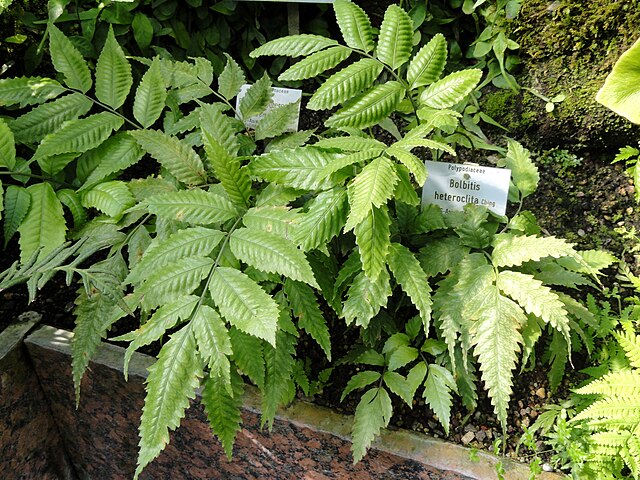
- Representative species: Anubias nana, Microsorum, Willow moss, Bolbitis
- These grow slowly but steadily even in weak light.
- Easy to cultivate without CO2 supplementation; ideal for beginners.
- Traditional layouts involve attaching them to driftwood or stones—relatively low-maintenance.
Light-Demanding Plants (High Light and CO2 Required)
- Representative species: Glossostigma, Pearl grass, Rotala rotundifolia, Hair grass
- These display vibrant color and vigorous growth only with strong light and CO2 supplementation.
- Regular trimming becomes necessary, increasing workload, but the completed layout is exceptionally beautiful.
Deciding which plant species you want to cultivate first, then selecting lighting accordingly, minimizes the chance of failure.
GrowerDirect's Reliable Support System
When in doubt about planted aquarium lighting, nothing compares to advice from growers actively growing aquatic plants. Through GrowerDirect, you can purchase plants directly from specialists and also ask questions like "What plants work well in my lighting setup and tank size?"
There are countless nuanced questions you might hesitate to ask at a store, but people who cultivate plants themselves can answer them. For guidance on selecting plants suited to your lighting or getting started with your first planted tank, take full advantage of GrowerDirect growers. Receiving healthy, carefully maintained plants from a trustworthy source is the shortcut to a beautiful aquarium.