How to Choose Liquid Fertilizers for Aquatic Plants and Schedule Their Application
Explains the types of liquid fertilizers for aquatic plants (nitrogen, phosphorus, potassium, and trace elements), how to choose them, dosage guidelines, weekly schedules, and the risks of over-application.
Key Takeaways
Explains the types of liquid fertilizers for aquatic plants (nitrogen, phosphorus, potassium, and trace elements), how to choose them, dosage guidelines, weekly schedules, and the risks of over-application.
Related Species
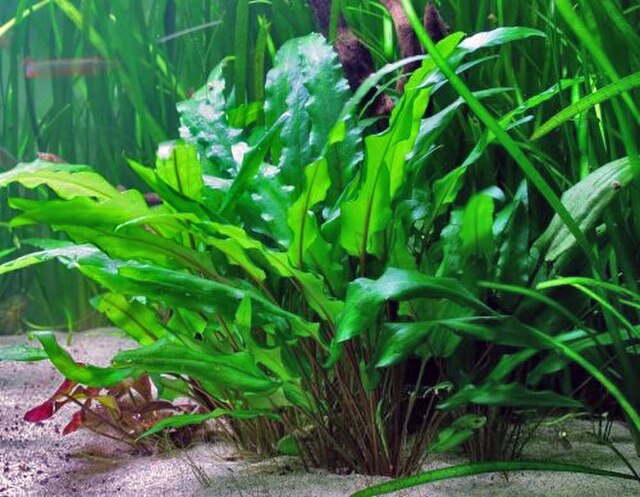
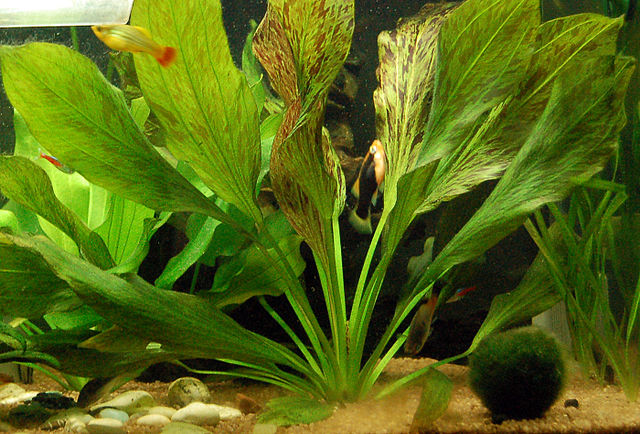
For aquatic plants to grow vibrantly, in addition to light and CO2, proper nutrient supply is essential. Liquid fertilizers are an important means of delivering nutrients directly to aquatic plants, but with many types available, many people are unsure which to use and in what quantities. Here we explain the fundamentals of liquid fertilizers through to practical application schedules. Since nutrient absorption efficiency also changes depending on water pH and CO2 application status, please also refer to Aquarium Water Chemistry and CO2 Fertilization.
Nutrients Required by Aquatic Plants
The nutrients required by aquatic plants can be broadly divided into "macronutrients" and "micronutrients".
Macronutrients
- Nitrogen (N): Necessary for leaf growth and chlorophyll production. When deficient, older leaves yellow and growth stops. Since it is supplied from fish waste and feed, it is often unnecessary to add it in tanks with abundant livestock.
- Phosphorus (P): Involved in energy metabolism and root growth. When deficient, colors become darker and growth slows. Like nitrogen, it is supplied from livestock. Excess can lead to algae blooms, so caution is needed.
- Potassium (K): An important element involved in photosynthesis and enzyme activity. Since there are few natural supply pathways within the tank, it is the nutrient most requiring addition via liquid fertilizer. When deficient, older leaves develop holes or edges die off.
Micronutrients
- Iron (Fe): Essential for chlorophyll production. When deficient, new shoots turn white. Must be supplied in the form of ferrous iron (Fe²⁺).
- Manganese (Mn), Zinc (Zn), Copper (Cu), Boron (B), Molybdenum (Mo): All are trace elements essential for enzyme reactions. They are typically supplied together via comprehensive micronutrient liquid fertilizers.
Types of Liquid Fertilizers and How to Choose
Commercial aquatic plant liquid fertilizers are divided into several types based on the nutrients they contain.
Potassium-Only Liquid Fertilizer A liquid fertilizer with potassium carbonate or potassium sulfate as its main ingredient. In tanks with abundant livestock where nitrogen and phosphorus supply is sufficient, management centered on potassium-only liquid fertilizer is the standard. Many enthusiasts make it themselves by dissolving potassium carbonate in water.
All-in-One Fertilizer An all-in-one type containing nitrogen, phosphorus, potassium, and micronutrients in balanced proportions. Its appeal is the convenience of a single solution, but a drawback is the difficulty of fine-tuning to match the tank's nutrient status. It is best suited for plant-focused tanks with minimal livestock.
Iron and Micronutrient Liquid Fertilizer A type that supplies trace elements centered on iron all at once. It is especially important when you want to enhance the coloration of red-hued aquatic plants. Since ferrous iron is easily oxidized in water, selecting products formulated with chelated iron such as DTPA iron or EDTA iron will provide sustained results.
Nitrogen and Phosphorus Liquid Fertilizer Intended for tanks with minimal livestock where nitrogen or phosphorus is deficient. It is supplied as potassium nitrate or potassium dihydrogen phosphate. Since careless addition can cause algae, use it only after confirming a deficiency with a water test.
How to Plan Your Dosing Schedule
The basic principle for liquid fertilizer addition is "small amounts frequently". Adding small amounts daily is better than adding large amounts at once, as it provides consistent nutrient delivery to aquatic plants.
Example Basic Weekly Schedule (60cm Tank)
- Monday: Potassium liquid fertilizer + Micronutrient liquid fertilizer
- Tuesday: Potassium liquid fertilizer
- Wednesday: Potassium liquid fertilizer + Micronutrient liquid fertilizer
- Thursday: Potassium liquid fertilizer
- Friday: Potassium liquid fertilizer + Micronutrient liquid fertilizer
- Saturday: Water change (1/3) → Potassium liquid fertilizer after water change
- Sunday: Rest
This schedule is merely a starting point. Adjust the amount and frequency while observing the condition of your aquatic plants.
Dosage Guidelines While following the product's recommended dosage is the basic approach, it is safer to start at half the recommended amount and gradually increase while observing how the plants respond. Increase dosage during active growth periods and decrease it during slower winter growth.
Risks of Over-Dosing and Countermeasures
Over-dosing liquid fertilizer not only fails to benefit aquatic plants but can cause serious problems.
Algae Blooms This is the most common problem. Excess phosphorus and nitrogen in particular lead to explosive algae proliferation. If green filamentous algae or blue-green algae appear, review your fertilization schedule. For species-specific management of algae that has already spread, see Complete Guide to Algae Control in Planted Aquariums.
Effects on Livestock Excess potassium addition causes rapid pH increases that stress fish and shrimp. Special caution is needed when using potassium carbonate liquid fertilizers.
Nutrient Imbalance When a single nutrient becomes excessive, "antagonistic effects" occur that inhibit absorption of other nutrients. Aim for balanced fertilization.
Remedies If algae appears or your plants decline, first stop fertilizer addition for one week. Increase water change frequency to remove excess nutrients, and once conditions improve, resume with reduced dosages.
Distinguishing Between Liquid and Substrate Fertilizers
While liquid fertilizers deliver nutrients to all aquatic plants in the water column, for plants that absorb nutrients primarily through roots (such as Cryptocoryne and Echinodorus), combining substrate fertilizers (solid fertilizers) is effective. When substrate nutrients become depleted, embedding solid fertilizers at the base revitalizes root-feeding plants. When combining liquid and substrate fertilizers, keep both amounts modest to avoid over-fertilization.
Frequently Asked Questions About Liquid Fertilizers
Q. Is it better to add liquid fertilizer in the morning or evening? A. It is ideal to add it while lighting is on. Supplying nutrients while aquatic plants are photosynthesizing allows for efficient absorption. After lights are off, photosynthesis stops, so fertilizer absorption efficiency decreases even if added.
Q. Is liquid fertilizer wasted if added on water change day? A. Adding before a water change will be lost, so the correct timing is after the water change. Add the normal amount to compensate for what is lost during the water change.
Q. Is it safe to mix multiple liquid fertilizers together before adding? A. It is safer in principle to avoid this. Mixing potassium and iron-based fertilizers in particular can cause chemical reactions that precipitate iron and make it unavailable. It is best to add them at separate times (at least 30 minutes to 1 hour apart) or split applications between morning and evening.
Q. Is it safe to use liquid fertilizers in tanks with shrimp? A. Most aquatic plant liquid fertilizers are safe for shrimp, but avoid products containing copper. Always check the ingredient list and select products without copper (Cu). Start with half the recommended dosage and adjust based on how your shrimp respond.
Storage and Quality Management of Liquid Fertilizers
Liquid fertilizers degrade if not stored properly. The basic approach is to avoid direct sunlight and store at room temperature. If a liquid fertilizer's color or odor changes after opening, its components may have degraded, so replace it promptly rather than trying to use it completely.
Enjoy Fertilizer Management with GrowerDirect's Aquatic Plants
GrowerDirect's aquatic plant growers often share information about the fertilizers and dosing schedules they use in their own growing environments. Feel free to ask about liquid fertilizers when making your purchase. Healthy aquatic plants respond well to fertilization, making management more rewarding and tangible.