How to Use Tissue Culture Aquatic Plants | Safe Introduction Free from Snails & Pesticides
Explains the benefits and usage of tissue culture aquatic plants in cups. Covers gel removal methods, planting procedures, growth rate differences from conventional aquatic plants, and cost-performance comparisons.
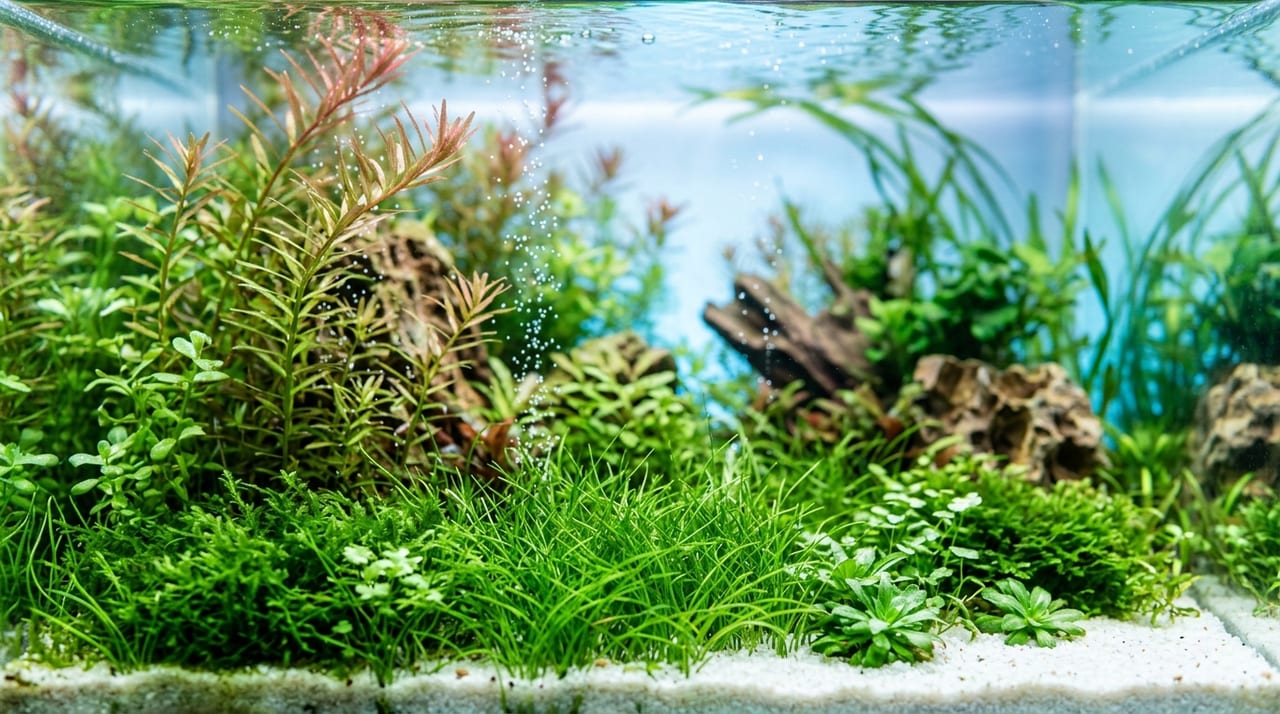
Key Takeaways
Explains the benefits and usage of tissue culture aquatic plants in cups. Covers gel removal methods, planting procedures, growth rate differences from conventional aquatic plants, and cost-performance comparisons.
Related Species
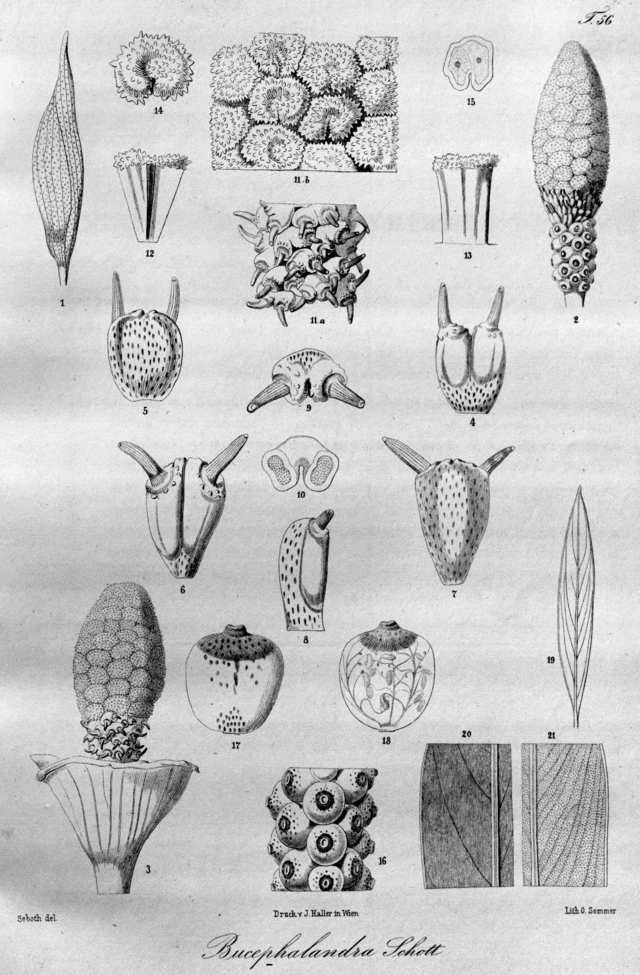
Bucephalandra
View species details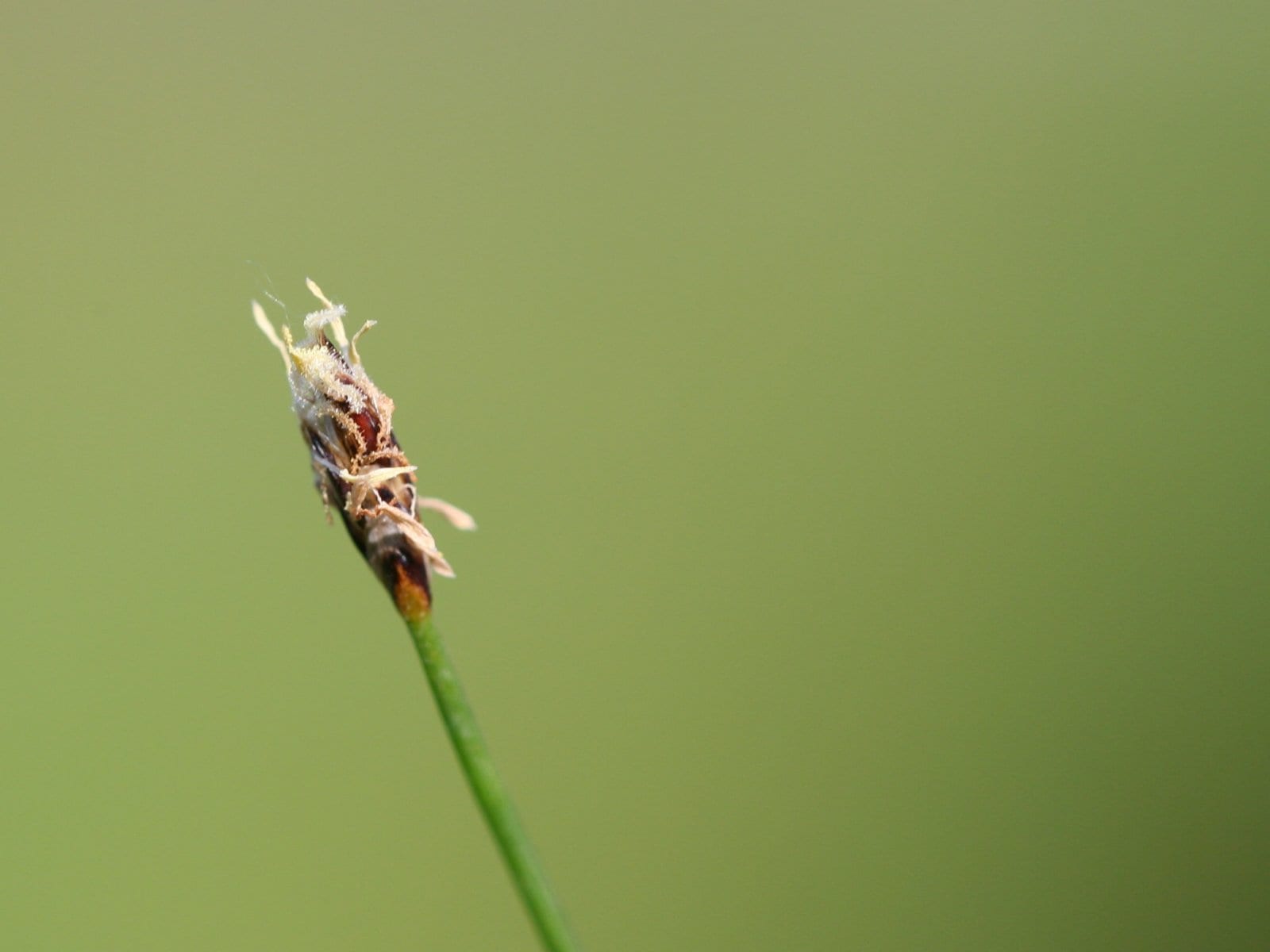
Hairgrass
View species details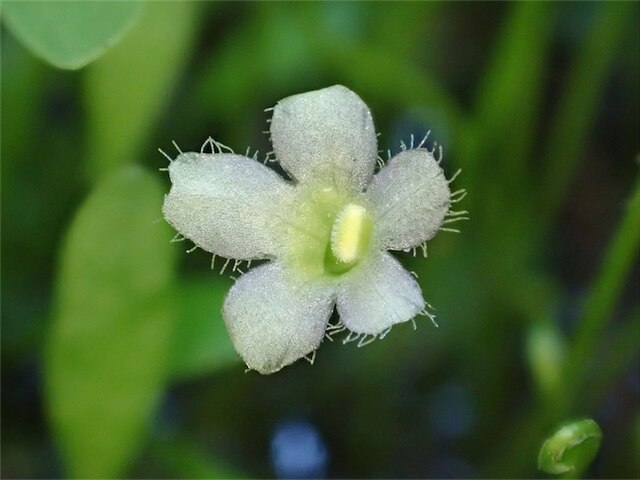
Glossostigma
View species details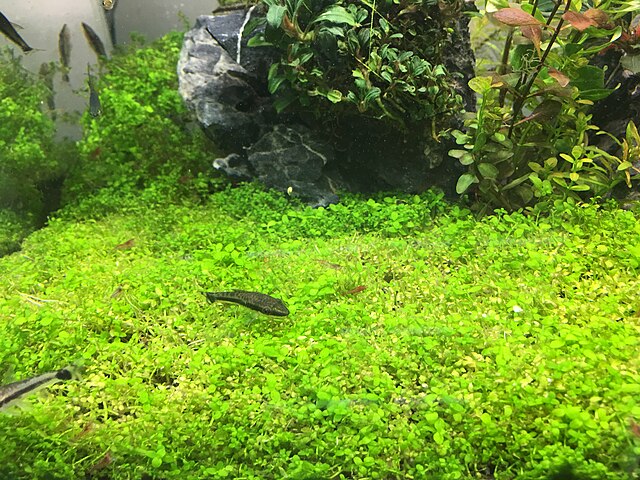
Hemianthus callitrichoides
View species details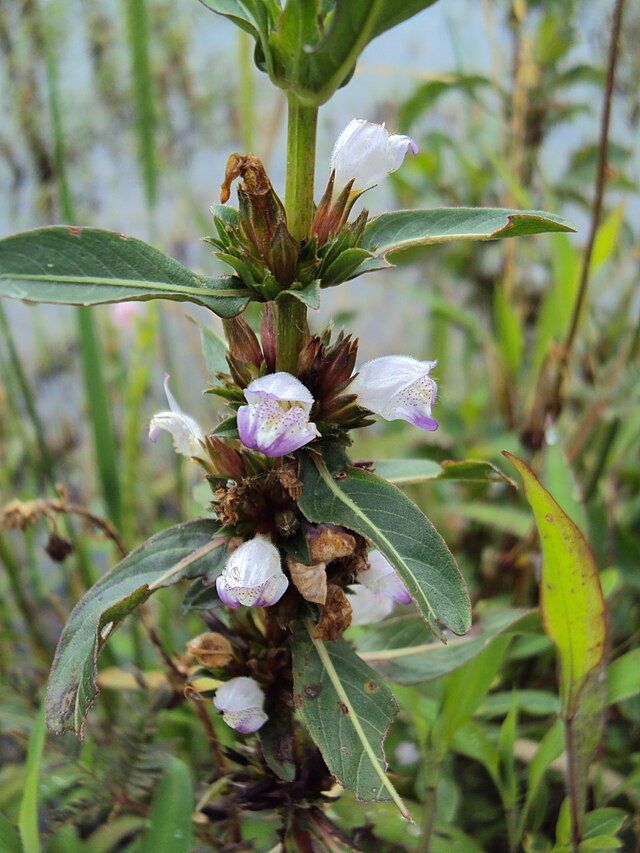
Hygrophila
View species details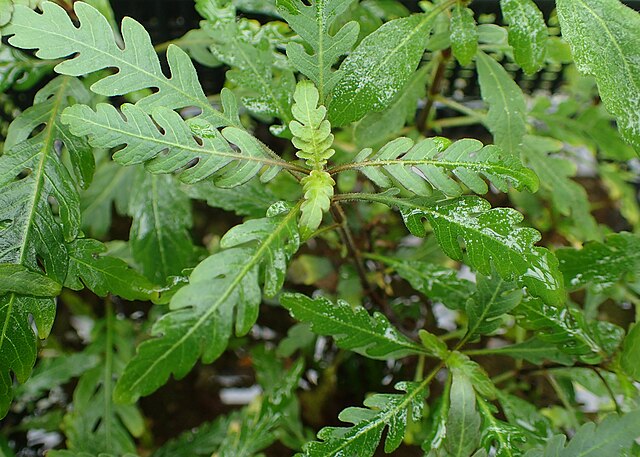
Hygrophila Pinnatifida
View species detailsNew Large Pearl Grass
View species detailsPearl Grass
View species detailsWhat Are Tissue Culture Aquatic Plants? Understanding the Basic Mechanism
Tissue culture aquatic plants (in vitro plants) are aquatic plant products where plant cells and tissues are cultured in sterile media and planted in gel-based substrate before shipment. While conventional aquatic plants are grown outdoors in ponds or paddies, tissue culture products are produced in completely controlled, sterile indoor environments.
This production method eliminates snails and moss contamination entirely and eliminates the need for pesticide use. In recent years, it has seen rapid adoption mainly among aquascaping enthusiasts and shrimp keepers, and is becoming a new standard for aquatic plant introduction. The distinctive transparent cup packaging catches the eye in shops.
Zero Snails & Pesticides: Maximum Benefit of Reliability
When purchasing conventional aquatic plants, the greatest risk factor is "snail contamination." Eggs of Lymnaea stagnalis and Physa acuta attach to aquatic plant leaves and are nearly impossible to detect visually. Once they enter an aquarium, they proliferate explosively, and it often takes months to eradicate them.
Pesticide concerns are equally serious. Imported aquatic plants often receive powerful pesticides as disease and pest control, and if not thoroughly washed, shrimp die one after another. Keepers of expensive bee shrimp and cherry shrimp risk devastating losses from a single pesticide exposure.
Tissue culture aquatic plants can completely eliminate these risks. Because they are produced in a sterile environment, they are entirely free of snail eggs, pests, and pesticides. For beginners who want to "build an aquascape without failure from the start," tissue culture aquatic plants are the most rational choice.
Proper Preparation and Planting of Tissue Culture Aquatic Plants
Tissue culture aquatic plants cannot be used straight from the cup; proper preparation is essential. Careful work ensures smooth acclimatization to the aquarium.
- Step 1: Remove from the Cup Open the lid and remove the plant along with the gel substrate. The gel is harmless, but leaving it in the aquarium will cloud the water, so remove as much as possible.
- Step 2: Gently Rinse Away the Gel Use lukewarm water (around 25°C) to gently loosen and wash away the gel at the base. Be gentle and avoid excessive force to prevent damaging roots; leaving a small amount of gel is fine.
- Step 3: Divide the Clusters Multiple plants are densely packed in one cup. If planted as-is, they will suffer from dampness and rot, so divide into 3–5 clusters before planting.
- Step 4: Plant Firmly in Substrate Tissue culture aquatic plants have fine, short roots, so plant them securely in substrate using tweezers. If they tend to float, cover with a small amount of substrate to stabilize them.
Management During Acclimatization: Don't Worry if Leaves Dissolve
Shortly after planting tissue culture aquatic plants, leaves may yellow or dissolve. This is a "transition to submerged leaves" process and is not a failure.
Tissue culture plants were raised in a special sterile, high-humidity, artificially lit environment. When adapting to the new aquarium environment, they abandon old leaves (emergent leaves) and develop new submerged leaves. This transition period takes 1–4 weeks depending on the species.
The key during this period is not to leave dissolved leaves in the water. Decaying leaves release ammonia and degrade water quality. Maintain a clean environment with regular trimming and water changes. With CO2 supplementation and adequate lighting, new leaf development accelerates.
Why Tissue Culture Plants Are Excellent for Shrimp and Small Fish
Tissue culture aquatic plants are especially favored by shrimp keepers for reasons beyond just the safety of zero pesticides.
- Densely planted aquatic plants provide shelter for juvenile shrimp and reduce predation risk
- Biofilm that forms on plant surfaces is a primary food source for juvenile shrimp and directly improves breeding rates
- Dense planting of species like Cuba pearl grass and Hygrophila pinnatifida creates an ideal shrimp environment
- In community tanks with small tetras (such as rasboras and neon tetras), sufficient planting provides refuge for weaker individuals
- Tissue culture aquatic plants arrive with minimal algae attachment, making it easier to maintain a clean tank with minimal algae
Recommended Tissue Culture Aquatic Plants and Selection Tips
For beginners, selecting easy-to-grow, attractive species is the shortest path to success. Below are recommended species that are readily available and easy to handle.
| Species | Characteristics |
|---|---|
| Hair grass (Eleocharis acicularis) | A staple foreground plant. Fine leaves spread in a carpet-like pattern and are relatively easy to grow even without CO2. With high planting density, the carpet forms quickly. |
| Glossostigma elatinoides | A popular species that creeps along the foreground. CO2 and high lighting are essential, but successful cultivation creates a breathtakingly beautiful green mat. |
| New large pearl grass (Riccardia chamedryfolia) | Attractive bright yellow-green color and can be grown without CO2—an excellent foreground plant. Recommended for aquascaping beginners. |
| Bucephalandra sp. | A shade-loving plant that grows in low light and low CO2. Glossy leaves make it ideal as an accent in small aquariums. |
The most important factor in species selection is matching your aquarium's lighting and CO2 environment. With high lighting and CO2 supplementation, you can choose a wide variety of species, but with no CO2 and low light, focusing on shade-loving plants reduces failures.
Summary: The Shortest Path to Safe, Beautiful Aquascapes
Tissue culture aquatic plants are attractive not only for their safety (zero snails and pesticides) but also for the reliability of obtaining high-quality, uniform specimens. While initial costs are slightly higher than conventional plants, considering the risks of snail eradication and livestock loss from pesticides, they deliver excellent long-term cost-performance.
For shrimp breeding tanks and those serious about creating beautiful aquascapes, we strongly recommend switching immediately. With careful preparation and planting, a strikingly beautiful underwater landscape will unfold within weeks. We encourage you to experience the appeal of tissue culture aquatic plants as an introductory step into aquascaping.