Moss Covering Techniques for Bonsai and Selecting Undergrowth Plants | Moss Varieties That Enhance Your Pot and Care Methods
Explains the types of moss that adorn the surface of bonsai pots and techniques for applying them. Introduces the characteristics of Hypnum moss (Haigoke), Polytrichum haircap moss (Yamagoke), and silvery thread moss (Gingoke), how to cultivate and care for moss, and tips for selecting and planting seasonal accent plants (undergrowth).
Key Takeaways
Explains the types of moss that adorn the surface of bonsai pots and techniques for applying them. Introduces the characteristics of Hypnum moss (Haigoke), Polytrichum haircap moss (Yamagoke), and silvery thread moss (Gingoke), how to cultivate and care for moss, and tips for selecting and planting seasonal accent plants (undergrowth).
Related Species
Why Moss Covering Determines the Impression of Your Bonsai
When discussing the refinement of a bonsai, the "base" appearance is just as important as the tree form and branch flow. A pot with bare exposed soil and one where moss and undergrowth plants are carefully arranged create dramatically different impressions, even with the same species and age. Moss is not merely decorative—it conveys the tree's sense of maturity and natural woodland character, prevents root desiccation, and serves the practical role of enhancing aesthetic value.
The history of moss covering in bonsai is ancient, with moss selection already documented in bonsai texts from the Edo period. Modern enthusiasts equally value the presence and type of moss, and exhibition judges often consider the condition of moss when scoring. This article provides systematic guidance on selecting moss species, applying and maintaining it, and utilizing undergrowth plants—all practical enough for beginners. If you've already mastered the basics from our bonsai beginner's guide, use this article as the finishing step in your cultivation process.
Moss Varieties Suitable for Bonsai and Their Characteristics
Approximately 20,000 moss species exist worldwide, but only dozens are practically useful for bonsai. Here are the most representative types, organized by category.
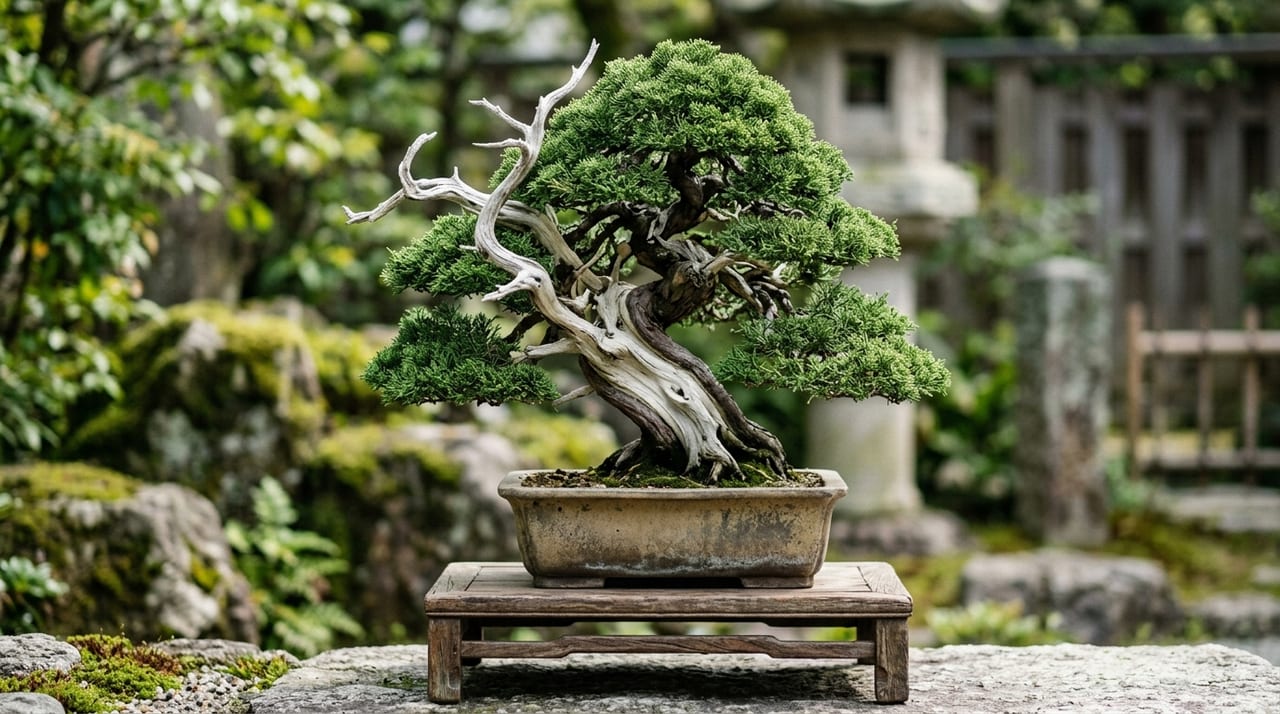
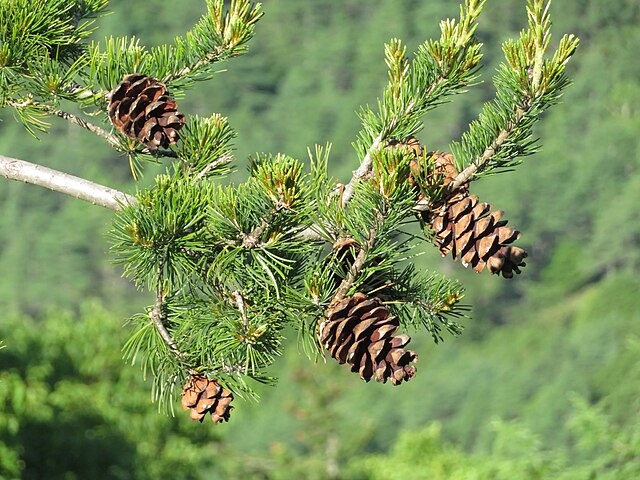
Sunagoke (Sand Moss) Highly tolerant of dryness and direct sunlight, making it ideal for outdoor bonsai. Small rosette-shaped leaves spread densely and curl when dry, turning whitish, then instantly returning to green when watered. Commonly used at the base of five-needle pine and Shimpaku (Needle juniper) and other conifers to create a rough, rustic character.
Haigoke (Ash Moss) The most widely distributed and readily available moss. It spreads flatly and adheres easily regardless of pot shape. It prefers slightly humid conditions, so monitor dryness during summer, but its ease of care makes it recommended for beginners. It also blends well with deciduous and flowering bonsai.
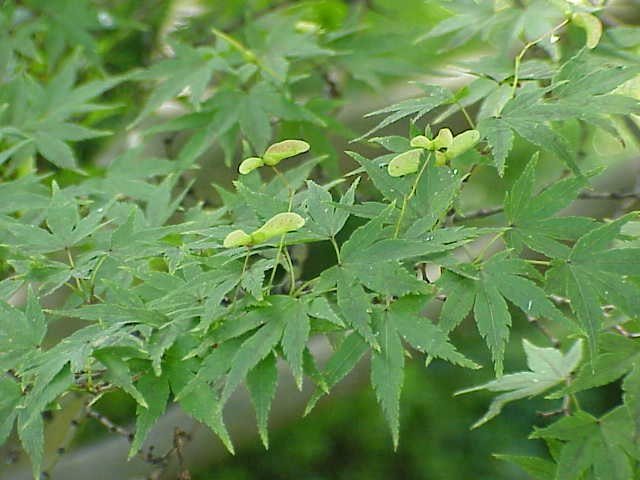
Shinobugoke (Fern Moss) A delicate moss that spreads in fine, feathery patterns and thrives in humid environments. It creates atmosphere when used with rock-planted bonsai evoking waterside scenes or shade-managed Japanese maple (Irohаmomiji) and plum. Since it's susceptible to dryness, summer care requires shade cloth and frequent watering.
Kosugigoke (Small Cedar Moss) An upright-growing moss whose form resembles miniature cedar trees. It creates depth and three-dimensionality, often used as a finishing touch for exhibition pieces. It grows well in well-draining soil and, when planted densely, evokes the atmosphere of high mountain terrain.
Tsuyagoke (Polished Moss) As the name suggests, it has a glossy surface that gives a moist, luminous quality when spread across a pot. Best suited for indoor display where consistent moderate humidity is maintained, or combined with water trays.
Collecting Moss, Purchasing, and Preparation
Moss can either be collected from nature or purchased from nurseries and mail-order suppliers. If collecting, absolutely avoid private land or protected areas—only gather small amounts from permitted locations such as roadsides or parks.
Purchased moss has the advantage of uniform quality and minimal contamination, but must be cleaned before application.
- Remove debris: Use tweezers to carefully remove small stones, dead leaves, and weed seeds
- Rinse: Gently swish in a bucket of water to remove soil
- Trim thickness: For thick moss, carefully thin the spongy backing layer (protonema) with a razor blade to approximately 5mm thickness. This improves soil adhesion and faster establishment
- Pre-moisten: Mist thoroughly just before application
How to Apply Moss and Ensure Establishment
Apply moss when the bonsai soil is slightly dry. Overly wet soil causes moss to float, while overly dry soil risks moss death before it establishes. Timing this with repotting is efficient—coordinate with your bonsai repotting guide.
Basic Procedure
First, gently scrape the pot surface soil flat (approximately 5mm). Place moss in your palm and tear it to fit the pot shape, pressing it down. Near the base, use bamboo picks or tweezers to press firmly and eliminate air gaps between moss and soil.
After covering the entire surface, press firmly from above using a flat chopstick or small stone. Finally, mist thoroughly to ensure the moss adheres to the soil.
Care During Establishment
The 2–3 weeks immediately following application is critical for root development. During this period, keep the moss in filtered light away from direct sun and water from below (via pot base) or with gentle misting rather than overhead watering. Strong water flow will dislodge the moss.
Selecting Undergrowth Plants and Creating Visual Harmony
Undergrowth plants are small grasses placed around or at the edge of the bonsai pot, working together with moss to create the visual base. Well-chosen undergrowth elevates the bonsai's presence and adds seasonal character.
Nobiru and Himeshida species: Create natural mountain plant atmosphere. Especially effective paired with deciduous bonsai autumn displays for enhanced mood.
Ryūnohige (Dragon's Beard): Fine, densely crowded leaves that remain evergreen year-round. Hardy and easy to manage, making it an ideal beginner-friendly undergrowth choice.
Fittonia and Himeiwadaresō: Low-growing plants that spread horizontally, ideal for filling gaps in rock plantings. Detailed techniques for creating rock-planted bonsai are covered in our rock planting guide.
Key selection principle: match scale to tree height. Undergrowth 20cm tall on a 30cm bonsai will make your bonsai appear smaller. A good rule of thumb is keeping undergrowth height at one-fifth or less of tree height for visual balance.
When planting undergrowth inside the pot, avoid encroaching on the tree's root zone. Plant away from roots, positioning modestly in margins like pot edges or spaces beside stones.
Seasonal Care and Important Notes
Moss condition changes significantly with seasons. Understanding year-round care is essential for maintaining beautiful moss long-term. For the complete annual schedule, consult our bonsai seasonal care calendar alongside moss care.
Spring (March–May): Peak moss growth season. Optimal timing for repairing damaged areas. Apply fertilizer from pot edges, avoiding moss itself.
Summer (June–August): Dryness and heat are the chief threats. Water twice daily (morning and evening), and use shade cloth to prevent intense afternoon sun. Haigoke and Shinobugoke may turn brown from humidity and heat stress—ensure adequate air circulation.
Autumn (September–November): Summer stress becomes visible. Remove dead moss with tweezers and replace if needed. Carefully prepare the base before autumn foliage displays.
Winter (December–February): Moss growth stops but it remains alive. Protect from frost and snow by keeping under eaves. On dry sunny days, mist to replenish moisture.
If moss yellows, check for underwatering or excess direct sun. If it turns brown and soggy, the problem is excess moisture or poor air circulation. Early recognition of color changes and adjusting location or watering frequency are keys to long-term moss health.