Bonsai Outdoor Management and Seasonal Care Guide | Practical Advice on Summer, Winter, and Typhoon Protection
A practical guide to bonsai outdoor management across spring through winter: key points for each season, coping with summer heat and intense sunlight, protecting against winter frost and freezing, typhoon evacuation methods, and more. Develop beautiful bonsai by managing them appropriately with the changes of each season.
Key Takeaways
A practical guide to bonsai outdoor management across spring through winter: key points for each season, coping with summer heat and intense sunlight, protecting against winter frost and freezing, typhoon evacuation methods, and more. Develop beautiful bonsai by managing them appropriately with the changes of each season.
Related Species
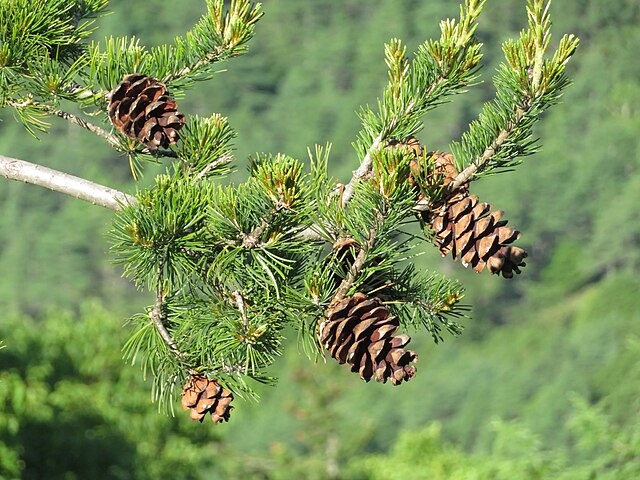
Bonsai Basics: Outdoor Management | Why Place Bonsai Outdoors
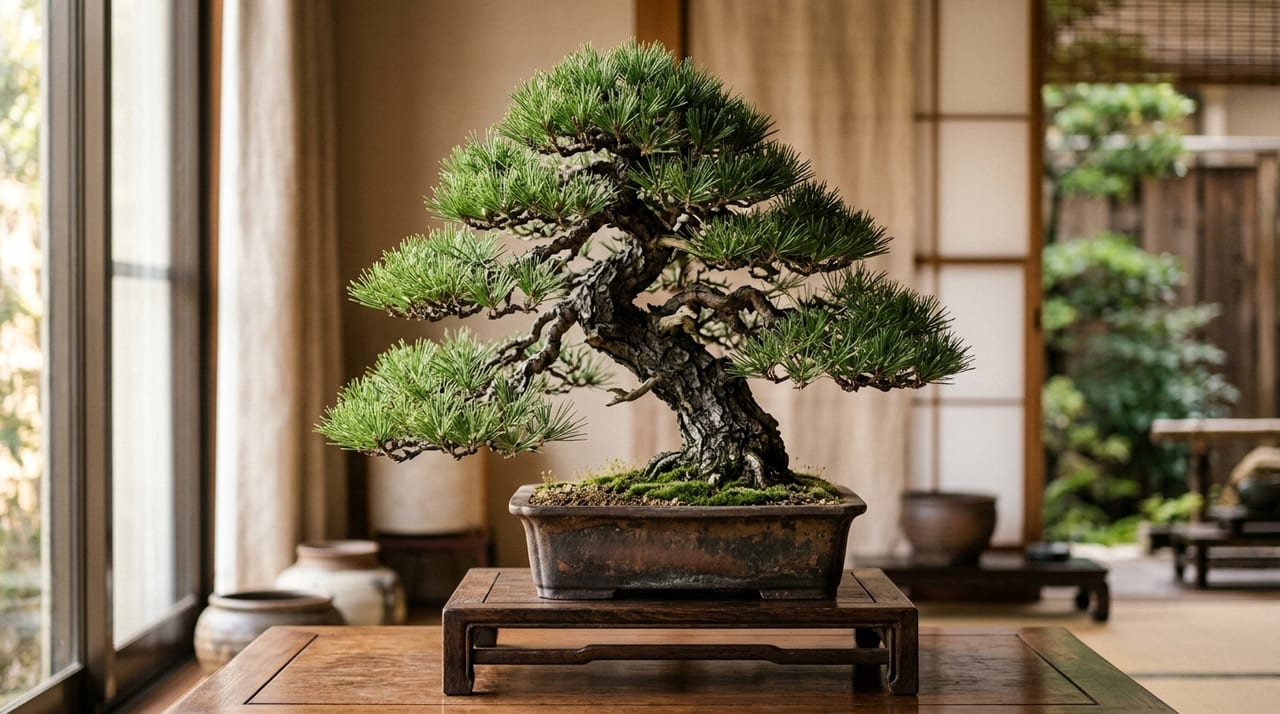
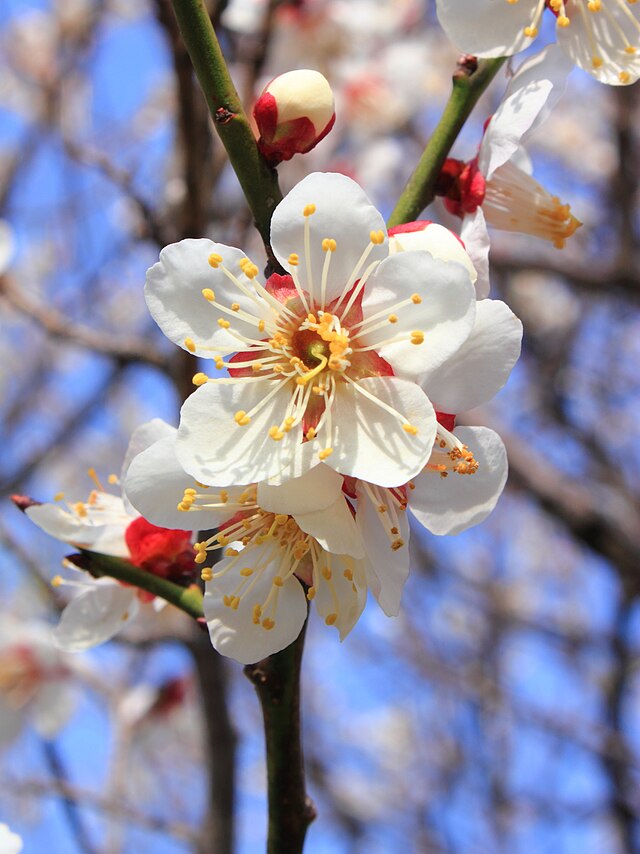
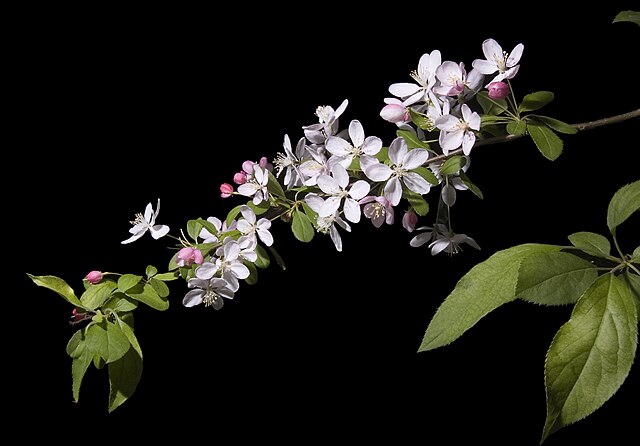
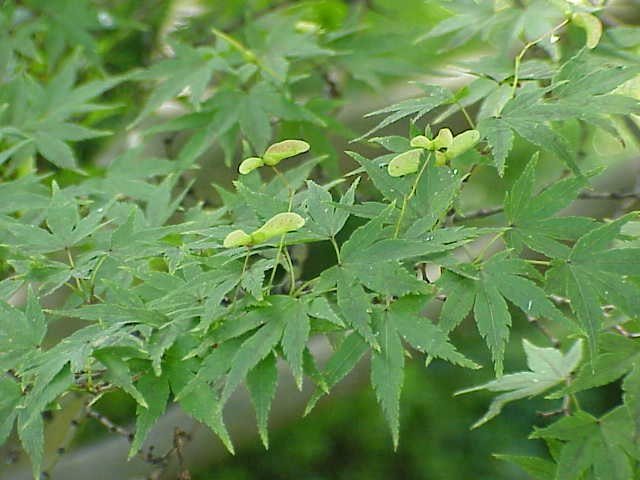
Unlike houseplants, bonsai are fundamentally "plants meant to be grown outdoors." Most representative bonsai species—such as pine, maple, plum, and cherry—achieve vigorous budbreak and beautiful autumn foliage by experiencing Japan's four distinct seasons. Extended indoor placement leads to insufficient light and poor air circulation, weakening the tree's vigor and making it prone to pests and disease.
The basic placement principle is "outdoors in a sunny, well-ventilated location." Using benches or bonsai display stands to elevate pots 10–30 cm above ground level ensures good air circulation and discourages insects from crawling up. However, this is a general principle—careful seasonal adjustments to placement and management are essential.
Summer Care | Protecting Trees from Scorching Heat, Strong Light, and Drought
Japanese summer is the most challenging season for bonsai. On scorching days when temperatures exceed 35°C (95°F), soil temperature inside the pot can reach nearly 50°C (122°F), causing "root scorch" that damages roots. Sudden changes in moisture—such as from sudden rainstorms—also weaken trees.
Placement Adjustments
Avoid locations where afternoon western sun shines directly. Ensure adequate direct morning light, then apply shade cloth (30–50% shade) or move to a partially shaded spot after 2 p.m. Be especially careful with shallow-pot specimens and thin-leaved varieties like maples and Japanese maples (Iromamoji), which are prone to leaf scorch.
Watering Frequency and Method
Summer typically requires watering twice daily—morning and evening. Never water during peak daytime heat, as this can overheat the soil and damage roots. Water generously in the evening (5–6 p.m. or later) until water drains from the pot's base. Remove saucers or trays that collect standing water, as they promote rot and excess moisture in hot weather.
Spraying and Air Circulation
Misting the shelf or surrounding concrete reduces ambient temperature through evaporative cooling. Fans can also help, though increased air circulation speeds evaporation—adjust your watering frequency accordingly.
Winter Care | Protecting from Frost Damage, Dryness, and Freezing
Many beginners fail at winter care by "overprotecting" from cold. Deciduous species require a period of sustained low temperature during dormancy to achieve proper budbreak in spring. Moving trees completely into a heated greenhouse disrupts dormancy, leading to weak flower and leaf buds the following year.
Cold Hardiness by Species
- Pine, black pine, five-needle pine: Withstand temperatures down to around −5°C (23°F). Moving to an eave is usually sufficient
- Maple, Japanese maple: Roots may be damaged at −3 to −5°C (25–23°F). Cluster pots and wrap in non-woven fabric
- Plum, cherry: Relatively hardy, but frost risk increases with smaller pot size
- Fruiting trees (pomegranate, dwarf apple, etc.): In regions with sustained sub-zero temperatures, consider an unheated greenhouse or moving to a sheltered porch
Frost Protection in Practice
Frost damages not only buds and leaves; roots are also injured when the soil in the pot freezes. When frost is predicted, move pots to an eave or wrap them in old blankets or bubble wrap. Mulching the soil surface with leaf mold or straw also protects roots from freezing.
Winter Watering
After leaf drop, water transpiration decreases, so reduce watering to 2–3 times per week. However, completely dry soil kills fine roots—avoid overwatering in the opposite direction. Water on sunny, warm mornings only after confirming the soil is not frozen.
Typhoon and Strong Wind Protection | Pre-disaster Preparation to Minimize Damage
Typhoon season (August–October) poses the greatest risk from wind-caused toppling and scattered pots damaging trees and vessels.
Advance Movement and Securing
When typhoons are forecast, lower all trees from shelves to ground level and bundle several pots together with rope or tape. Heavy stone-planted bonsai and large pots should be left in place but stabilized with blocks to prevent tipping. Small saplings can be moved indoors or to a shed.
Securing Stands and Equipment
Wooden bonsai stands can collapse in strong winds. Disassemble unused stands or secure them with rope and brackets to buildings or fences. If shade cloth or sun shade is installed, remove it before the typhoon—it can act like a sail in high winds.
Post-Typhoon Care
After saltwater-laden winds pass, rinse the entire tree with fresh water in a shower-like spray to remove salt damage. Trim broken branches and apply wound dressing. Check for exposed roots and add soil to stabilize if needed.
Seasonal Transitions | Adjusting Placement and Fertilization
Bonsai growth follows a cycle: "repotting → budbreak → growth → dormancy." Matching placement and fertilizer timing to the season is key to maintaining beautiful form.
Spring (March–May)
Once frost risk passes, move trees to a sunny outdoor location. As buds swell, apply dilute liquid fertilizer (nitrogen-heavy growth promoter) once weekly. Spring is ideal for repotting—refreshing the soil and trimming roots energizes the tree heading into summer.
Autumn (September–November)
The most vibrant season, when you can enjoy autumn foliage. Switch to fertilizers with reduced nitrogen and higher phosphorus and potassium (fruiting and root-building types). Ample fertilizer and sunlight at this stage ensure vigorous buds the following spring. Begin frost preparations by late October.
The Right Mindset for Long-term Bonsai Care
Bonsai is "the art of cultivation." Trees accumulate form incrementally, taking 10–20 years to approach completion. By staying attuned to seasonal change and tending carefully to daily watering and placement adjustments, you ultimately create the strongest tree.
With outdoor management basics mastered, expensive equipment is unnecessary. A bench, shade cloth, and non-woven fabric—these three items—are enough to create suitable conditions in most residential gardens and balconies. Layer small seasonal adjustments and enjoy the four seasons alongside your tree.