Complete Guide to Growing Aldrovanda | Rare Aquatic Carnivorous Plant That Captures Insects Underwater
Explains the cultivation method for Aldrovanda vesiculosa, a carnivorous plant that floats underwater and captures insects. Tips on water quality management, winter dormancy, and propagation techniques are introduced.
Key Takeaways
Explains the cultivation method for Aldrovanda vesiculosa, a carnivorous plant that floats underwater and captures insects. Tips on water quality management, winter dormancy, and propagation techniques are introduced.
Related Species
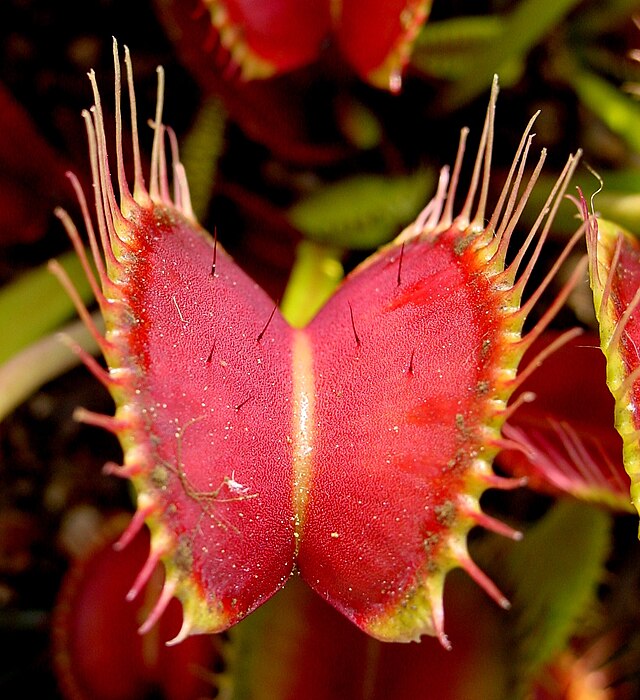
Aldrovanda vesiculosa is a carnivorous plant that floats underwater while capturing small aquatic organisms. It possesses the same "snap-trap" mechanism for capturing prey as the Venus flytrap, but differs significantly in that it has no roots and drifts below the water's surface. Once it naturally occurred in ponds and marshes throughout Japan, but today it is designated as critically endangered (Category IA) on the Ministry of the Environment's Red List, and wild collection is strictly regulated. However, cultivated specimens are available in the market and can be grown under proper management.
Ecology and Prey-Capture Mechanism of Aldrovanda
Aldrovanda is a rootless, free-floating aquatic plant. At the tips of leaves arranged in whorls along 5–15 cm stems are small, clam-shaped traps with diameters of 3–5 mm. The inside of these traps has trigger hairs similar to those of the Venus flytrap, and when small aquatic animals such as water fleas or mosquito larvae touch them, the trap closes with astounding speed in 0.02–0.05 seconds.
Captured prey is broken down and absorbed by digestive enzymes. Digestion takes several days to about a week, after which the trap reopens. However, each trap can only close a limited number of times, and after a few captures it loses function and falls away. New leaves and traps continuously grow from the stem tips, so the plant as a whole maintains its prey-capture ability.
Growth rate is very fast during warm periods; under optimal conditions it can grow more than one node per day. Stems branch and multiply from the tips, and in summer they can quickly cover the entire water surface.
Cultivation Containers and Water Quality Management
For cultivating Aldrovanda, outdoor foam boxes or plastic basins are suitable. A water depth of 10–20 cm is sufficient. Glass aquariums can also be used, but care must be taken to prevent water temperature from rising too much in summer.
Water quality is the most critical factor in Aldrovanda cultivation. Soft water slightly acidic to neutral (pH 5.5–7.0) is best, and if using tap water, dechlorination is necessary. Ideally, rainwater or RO water (reverse osmosis purified water) should be used. Hard water or water high in nutrients promotes algae and cyanobacteria growth, which inhibit Aldrovanda growth.
Layering a thin substrate of rice-field soil or red clay is effective. Small amounts of minerals dissolve from the substrate and contribute to water stability. However, laying it too thick creates an anoxic layer with risk of hydrogen sulfide production, so keep it to about 1–2 cm.
Water changes are handled primarily through topping-up. Replacing evaporated water with the same water quality is the safest method. Avoid large water changes, which cause sudden water quality swings. When water clarity declines, replace about a third of the water column with fresh water.
Light and Temperature Management
Aldrovanda is a plant that loves strong light. In outdoor cultivation, a location with direct sun throughout the day is ideal. Without sufficient light, stems become elongated and traps become small and weak. However, on sweltering summer days, water temperature can exceed 35°C, and high water temperature causes fatal damage to the plant. Using shade cloth (30–40%) to soften sunlight or a bamboo blind to avoid afternoon direct sun is effective.
For indoor cultivation, powerful LED lights are necessary. Ensure at least 8,000–10,000 lux of light. Illuminate for 12–14 hours daily.
Winter management involves gradually lowering water temperature to induce dormancy. In autumn, Aldrovanda forms "turions" (winter buds) at the stem tips, which sink to the bottom for overwintering. Keeping them in cool conditions (0–5°C), without dropping below freezing, for several months triggers reactivation and growth in spring.
Propagation and Maintenance Tips
Propagating Aldrovanda is very simple. Simply breaking a mature stem in two causes each fragment to grow as an independent plant. In summer, natural branching and multiplication occur, so colony size increases even without intervention.
Cohabiting organisms also require thought. Killifish eat small mosquito larvae but can damage Aldrovanda's delicate stems, so keep only a few juveniles or small-bodied fish. Small freshwater shrimp are effective at cleaning algae but can get trapped in the traps. Pond snails and freshwater snails are good partners for cleaning algae.
The biggest enemies are cyanobacteria and filamentous algae. When these appear, they tangle around Aldrovanda and inhibit growth. Prevention requires minimizing influx of phosphates and nitrogen. No fertilizer is needed; naturally occurring microorganisms provide sufficient nutrients.
The Joy of Observing Aldrovanda
The charm of Aldrovanda is, above all, being able to observe prey capture underwater. Viewing the traps with a magnifying glass reveals their intricate structure. Witnessing the actual capture moment is rare, but in environments rich with water fleas, you can frequently observe closed traps.
It is also an excellent subject for macro photography. Lifting the plant from water and photographing it in its wet state captures beautiful detail of the translucent traps. Even a smartphone with a macro lens attachment yields sufficient photos.
Cultivation Principles for Long-term Enjoyment of Rare Species
When you acquire a rare carnivorous plant, prioritize stabilizing the cultivation environment. Rare species are often more sensitive to environmental changes than common varieties, and sudden temperature shifts or light fluctuations cause stress.
Care Immediately After Arrival
- For 2–3 days after arrival, avoid direct sun and acclimate in bright shade
- Transport stress may temporarily reduce vigor, but avoid making drastic environmental changes
- Once unwrapped, mist the leaves and place in a high-humidity environment
Recommendation for Propagation With rare species, it is advisable to propagate early by division or leaf cuttings as a backup against unforeseen loss. Having backup specimens provides peace of mind.
Comparison of Sources
| Source | Advantages | Disadvantages |
|---|---|---|
| Specialized nurseries | Consistent quality and accurate species names | Higher prices |
| Enthusiast events | Access to rare varieties | Irregular scheduling |
| Online auctions | Sometimes affordable | Inconsistent quality |
| Personal imports from abroad | Ultra-rare species available | Import/quarantine procedures required |
| GrowerDirect | Direct contact with growers | Inventory varies by season |
Common Failures and How to Correct Them
Failure 1: Cultivating with Tap Water Aldrovanda is extremely sensitive to water quality and dissolves within days from tap water's minerals and chlorine. Use rainwater or distilled water, and replace evaporated water with the same type.
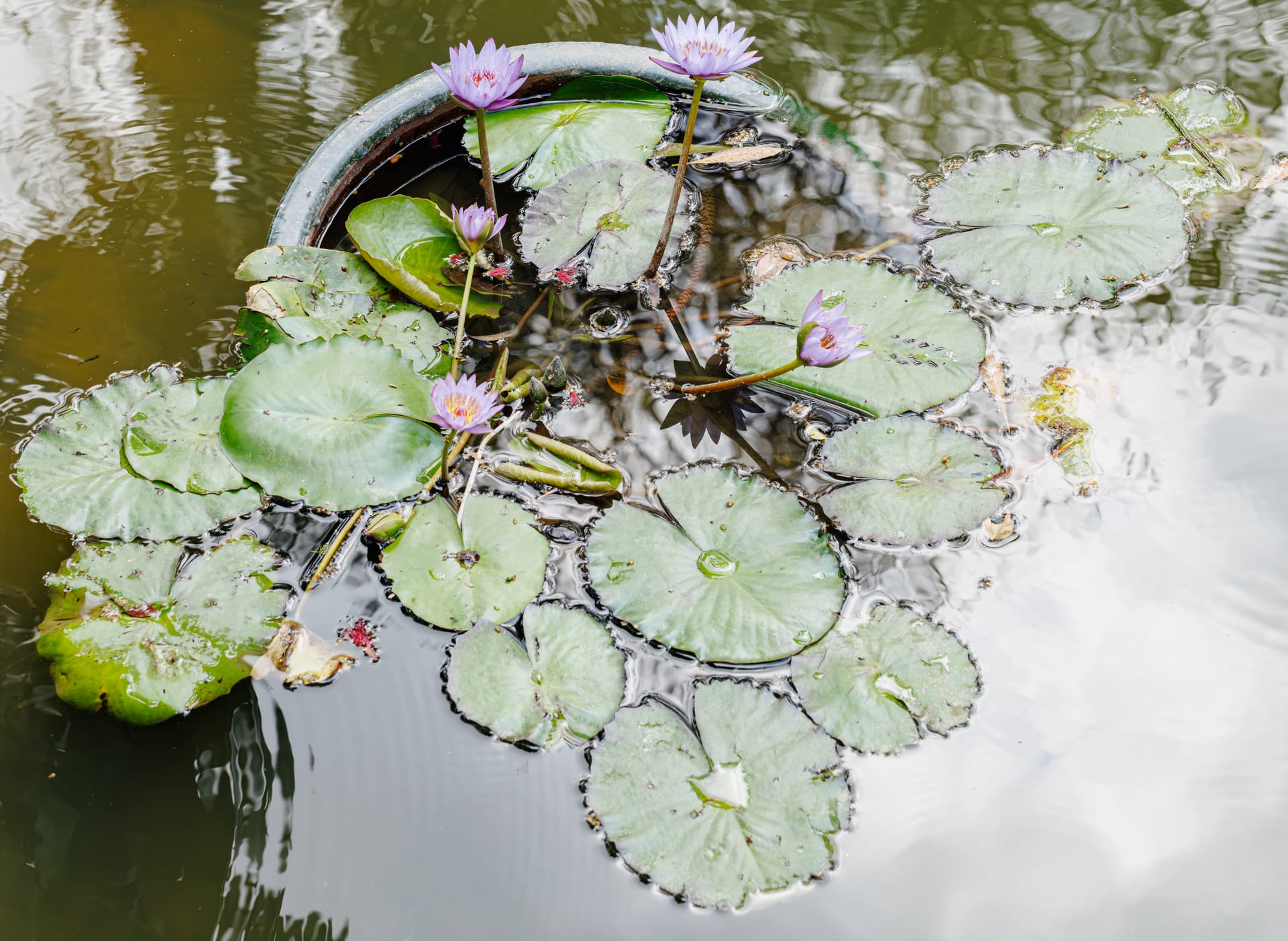
Failure 2: Over-cleaning the Container Aldrovanda thrives in an environment shared with other aquatic plants and water fleas. In a sterile, isolated setting, nutrient balance fails and growth stops. Floating other aquatic plants such as water lilies or duckweed helps stabilize water quality.
Failure 3: Discarding Winter Buds The "turions" that form in autumn—with rolled leaves that sink—are not dead but a dormancy form. Do not dispose of them thinking they are dead; allow them to overwinter in cold water. They will float up and regenerate in spring.
Start Cultivating Aldrovanda with GrowerDirect
On GrowerDirect, you can purchase cultivated Aldrovanda directly from specialist growers. You can obtain healthy specimens and receive cultivation advice directly—a reassuring advantage. Discover the joy of observing tiny underwater hunters in your own home with GrowerDirect.