Carnivorous Plant Photography Techniques | Capturing Beauty with Macro Photography
Learn techniques for photographing carnivorous plants beautifully with macro photography. We introduce how to choose cameras and lenses, lighting strategies, background composition, species-specific shooting tips, and smartphone photography tricks.
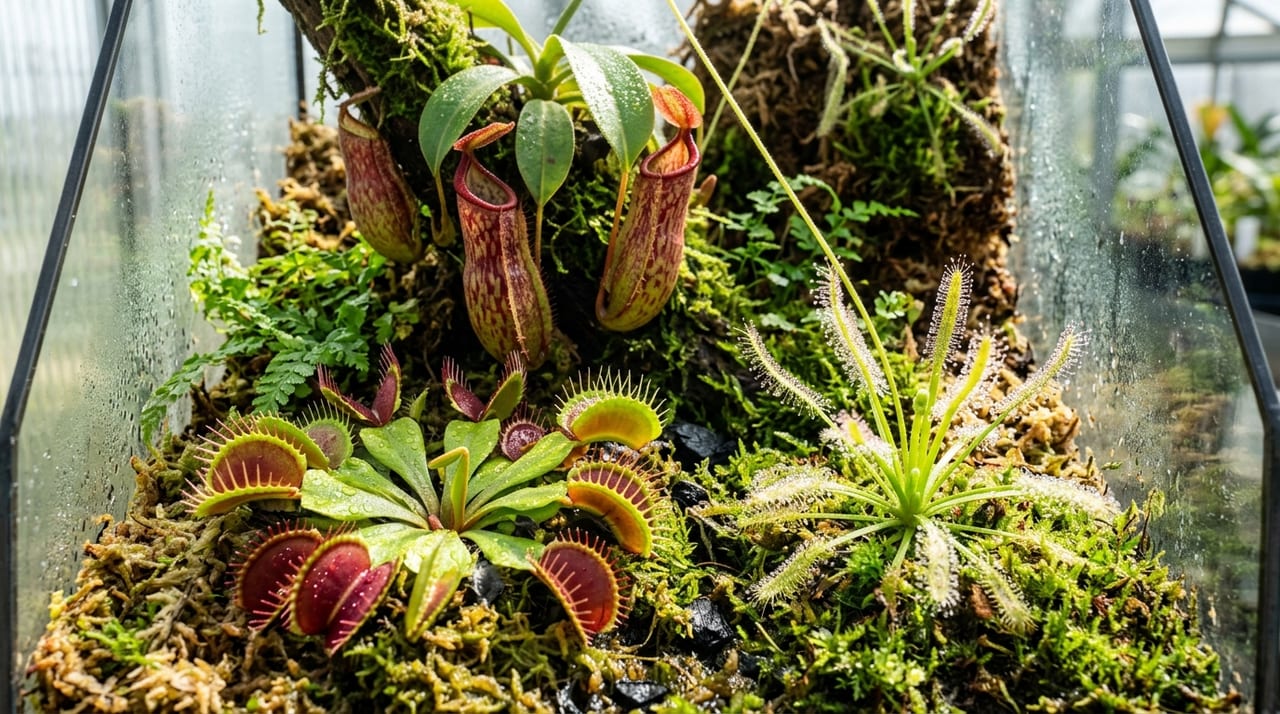
Key Takeaways
Learn techniques for photographing carnivorous plants beautifully with macro photography. We introduce how to choose cameras and lenses, lighting strategies, background composition, species-specific shooting tips, and smartphone photography tricks.
Related Species
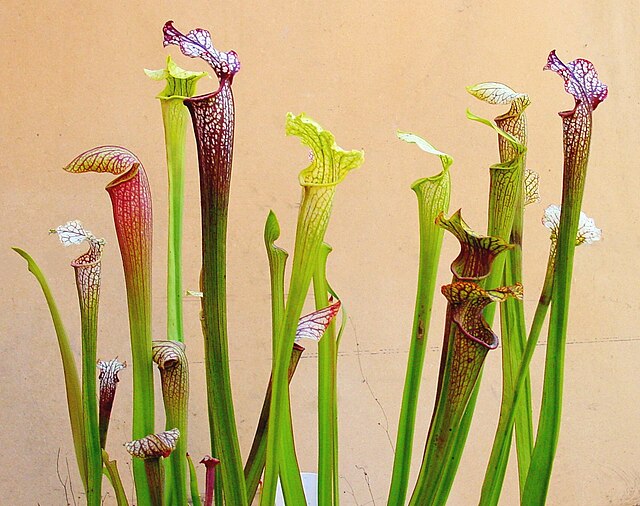
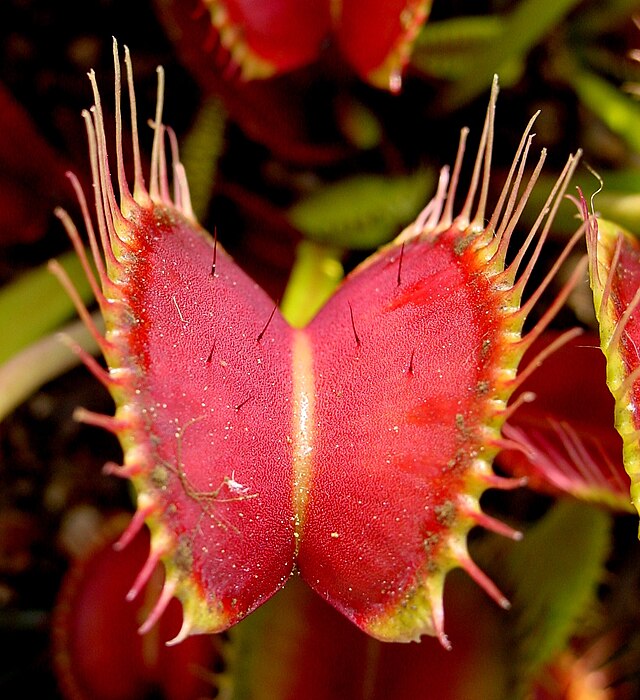
The charm of carnivorous plants—their unique trap structures, glistening mucilaginous tentacles, and vibrant colors—becomes even more striking when photographed up close. Macro photography (close-up shooting) allows you to capture details invisible to the naked eye, revealing the mystical beauty of carnivorous plants. This article explores techniques for photographing carnivorous plants beautifully.
Choosing Your Photography Gear
Camera DSLR and mirrorless cameras are ideal for macro photography. Larger sensor sizes produce more beautiful background blur and help your subject stand out. However, with some creativity, smartphones can also produce compelling photographs.
Macro Lens A macro lens is the best choice for photographing carnivorous plants. With a 1:1 macro lens, you can capture individual mucilaginous droplets of sundew with crystal clarity. A focal length of 90–105mm is convenient as it allows for adequate working distance (distance between lens and subject). A 60mm macro lens is more affordable but requires getting closer to the subject, risking triggering Venus flytraps to close.
Tripod Macro photography has an extremely shallow depth of field, making camera shake fatal. Use a tripod to eliminate shake completely. Low-angle tripods and mini tripods are particularly convenient.
Smartphone Photography Some modern smartphones come with macro mode built in. If your phone lacks this feature, attaching a clip-on macro lens (around ¥1,000–3,000) enables close-up shooting. Mounting your smartphone on a tripod significantly improves sharpness.
Lighting Fundamentals
Natural Light Natural light produces the most beautiful results for carnivorous plant photography. Soft light from overcast skies or shaded areas on sunny days is more uniform with gentler shadows than direct sunlight.
Backlighting Photographing sundew mucilage or pitcher plant tubular leaves with backlighting causes light to transmit through them, creating a jewel-like glow. Low-angle morning or evening light creates especially dramatic photographs. Early morning shooting with dew on sundew mucilage produces the most ethereal images.
Front Lighting for Vivid Color Front lighting, where light strikes the subject from the front, produces excellent color accuracy. For vivid shots of the red interior of Venus flytraps or the net-like patterns of pitcher plants, front lighting is ideal.
Artificial Light (Strobe and LED) For indoor photography, use LED lights or strobe flashes. Direct strobe creates harsh shadows, so diffuse the light through a diffuser (white cloth or plastic sheet). LED continuous light allows you to see lighting in real-time and is user-friendly for beginners.
Creating Your Background
Background significantly influences the overall impression of your photograph.
Black Background Black paper or fabric as a background makes carnivorous plants appear to float, creating graphic, striking images. The red of sundew mucilage or Venus flytrap traps stands out vividly against black.
White Background Clean and clear, white backgrounds make plant structure easy to understand. They work well for reference shots and sales photography.
Natural Background If you grow plants in a garden or bog garden, you can use the existing environment as background. Opening the aperture (lowering f-number) to blur the background keeps the subject sharp while maintaining a natural atmosphere.
Utilizing Blur Opening your macro lens aperture to f/2.8–f/4 creates beautiful bokeh beyond the focal point, making your subject appear to float in an ethereal image.
Species-Specific Shooting Tips
Sundew (Drosera)
- Capturing the gleam of mucilage is the key point. Find the angle where backlighting makes the mucilage shine
- Early morning with dew is most beautiful. Water droplets from a spray bottle are also effective
- Tiny species require macro magnification or greater. Try challenging ultra-high magnification shooting
Venus Flytrap (Dionaea)
- The red interior and jagged margin of the trap are photogenic
- Photographing open traps straight-on creates dramatic, mouth-like images
- Capturing the moment of insect capture is difficult, but nearly-closed traps convey movement
Pitcher Plant (Sarracenia)
- The net-like patterns on the pitcher hood are beautiful when backlit and translucent
- Shooting from a low angle looking upward emphasizes the pitcher's power
- Photographing entire clusters in wide-angle captures the wetland atmosphere
Tropical Pitcher Plant (Nepenthes)
- Pay attention to the texture of the underside of the trap lid and the rim (peristome)
- Capturing the digestive fluid surface inside the pitcher creates unique images
- Photographing hanging traps with blurred background has sculptural beauty
Practical Photography Techniques
Controlling Depth of Field In macro photography, stopping down to f/8–f/11 increases depth of field slightly, making it easier to keep entire trap leaves sharp. For even greater depth, focus bracketing (shooting multiple images with slightly shifted focus points and compositing later) is effective.
Composition Keeping the rule of thirds in mind—dividing the frame into thirds vertically and horizontally, placing subjects at intersections—creates balanced photographs. Centering your subject also works well for carnivorous plants as it conveys strength, so choose based on species and intent.
Photography Cautions Touching carnivorous plants causes trap leaves to close and disturbs mucilage. Avoid touching plants during shooting, and set up windbreaks if plants sway.
Carnivorous Plant Macro Photography Techniques
Carnivorous plants have intricate structures that yield remarkably beautiful photographs with macro photography.
Gear Selection
- DSLR/mirrorless with macro lens (60–100mm) is ideal
- Smartphone with macro lens attachment delivers sufficient quality
- Tripod is essential (hand shake is fatal in macro photography)
Shooting Tips
- Early morning mucilage is best: Sundew mucilage is most beautiful in the morning. Adding water droplets with a spray bottle enhances the glow
- Shoot with backlighting: Photographing mucilage and pitchers with backlighting emphasizes translucency
- Keep backgrounds simple: Placing black or white paper behind the plant makes it stand out
- Close-up for structural detail: Photograph structures invisible to the naked eye, such as Venus flytrap trigger hairs and Nepenthes nectaries
Ideal Subjects for Photography
| Subject | What to Look For | Best Shooting Conditions |
|---|---|---|
| Sundew Mucilage | Mucilaginous droplets that shine like jewels | Morning backlighting |
| Venus Flytrap Trapping | The dynamic moment of trap closing | Video recording recommended |
| Pitcher Plant Interior | Digestive fluid and nectary structure | Macro shooting from above |
| Pitcher Plant Patterns | Net-like veins and coloration | Transmitted light |
Find Photogenic Carnivorous Plants on GrowerDirect
On GrowerDirect, you can purchase beautifully colored carnivorous plants directly from specialist growers. Selecting individuals with vibrant trap coloration or well-proportioned growth is one of the unique advantages of buying directly from growers. If you're interested in carnivorous plant photography, explore GrowerDirect to find your perfect subject.