A Complete Guide to Propagating Carnivorous Plants | Division, Leaf Cuttings, and Seeds
A guide to propagating carnivorous plants through various methods including division, leaf cuttings, and seed sowing. We introduce optimal propagation methods for each species such as Venus flytraps, pitcher plants (Nepenthes), and sundews (Drosera), plus tips to increase success rates.
Key Takeaways
A guide to propagating carnivorous plants through various methods including division, leaf cuttings, and seed sowing. We introduce optimal propagation methods for each species such as Venus flytraps, pitcher plants (Nepenthes), and sundews (Drosera), plus tips to increase success rates.
Related Species
A Complete Guide to Propagating Carnivorous Plants | Division, Leaf Cuttings, and Seeds
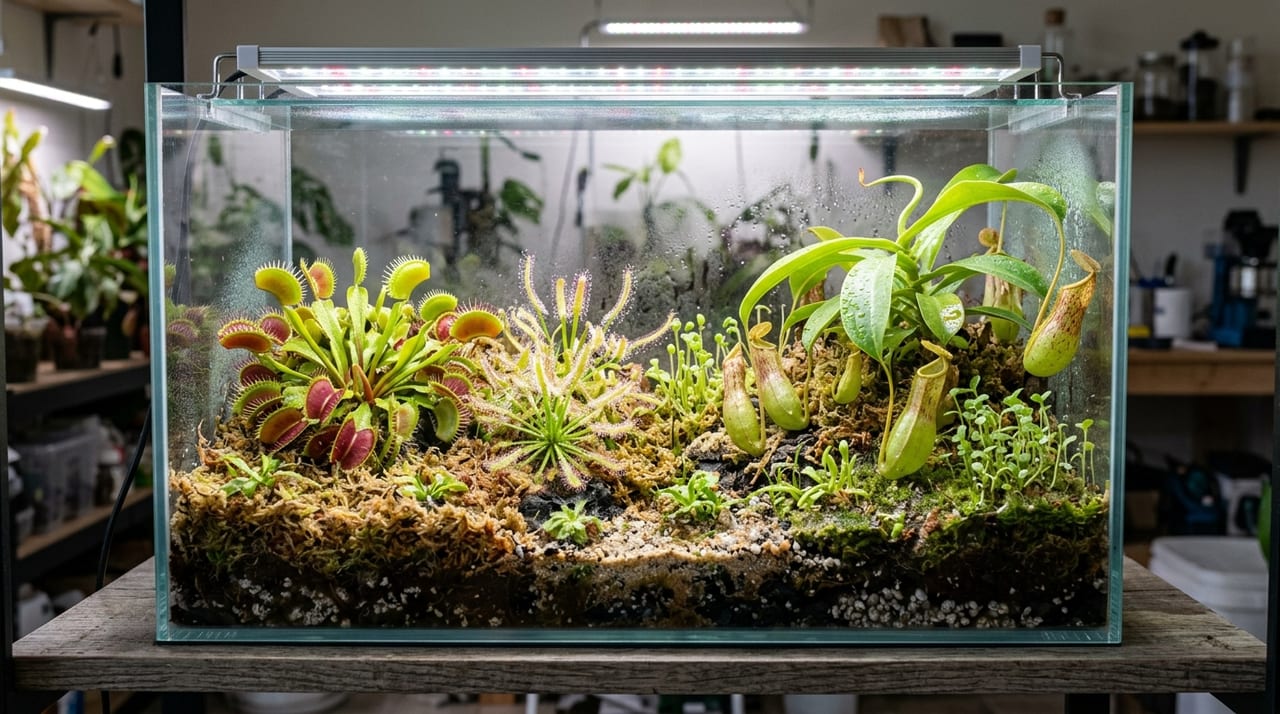
Carnivorous plants have been gaining steady popularity in recent years thanks to their mystical appearance and unique ecology. Once fascinated by their charm, many people naturally want to "grow more" or "acquire different varieties." In fact, with the right methods and a few key tips, you can successfully propagate carnivorous plants at home.
This article provides a clear and thorough explanation of the optimal propagation methods for major carnivorous plant species, designed to be easy to understand even for beginners.
---
Division | Best for Venus Flytraps and Pitcher Plants (Sarracenia)
Characteristics of This Method
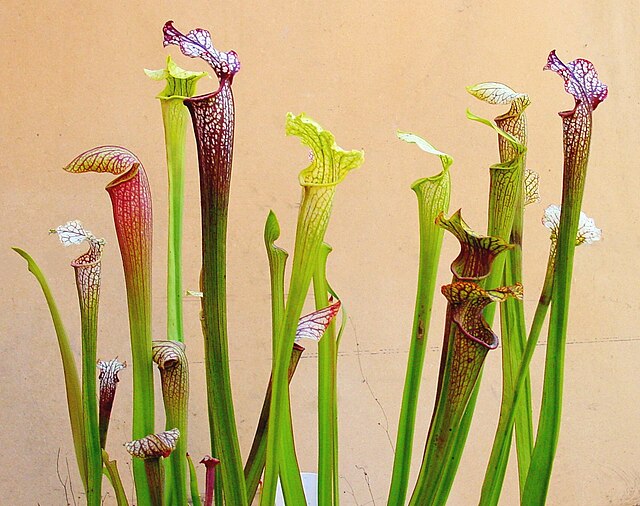
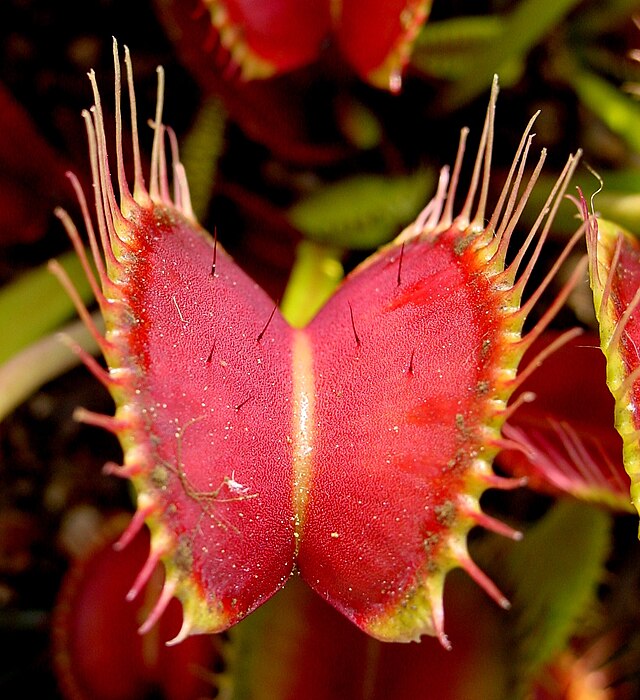
Division is the most popular method of propagating carnivorous plants by physically splitting a mature plant. It works especially well for species like Venus flytraps (Dionaea muscipula) and pitcher plants (Sarracenia), which have underground rhizomes. A major advantage is the high success rate and the ability to enjoy plants that look identical to the parent plant immediately after division.
Step-by-Step Instructions
- Choose the Right Time: Spring, when plants awaken from dormancy, is optimal. The plant is strong and recovers easily from transplant stress.
- Observe the Rhizome: Carefully dig up the plant and locate the natural division points (nodes). Rather than pulling apart forcefully, use a clean knife or scissors to separate the sections.
- Check the Roots: Ensure each divided section has firm roots attached. Sections without roots may take time to develop new roots.
- Plant: Transfer to a soil mix of equal parts peat moss and perlite, then switch to water tray management.
If the cut is large, allow the wound to seal in a dry location for a few hours before planting to prevent disease entry.
---
Leaf Cuttings | Highly Effective for Sundews (Drosera)
Characteristics of This Method
Leaf cuttings involve using a single healthy leaf to grow a new plant. Sundews (Drosera) have a particularly high success rate, sometimes producing multiple shoots from a single leaf. This method puts little stress on the parent plant and is well-suited for mass propagation.
Step-by-Step Instructions
- Harvest Leaves: Remove healthy, fully-grown leaves by pulling firmly from the base. Cutting leaves partway through reduces germination rates, so be sure to preserve the base.
- Prepare the Medium: Lay the leaf flat on moistened peat moss, with the leaf surface (insect-catching side) facing upward.
- Maintain High Humidity: Place the container in a lidded plastic case or under plastic wrap, maintaining humidity around 80–90%. Dryness is the enemy.
- Monitor for Sprouting: After 4–6 weeks, tiny shoots should appear near the leaf base. When new shoots reach 1–2 cm, transplant them into individual pots.
Keep in bright, indirect light (avoid direct sun), and continue water tray management to keep the medium moist. Patience and observation are key to success.
---
Stem Cuttings | The Standard Method for Pitcher Plants (Nepenthes)
Characteristics of This Method
For vining plants like pitcher plants (Nepenthes), stem cuttings (also called propagation cuttings) are the most commonly used method. This approach creates clone plants that inherit the parent's exact characteristics.
Step-by-Step Instructions
- Select Stem: Choose a stem section containing 2–3 nodes from the tip, ideally with 3–4 leaves attached.
- Make the Cut: Cut just below a node (where leaves attach). Cutting at an angle increases the water-absorbing surface area and promotes rooting.
- Prepare the Medium: Use sphagnum moss or finely-textured moistened peat moss as the propagating medium. Lightly dusting the cut with rooting hormone (such as Rootone) promotes rooting.
- Environmental Control: Maintain a warm, humid environment around 25°C with humidity above 80%. A greenhouse or sealed container is ideal.
Rooting may take several weeks to months. Do not be tempted to pull out and check the cutting—wait for new shoots or new pitcher-like structures (carnivorous pitchers) to appear, which signals successful rooting.
---
Seed Sowing | Time-Consuming but Offers Breeding Potential
Characteristics of This Method
Seed sowing is growing plants from seed. Although time-consuming, it offers the possibility of producing new varieties and rare plants, expanding the joy of cultivation. Seeds are now easily obtainable not only through home collection but also through online retailers.
Procedures Differ Between Temperate and Tropical Species
Seed sowing procedures for carnivorous plants vary significantly between temperate and tropical species.
Temperate Species (Sarracenia, Venus Flytraps, etc.) - Cold stratification is required before sowing - Seal seeds mixed with moistened peat moss and store in a refrigerator at approximately 5°C for 4–6 weeks - After this period, return to room temperature before sowing to significantly improve germination rates
Tropical Species (Nepenthes, some Drosera species, etc.) - No cold treatment needed; sow directly on moistened peat moss - Minimal or no soil covering needed (simply place on the surface)
Post-Sowing Care
- Maintain constant moisture using water tray management
- Place in bright, indirect light and prevent drying out
- Germination may take several weeks to months, so continue patient care
---
Important Points Common to All Propagation Methods
To successfully propagate carnivorous plants, you must master species-specific methods while also following some fundamental rules.
Always Use Distilled or Demineralized Water
Tap water contains minerals such as calcium and magnesium that accumulate to become toxic to carnivorous plants. Use distilled water, demineralized water, or rainwater. Since water tray management requires daily replenishment, water quality has a significant long-term impact.
Never Use Fertilizer
Carnivorous plants are adapted to nutrient-poor soils and have lost the ability to absorb fertilizer through their roots. Fertilizer damages roots and can lead to plant death. Avoid fertilizer-enriched soils and use nutrient-free materials such as peat moss, sphagnum moss, and perlite.
Maintain High Humidity
Most carnivorous plants originate from wetlands. Ideally, maintain humidity of 60–90%, using sealed containers during stem or leaf propagation to ensure high humidity.
---
The Safety and Reliability of Botachoku
To successfully propagate carnivorous plants, obtaining a healthy parent plant is paramount. Weak or poorly-acclimated plants rarely produce successful divisions or leaf cuttings.
Botachoku provides a platform for purchasing directly from specialized carnivorous plant producers and growers. Unlike shops and mass retailers, buying directly from producers offers several benefits:
- Access to robust, well-acclimated specimens suited to home cultivation
- Detailed, accurate information about variety names, origins, and cultivation methods
- The ability to consult directly with growers after purchase, making it easy to get advice on propagation
- Opportunity to find rare specimens and cultivars that rarely appear on the general market
For beginners choosing their first plant, expert support from a grower is invaluable. Why not start your carnivorous plant journey with Botachoku?