Carnivorous Plant Seed Propagation Guide | The Joy and Techniques of Growing from Seed
A comprehensive guide to growing carnivorous plants from seed. Covers sowing preparation, germination management, species-specific care tips, and seedling development.
Key Takeaways
A comprehensive guide to growing carnivorous plants from seed. Covers sowing preparation, germination management, species-specific care tips, and seedling development.
Related Species
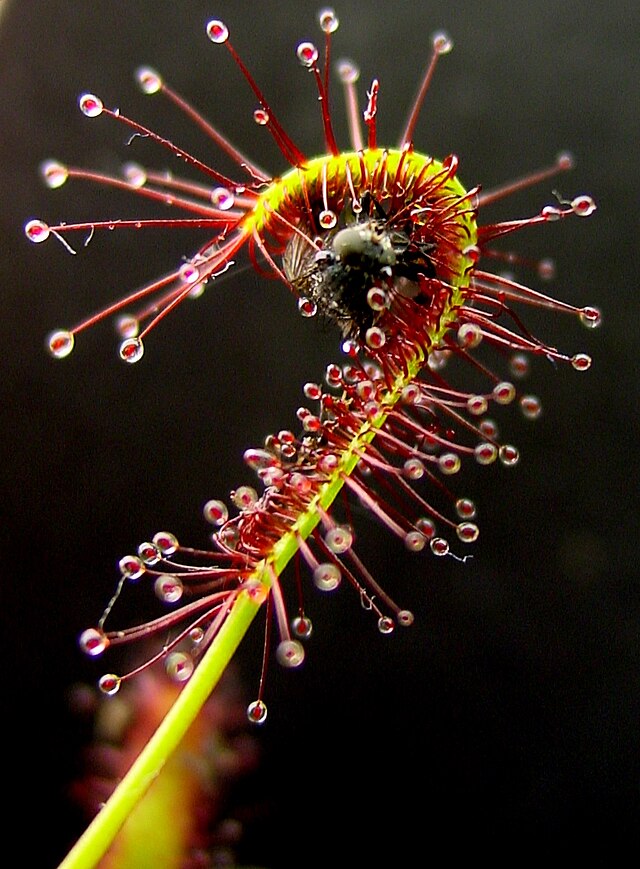
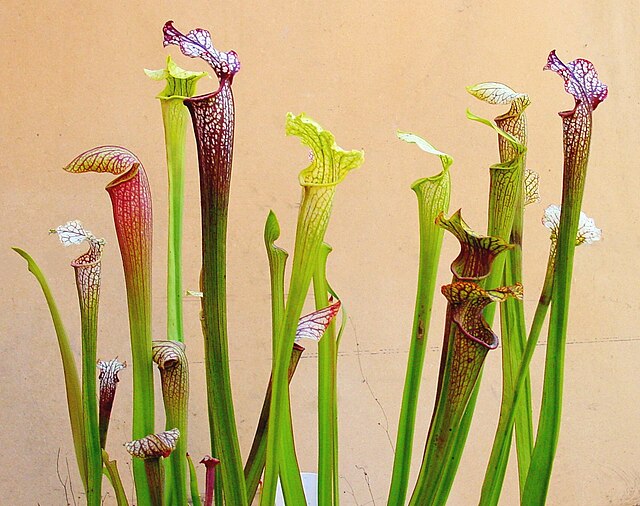
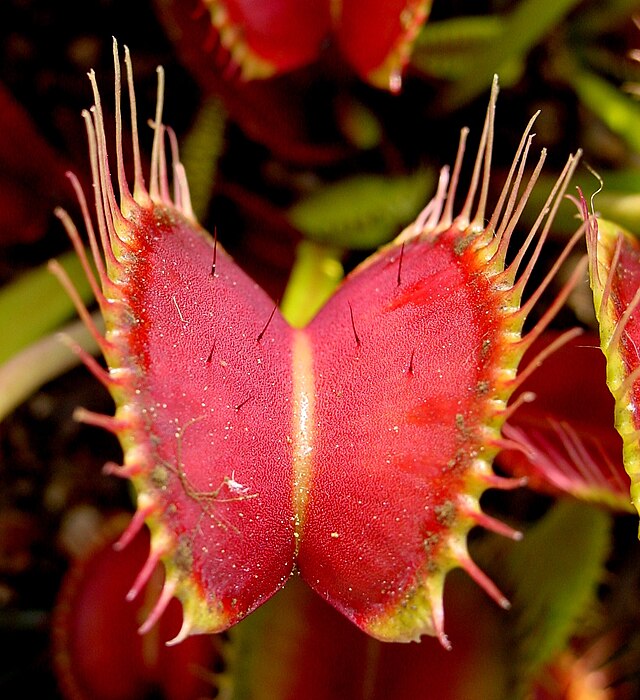
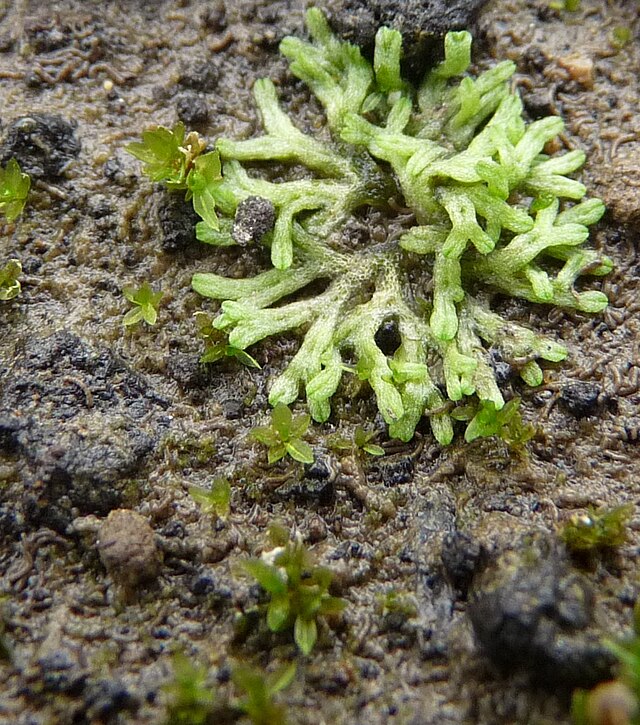
Growing carnivorous plants from seed is a rewarding cultivation method that allows you to observe the entire growth process from the beginning. Watching tiny seeds germinate, develop their insectivorous organs, and eventually mature into adult plants is truly remarkable. Some species can be pollinated by themselves to produce seeds, allowing you to grow numerous plants without significant expense. Here, we explain the seed propagation techniques for representative carnivorous plants.
Obtaining and Storing Seeds
Carnivorous plant seeds can be obtained from specialist growers, nurseries, and through exchanges among enthusiasts. Seed freshness directly affects germination rates, so acquiring the freshest seeds possible is crucial. For Venus flytraps and sundews, ideally use seeds within six months of collection.
For storage, place seeds in an airtight container with silica gel and refrigerate at 4–5°C. Venus flytrap seeds maintain viability for 1–2 years in cold storage. Conversely, Nepenthes seeds have a short lifespan and should be sown within weeks of collection. Germination rates drop sharply with time.
Sarracenia seeds require cold-moist stratification to break dormancy. Wrap seeds in moistened sphagnum moss and refrigerate for 4–8 weeks. Skipping this treatment will significantly reduce germination rates, so it is essential.
Sowing Media and Container Preparation
Regardless of species, the principle is: "clean and nutrient-poor soil." The most versatile medium is a 7:3 mix of finely shredded sphagnum moss and silica sand (or perlite). Sterilize the media with boiling water or microwave heat for 2–3 minutes before use.
Clear plastic containers with lids (food storage containers or takeout boxes) are ideal. The lid maintains high humidity, and transparency allows sufficient light penetration. No drainage holes are needed; instead of sub-irrigation, keep the entire medium uniformly moist.
Add 2–3 cm of medium to the container and moisten thoroughly with distilled water. Level the surface and scatter seeds evenly across it. Most carnivorous plant seeds are photophilic (light-requiring), so do not cover them with soil. Buried seeds will not germinate.
Germination Management—Temperature, Light, and Humidity
After sowing, cover the container with a lid and place it in a bright location. Avoid direct sunlight; light filtered through lace curtains or LED grow lights works best. Strong direct sun can cause the container temperature to spike dangerously and kill seeds.
Optimal germination temperature varies by species, but most temperate carnivorous plants prefer 20–25°C. Tropical species like Nepenthes need slightly warmer temperatures of 25–30°C. Temperature stability is important; large day-night fluctuations can delay germination.
Time to germination varies widely: Drosera capensis may germinate in 1–2 weeks, Venus flytraps in 3–6 weeks, Sarracenia in 4–8 weeks, and Nepenthes can take 2–3 months or more. Patience is key.
If condensation appears on the container lid, humidity is adequate. When condensation disappears, mist the container to add moisture. Ventilate for about 5 minutes once or twice weekly by opening the lid to prevent mold. If mold appears, remove the affected area and spray lightly with a fungicide.
Seedling Care and Transplanting Timing
Germinated seedlings are extremely small and delicate. For the first several months, keep them in the sowing container. Maintain the high-humidity environment under the lid while gradually increasing ventilation time to acclimate them to ambient air.
Sundew seedlings become small rosettes of about 5 mm diameter within 1–2 months of germination, sometimes showing their first sticky secretions at this stage. Venus flytrap seedlings take 3–4 months to develop their first insectivorous leaves, appearing normal-shaped initially.
Transplant seedlings once they reach 1 cm or more in height with well-established roots, typically 6 months to 1 year after sowing. Carefully excavate with tweezers and plant in individual small pots (1–1.2 inch). Switch to sub-irrigation afterward to avoid sudden environmental shock.
Fertilizer is essentially unnecessary. Carnivorous plants are adapted to nutrient-poor environments; fertilizer damages roots. If you must boost growth, dilute liquid fertilizer over 1000× its normal strength for foliar application.
Species-Specific Seed Propagation Tips
Venus flytrap seeds are black, glossy, and about 1 mm in size. You can collect seeds through self-pollination after flowering, but cross-pollinating with other plants improves germination rates and seedling vigor. After germination, ample sunlight promotes healthy, reddish insectivorous leaves early on.
Sundew seeds are extremely fine, like grains of sand. Since they wash away easily, use a mist bottle rather than pouring water. Drosera capensis and Drosera aliciae are the easiest to grow from seed and ideal for beginners.
Sarracenia absolutely requires the cold stratification mentioned earlier. Seedlings develop thin, tubular leaves initially, with species characteristics appearing in year two. Reaching maturity takes 3–5 years, but the transforming leaf shapes make for captivating observation.
Characteristics of Carnivorous Plant Seeds
Carnivorous plant seeds often have properties distinct from common garden plants.
Venus Flytrap: Small black seeds ideally sown immediately after collection. Cold storage preserves viability for about six months. Germination takes 2–6 weeks.
Sundew: Extremely fine seeds scattered on the peat moss surface without covering. Germination rates are relatively high, making this group ideal for beginner seed propagation attempts.
Sarracenia: Seeds require "stratification," a period of winter cold dormancy. Mix moistened sphagnum moss with seeds and refrigerate for 2–3 months before sowing to increase germination rates.
Keys to Successful Germination
- Sterile media: Microwave-heat peat moss to prevent mold
- High humidity: Cover with a sealed container or plastic wrap to maintain 90%+ humidity
- Appropriate light: Most species need light to germinate, so leave seeds uncovered on the surface
- Patience: Some species take months to germinate; keep the media moist and wait steadily
Obtain Seed Propagation Seeds from GrowerDirect
At GrowerDirect, you can purchase quality carnivorous plant seeds directly from specialist growers. Information about parent plants and sowing advice from growers will increase your seed propagation success rate. Why not start your journey growing carnivorous plants from seed at GrowerDirect?