Carnivorous Plants' Winter Dormancy and Overwintering Management Guide
Detailed explanation of the winter dormancy mechanisms of temperate carnivorous plants from North America such as Venus Flytrap, low-temperature requirements, and winter management methods for Utricularia (bladderworts) and Nepenthes. A guide to achieving healthy regrowth in early spring through preparation for temperature drops from autumn to winter.
Key Takeaways
Detailed explanation of the winter dormancy mechanisms of temperate carnivorous plants from North America such as Venus Flytrap, low-temperature requirements, and winter management methods for Utricularia (bladderworts) and Nepenthes. A guide to achieving healthy regrowth in early spring through preparation for temperature drops from autumn to winter.
Related Species
Many carnivorous plants undergo seasonal life cycles adapted to environmental fluctuations in their natural habitats, and for temperate species in particular, experiencing low temperatures in winter is an essential part of their growth cycle. This article provides a detailed explanation of the mechanisms of winter dormancy in carnivorous plants and practical management methods to ensure successful overwintering.
What is Dormancy in Carnivorous Plants
Dormancy (dormancy) is not simply a cessation of growth, but a physiological rest state in response to environmental signals such as low temperature and short day length. For dormancy-type carnivorous plants such as North American Sarracenia and Venus Flytrap in particular, the low-temperature stimulus in winter becomes a trigger that initiates flowering and vigorous growth in the following spring.
In artificial cultivation environments, if this winter low-temperature period is insufficient, the following problems tend to occur:
- New shoots become excessively elongated and weak
- Flower buds fail to form and flowering does not occur
- Growth vigor in the following year is significantly reduced
- Resistance to pests and diseases weakens
In other words, "surviving winter" is not merely a survival process, but an essential procedure that ensures healthy growth and reproduction thereafter.
Temperature Requirements for Temperate Carnivorous Plants
Venus Flytrap
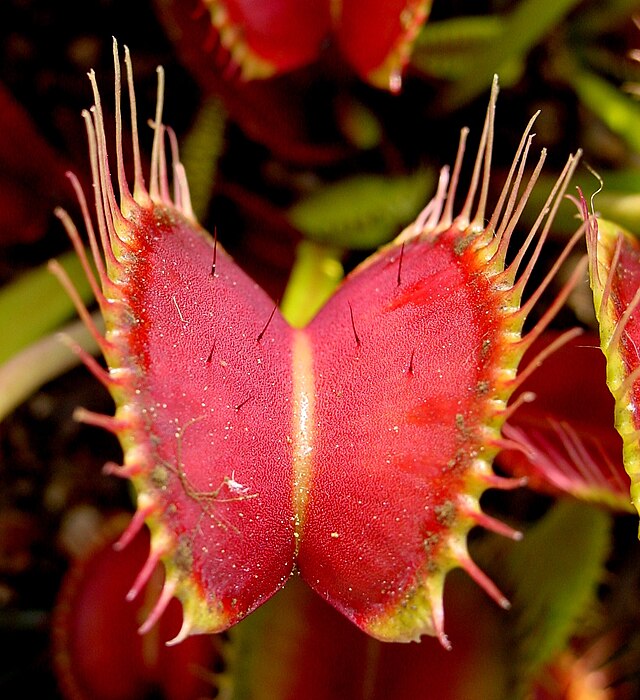
The Venus Flytrap is native to North Carolina and South Carolina and is a North American species that requires low temperatures of 0–10°C during winter. The "Venus Flytrap B52" variety featured in the GrowerDirect encyclopedia also requires temperatures to drop from autumn to winter to enter a normal growth cycle.
In cultivation, maintaining temperatures of 5–10°C from November through February is ideal. During this period, water absorption from roots decreases significantly, so watering frequency should be reduced to about 1/2 to 1/3 of normal. However, do not allow the soil to dry out completely. Water lightly when the soil surface dries slightly.
During winter, the rate of photosynthesis decreases dramatically, so avoid adding fertilizer aggressively and manage the plant in a bright, unheated location (such as under outdoor eaves or in an unheated space).
Utricularia calycifida (Bladderwort, genus Utricularia)
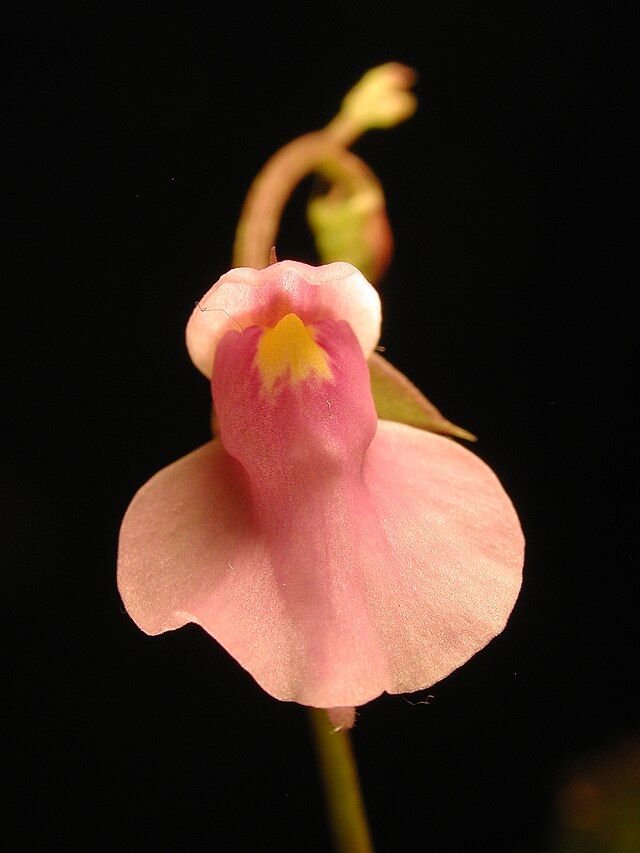
The "Utricularia calycifida" featured in the GrowerDirect encyclopedia is a tropical species native to northern South America (Guyana, Venezuela, Brazil, etc.). Because it is sensitive to cold, keep it indoors with warmth during winter.
A characteristic of this species is that leaves tend to become smaller during winter. This is not an adaptive dormancy but a physiological response to low temperature and short day length, and is a normal phenomenon. With the rising temperatures in spring, larger leaves develop again.
Utricularia tends to prefer moist conditions, and the soil must be kept slightly moist even during winter. However, water must not stagnate. It is important to use a nutrient-free medium such as sphagnum moss or peat moss + perlite, rather than leaf mold.
Overwintering Sarracenia Carnivorous Plants
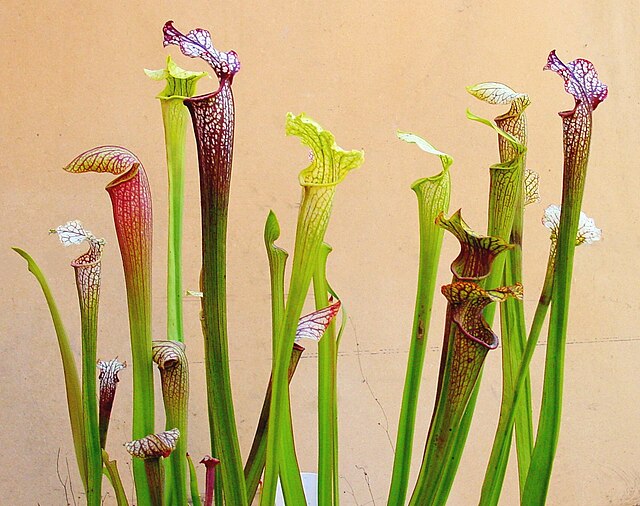
Sarracenia species (family Sarraceniaceae) are carnivorous plants with tubular leaves native to North American wetlands and show extremely demanding winter low-temperature requirements. Many species have their growth in the following year promoted by experiencing a period of low temperature in winter (around 0–10°C).
In cultivation, many growers leave plants outdoors from autumn to winter or conduct low-temperature storage in cold greenhouses or refrigerators. This thorough cold treatment results in explosive growth in the following spring.
However, even for North American species, such as S. psittacina (Parrot Pitcher Plant; Japanese name: Hime-heishiso) native to wetland regions, the soil does not freeze completely during winter. In other words, the goal is to maintain temperatures near 0°C, and leaving the plant in outdoor conditions below −10°C would instead promote root rot.
Winter Management for Nepenthes (Pitcher Plants)
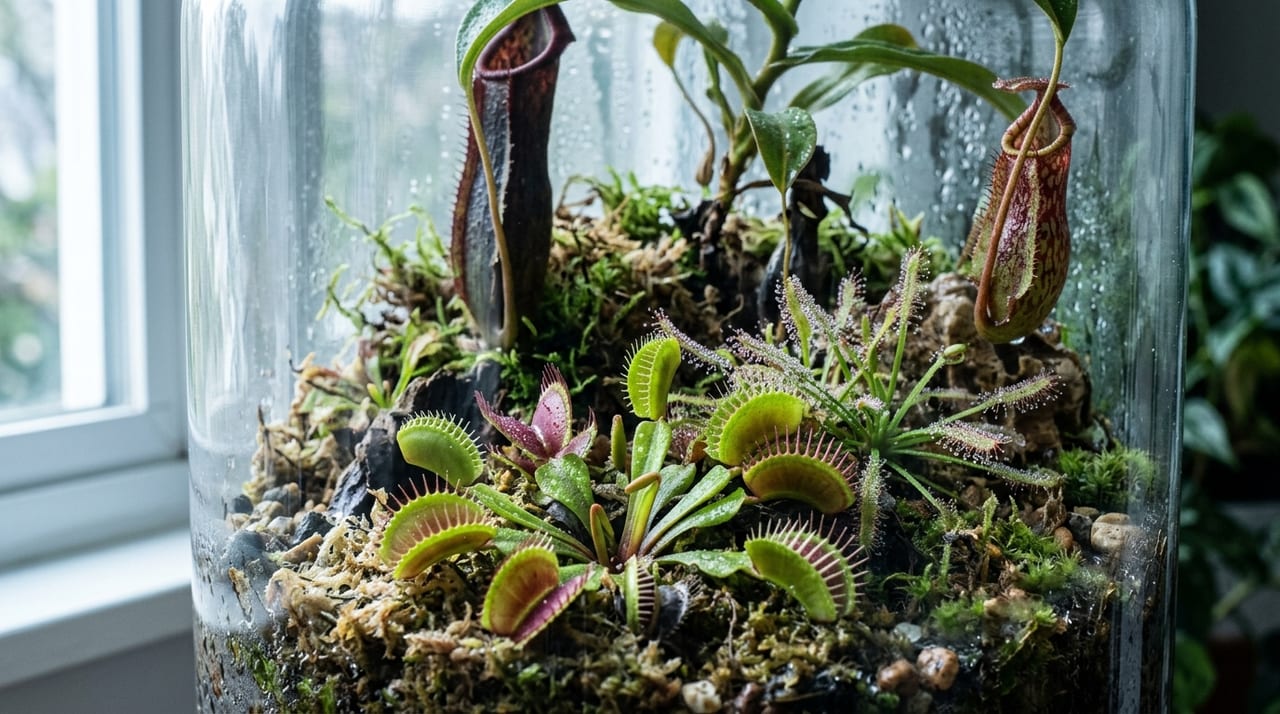
The majority of Nepenthes are tropical species and require maintaining temperatures above 15°C even in winter. However, species like "Nepenthes (Pitcher Plant)" featured in the encyclopedia whose native habitat is highland areas, or those classified as highland types, prefer cooler winter environments of 10–15°C.
Key points for overwintering highland-type Nepenthes:
- Maintain nighttime temperatures at 10–12°C (daytime 15–18°C is acceptable)
- Maintain high humidity (80–90% is ideal)
- Ensure air circulation and prevent bacterial soft rot and botrytis
- Maintain scattered light even in winter (a bright window indoors is sufficient)
Highland-type Nepenthes do not especially require winter dormancy, but seasonal temperature fluctuations improve growth in the following year. If kept consistently above 20°C throughout winter in a fully heated greenhouse, the plant tends to become weak and leggy, and growth becomes sluggish in the following year.
Winter Watering and Fertilization Management
Dormancy-type Carnivorous Plants (Venus Flytrap, Sarracenia, etc.)
During winter, water absorption from roots decreases extremely. Reduce watering frequency and water only about 1–2 days after the soil surface becomes dry. Continued daily watering will promote root rot.
Do not apply any fertilizer during winter. Originally, carnivorous plants supplement nutrition by trapping insects, and regular organic fertilization should only be done during the growing season from spring to autumn. Fertilizer application in winter is not only wasted since roots cannot absorb it, but actually causes salt accumulation and root damage.
Non-dormancy type / Tropical Carnivorous Plants (Highland-type Nepenthes, etc.)
Even in tropical species, growth rate decreases during winter. Reduce watering frequency to about 70–80% of normal and create a gentler wet-dry cycle in the soil. If applying liquid fertilizer, dilute the concentration to half strength and fertilize only about once a month.
What to Do if Overwintering Fails
Failures in winter management can be identified by the following signs:
- Entire leaves turn yellow (caused by root damage, not nitrogen deficiency)
- New shoots collapse in soft rot (botrytis, root rot)
- Growth does not resume at all in spring (complete death of roots)
If root rot is in an early stage, it may be possible to recover by repotting into fresh moisture-retentive soil (peat moss 70% + sand 30%), raising the temperature slightly to promote root regeneration. However, if the roots have completely turned black and rotted, recovery is impossible.
Summary
Winter management of carnivorous plants begins with understanding the native climate of each species. Temperate North American species such as Venus Flytrap require low temperatures as an essential factor, while highland-type Nepenthes seek seasonal temperature fluctuations rather than low temperatures per se.
The species featured in the encyclopedia, such as Venus Flytrap B52, Utricularia calycifida, and Nepenthes introduced in this guide, can all be cultivated successfully into future years with proper winter management. Prepare for temperature drops as autumn turns to winter and look forward to the emergence of new shoots in spring.