Boswellia Growing Guide | The Appeal of Frankincense Trees and Cultivation Management Tips
A detailed explanation of how to grow Boswellia, the source of frankincense. Covers Boswellia sacra characteristics, proper watering and temperature management, repotting methods, and tips for winter care—comprehensive cultivation guidance.
Key Takeaways
A detailed explanation of how to grow Boswellia, the source of frankincense. Covers Boswellia sacra characteristics, proper watering and temperature management, repotting methods, and tips for winter care—comprehensive cultivation guidance.
Related Species
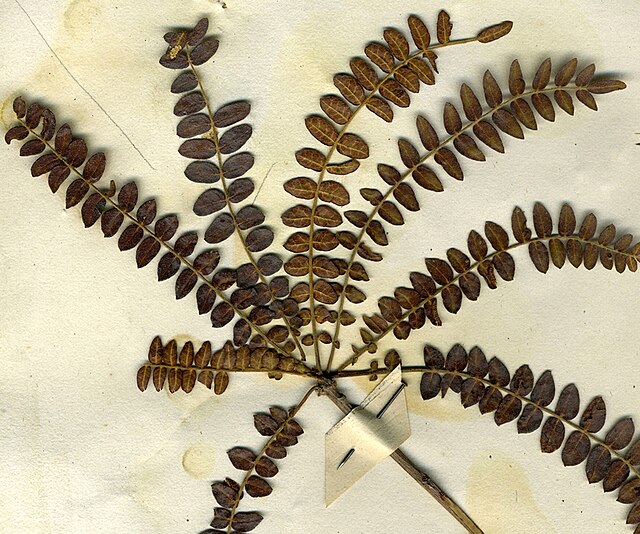
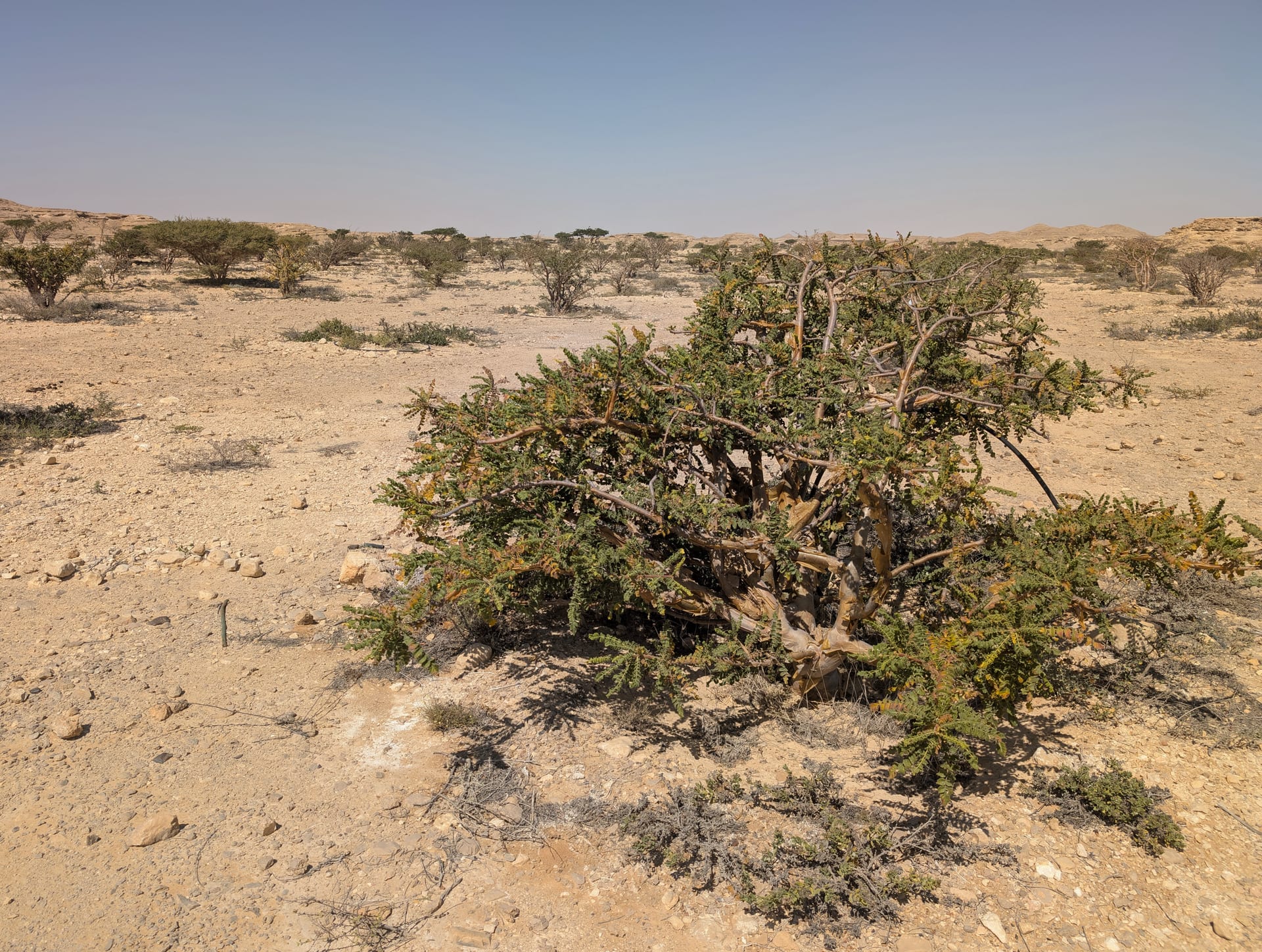
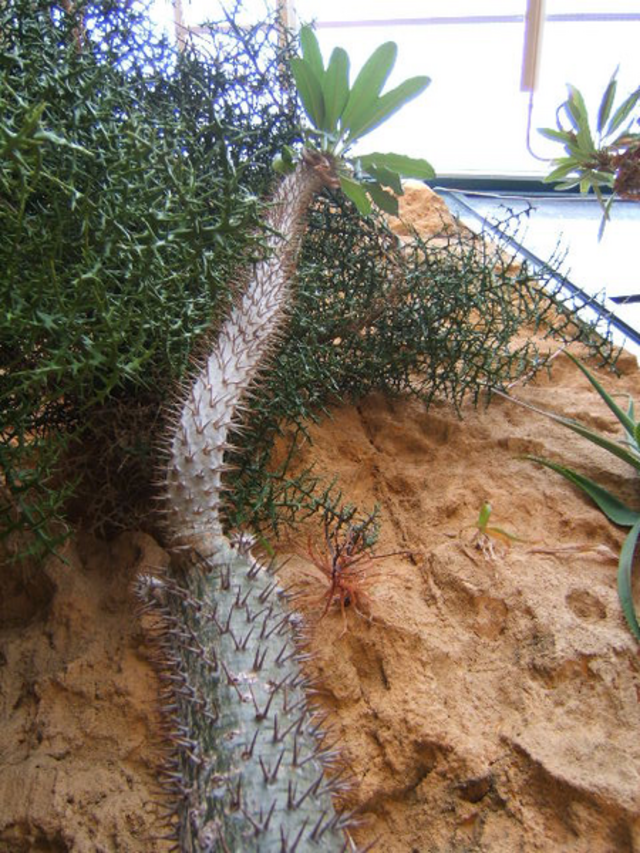
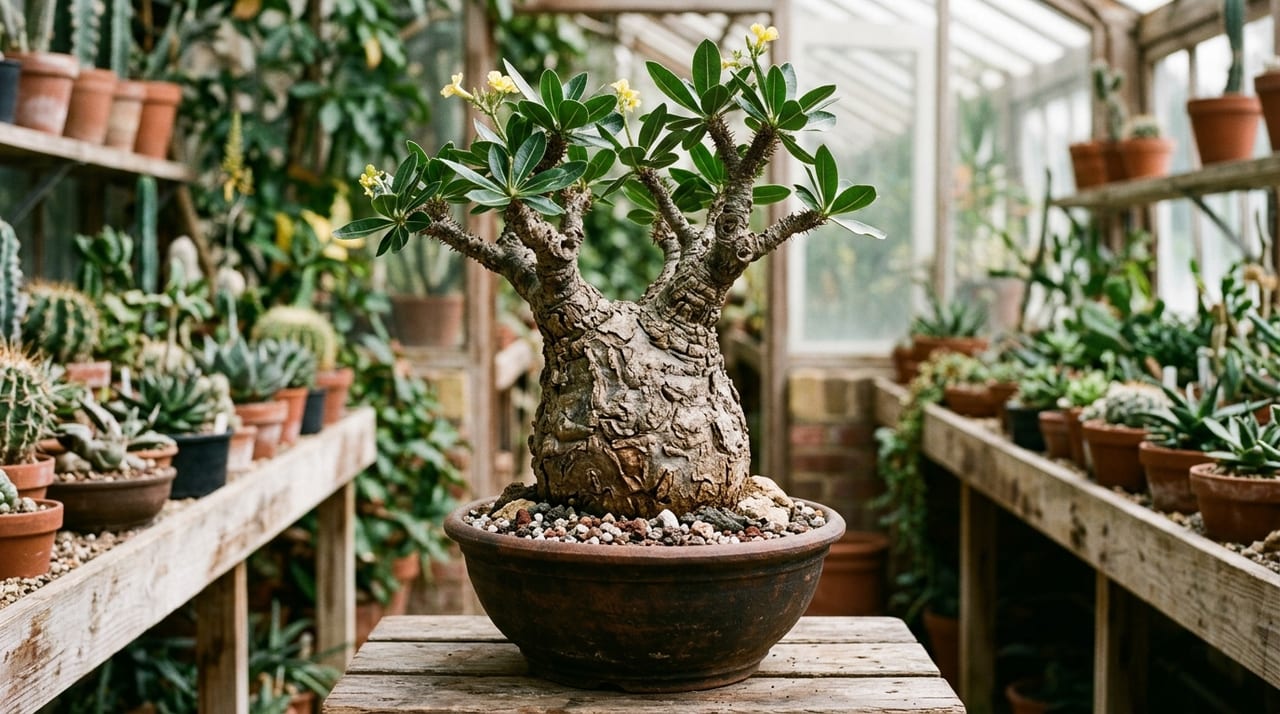
Boswellia is a member of the Burseraceae family that has been prized since ancient times as the source of frankincense, and in recent years it has surged in horticultural popularity as a caudiciform plant (caudex). The balance of its thickened trunk, distinctive bark, and small leaves is beautiful, and its appeal lies in the possibility of enjoying it in a bonsai-like manner. Here we explain the basic cultivation of Boswellia.
Boswellia Varieties and Characteristics
Approximately 30 species of Boswellia are known, but only a limited number are available in horticulture. Here are the representative varieties.
| Variety | Native Region | Bark Characteristics | Other Features |
|---|---|---|---|
| Boswellia neglecta (B. neglecta) | East Africa | White to gray smooth bark | The most commercially available beginner variety. Growth is relatively rapid, with trunk thickening beginning within a few years from seed. Hardy and easy to manage, making it ideal for those attempting Boswellia for the first time |
| Boswellia sacra (B. sacra) | Southern Arabian Peninsula and Somaliland | Beautiful silver-gray bark | The most famous species as the source of frankincense. Growth is somewhat slower than neglecta, but the trunk thickens with an elegant form, making it highly popular with collectors |
| Boswellia riviae (B. rivae) | Ethiopia | Distinctively reddish bark | The trunk tends to thicken readily, with beautiful form as a caudiciform. Somewhat difficult to obtain, but cultivation difficulty is comparable to neglecta |
| Boswellia pirottae (B. pirottae) | Endemic to Ethiopia | Greenish bark with small leaves creating a delicate appearance | Limited availability, but popular among enthusiasts for its distinctive character |
All varieties are plants that grow naturally in arid rocky areas and cliffs in their native habitat, showing strong tolerance to dryness and high heat, but tending to be sensitive to excessive moisture and low temperatures.
Sunlight and Temperature Management
Boswellia is a light-loving plant, and ensuring maximum light year-round is essential for healthy growth.
During the growing season (May–October), direct sunlight outdoors is ideal. Shading is generally unnecessary, and the plant withstands Japan's intense summer sun well. However, during the rainy season, manage it under a rain cover to avoid prolonged wet conditions.
For indoor management, place it by a south-facing window or provide 12 or more hours of illumination with a plant growth LED. Insufficient light causes elongated, spindly growth with widely spaced leaves, creating an unsightly form.
The plant is highly tolerant of high temperatures but sensitive to cold. Most Boswellia species drop leaves below 10°C and risk death below 5°C. In winter, bring it indoors and maintain a minimum temperature of 10°C or higher.
Overwintering is easy in a heated room, but be careful of temperature drops at night when heating is off. Near windows, radiative cooling can cause temperatures to drop below 5°C even indoors, so at night move the plant away from the window or insulate it with a styrofoam box.
When moving the plant outdoors in spring, sudden exposure to direct sun can cause sunscald. Acclimate it by gradually increasing light levels over 1–2 weeks.
Watering and Soil Management
Watering Boswellia requires well-timed management that corresponds to the growth cycle.
- Growing season (May–October when new growth emerges): Water generously when the pot soil dries out. The frequency is typically 1–2 times per week, but adjust based on temperature, pot size, and soil composition. Boswellia surprisingly enjoys water during the growing season, and excessive drying halts new growth.
- Dormant season (November–April): Significantly reduce watering. Some growers practice complete drought, but applying water once monthly to lightly dampen the soil is safer. If the trunk becomes extremely wrinkled, provide a small amount of water.
A well-draining, inorganic-based soil mix is suitable. The basic formula is as follows:
- Pumice: 3
- Hard akadama: 3
- Hyuga soil: 2
- Charcoal: 1
- Vermiculite: 1
Boswellia has finer roots than Pachypodium, so small to medium particle sizes are more practical.
Shallow, flat pots are best for bonsai-style presentation. Deep pots tend to retain moisture at the bottom, increasing root rot risk. Slit pots or unglazed terra cotta pots with superior drainage are recommended.
Shaping and Pruning
A major appeal of Boswellia is the ability to shape it like a bonsai.
Prune during the growing season. Cutting back overgrown branches promotes branching and creates a well-balanced crown. A milky white resin (the source of frankincense) may seep from the cut. This is part of Boswellia's unique charm.
Wiring is possible but not pursued as actively as in bonsai. Boswellia branches are somewhat brittle, and wiring thick branches risks breakage. It is safer to wire young, flexible branches or guide direction with guide wire.
To thicken the trunk, provide ample water and light during the growing season and actively encourage branching. Excessive pruning reduces photosynthesis and slows trunk development. The basic strategy is to thicken the trunk first, then prune it into the ideal shape.
Seedling specimens, in particular, display beautiful trunk thickening, forming a naturally chunky caudex when grown from seed. Grafted or cutting-propagated plants rarely achieve the same form, so seedlings are highly valued.
Frequently Asked Questions and Practical Advice
Q. All the leaves dropped. Is it dead? A. Boswellia is deciduous and naturally sheds leaves as temperatures fall. If the branches bend with flexibility and the trunk retains turgidity, the plant is alive. In this state, reduce watering and wait for new growth in spring. If unsure, lightly scrape a branch tip to check for green inside.
Q. When can you harvest frankincense (resin)? A. In home cultivation, it takes many years for the trunk to thicken enough to harvest resin practically. Wounding the plant to extract resin weakens it, so it is wiser to avoid this in ornamental cultivation. Simply enjoy the fragrance that seeps from pruning cuts.
Q. How often should you water? A. During the growing season, water generously after the soil dries completely; during dormancy, withhold water almost entirely. Do not rely on a fixed schedule; judge by pot weight instead. While the plant is leafless in winter, water just once monthly in small amounts to keep roots alive.
Enjoying Frankincense (Resin)
One of the pleasures of growing Boswellia is the ability to harvest and enjoy frankincense from your own plant.
Well-established plants (with trunks roughly 3 cm or more in diameter) may naturally exude resin. Small wounds promote resin secretion, but minimize wounding to avoid harming the plant.
Harvested resin hardens when dried and can be burned as incense. When warmed over charcoal or in an incense burner, the resin releases a distinctive, sweet, and refreshing fragrance. Enjoying the aroma revered in ancient Egypt and Mesopotamia in your own home is an exceptional experience.
However, harvesting large quantities of resin from ornamental seedlings strains the plant, so enjoy only small amounts. Prioritize maintaining a healthy plant over long-term cultivation rather than large resin harvests.
Because Boswellia has limited commercial availability, GrowerDirect is convenient for obtaining plants with confirmed varieties. You can purchase seedling-grown specimens directly from growers, with confirmation of variety and cultivation advice available.