Guide to Choosing Pots for Caudex Plants | Selecting Vessels That Enhance Their Charm
We explain how to choose pots that bring out the beauty of caudex plants. From the perspectives of material, size, and design, we introduce pot characteristics that suit Pachypodium and Adenium, how to enjoy artisan-made pots, and achieving both practicality and beauty.
Key Takeaways
We explain how to choose pots that bring out the beauty of caudex plants. From the perspectives of material, size, and design, we introduce pot characteristics that suit Pachypodium and Adenium, how to enjoy artisan-made pots, and achieving both practicality and beauty.
Related Species
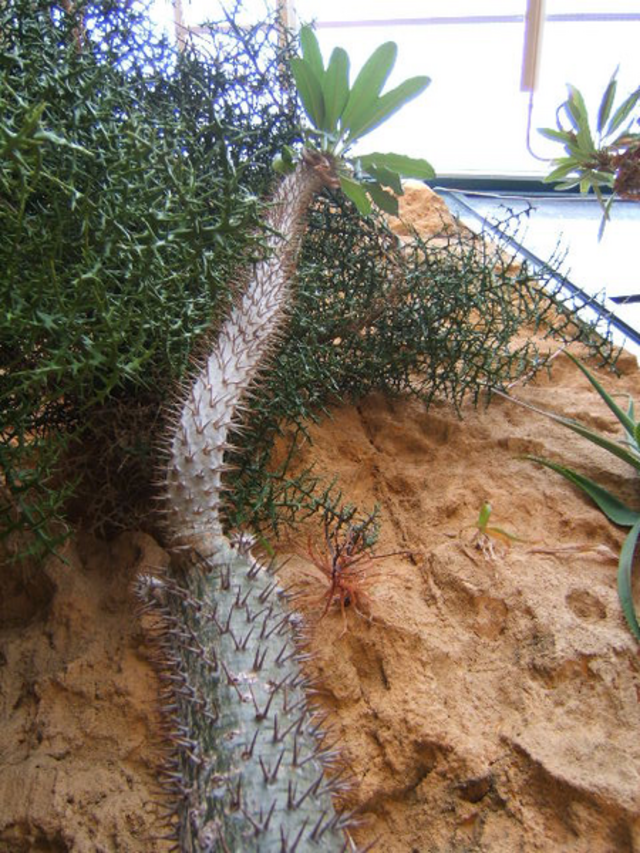
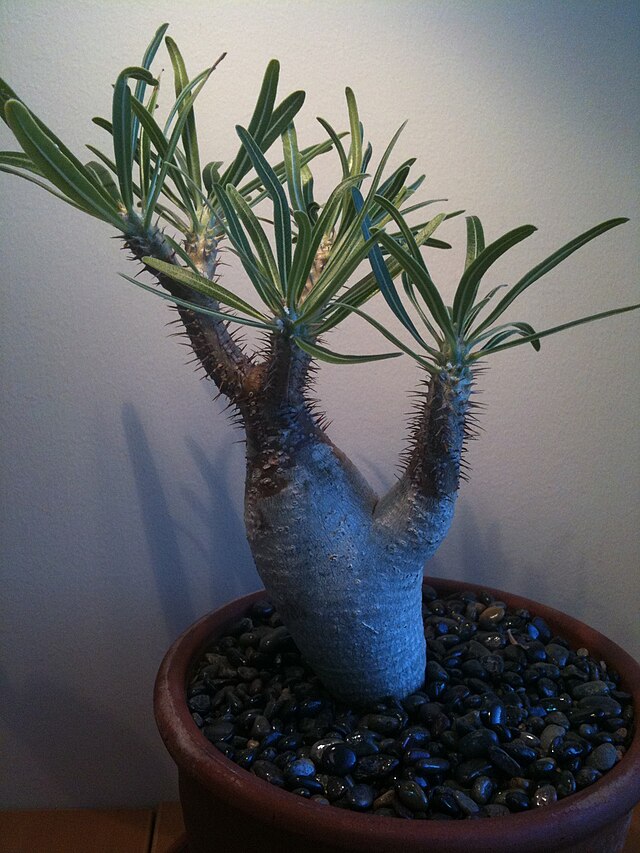
Each caudex plant has its own distinctive form, and choosing a pot that enhances it is one of the pleasures of cultivation. The right pot protects the plant's health while maximizing its ornamental value. This article explains how to choose pots for caudex plants from the perspectives of material, size, and design.
Functions Required in Pots for Caudex Plants
When choosing pots for caudex plants, functionality in cultivation is just as important as appearance.
- Drainage: Caudex plants are extremely sensitive to excessive moisture, so drainage is the top priority. Drainage holes at the base of the pot are essential; if there is only one hole, consider drilling additional holes. Flat-bottomed pots tend to accumulate water, so check whether the pot base has a slight slope or if the hole position is appropriate.
- Aeration: Aeration is also important for root health. Terracotta pots and slotted plastic pots offer excellent aeration and reduce the risk of root rot. Glazed ceramic pots have almost no aeration, so you need to increase soil drainage more than usual.
- Stability: Many caudex plants become top-heavy, so if the pot is too light, there is a danger of tipping over. For large Pachypodium and Adenium, a pot with some weight is safer.
Characteristics by Material
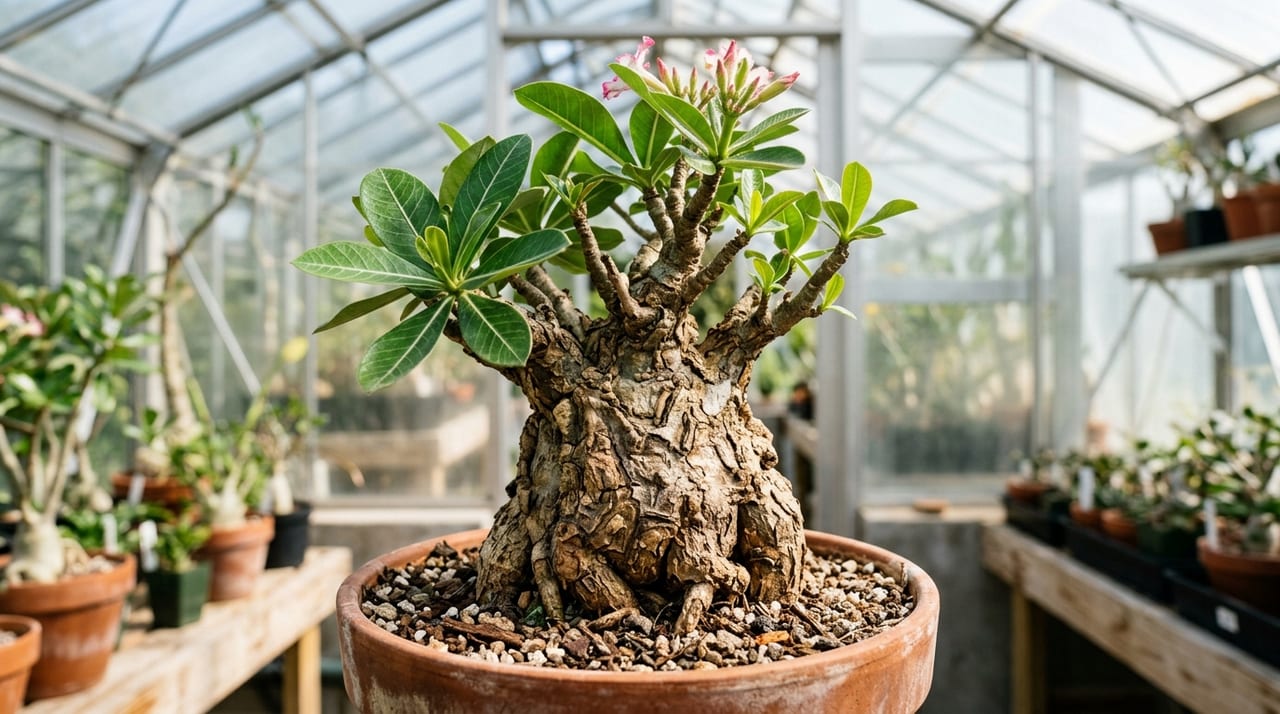
- Terracotta pots: They excel in aeration and drainage, making them the most suitable material for cultivating caudex plants. Terracotta's warm color tone pairs well with the natural atmosphere of caudex plants. The drawbacks are that they are prone to breaking and may develop white salt deposits on the pot surface when watering.
- Glazed ceramic pots: They come with abundant glaze variations and are often highly decorative. They have almost no aeration, but their visual beauty is unmatched. They have substantial weight and excellent stability.
- Cement pots: Their rugged texture matches the powerful character of caudex plants exceptionally well. They are heavy enough to keep even large specimens stable and pair easily with modern interiors. They have moderate aeration and perform excellently in cultivation.
- Plastic pots: Lightweight, inexpensive, and prioritizing practicality. Slotted plastic pots excel in drainage and aeration and are the easiest to manage for cultivation. Their appearance is plain, but this can be remedied by pairing them with a pot cover. It is common practice to use them for growing and switch to ceramic pots for display.
Basics of Size Selection
For caudex plants, choose a pot that is one size larger than the diameter of the caudex portion. Specifically, a pot opening of around the caudex diameter plus 4–6 cm is a good guideline.
Pots that are too large create too much soil space around the caudex, which slows drying in that area. Since quick-draining soil is important for caudex plants, avoid pots that are unnecessarily large.
Regarding depth, caudex plants have two root types: those with main roots extending downward, and those spreading horizontally. Deep pots suit species like Pachypodium with thick roots extending downward, while somewhat shallower pots are easier for species like Operculicarya with roots spreading laterally.
Coordinating Design with the Plant
Coordinating the pot and plant is one of the great pleasures of collecting caudex plants.
- Matte black pots: A versatile color that pairs easily with any species. The contrast with the silvery-gray skin of Pachypodium gracilius or the lustrous stem of Adenium stands out. They create a modern, stylish impression.
- White and ivory pots: They convey cleanliness and bring out green foliage. They pair easily with bright interiors and are suited to enjoying lush growth during the growing season.
- Japanese vessels: Japanese pots with subtle glazes have an unexpected affinity with the antique-wood elegance of caudex plants. They are popular with those who appreciate caudex plants from a bonsai aesthetic.
- Terracotta and unglazed clay: They evoke the natural atmosphere of Mediterranean and African arid regions. They pair well with the wild character of plants in their native habitat.
The World of Artisan Pots
As the caudex plant boom has grown, more potters are creating "artisan pots" dedicated to caudex plants. Artisan pots are one-of-a-kind works of art, and meeting a pot is just as serendipitous as meeting a plant.
The charm of artisan pots lies in their individuality and texture, which mass-produced pots cannot match. They are creations to be enjoyed with all five senses—the warmth of handcraftsmanship, the subtle shifts in glaze color, and the weight and feel when held in your hands. Prices range widely from a few thousand yen to tens of thousands of yen or more, and works by popular potters may sell out immediately.
When choosing an artisan pot, verify that the drainage holes are sufficiently large and numerous. If the pot prioritizes design with small drainage holes, you may need to drill additional holes or add a thicker drainage layer.
Timing of Repotting
The best time to repot caudex plants is early in the growing season (May–June). Avoid repotting during dormancy or immediately after dormancy breaks, as this risks damaging roots. When repotting, examine the root condition and remove any damaged roots before planting in the new pot.
Consult with GrowerDirect About Caudex Plants and Pots
On GrowerDirect, you can consult with caudex plant growers about coordinating plants and pots. Being able to get information about the pots that growers actually use and receive advice on choosing a pot that complements your plant's character is a unique advantage of direct purchase. If you want to find your favorite combination of plant and vessel, ask a grower on GrowerDirect.