Air-Purifying Effects of Houseplants and Effective Placement Methods | Scientific Evidence and Optimal Placement Locations
Exploring the scientific research on whether houseplants truly purify indoor air. We've compiled practical techniques including placement methods for achieving effective air-purifying results, plant selection, and tips for multiple plantings.
Key Takeaways
Exploring the scientific research on whether houseplants truly purify indoor air. We've compiled practical techniques including placement methods for achieving effective air-purifying results, plant selection, and tips for multiple plantings.
Related Species
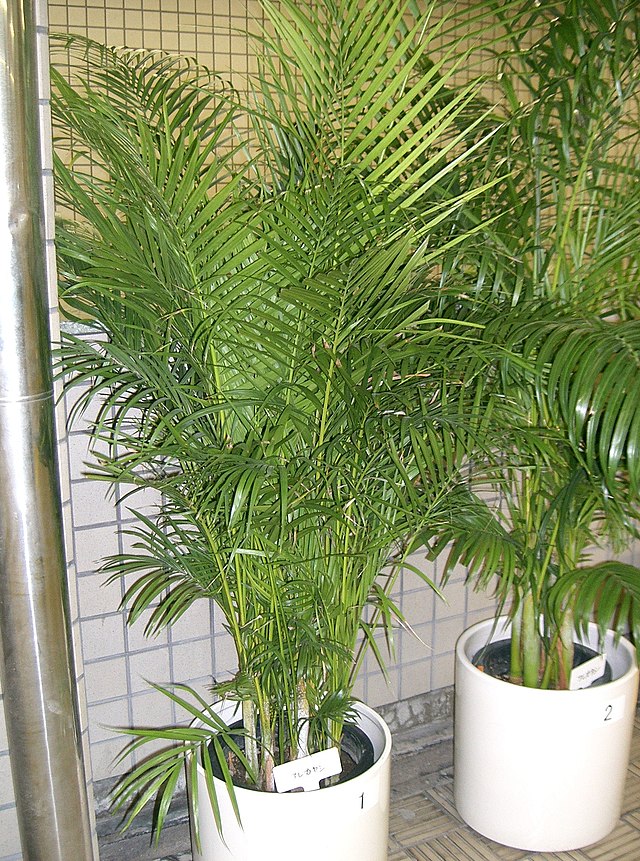
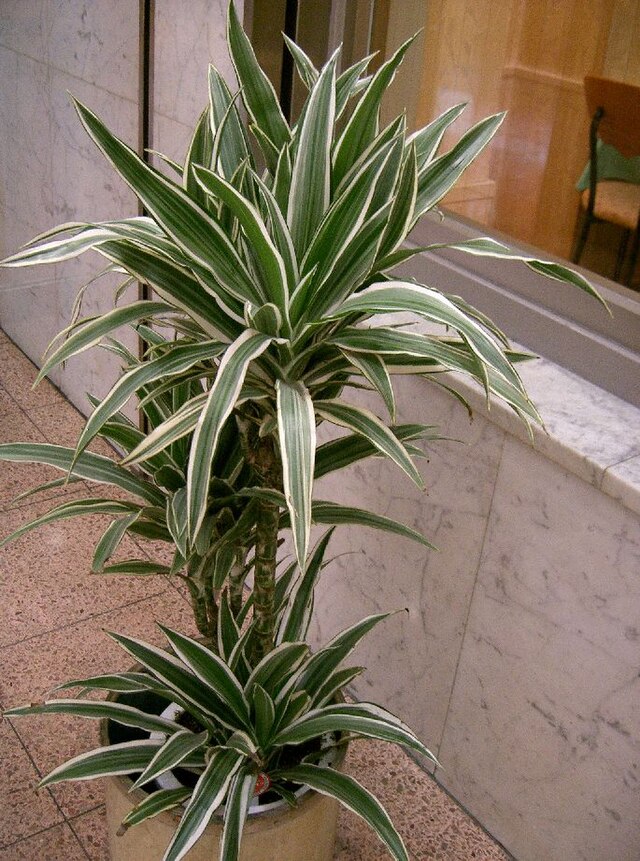
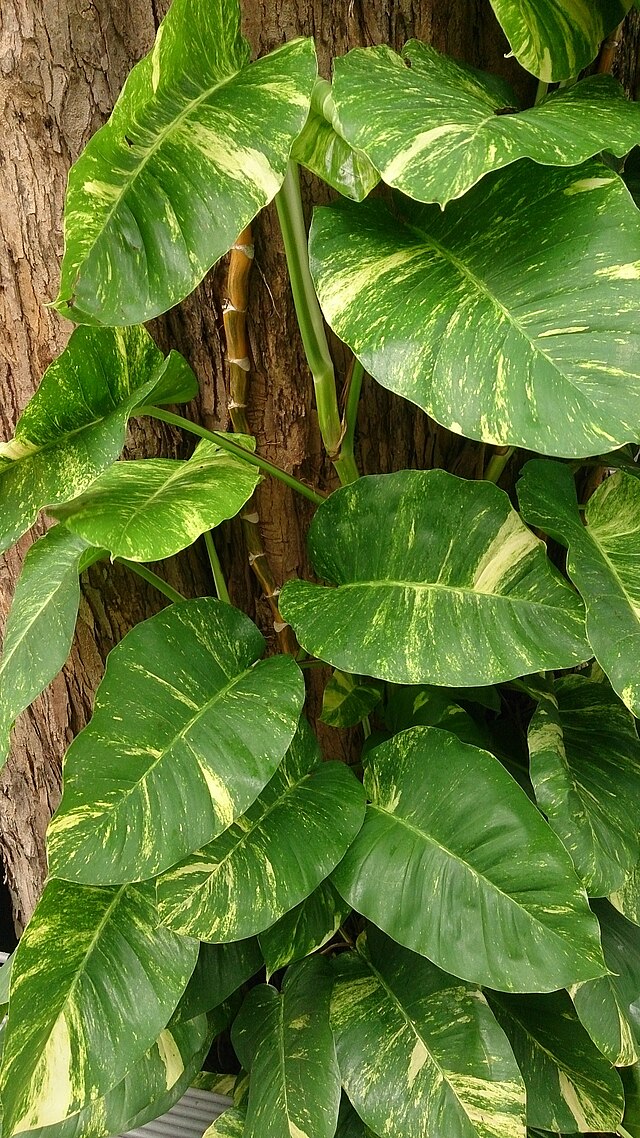
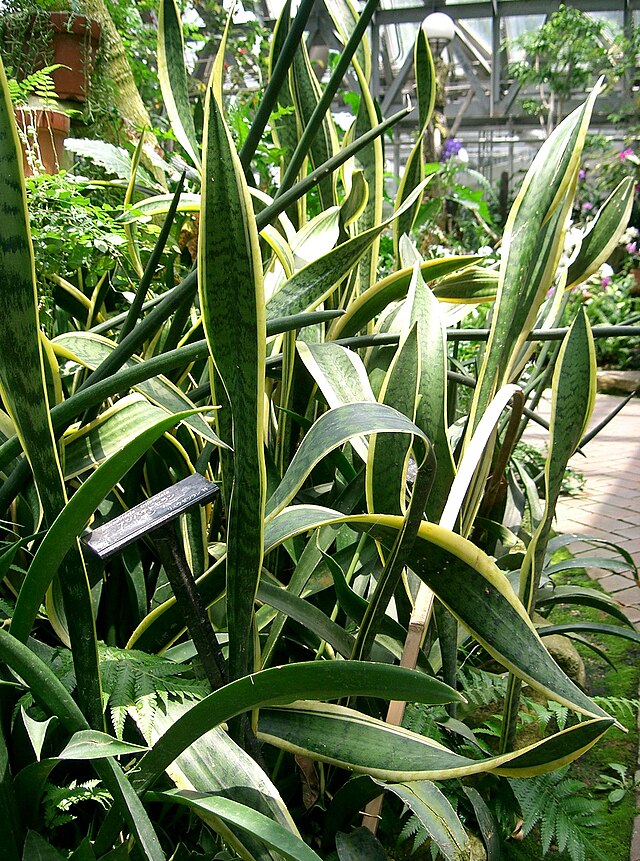
When decorating indoors with houseplants, we often hear that they "purify the air." But how much of an effect does this actually have? We'll provide a detailed explanation of the scientific research, the mechanisms by which houseplants purify air, and the placement methods to maximize their effectiveness.
How Houseplants Purify Air
The mechanism by which houseplants contribute to air purification consists mainly of the following three processes.
Oxygen Generation Through Photosynthesis During the day, houseplants absorb CO2 through photosynthesis and release oxygen. This has a certain effect in improving indoor air composition. However, the degree of effect depends greatly on the size of the plant, the amount of light in its placement location, and the plant's health condition.
Volatile Organic Compound (VOC) Absorption Through Leaves Houseplant leaves have stomata through which they can absorb chemical compounds such as VOCs. NASA (National Aeronautics and Space Administration) research has reported that houseplants have the ability to absorb harmful substances such as formaldehyde and benzene.
Interaction Between Roots and Soil Microorganisms Many microorganisms exist in the root zone of houseplants, and these contribute to the breakdown of harmful substances. In particular, soil in a healthy state without root rot maximizes this effect.
NASA Research and Its Practical Interpretation
NASA research published in 1989 demonstrated that houseplants can absorb specific harmful substances. According to this research, the following plants are considered effective:
- Ivy (Hedera): High ability to absorb formaldehyde and benzene
- Dracaena: Effective in absorbing formaldehyde, benzene, and trichloroethylene
- Pothos: Confirmed ability to absorb multiple VOC components
- Spider Plant: Considered effective in purifying indoor air
However, caution is needed when applying these research results to real-world situations. The research was conducted in a sealed, small enclosed space, and the effects in a normally-sized room may be limited.
Placement Methods for Achieving Practical Results
To actually experience the air-purifying effects, simply placing houseplants is not sufficient. Placement that incorporates the following points is important.
Synergistic Effects Through Multiple Placement By placing multiple different types of plants in multiple locations rather than just one houseplant, the air-purifying effect improves. As a guideline, it's said that placing 3 to 4 houseplant pots in a 10–15 square meter space increases effectiveness.
Ensuring Adequate Light The rate of photosynthesis depends on light intensity. By placing plants where they receive natural sunlight during the day, or where there is sufficient artificial lighting, effectiveness improves in both oxygen generation and harmful substance absorption.
Air Circulation and Humidity Control When there is moderate air circulation around houseplants, stomatal activity becomes more active. At the same time, by maintaining humidity in the 50–60% range, plant stress is reduced and air-purifying ability improves.
Plant Size and Health Condition Larger houseplants have greater leaf area and higher air-purifying ability. Additionally, plants in a healthy condition free from pests and diseases achieve maximum effectiveness.
Effective Combinations and Placement Examples
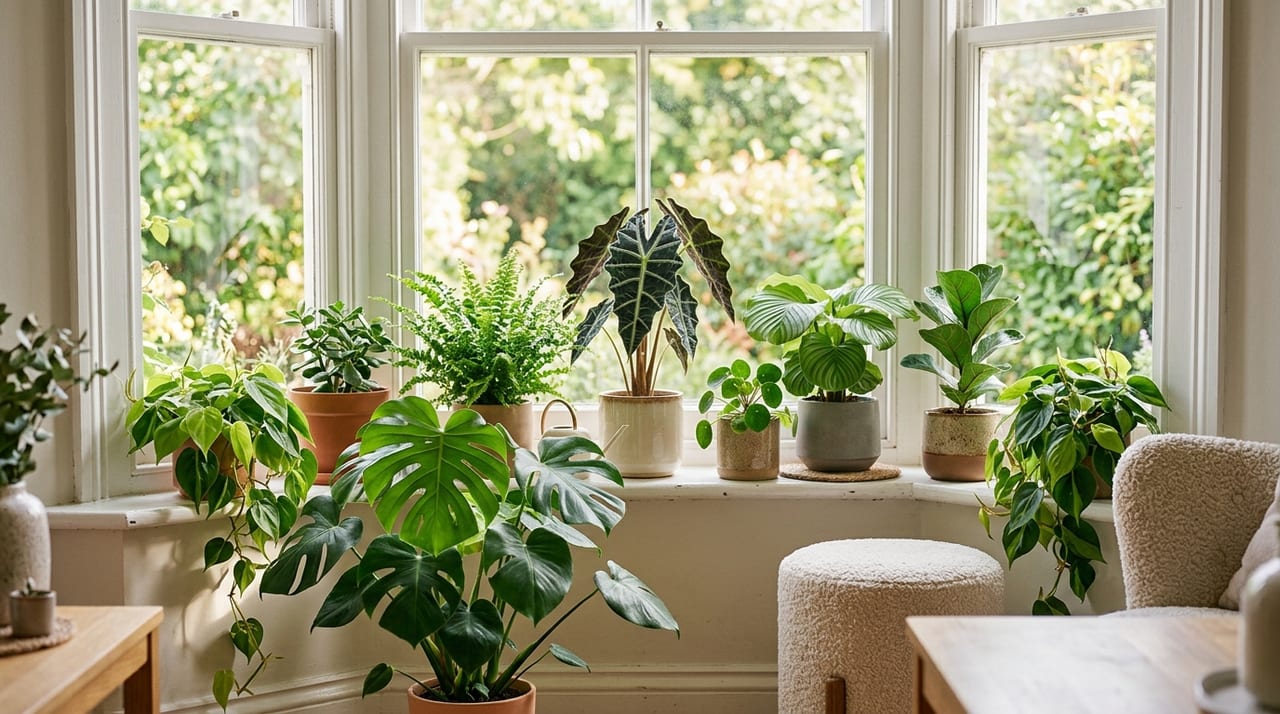
Let's take an example of effective placement in a living room (approximately 20 tatami mats). By placing one large rubber plant or areca palm near the window, and scattering 2 to 3 medium-to-small-sized pothos or snake plants on shelves or TV stands, you maintain sufficient leaf area while keeping the space balanced.
For bedroom placement, placing 1 to 2 medium-sized houseplants by the bed can provide both space greening and psychological relaxation effects. Note that typical houseplants do not photosynthesize at night; rather, they consume oxygen through respiration. Don't expect a "nighttime oxygen supply" effect (while CAM-type plants like snake plants do take in carbon dioxide at night, this effect is also minimal), and recognize that the main purpose is space greening and psychological relaxation effects.
In office environments, placing small houseplants on desks and medium-to-large plants near windows can provide a certain level of air-purifying effects. Additionally, there is the added benefit of maintaining humidity around the desk area.
Plant Management to Enhance Air-Purifying Effects
For maximizing air-purifying effects, it's essential that the plants themselves are healthy. Let's be thorough with the following management points.
Proper Watering and Root Rot Prevention When roots are rotted, the ability to absorb harmful substances decreases. It's important to use soil that drains smoothly from the bottom of the pot and to always keep the drainage holes at the bottom of the pot clean.
Regular Leaf Cleaning When dust accumulates on leaves, the stomata become clogged and air-purifying ability decreases. Gently wipe leaves with a damp cloth 1 to 2 times per month to keep them clean.
Fertilizer Management By providing proper fertilization to houseplants, new leaf generation is promoted and leaf area increases. This further enhances air-purifying effects.
Summary: Setting Realistic Expectations
While the air-purifying effects of houseplants are scientifically confirmed, the magnitude of these effects is limited. While you cannot expect effects as dramatic as air purifiers, by properly placing multiple houseplants and maintaining them in healthy condition, you can expect a certain contribution to improving indoor air quality. Above all, don't forget the psychological relaxation effects and the beauty of indoor space that come from growing houseplants. Let's realize better indoor environments through houseplants.