A Guide to Pest Management for Foliage Plants | Eliminating and Preventing Spider Mites, Scale Insects, and Fungus Gnats
Explains how to identify and eliminate spider mites, scale insects, aphids, and fungus gnats that commonly affect foliage plants. Covers everything from pesticide-free natural methods to proper application of insecticides.
Key Takeaways
Explains how to identify and eliminate spider mites, scale insects, aphids, and fungus gnats that commonly affect foliage plants. Covers everything from pesticide-free natural methods to proper application of insecticides.
Related Species
How Pests Develop on Foliage Plants
When growing foliage plants indoors, you may eventually encounter scenes like "white spots spreading across the leaves," "white cottony material clinging to stems," or "tiny insects flying around the soil." These are all signs of pest damage.
Pest infestations tend to occur in environments with common conditions: poor air circulation, fluctuating humidity (too high or too low), and an excess of fertilizer producing soft new growth. Indoors, the absence of natural predators makes it difficult for infestations to resolve on their own once established. Early detection and proper intervention become your plant's greatest defense. Since pest problems often worsen when watering becomes irregular, reviewing the foliage plant watering guide alongside your pest management strategy can help prevent infestations.
Identifying Common Pests and Treatment Methods
Spider Mites
Fine white or yellow spots appear on leaf surfaces, and as damage progresses, the entire leaf takes on a hazy, whitish appearance. Looking closely at the leaf undersides under magnification reveals tiny red or brown insects, smaller than 0.5 mm, moving about. In severe cases, fine webbing becomes visible.
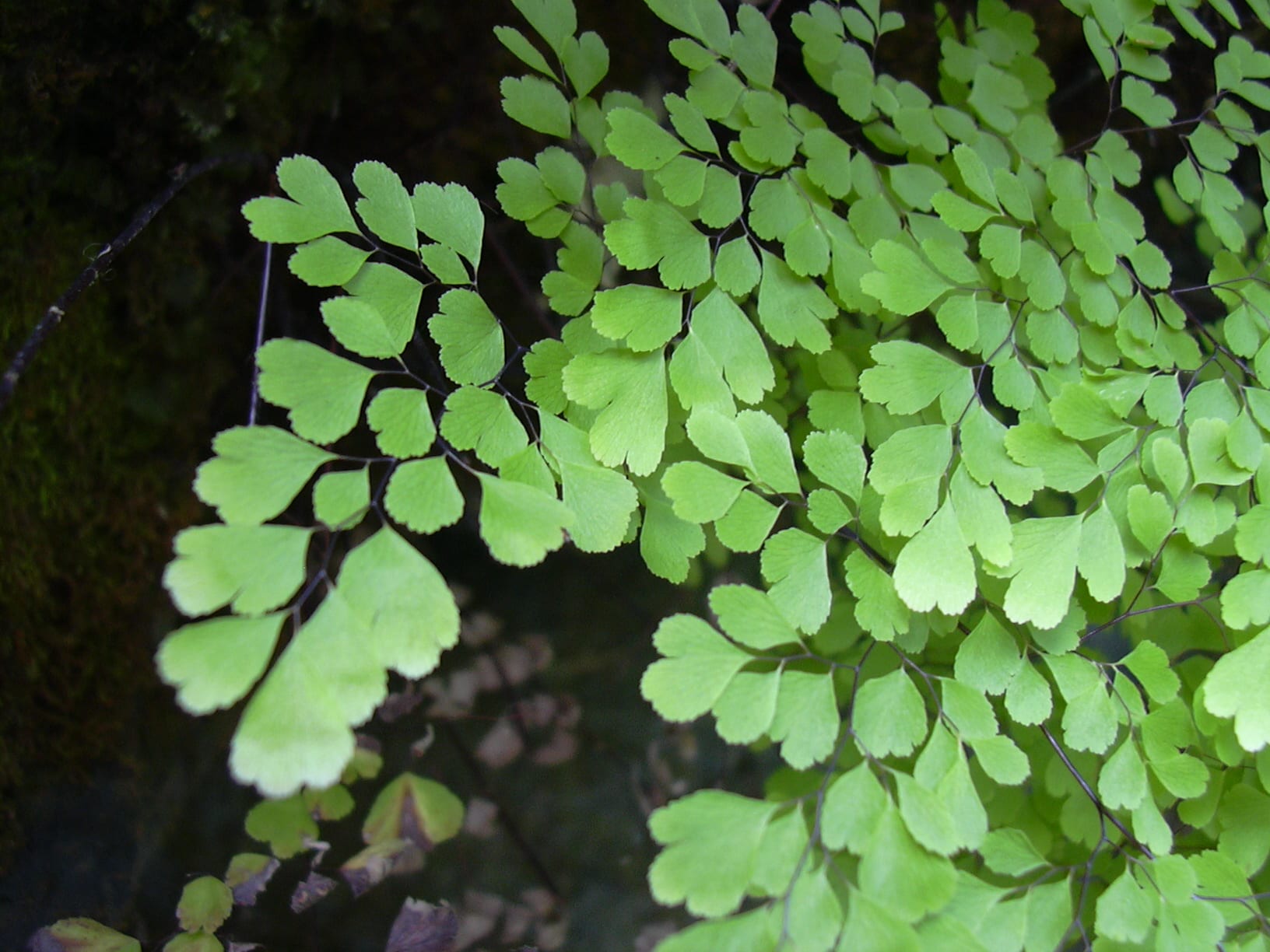
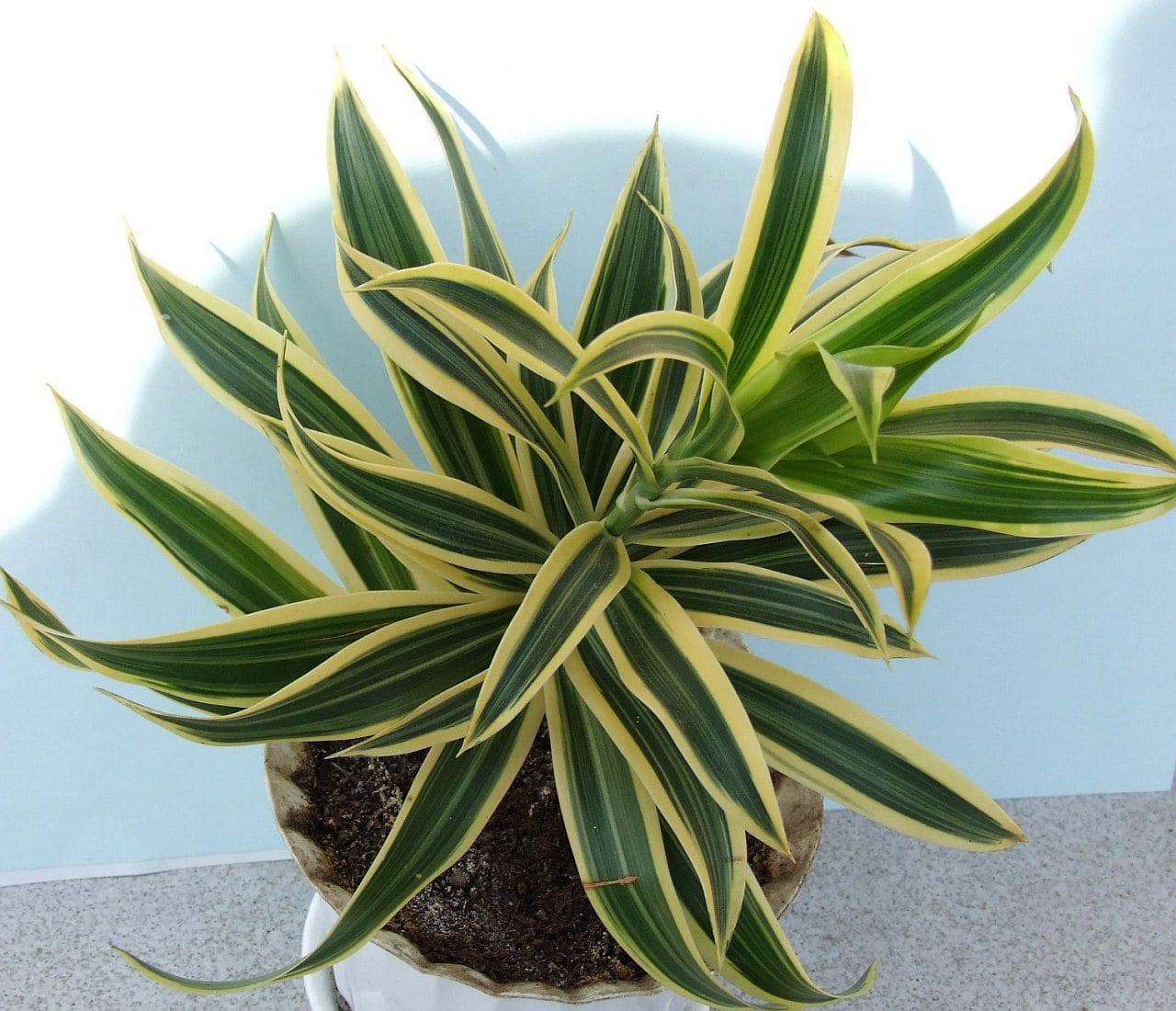
Spider mites thrive in hot, dry conditions and are particularly prone to explosive population growth indoors during winter heating when the air is dry. They parasitize a wide range of plants including ficus, rubber plants, maidenhair ferns, money trees, and dracaenas.
Treatment
- Rinse leaf undersides with a strong water spray to physically wash away mites (immediate effect)
- Apply a dedicated miticide (such as Barroque, Colomite or Danitaro), focusing on the undersides of leaves
- Make daily leaf misting a habit to maintain humidity
Since spider mites quickly develop resistance to the same active ingredient, rotating between 2–3 different miticides sustains effectiveness.
Scale Insects
Appear as white cottony masses or hard, brown shell-like clusters along stem joints, in leaf axils, and on leaf undersides. Their appearance resembles dirt or dust, making them easy to miss; by the time they're noticed, they often cover the entire plant. Their excretion promotes sooty mold (a fungal disease that blackens leaves).
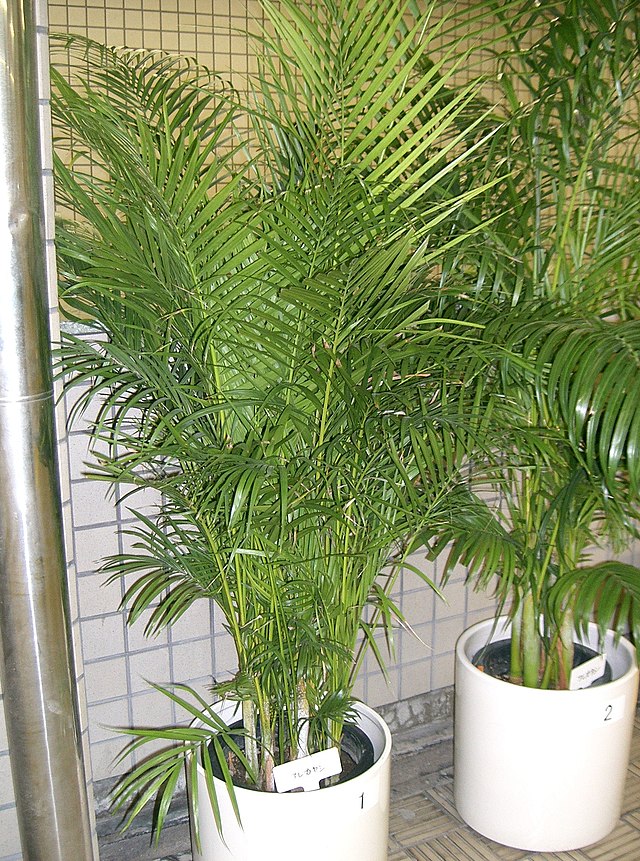
Scale insects readily parasitize sansevieria, bird-of-paradise, cycads, areca palms, and ficus trees, and multiply rapidly in poorly ventilated environments.
Treatment
- Carefully scrub away clusters with a toothbrush or cotton swab (effective for small infestations)
- Wipe with a cotton swab soaked in isopropyl alcohol (removes insects inside the shell)
- Spray a pesticide whose label lists scale insects
- Make weekly plant inspections a routine to enable early detection
Aphids
Small insects in green, black, or white clusters attach to new shoots, growing points, and stem tips. Damage from their feeding causes growing points to wither and become deformed; their excretion creates stickiness that attracts ants—a characteristic sign. Plants receiving excessive nitrogen fertilizer or producing many soft shoots are especially vulnerable.
Treatment
- Rinse away with water pressure (for small clusters)
- Spray vinegar diluted 20 times
- Use fast-acting spray insecticides such as Benica X
Fungus Gnats (Fungus Gnats and Drain Flies)
If you notice 1–2 mm insects flying around the soil surface or saucers, you likely have a fungus gnat infestation. While adults are visually noticeable, the real problem lies in soil-dwelling larvae that feed on organic matter and roots, weakening the plant. Potting soils high in organic matter like leaf mold or peat moss, combined with consistently moist conditions, trigger mass outbreaks.
Treatment
- Reduce watering frequency and keep soil on the dry side (eliminates the larval breeding environment)
- Place yellow sticky traps (Yellow Stamp or fruit fly traps) near the plant base
- If you use a pesticide, check the label for one registered for fungus gnats (GF Ortran granules do not list fungus gnats among their target pests for ornamental flowers and foliage plants)
- Cover the soil surface with 2–3 cm of inorganic material like Akadama clay, bark chips, or sand to physically prevent egg-laying
Source: MAFF Pesticide Registration Database (GF Ortran Granules)
Natural Methods for Those Who Prefer Not to Use Pesticides
For those concerned about indoor pesticide use, or households with pets and small children, the following methods are effective.
Vinegar and baking soda solutions work when sprayed as a 20:1 vinegar dilution or a mixture of 1 teaspoon baking soda per liter of water. They offer mild control of aphids and spider mites while also helping prevent fungal issues and powdery mildew. Since some plants are delicate, test on a few leaves first before treating the whole plant.
Physical spray rinsing is the safest and most straightforward method. Move the plant to a bathroom and apply strong water pressure to leaf surfaces, undersides, stems, and soil to wash away pests. This is especially effective against spider mites and aphids, and regular applications suppress population growth.
Preventive Habits to Avoid Pest Infestations
The key to pest management is "creating an environment where pests don't thrive." Simply incorporating the following habits into your routine dramatically reduces the frequency of infestations.
Daily leaf misting is the most effective spider mite prevention method. Simply misting both sides of leaves with a spray bottle maintains the high-humidity environment that spider mites dislike. Weekly leaf wiping removes dust from the leaf surface, boosting photosynthesis while enabling early detection of problems.
Ensuring air circulation directly prevents scale insects, fungal issues, and root rot. Simply spacing plants apart and running a fan at low speed yields results. A quarantine period (2–3 weeks) for new plants is also crucial. Pests often hide in recently purchased plants, and placing them immediately next to existing plants risks rapid spread. When purchasing from growers directly, establishing a routine to quarantine and inspect arrivals provides peace of mind.
Additionally, avoiding excessive fertilization prevents the soft, tender new growth that aphids love, maintaining the plant's natural defenses. For guidance on recovering plants damaged by pest infestations, see the foliage plant root rot recovery guide.
Fungus Gnats (Fungus Gnats and Drain Flies)
Signs of Infestation
When tiny insects flit around a pot, fungus gnats are the first suspect. They measure 1–3 mm in body length, far smaller than common flies. Two types of fungus gnats affect foliage plants: fungus gnats and drain flies.
Fungus gnat larvae feed on organic matter in soil (leaf mold, organic fertilizer, dead roots) and multiply. Drain flies often lay eggs in standing water and saucers, making them common around drainage areas.
Causes of Outbreaks
The primary driver of fungus gnat outbreaks is consistently moist soil and the presence of organic matter. Soil that stays wet continuously or saucers left full of standing water create ideal breeding conditions. Pots treated heavily with organic fertilizers are also prone to infestations.
Control and Prevention
- Sticky traps: Place yellow sticky traps near pots to capture adult insects
- Surface soil replacement: Replace the top 2–3 cm of soil with inorganic material like Akadama clay or vermiculite to eliminate breeding sites
- Pesticides: If you use one, check the label for a product registered for fungus gnats (GF Ortran granules do not list fungus gnats among their target pests for ornamental flowers and foliage plants)
- Adjust watering: Let the soil surface dry completely before watering. Empty saucers within 30 minutes of watering
Source: MAFF Pesticide Registration Database (GF Ortran Granules)
Summary: Early Detection and Consistent Care Are Your Best Defense
Pest problems often become severe by the time they're noticed, which is why a weekly inspection routine proves invaluable. Checking leaf undersides, stem joints, and soil surface—even briefly—creates a habit that catches infestations at early stages before they explode.
When using insecticides, always follow the product instructions and ensure adequate ventilation indoors. Combine natural methods with chemical treatments based on the situation, and you can maintain healthy, thriving plants for the long term.